
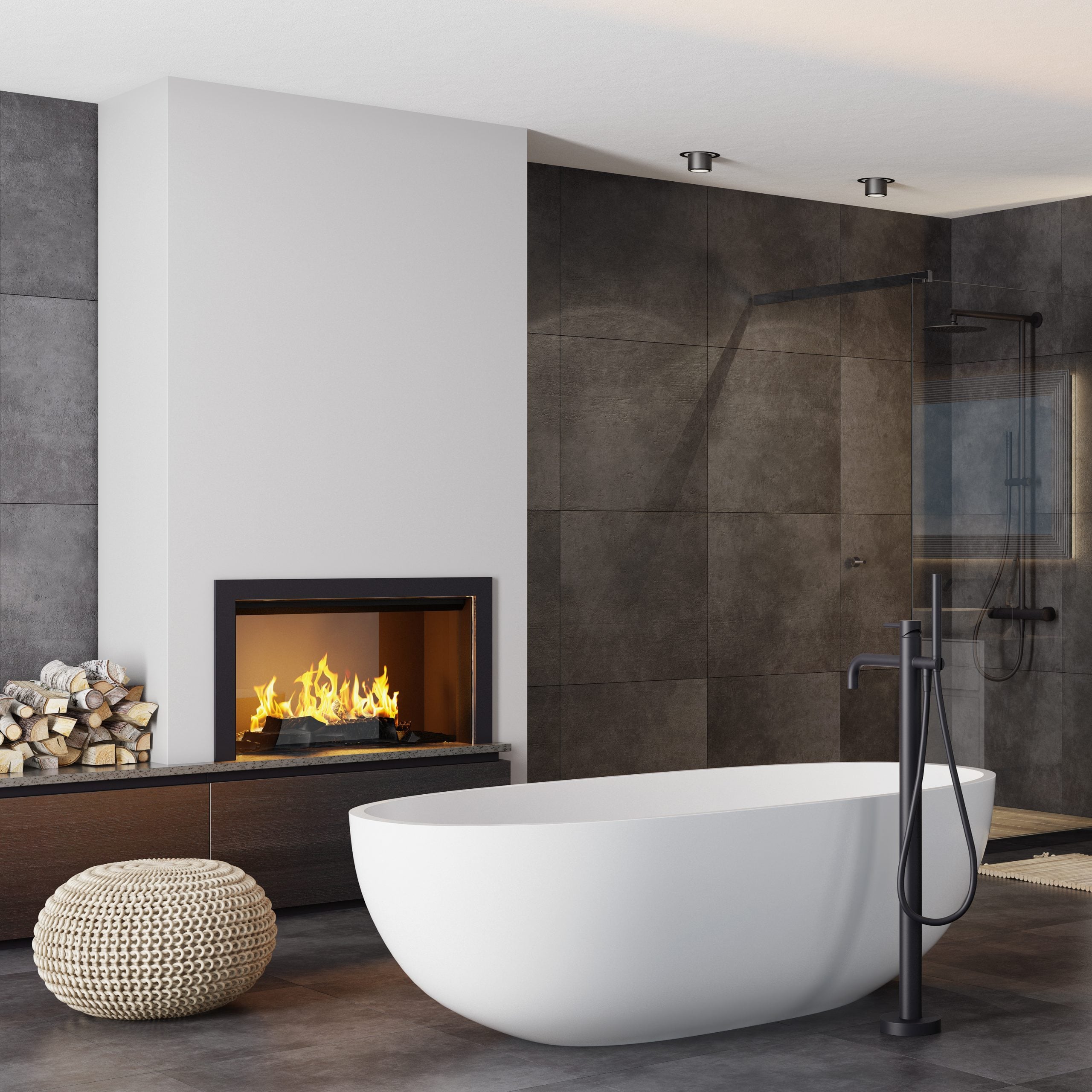
A bathroom fireplace sounds like the kind of luxury feature that belongs in a boutique hotel, a celebrity home tour, or a Pinterest board with suspiciously perfect towels. But here is the good news: a fireplace in the bathroom is not just a fantasy for people who alphabetize their bath salts. With the right planning, product choice, ventilation, electrical work, and safety checks, a bathroom fireplace can turn an ordinary bath into a warm, spa-like retreat.
The not-so-tiny catch? Bathrooms are wet, compact, steamy spaces. Fireplaces involve heat, electricity, fuel, glass, venting, or sometimes all of the above. Put those two worlds together without a plan, and you do not get “luxury spa.” You get “building inspector raises one eyebrow.”
This bathroom fireplace guide explains what you need to know before installing one, including the best fireplace types, safety rules, ventilation concerns, placement ideas, design tips, maintenance needs, and real-world experience from homeowners and remodelers. Whether you want a sleek electric fireplace over a soaking tub or a direct-vent gas fireplace beside a vanity, the goal is simple: warm toes, happy eyes, and zero drama.
Can You Put a Fireplace in a Bathroom?
Yes, you can put a fireplace in a bathroom, but not every fireplace belongs there. The bathroom is a “special conditions” room because it has moisture, limited wall space, plumbing, ventilation fans, electrical circuits, and surfaces that can be splashed. That means the fireplace must be rated and installed for the location, not simply borrowed from the living room because it looked lonely.
The safest and most common bathroom fireplace options are electric fireplaces and direct-vent gas fireplaces. Electric models are popular because they do not require a chimney, do not burn fuel, and can often be installed with fewer structural changes. Direct-vent gas units are loved for their real flame and strong heat, but they require professional installation, proper venting, fuel connections, clearances, and local code approval.
Traditional wood-burning fireplaces are much less practical in bathrooms. They need a chimney, proper draft, combustion air, fire-safe materials, and regular cleaning. They can also introduce smoke, soot, ash, and indoor air quality concerns. In a room where you are trying to relax, the phrase “ash cleanup near the bubble bath” does not exactly whisper elegance.
Best Types of Bathroom Fireplaces
1. Electric Bathroom Fireplace
An electric fireplace is often the easiest choice for a bathroom. It creates the look of flames using LED lights, flame effects, or digital displays, and many models include a built-in heater. Since there is no combustion, there is no smoke, no gas line, no chimney, and no carbon monoxide from the fireplace itself.
For bathrooms, the key is choosing a unit that is suitable for damp or bathroom-adjacent conditions. Not every electric fireplace is designed for moisture exposure. The unit should be installed according to the manufacturer’s instructions, on a properly protected electrical circuit, and away from direct water spray. A licensed electrician should confirm whether a dedicated circuit, GFCI protection, or hardwired installation is required.
Electric fireplaces work well in small and medium bathrooms, especially when the goal is ambiance plus supplemental warmth. They are also excellent for remodels where adding gas lines or exterior venting would be expensive or structurally difficult.
2. Direct-Vent Gas Fireplace
A direct-vent gas fireplace uses sealed combustion. That means it pulls combustion air from outdoors and sends exhaust gases outdoors, rather than relying on bathroom air for combustion. This is usually the preferred gas option for tight modern homes and moisture-heavy rooms because it separates the flame system from indoor air.
Direct-vent units can be beautiful, efficient, and realistic. They are available in linear, see-through, corner, and traditional styles. Some luxury bathrooms use a see-through gas fireplace between the bedroom and bathroom, giving both rooms the same glowing focal point. It is dramatic, cozy, and just a little bit “I may own matching robes.”
However, gas fireplaces are not casual DIY projects. They require a licensed installer, code-compliant venting, correct gas sizing, proper clearances, and carbon monoxide safety measures. The location must also allow a safe vent termination outside the home. In many cases, your local building department will require a permit.
3. Vent-Free Gas Fireplace
Vent-free gas fireplaces are controversial and are not ideal for most bathrooms. These appliances burn gas without sending combustion byproducts through a chimney or vent. They also add moisture to the air, which is exactly what a bathroom already has in Olympic quantities after a hot shower.
Some jurisdictions restrict or prohibit vent-free appliances, and even where they are allowed, bathroom installations may face size, BTU, ventilation, or manufacturer limitations. Because bathrooms are small and enclosed, a vent-free gas fireplace can raise concerns about oxygen levels, indoor pollutants, and humidity. In plain English: just because something can be sold does not mean it belongs next to your shampoo.
4. Wood-Burning Bathroom Fireplace
A wood-burning fireplace creates a traditional atmosphere, but it is the hardest type to justify in a bathroom. It needs a properly designed chimney, noncombustible surrounds, spark control, adequate makeup air, and professional maintenance. Wood smoke can affect indoor air quality, and creosote buildup in chimneys can increase fire risk if not cleaned.
If your historic home already has a small fireplace in or near the bathroom, have it inspected before using it. A decorative old fireplace may look romantic, but hidden cracks, blocked flues, damaged liners, or poor draft can make it unsafe. In many cases, homeowners preserve the old fireplace visually and install an electric insert for safer daily use.
Bathroom Fireplace Safety: The Non-Negotiables
Check Local Building Codes First
Before buying a fireplace, check your local building code requirements. Rules vary by city, county, and state. Your local code office may have specific requirements for gas appliances, bathroom electrical work, venting routes, clearances from tubs and showers, glass temperature safety, and permits.
This step may not feel exciting, but it can save you from expensive mistakes. Nobody wants to install a fireplace, tile around it, admire it lovingly, and then learn it must be moved because it violates clearance rules. That is not a remodel. That is a very costly magic trick.
Use the Manufacturer’s Installation Manual
The installation manual is not optional bathroom reading. It is the rulebook for that exact unit. It tells you required clearances, approved room types, venting instructions, framing dimensions, electrical needs, mantel limits, wall finish requirements, and safety warnings.
If the manual says the fireplace is not approved for bathroom use, do not install it in a bathroom. If it says the unit must be hardwired, do not plug it into an extension cord. If it requires a certain clearance from combustible trim, do not “eyeball it” with the confidence of someone assembling furniture at midnight.
Plan for Moisture
Bathrooms produce steam, condensation, splashes, and humidity. Moisture can affect metal parts, electronics, finishes, framing, and wall materials. A bathroom fireplace should be placed where it is not exposed to direct spray from a shower or tub. It should also be paired with proper bathroom ventilation, such as an exhaust fan that vents outdoors.
Moisture-resistant wall materials are important around the fireplace. Depending on the model and heat output, you may need cement board, tile, stone, metal, or other noncombustible finishes. Avoid placing heat-sensitive materials, delicate wallpaper, or untreated wood too close to the appliance unless the manufacturer approves the assembly.
Install Carbon Monoxide Alarms for Fuel-Burning Units
If your bathroom fireplace burns gas, wood, or any fuel, carbon monoxide safety matters. Carbon monoxide is odorless and invisible, which makes it dangerous precisely because it does not announce itself with a villain laugh. Install carbon monoxide alarms according to local code and manufacturer guidance, and keep them tested.
Fuel-burning fireplaces should also be inspected regularly. Vents, chimneys, and combustion systems can become blocked, damaged, or poorly adjusted over time. A beautiful flame is not a substitute for a safe flame.
Where to Put a Fireplace in the Bathroom
Across From the Bathtub
One of the most popular bathroom fireplace placements is across from a freestanding tub. This creates a spa-like view while you soak. A linear electric fireplace or direct-vent gas fireplace works especially well here because it provides a clean, horizontal focal point.
Keep the fireplace far enough from water sources to meet electrical, gas, and manufacturer clearance requirements. Also consider reflections: a fireplace opposite polished tile or glass can create a gorgeous glow, while a fireplace opposite a cluttered storage shelf may create a dramatic tribute to extra toilet paper.
Between the Bedroom and Bathroom
A see-through fireplace between the primary bedroom and ensuite bathroom is a high-end design move. It warms both spaces visually and physically, while creating a luxury hotel feel. Direct-vent gas models are often used for this setup, though some electric models offer a similar look with fewer installation demands.
This layout requires careful planning. You need to think about privacy, wall thickness, heat output, venting, controls, and whether the fireplace glass will face wet zones. Done well, it looks custom and elegant. Done poorly, it feels like your bedroom and bathroom are having an awkward conversation.
Near a Vanity Wall
A compact electric fireplace can work on a vanity wall, especially in larger bathrooms with a seating area or makeup station. The fireplace can be installed below artwork, beside cabinetry, or as part of a built-in storage wall.
Be careful with mirrors, cosmetics, wood cabinetry, and towel storage. Heat rises, and bathroom products are not always fans of warmth. Keep lotions, aerosols, towels, and decor outside the clearance zone.
In a Shower? Usually No.
A fireplace inside a shower enclosure is generally not practical and is rarely advisable. Even if you have seen dramatic photos online, most real homes should avoid putting heating appliances where they face direct water spray. Moisture, electricity, glass temperature, maintenance access, and manufacturer approval all become major concerns.
If you want a fireplace effect from the shower, place the fireplace outside the wet zone where it can be seen through glass. You get the view without turning the appliance into a very expensive waterproofing experiment.
Design Ideas for a Stylish Bathroom Fireplace
Modern Spa Style
For a clean spa-inspired bathroom, choose a linear fireplace with large-format tile, stone slabs, or smooth plaster-style walls. Keep the design calm: warm neutrals, soft lighting, minimal clutter, and simple hardware. The fireplace should feel like part of the architecture, not like it crashed the bathroom wearing a tuxedo.
Traditional Luxury
If your bathroom leans classic, consider a fireplace surround with marble, limestone, painted millwork, or a traditional mantel. This works especially well in large primary bathrooms with a freestanding tub, chandelier, and furniture-style vanity. For safety, any wood mantel or trim must follow the fireplace manufacturer’s clearance rules.
Rustic Retreat
A rustic bathroom fireplace can use stone, textured tile, reclaimed-looking wood accents, bronze fixtures, and warm lighting. If you love the cabin look but not the maintenance of a wood fire, an electric insert or direct-vent gas fireplace can provide the mood without hauling logs past the linen closet.
Minimalist Electric Insert
Small bathrooms can still enjoy a fireplace effect with a slim recessed electric model. Choose a unit with adjustable flame brightness and heat settings, so you can enjoy the look without overheating the room. This is especially useful in mild climates where the fireplace is mostly for ambiance.
How Much Does a Bathroom Fireplace Cost?
Costs vary widely depending on the fireplace type, installation complexity, finishes, and local labor rates. An electric fireplace is usually the most budget-friendly option. The unit itself may be relatively affordable, but professional electrical work, wall framing, tile, and finishing can add to the total.
A direct-vent gas fireplace usually costs more because it requires the appliance, gas line work, venting, exterior termination, framing, permits, and finish materials. If the bathroom is not on an exterior wall, venting may become more complicated. A see-through fireplace between rooms can be especially expensive because it affects both sides of the wall.
Wood-burning fireplaces are typically the most complex and costly to add from scratch. They require chimney construction or major venting work, fire-rated assemblies, structural planning, and regular chimney maintenance. For most bathroom remodels, wood-burning units are more dream-house than practical-house.
Ventilation and Indoor Air Quality
Ventilation is one of the biggest considerations in a bathroom fireplace project. Bathrooms already need strong ventilation to remove moisture. Add a fireplace, and you also need to think about combustion air, exhaust, backdrafting, and indoor pollutants, depending on the unit.
Electric fireplaces do not create combustion gases, but they still produce heat and should not be installed in a damp, poorly ventilated room without regard for the manufacturer’s instructions. Gas fireplaces need proper venting and professional setup. Wood-burning fireplaces need a safe chimney, adequate draft, and clean burning practices.
Be careful with powerful bathroom exhaust fans near fuel-burning appliances. In some homes, exhaust fans can contribute to negative pressure, which may affect draft in certain combustion systems. Direct-vent sealed-combustion units help reduce this concern because they use outdoor air for combustion and vent exhaust outdoors through a sealed system.
Bathroom Fireplace Maintenance
Electric Fireplace Maintenance
Electric fireplaces are low maintenance, but they are not maintenance-free. Keep vents clear, dust the unit regularly, check for moisture exposure, and follow the manufacturer’s cleaning directions. If the glass or screen becomes cloudy from bathroom humidity, clean it with approved products only.
Gas Fireplace Maintenance
Gas fireplaces should be inspected by a qualified professional. The technician can check burners, ignition, seals, venting, glass, logs or media, gas pressure, and safety controls. Even clean-burning gas appliances can develop venting issues, dust buildup, or component wear.
Wood Fireplace Maintenance
Wood-burning fireplaces and chimneys require regular inspection and cleaning. Creosote buildup, animal nests, damaged liners, cracked masonry, and poor draft can create serious hazards. If your bathroom fireplace is part of an older home, schedule a professional inspection before the first use and continue routine maintenance afterward.
Common Mistakes to Avoid
Choosing Looks Over Safety
A bathroom fireplace should be beautiful, but safety comes first. Do not choose a unit only because it looks good in a showroom photo. Confirm that it fits your room, moisture conditions, heating needs, electrical system, and local rules.
Ignoring Clearances
Clearance rules tell you how far the fireplace must be from combustible materials, furniture, trim, shelving, towels, and sometimes plumbing fixtures. These measurements are not design suggestions. They are safety requirements.
Skipping Permits
Permits may feel like paperwork wearing steel-toe boots, but they protect you. They help ensure that gas lines, electrical circuits, venting, and framing are inspected. They can also matter later when selling the home.
Using the Fireplace as the Main Bathroom Heater
A bathroom fireplace is best treated as supplemental heat and ambiance. Your bathroom still needs a proper heating plan, especially in cold climates. Heated floors, bathroom-safe wall heaters, HVAC registers, or towel warmers may work together with the fireplace for better comfort.
Real-World Experiences: What Homeowners Learn After Adding a Bathroom Fireplace
Homeowners who add a bathroom fireplace often say the same thing: the feature changes how the room feels, not just how it looks. A standard bathroom is a place to get ready. A bathroom with a fireplace can become a place to slow down. That emotional shift is why the idea is so appealing. The glow softens tile, warms the mood, and makes a long bath feel less like hygiene and more like a small vacation from laundry, email, and whatever mystery noise the dishwasher is making.
One common experience is that electric fireplaces are easier to live with than expected. Many homeowners choose them because they want the look without the construction complexity. After installation, they appreciate being able to turn on the flame effect without heat during warmer months. This matters because bathrooms can get hot quickly. A small room with a heater, a steamy shower, and a human wrapped in towels does not need much help reaching tropical-rainforest levels.
Another lesson is that placement affects enjoyment more than people expect. A fireplace placed directly across from a tub becomes a true focal point. A fireplace squeezed beside a cabinet may still look nice, but it might not deliver that “spa retreat” feeling. Before installation, it helps to stand in the bathroom and imagine where you will actually see the flames: from the tub, from the vanity, from the shower entrance, or from a small bench. The best location is not always the biggest wall. It is the wall that gives the best experience.
Homeowners also learn that glass, tile, and mirrors can make or break the design. Glossy tile can reflect the flame beautifully, but too many reflective surfaces may make the room feel visually busy. Matte stone, warm plaster-like finishes, and simple tile layouts often help the fireplace feel calm and expensive. In smaller bathrooms, a restrained design usually works better than trying to combine dramatic tile, bold wallpaper, a statement mirror, brass fixtures, and a fireplace all in one room. At some point, the bathroom stops feeling luxurious and starts auditioning for a talent show.
People who install gas fireplaces often mention the importance of hiring the right professionals. A direct-vent gas fireplace can be fantastic, but the planning is more involved. Installers must think about vent routes, exterior termination locations, gas capacity, service access, and code requirements. Homeowners who rush this stage may face redesigns later. Those who plan carefully tend to be happier with the final result because the fireplace feels built-in rather than forced.
Maintenance is another practical reality. Electric fireplaces are simple, but bathroom humidity means dust and condensation can show up faster on glass or trim. Gas fireplaces need periodic inspection. Wood-burning fireplaces, especially in older homes, require chimney care and a serious safety mindset. The experience is best when the homeowner treats the fireplace as part of the home’s comfort system, not just decoration.
Finally, many homeowners say the fireplace becomes most valuable during small daily routines. It is not only for long baths with candles and dramatic music. It is for cold mornings, post-shower comfort, winding down before bed, or making a primary bathroom feel less clinical. A bathroom fireplace is a luxury, yes, but the best kind of luxury is one you actually use. If it is safe, well placed, properly installed, and easy to operate, it can become the feature that makes the whole remodel feel worth it.
Final Thoughts: Is a Bathroom Fireplace Worth It?
A bathroom fireplace can absolutely be worth it if you choose the right type, install it safely, and design around the realities of moisture, heat, ventilation, and code. For most homeowners, an electric fireplace offers the simplest path to bathroom warmth and ambiance. For luxury remodels, a direct-vent gas fireplace can deliver a stunning real-flame experience when professionally installed.
The smartest approach is to begin with safety, not style. Confirm local rules, read the installation manual, hire qualified professionals, and respect clearances. Once those pieces are handled, you can enjoy the fun part: choosing tile, planning the view from the tub, and pretending your Tuesday night bath is actually a five-star resort experience.
In the end, a bathroom fireplace is not just about heat. It is about atmosphere. It turns a practical room into a personal retreat. And honestly, if your bathroom can make you feel calmer before the day starts or after it ends, that is a home upgrade doing its job beautifully.














