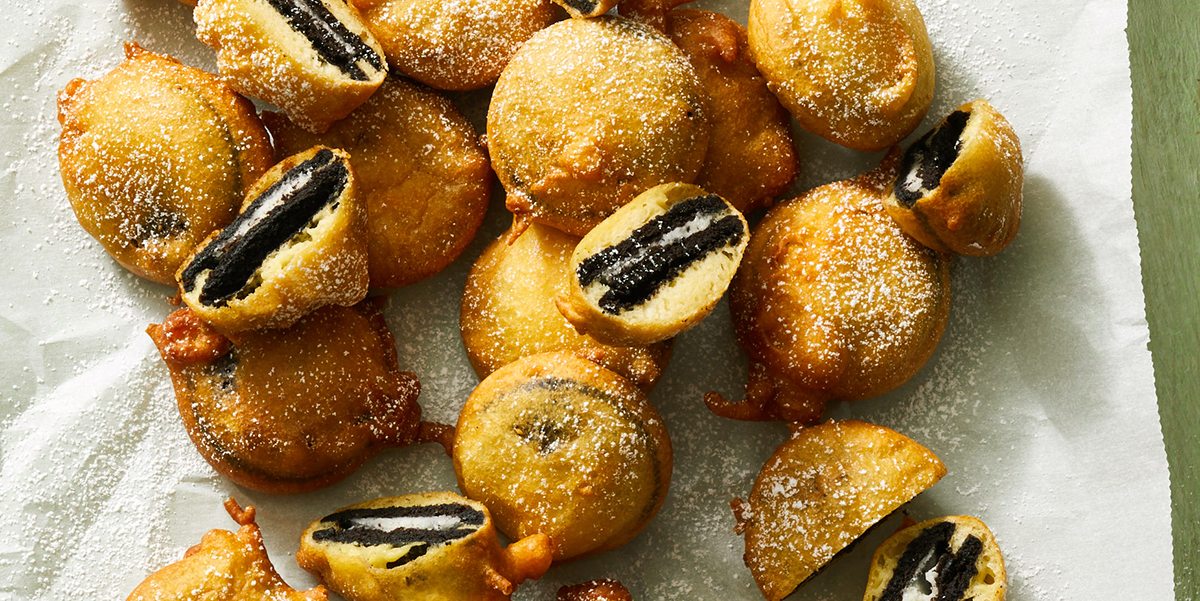
Deep-fried Oreos are what happen when an innocent sandwich cookie takes a vacation at the state fair and returns wearing a fluffy golden coat. Crisp around the edges, tender in the middle, and filled with warm cookies-and-cream flavor, this over-the-top dessert tastes far more complicated than it actually is.
The best news is that you do not need a carnival booth, a commercial fryer, or someone yelling, “Step right up!” outside your kitchen. With pancake mix, a handful of pantry ingredients, and careful control of the oil temperature, you can make homemade deep-fried Oreos in about 25 minutes.
This recipe explains exactly how to create a thick batter that stays on the cookies, how to keep the coating from becoming greasy, and how to fry each batch to an even golden brown. You will also find flavor variations, troubleshooting advice, serving ideas, storage tips, and lessons learned from making multiple batches at home.
Why This Is the Best Deep-Fried Oreos Recipe
A good fried Oreo should not taste like a regular cookie that accidentally fell into a pot of oil. The exterior should be light, soft, and slightly crisp, almost like a miniature pancake or funnel cake. Meanwhile, the cookie inside should soften from the heat without completely dissolving.
This version succeeds because it focuses on three details: a thick pancake-style batter, neutral frying oil, and a steady temperature between 365°F and 375°F. The batter forms a protective shell around each cookie, while properly heated oil cooks that shell quickly enough to prevent excessive grease absorption.
What Makes the Recipe Work
- Pancake mix provides reliable structure: It already contains flour, leavening, and salt, giving the coating a fluffy carnival-style texture.
- Milk and egg add richness: They create a batter that browns evenly and clings better than a thin water-only mixture.
- Vanilla rounds out the flavor: It makes the fried coating taste homemade rather than like plain boxed pancake batter.
- Small batches protect the oil temperature: Frying only two or three cookies at a time keeps the coating crisp and evenly colored.
- A wire rack prevents sogginess: Excess oil can drip away instead of collecting beneath the cookies.
Easy Deep-Fried Oreos Recipe
Prep time: 10 minutes
Cook time: 12 to 15 minutes
Total time: About 25 minutes
Yield: 18 deep-fried Oreos
Difficulty: Easy, provided you respect the hot oil
Ingredients
- 18 regular Oreo cookies or similar chocolate sandwich cookies
- 1 1/2 cups pancake and baking mix
- 1 tablespoon granulated sugar
- 1 large egg
- 3/4 cup whole milk, plus more if needed
- 1 teaspoon pure vanilla extract
- 1 tablespoon vegetable or canola oil for the batter
- 4 to 6 cups neutral oil for frying, depending on the size of the pot
- 1/3 cup powdered sugar for serving
Recommended Equipment
- A heavy-bottomed Dutch oven or deep saucepan
- A deep-fry or clip-on candy thermometer
- A spider strainer, slotted spoon, or metal tongs
- A wire cooling rack set over a sheet pan
- Two mixing bowls
- A fork for dipping the cookies
How to Make Deep-Fried Oreos
-
Prepare the draining station. Place a wire rack over a rimmed baking sheet. You may put paper towels beneath the rack to catch drips, but let the fried cookies rest directly on the rack so steam can escape.
-
Heat the frying oil. Pour enough neutral oil into a heavy pot to reach a depth of approximately 2 inches. Leave several inches of empty space at the top of the pot because hot oil bubbles when food is added. Heat the oil over medium heat until it reaches 370°F.
-
Make the batter. Whisk the pancake mix and granulated sugar in a medium bowl. In a second bowl, whisk the egg, milk, vanilla, and 1 tablespoon of oil. Add the wet mixture to the dry ingredients and stir just until combined.
-
Check the consistency. The batter should be thicker than ordinary breakfast pancake batter. It should fall slowly from a spoon and leave a visible coating behind. Add another tablespoon of pancake mix if it runs off immediately. Add milk, one teaspoon at a time, if it is so thick that it cannot spread around a cookie.
-
Coat the Oreos. Working with one cookie at a time, place an Oreo in the batter and turn it until every surface is covered. Lift it with a fork and allow only the heaviest excess batter to drip away. Do not shake off too much, or the cookie may develop bare spots.
-
Fry in small batches. Carefully lower two or three coated Oreos into the hot oil. Fry for 45 to 60 seconds on the first side, then gently turn them. Continue frying for another 30 to 60 seconds, or until puffed and evenly golden.
-
Monitor the temperature. The oil will cool slightly after each batch enters the pot. Adjust the burner as needed to keep it close to 365°F to 375°F. Allow the oil to return to the target temperature before adding another batch.
-
Drain and finish. Lift the cookies from the oil with a spider strainer or slotted spoon. Let excess oil drip back into the pot, then transfer them to the wire rack. Dust generously with powdered sugar while warm.
-
Serve promptly. Let the Oreos cool for two or three minutes before eating. The filling can be surprisingly hot, and no dessert is charming enough to justify burning the roof of your mouth.
How Thick Should Fried Oreo Batter Be?
Batter consistency is the difference between a round, fluffy fried Oreo and a sad cookie wearing a patchy flour scarf. Proper batter should coat the cookie completely without sliding away before it reaches the oil.
Lift a spoonful of batter above the bowl. It should fall in a wide ribbon rather than pour like milk. When the ribbon lands, it should remain visible for a second before blending back into the surface.
If the batter is too thin, add pancake mix one tablespoon at a time. If it is too thick, add milk one teaspoon at a time. Make small adjustments because a little liquid can change the consistency quickly.
Avoid aggressively beating the batter until perfectly smooth. A few small lumps are harmless. Excessive mixing encourages gluten development, which can make the fried shell chewy rather than tender.
The Best Oil Temperature for Deep-Fried Oreos
Oil temperature matters more than almost any other part of this easy fried Oreo recipe. Around 370°F is ideal because it allows the batter to puff, brown, and set quickly.
Oil that is too cool causes the coating to absorb grease before it forms a crust. The result may look pale and feel heavy. Oil that is too hot can burn the exterior while leaving raw batter near the cookie.
Use a deep-fry thermometer instead of guessing. A thermometer provides immediate feedback when the temperature falls after adding a batch or rises while the pot sits empty.
Do not fill the pot more than halfway with oil. Keep the pot on a stable burner, turn pan handles away from the edge, and never introduce water into hot oil. Keep children and pets outside the immediate cooking area.
Common Deep-Fried Oreo Mistakes
The Batter Slides Off
The batter is probably too thin, or too much was allowed to drip away after dipping. Stir in additional pancake mix and make sure the cookie is fully submerged during coating.
The Oreos Taste Greasy
The oil may not have been hot enough, or too many cookies were fried simultaneously. Let the oil return to approximately 370°F between batches and fry no more than three at once.
The Outside Browns Too Quickly
The oil is overheating. Reduce the burner slightly and wait until the temperature falls below 375°F before continuing. Dark brown does not automatically mean delicious; sometimes it simply means the oil got ambitious.
The Coating Is Dense or Rubbery
The batter may have been overmixed. Stir only until the dry ingredients are moistened. A light hand helps preserve the fluffy texture produced by the leavening in the pancake mix.
The Fried Oreos Become Soggy
Do not pile freshly fried cookies on top of one another. Place them in a single layer on a rack so hot steam can escape. Serve them shortly after frying for the best texture.
Flavor Variations Worth Trying
Birthday Cake Fried Oreos
Stir two tablespoons of rainbow sprinkles into the batter. Use jimmies rather than tiny nonpareils, which are more likely to bleed color. Finish with powdered sugar and a few extra sprinkles.
Chocolate Fried Oreos
Add two tablespoons of unsweetened cocoa powder and one additional tablespoon of milk to the batter. Serve with chocolate sauce for a dessert that has clearly stopped pretending to be reasonable.
Cinnamon-Sugar Fried Oreos
Skip the powdered sugar and toss the warm cookies in a mixture of 1/2 cup granulated sugar and 1 teaspoon ground cinnamon.
Golden Oreo Version
Use Golden Oreos and add a small amount of lemon zest to the batter. The combination creates a bright vanilla-citrus flavor similar to a miniature fried cake.
Peanut Butter Variation
Use peanut butter-flavored sandwich cookies and drizzle the finished dessert with warm chocolate sauce. Confirm that guests do not have peanut allergies before serving.
Holiday Fried Oreos
Use seasonal cookies with colored filling and coordinate the toppings. Crushed peppermint works for winter, orange sugar suits Halloween, and red-and-blue sprinkles create an easy Fourth of July dessert.
Can You Make Fried Oreos in an Air Fryer?
Yes, although air-fried Oreos are not identical to the deep-fried version. Hot oil immediately sets the wet batter and creates a rounder, more evenly browned coating. An air fryer produces a lighter result with less oil, but the surface may look more like a baked pancake.
For an air-fryer version, line the basket with perforated parchment intended for air fryers and lightly coat it with cooking spray. Arrange the battered cookies in a single layer with space between them. Cook at 375°F for approximately 6 to 8 minutes, turning once if necessary.
Crescent-roll dough can also be wrapped around each Oreo before air frying. That method is convenient and less messy, but the result tastes more like a stuffed pastry than a classic state-fair fried Oreo.
Serving Ideas
Powdered sugar is the traditional topping, and it is traditional for a good reason: it adds sweetness without hiding the chocolate cookie. Sift it over the Oreos just before serving so it remains bright and powdery.
For a party platter, add small bowls of chocolate sauce, salted caramel, strawberry sauce, or marshmallow creme. Vanilla ice cream turns two warm fried Oreos into a dramatic plated dessert. Fresh strawberries or raspberries provide a tart contrast to the sweet batter and creamy filling.
Serve the cookies on parchment-lined trays or in small paper food boats for a carnival-style presentation. Just warn guests that powdered sugar has an impressive ability to land on black clothing from several feet away.
Storage, Reheating, and Frying-Oil Disposal
Deep-fried Oreos are best eaten within 15 to 30 minutes. As they sit, moisture from the softened cookie moves into the coating and gradually reduces its crispness.
Store leftovers in an airtight container in the refrigerator for up to two days. Reheat them in a 350°F oven or air fryer for three to five minutes. A microwave will warm them, but it also makes the coating soft.
Let used frying oil cool completely before handling it. Strain it through a fine-mesh sieve to remove batter crumbs. Oil used only for desserts may be stored in a sealed, labeled container in a cool, dark place for another appropriate frying session, provided it does not smell rancid, appear unusually dark, or foam excessively.
Never pour used oil into a sink or toilet. Place unwanted cooled oil in a sealed disposable container and follow local household-waste guidance.
Frequently Asked Questions
Do Oreos need to be frozen before frying?
No. Room-temperature Oreos soften nicely during the brief frying period. Freezing is optional, although chilled cookies may be slightly easier to handle in a warm kitchen.
Can I use Double Stuf Oreos?
Yes. Double Stuf cookies create a creamier center, although they may soften more dramatically. Make sure the batter completely covers the thicker cookie.
Can I prepare the batter in advance?
The batter is best mixed shortly before frying because the leavening begins reacting after liquid is added. You can combine the dry ingredients earlier and whisk the wet ingredients separately, then mix them when the oil is nearly ready.
What is the best oil for fried Oreos?
Canola, vegetable, corn, or peanut oil can work because they have neutral flavors and are suitable for high-temperature frying. Avoid strongly flavored oils that could overpower the dessert.
Can I make the recipe without eggs?
Use an egg-free pancake mix and prepare it according to its package directions, keeping the batter slightly thicker than ordinary pancake batter. A commercial egg replacer may also work, but results vary among brands.
How do I know when a fried Oreo is done?
The coating should be puffed and golden on all sides. Because the cookie is already safe to eat, the goal is to cook the surrounding batter completely rather than reach a particular internal temperature.
My Deep-Fried Oreo Experience: Lessons From the Frying Pot
The first time I made deep-fried Oreos, I assumed the process would be nearly foolproof. After all, the central ingredient comes ready-made in a package. How much trouble could one cookie cause? The answer was enough trouble to leave several pale Oreos sitting at the bottom of the pot like tiny chocolate shipwrecks. My original batter was much too thin. It looked fine in the bowl, but it slipped away as soon as I lifted each cookie. Thickening it with pancake mix immediately produced rounder, fluffier results.
The second lesson involved temperature. I initially heated the oil and then stopped watching the thermometer, believing the burner would hold everything steady. It did not. The first batch lowered the temperature dramatically, and I added the next batch before the oil recovered. Those cookies took longer to brown and absorbed noticeably more oil. Once I began waiting for the thermometer to return to approximately 370°F, every batch became lighter and more consistent. Frying in groups of two or three also made turning the cookies much easier.
I experimented with draining methods as well. Cookies placed directly on paper towels looked fine at first, but their undersides became damp as trapped steam mixed with surface oil. A wire rack produced a better texture because air could circulate underneath. Paper towels were still useful beneath the rack, where they caught drips without pressing against the coating. This small change made the dessert stay pleasantly crisp for longer, especially when I needed several batches ready for a group.
Flavor testing was the entertaining part. Regular Oreos delivered the most recognizable state-fair experience, but Golden Oreos with lemon zest were surprisingly good. Birthday-cake sprinkles looked festive, although adding too many made the batter heavy. Double Stuf Oreos created a very soft, creamy center and were popular with serious sweet-tooth volunteers. Chocolate batter tasted rich, but it made judging browning more difficult, so I relied more heavily on cooking time and oil temperature.
The most important experience-related lesson was to serve the cookies immediately but not recklessly. Straight from the fryer, the cream filling can be extremely hot. Two or three minutes of cooling created the best balance: the coating remained crisp, the center stayed warm, and nobody had to spend the rest of dessert holding an ice cube against their tongue. A light powdered-sugar finish was enough for most people, while chocolate and caramel sauces worked better on the side. The final conclusion was wonderfully simple: control the temperature, keep the batter thick, fry small batches, and accept that powdered sugar will somehow reach every corner of the kitchen.
Conclusion
The best deep-fried Oreos recipe does not require complicated pastry skills. A dependable pancake batter, neutral oil, a deep-fry thermometer, and a little patience between batches are enough to transform packaged cookies into a warm carnival dessert.
Keep the batter thick enough to cling, maintain the oil near 370°F, and drain the finished cookies on a wire rack. Dust them with powdered sugar and serve them while the coating is still crisp and the center is soft. They are excessive, nostalgic, slightly ridiculous, and exactly as enjoyable as dessert should occasionally be.