
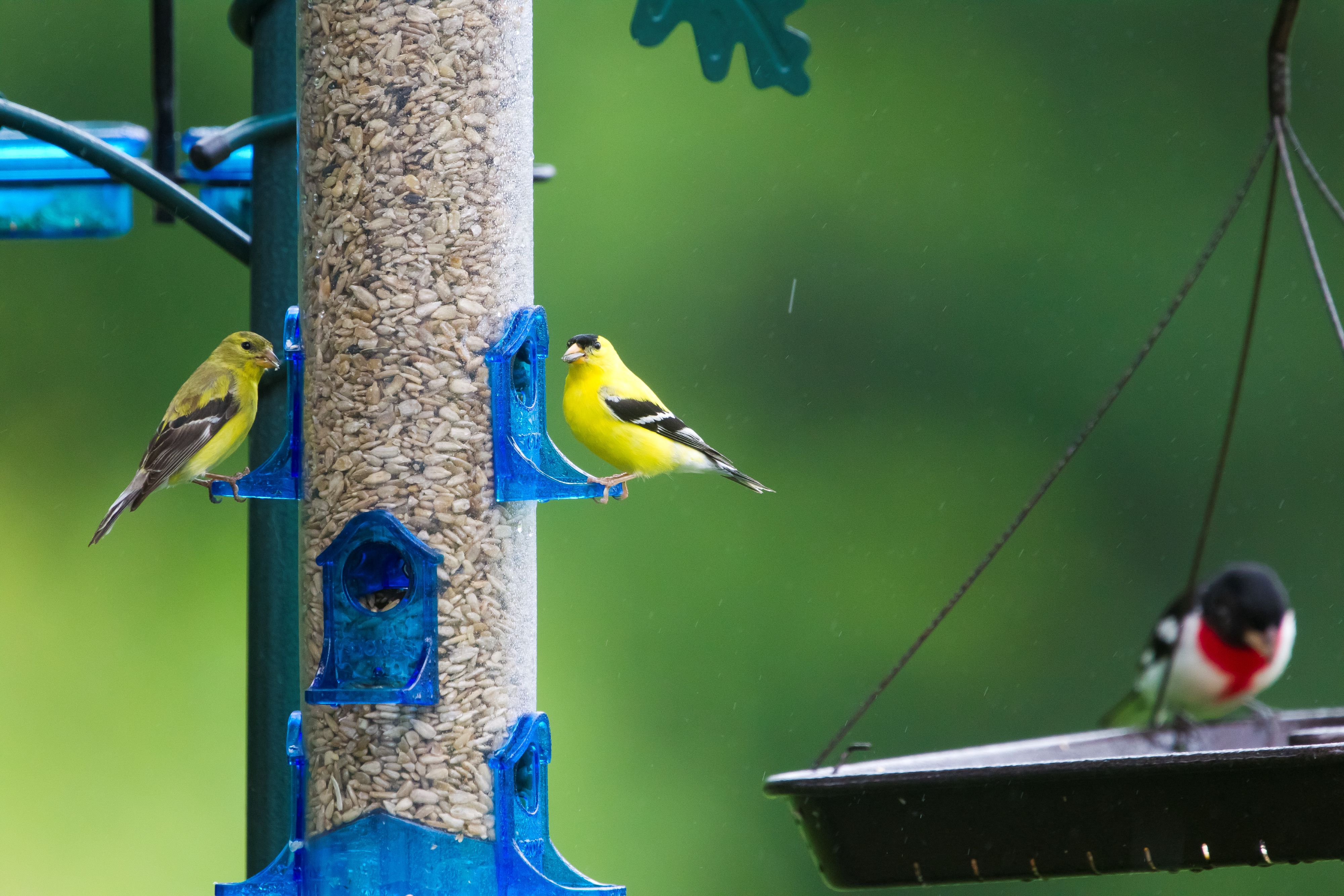
If your bird feeder has been sitting in the yard like an unpopular karaoke machine, the problem may not be the feeder at all. It may be the seed. Backyard birds can be wonderfully polite in theory, but in practice they are tiny, feathery food critics with strong opinions. Put out the wrong mix, and they will inspect it, toss half of it on the ground, glare at you, and leave. Put out the right seed, and suddenly your yard looks like a busy airport with wings.
So what bird seed do experts keep recommending when people want more action at the feeder? The answer, again and again, is black-oil sunflower seed. If you want one bag that attracts the widest range of birds, this is the one to buy first. It is the backyard birding equivalent of ordering fries for the table: almost everybody wants some.
That does not mean black-oil sunflower is the only smart option. The best bird seed strategy is part science, part observation, and part accepting that cardinals, finches, chickadees, jays, woodpeckers, doves, and sparrows are not all reading from the same menu. Some seeds attract a crowd. Others attract specific species. And some bargain blends are less “premium buffet” and more “bag of disappointment.”
In this guide, we will break down the best bird seed for feeders, explain why black-oil sunflower is such a superstar, show when to use safflower, nyjer, millet, and peanuts, and help you avoid the rookie mistakes that turn a promising feeder into a very expensive squirrel snack bar.
The Bird Seed Experts Recommend First
If you buy only one type of bird seed, make it black-oil sunflower seed. Birding experts, feeder specialists, and university extension guides consistently point to it as the best all-around choice for attracting a broad range of backyard birds. Why? It checks nearly every box a hungry songbird cares about.
Why black-oil sunflower works so well
First, it has a thin shell, which makes it easier for many birds to crack open. That matters because not every bird arrives at your feeder equipped with industrial-strength beak machinery. Second, it is rich in oil and calories, which gives birds the energy they need, especially during colder months, migration, and breeding season. Third, it appeals to a long list of feeder favorites, including chickadees, finches, nuthatches, titmice, cardinals, woodpeckers, and even jays.
In other words, black-oil sunflower seed is popular because it is easy to eat, energy-dense, and widely liked. That is a hard combo to beat. If your goal is simple, “I want more birds at my feeder,” this is the best place to start.
What Birds You Can Attract With the Right Seed
The phrase “best bird seed” depends on what birds you hope to see. Think of your feeder as a dinner invitation. The seed you buy determines who RSVPs.
For cardinals, chickadees, finches, and nuthatches
Black-oil sunflower seed is the MVP. It attracts a colorful mix of common backyard birds and works beautifully in tube feeders, hopper feeders, and platform feeders. If you want a lively feeder with steady traffic, this seed usually gets the job done.
For goldfinches and small finches
Nyjer seed, sometimes called thistle, is a specialty option worth using if finches are your dream guests. Goldfinches especially love it. Because nyjer is tiny, it works best in a special finch feeder or a sock feeder with small openings. Toss it into a random mixed feeder and much of it may end up wasted.
For cardinals and to discourage some bully birds
Safflower seed is a smart pick. Cardinals often love it, and many blackbirds and grackles are less enthusiastic. Some squirrels are not big fans either, though let’s be honest: a determined squirrel treats advice as a suggestion. If your feeder is being mobbed by less-welcome visitors, safflower can help tip the guest list in a better direction.
For juncos, doves, and ground-feeding birds
White proso millet is useful, especially on platform feeders or scattered lightly on the ground in a safe area. Ground-feeding birds tend to appreciate it more than perch-loving songbirds do. In mixed blends, millet is fine in moderation, but too much can lead to waste because many birds will flip through the blend looking for sunflower instead.
For jays, woodpeckers, and high-energy visitors
Peanuts, especially shelled or chopped unsalted peanuts, are a great addition. Blue jays, woodpeckers, titmice, and nuthatches are often thrilled to see them. They deliver serious energy and can make your feeder feel like the cool new restaurant in town.
The Best Bird Seed Blends Are Not the Cheapest Bags
This is where many backyard birders get tricked. A giant bargain bag of mixed bird seed sounds practical until you realize half of it may be made of ingredients many songbirds do not want. The result? Birds toss seed all over the ground, the mess attracts rodents, and you start paying premium prices for the privilege of cleaning up rejected dinner.
What to look for in a quality bird seed blend
A good bird seed blend usually contains a high percentage of black-oil sunflower, sunflower chips, safflower, peanuts, or a modest amount of white millet depending on the feeder and target birds. The best blends are designed with specific birds and feeder styles in mind, not just bulk weight.
What to avoid in lower-quality blends
Be careful with blends heavy in milo, excess cracked corn, or too much filler. These ingredients can attract starlings, house sparrows, or ground-feeding flocks you may not be trying to encourage, and they often create more waste. That does not mean every bird dislikes them, but if your goal is a colorful, active songbird feeder, filler-heavy blends are usually a weak investment.
One of the simplest upgrades you can make is switching from a cheap “wild bird mix” to a straighter, cleaner seed option. Many people see better results almost immediately. Apparently, birds enjoy quality ingredients too. Who knew.
No-Mess Bird Seed: Worth It or Just Fancy Marketing?
No-mess bird seed is typically made from hulled sunflower, sunflower chips, chopped peanuts, and other edible ingredients without shells. It can be an excellent option if you want less debris under the feeder, live in a tidy neighborhood, or simply do not want your yard looking like a seed confetti zone.
The upside is obvious: less waste, less cleanup, and often less chance of unwanted germination below the feeder. The downside is cost. No-mess blends are usually more expensive, and hulled seed can spoil faster if it gets damp because the protective shell is gone. If you use it, offer only what birds will eat fairly quickly and keep the feeder dry and clean.
For many homeowners, the trade-off is worth it. You pay more upfront but save yourself the daily “why is there a crunchy sunflower graveyard under my window” experience.
Match the Seed to the Feeder for Better Results
Even the best bird seed can flop if it is in the wrong feeder. Good bird feeding is not just about what you offer. It is also about how you serve it.
Tube feeders
Great for black-oil sunflower, sunflower chips, and nyjer. These feeders are especially useful for chickadees, finches, titmice, and nuthatches. They also help keep seed drier than open trays.
Hopper feeders
These work well for black-oil sunflower, safflower, and quality seed blends. They are classic, easy to fill, and attractive to a broad range of birds.
Platform feeders
Good for larger birds like jays and doves, and useful for millet, peanuts, and mixed seed. The trade-off is that platform feeders need more frequent cleaning because droppings and moisture can build up faster.
Special finch feeders
Use these for nyjer seed if you want goldfinches and siskins. Tiny seed, tiny ports, happy finches.
If you really want to attract more birds, offer different seeds in different feeders instead of one giant mystery mix in one container. That approach reduces waste and helps each bird type find what it actually wants.
How to Get More Birds to Your Feeder Fast
Buying better bird seed is the biggest move, but it is not the only one. If you want birds to flock to your feeder, stack the odds in your favor with a few smart choices.
1. Start with black-oil sunflower seed
If your current feeder is dead quiet, this is the reset button.
2. Keep seed fresh
Birds avoid moldy, wet, stale seed. Store bird seed in a cool, dry place, preferably in a sealed metal container.
3. Add water nearby
A birdbath can make your yard dramatically more attractive. Birds need water for drinking and bathing, and moving water is even more enticing.
4. Give birds cover
Birds are more likely to visit feeders near shrubs or trees where they can retreat quickly from predators. They like convenience and safety, same as the rest of us.
5. Use more than one feeder
Multiple feeders reduce crowding, allow you to offer different seed types, and can help timid birds get a chance to eat.
6. Be patient
Birds may take a few days or weeks to discover a new feeder. Once they do, especially if the seed is good, traffic often builds steadily.
Common Bird Feeding Mistakes That Chase Birds Away
Buying cheap filler-heavy seed
This is the big one. It creates waste, attracts pests, and disappoints birds.
Letting feeders get dirty
Dirty feeders can spread disease and spoil food. Clean seed feeders regularly and scrub away old residue before refilling.
Ignoring window safety
Feeders should be placed either very close to windows or far enough away to reduce collision risk. If you love birds enough to feed them, it makes sense not to accidentally turn your living room into a hazard zone.
Using the same seed for every goal
Black-oil sunflower is the best all-around choice, but it is not the answer to every question. Want goldfinches? Add nyjer. Want cardinals and fewer blackbirds? Try safflower. Want ground feeders? Use millet strategically.
Forgetting that feeders are a supplement
The healthiest bird-friendly yard includes native plants, water, shelter, and safe feeding. Feeders are helpful, but they work best as part of a bigger backyard habitat.
So, What Bird Seed Should You Actually Buy?
If you want the simplest expert-backed answer, here it is: buy black-oil sunflower seed first. It is the best bird seed for attracting the widest variety of backyard birds, it works in several feeder styles, and it delivers the high-energy nutrition birds actively seek.
After that, customize:
- Add nyjer for finches and siskins.
- Add safflower for cardinals and to discourage some problem birds.
- Add peanuts for jays, woodpeckers, nuthatches, and titmice.
- Add millet for juncos, doves, and other ground-feeding birds.
- Use no-mess blends if you want less cleanup under the feeder.
The best strategy is not buying the biggest bag with the brightest label. It is choosing seed with purpose. Birds notice. Very quickly, in fact. They may not leave reviews, but they absolutely vote with their wings.
What Bird Feeding Feels Like in Real Life: The Experience of Switching to Better Seed
There is a very specific moment that happens when someone switches from a bargain bird seed mix to a better-quality seed like black-oil sunflower. At first, nothing seems different. The feeder looks the same. The yard looks the same. You might even feel slightly suspicious, like maybe you just paid more money for a fancier version of the same thing. Then the birds arrive, and suddenly it becomes very obvious that they know exactly what changed.
A common experience goes something like this: the old feeder used to attract a couple of random visitors, mostly house sparrows, maybe a mourning dove lurking underneath like a cleanup crew member on a break. The cheap seed sat there for too long, and the birds picked through it like picky children sorting vegetables out of fried rice. But once the seed changes, the pace changes too. Chickadees start making quick in-and-out visits. Finches cling to the feeder longer. A cardinal shows up, looking dramatic as usual, like he was invited to a red-carpet event. Even nuthatches begin their upside-down acrobat routine as if they own the place.
Another thing people notice is that the yard becomes more active throughout the day. Better seed does not just attract more birds, it often creates more predictable traffic. Early mornings become busy. Midday quiets down a little. Late afternoon picks up again. After a while, you start recognizing the regulars. There is always one bold blue jay who arrives like he is collecting rent, one nervous dove who acts like every leaf is suspicious, and a pair of chickadees who seem to have no concept of personal space.
The experience also becomes more enjoyable because there is less frustration. When you use high-quality seed or a no-mess blend, you spend less time staring at a messy patch under the feeder wondering why your landscaping now resembles a seed landfill. You refill with more confidence because the food is actually being eaten. That sounds simple, but it changes the whole hobby. Bird feeding feels rewarding when the food disappears for the right reason.
Many backyard birders also describe a shift in how they relate to their outdoor space. A feeder that once felt decorative becomes part of a daily rhythm. You check it with your coffee. You notice weather changes because the birds react to them. Cold mornings bring heavier feeder traffic. Rainy days bring different behavior. Seasonal migration turns your backyard into a surprise guest list. The feeder stops being an object and starts feeling like a tiny living neighborhood restaurant with very high turnover and no tipping policy.
Perhaps the best part is that success builds on itself. Once birds learn your yard is a reliable place for fresh seed, they return more often. Add water, a second feeder, or nearby native plants, and the experience improves again. More species show up. Birds stay longer. The yard feels fuller, more animated, and strangely more peaceful at the same time. That is why experienced birders get a little evangelical about seed quality. It is not because they enjoy reading ingredient labels for fun. It is because they have seen what happens when you finally offer birds what they actually want. The response is fast, visible, and honestly kind of delightful.
Conclusion
If your goal is to attract more birds to your feeder without wasting money on seed they will ignore, the expert verdict is refreshingly straightforward. Start with black-oil sunflower seed. It is the best single choice for drawing a wide variety of backyard birds, and it gives you the strongest odds of turning a quiet feeder into a busy one. From there, build a smarter setup with nyjer for finches, safflower for cardinals, peanuts for woodpeckers and jays, and millet for ground-feeding birds.
The secret is not just feeding birds more. It is feeding them better. Pick high-quality seed, match it to the right feeder, keep everything clean, and support your yard with water, shelter, and native plants. Do that, and your feeder will stop feeling like a hopeful decoration and start acting like the neighborhood’s hottest brunch spot.














