Note: This article is for general educational purposes only and should not replace medical advice from a qualified healthcare professional. If symptoms are severe, unusual, or persistent, readers should contact a doctor or seek urgent care.
The bivalent COVID-19 booster vaccine had one big job: help the immune system recognize both the original strain of SARS-CoV-2 and Omicron-related variants. Think of it as giving your immune system an updated “wanted poster” instead of asking it to identify a suspect from a blurry photo taken three variants ago. Like other COVID-19 vaccines and boosters, the bivalent booster could cause temporary side effects. Most were mild to moderate, lasted a day or two, and were signs that the body was responding to vaccination.
Still, knowing what to expect matters. Nobody enjoys waking up after a vaccine wondering whether their arm has been replaced by a sandbag or why their body suddenly wants to audition for a flu commercial. The good news is that the most common bivalent COVID-19 booster side effects were familiar: sore arm, fatigue, headache, muscle aches, chills, fever, nausea, joint pain, and swollen lymph nodes. Serious reactions were rare, but they were important to recognize.
This guide explains eight common side effects of the bivalent COVID-19 booster vaccine, why they happen, how long they usually last, and when it is smart to call a healthcare provider.
What Was the Bivalent COVID-19 Booster Vaccine?
The bivalent COVID-19 booster was an updated vaccine formulation designed to target two parts of the virus: the original SARS-CoV-2 strain and Omicron subvariants. In the United States, bivalent mRNA boosters from Pfizer-BioNTech and Moderna were authorized in 2022 as booster doses during the Omicron era. Later vaccine recommendations moved toward newer updated formulations as the virus continued to change, but many people still search for bivalent booster side effects because they received one, are reviewing old medical records, or want to understand how booster reactions compare.
The side effect profile of bivalent boosters was generally similar to earlier mRNA COVID-19 vaccine doses. That means the immune system may temporarily create inflammation as it learns to recognize the vaccine’s instructions. This response can feel annoying, but it is usually short-lived. The vaccine does not give a person COVID-19; instead, it teaches immune cells what to look for if the real virus shows up later like an uninvited guest with bad manners.
Why Do Side Effects Happen After a Booster?
Vaccine side effects happen because the immune system is doing its job. After a bivalent COVID-19 booster, immune cells respond to the vaccine and produce protective antibodies and other immune defenses. That process may trigger soreness, tiredness, fever, or body aches. In plain English: your body is running a security drill. The alarm may be noisy, but the goal is preparation.
Not everyone has side effects. Some people feel completely normal after a booster and wonder if the vaccine “worked.” A quiet response does not mean failure. Others may feel run-down for a day or two. Side effects can vary based on age, previous vaccine reactions, immune health, recent infections, sleep, stress, and even whether you scheduled your shot right before a busy day. Pro tip: getting vaccinated before a marathon, final exam, or moving day is ambitious. Your immune system may not send a thank-you card.
8 Common Side Effects of the Bivalent COVID-19 Booster Vaccine
1. Pain, Redness, or Swelling at the Injection Site
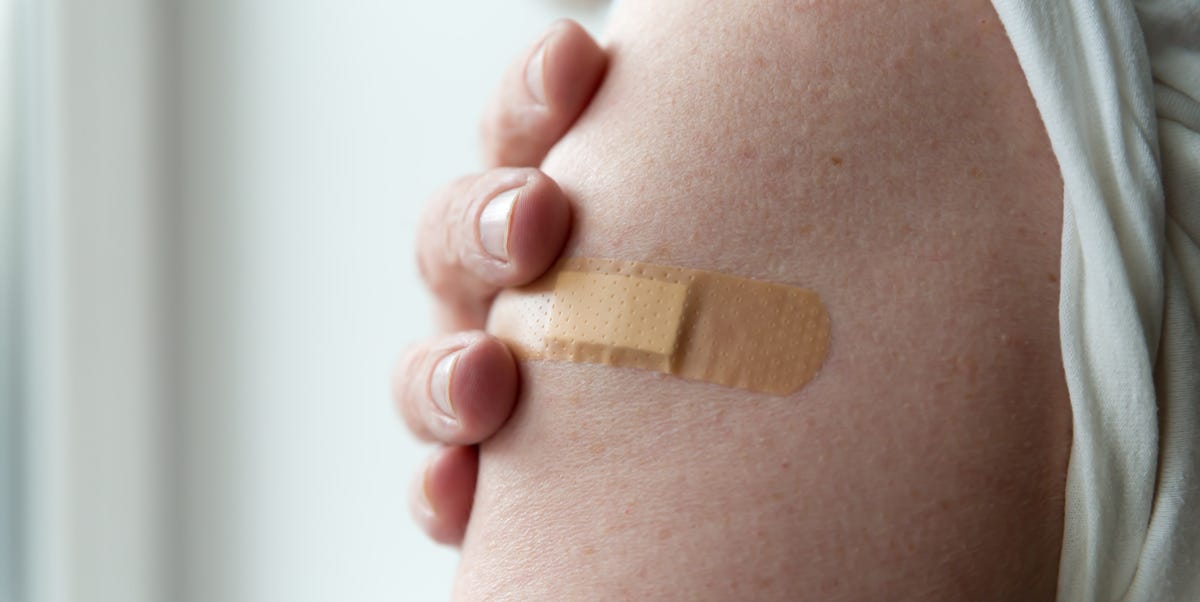
The most common side effect after a bivalent COVID-19 booster was pain where the shot was given. This usually felt like soreness, tenderness, heaviness, or mild swelling in the upper arm. Some people also noticed redness or warmth around the injection site.
This reaction occurs because immune cells gather near the area where the vaccine entered the muscle. It is local inflammation, not the arm being dramatic for attentionalthough it can certainly feel theatrical when reaching for a cereal box the next morning.
Injection-site soreness often begins within several hours and improves within one to three days. Moving the arm gently, applying a cool compress, and drinking fluids may help. Avoid aggressively massaging the area, because your arm is not a stubborn pizza dough.
2. Fatigue or Feeling Run-Down
Fatigue was another commonly reported bivalent booster side effect. Some people described it as mild sleepiness, while others felt like their body had switched into low-power mode. This tired feeling usually appeared within the first 24 hours and improved after rest.
Fatigue happens because the immune system uses energy to build a response. It may be inconvenient, but it is also one of the most ordinary vaccine reactions. A good plan is to keep the day after vaccination flexible when possible. That does not mean canceling life forever; it means not scheduling your most heroic productivity fantasy for the morning after your booster.
Most fatigue fades within one or two days. If extreme tiredness lasts longer than several days, gets worse, or comes with other concerning symptoms, it is reasonable to check with a healthcare provider or test for COVID-19 or another infection.
3. Headache
Headache was frequently reported after COVID-19 booster shots, including bivalent boosters. It may feel like pressure, dull aching, or general discomfort. For many people, it is mild and responds to rest, hydration, and over-the-counter pain relievers if medically appropriate.
Headaches after vaccination may be linked to immune signaling, temporary inflammation, dehydration, lack of sleep, stress, or the classic “I forgot to eat lunch” situation. Before blaming the booster for everything, it is worth asking whether caffeine, water, and food were also missing from the day’s agenda.
A mild headache that improves within a day or two is usually not alarming. However, a severe headache, headache with confusion, fainting, weakness, vision changes, or symptoms that feel unusual for the person should be evaluated promptly.
4. Muscle Aches
Muscle aches, also called myalgia, can make the body feel sore or heavy after a bivalent COVID-19 booster. Some people describe it as similar to how they feel at the start of a cold or flu. The soreness may affect the back, legs, shoulders, or general body.
This side effect is part of the body-wide immune response. Chemical messengers released by immune cells can temporarily make muscles feel tender. The good news is that these aches usually do not last long. Rest, fluids, light stretching, and warm showers may help.
Exercise is a personal choice after vaccination. Light activity is usually fine if someone feels well, but intense workouts may be better postponed if fever, chills, or strong body aches appear. Your muscles are already receiving enough drama; they do not need a surprise leg day.
5. Chills
Chills are another common side effect after COVID-19 boosters. They may appear with or without fever. A person may feel cold, shivery, or unable to get comfortable, even under a blanket that suddenly becomes the most important object in the house.
Chills happen when the body’s temperature regulation system responds to immune activity. They often show up the evening of vaccination or the next day and usually pass quickly. Warm clothing, rest, and fluids can make the experience more manageable.
If chills are intense, last more than a couple of days, or come with high fever, breathing problems, chest pain, or symptoms of infection, medical advice is important.
6. Fever
A low-grade fever can happen after the bivalent COVID-19 booster vaccine. Fever is a normal immune response for some people and often means the body is reacting to vaccination. It may be accompanied by sweating, chills, fatigue, or body aches.
Most vaccine-related fevers are mild and short-lived. Resting, drinking fluids, and wearing comfortable clothing can help. Some people may use fever-reducing medicine, such as acetaminophen or ibuprofen, if they can take it safely. Anyone with medical conditions, allergies, stomach ulcers, kidney disease, liver disease, or medication interactions should ask a healthcare professional before using these products.
A fever that is very high, lasts more than a few days, or appears with severe symptoms should not be brushed off. Also, because COVID-19 and other respiratory infections can cause fever, testing may be appropriate if symptoms feel more like illness than a typical vaccine reaction.
7. Nausea or Digestive Upset
Nausea was reported by some people after COVID-19 vaccination and boosters. It is usually mild, but it can be frustratingespecially for anyone who expected only a sore arm and instead got a stomach with opinions.
Digestive symptoms may happen because immune activity affects the whole body, not just the arm. Some people may also feel nauseated from anxiety, not eating before the appointment, dehydration, or fever. Eating a light meal before vaccination, sipping water, and choosing bland foods afterward may help.
Vomiting, severe abdominal pain, signs of dehydration, or nausea that does not improve should be discussed with a healthcare provider. A short wave of queasiness can be normal; a full digestive rebellion deserves attention.
8. Swollen Lymph Nodes
Swollen or tender lymph nodes can happen after a bivalent COVID-19 booster, especially under the arm on the same side as the shot. Lymph nodes are part of the immune system, and they may enlarge temporarily as immune cells become active.
This side effect can surprise people because it may feel like a small lump or tenderness in the armpit. In many cases, it improves within a few days to a couple of weeks. Healthcare providers sometimes advise scheduling routine mammograms before vaccination or several weeks afterward when possible, because swollen lymph nodes can show up on imaging and create confusion.
Swelling that continues, grows, becomes very painful, or appears with other unusual symptoms should be checked by a clinician. Most post-vaccine lymph node swelling is temporary, but it is always better to ask than to spiral through internet searches at 2 a.m.
How Long Do Bivalent Booster Side Effects Usually Last?
Most common side effects begin within the first 24 hours after vaccination and improve within one to three days. Arm soreness may linger slightly longer. Swollen lymph nodes can sometimes last longer than other symptoms but usually fade without treatment.
Side effects can be stronger after some doses than others. A person who had a rough second dose may have a milder booster, while someone who barely noticed earlier doses may feel more tired after the bivalent booster. Immune systems are not copy machines; they are more like jazz musiciansworking from a theme, but improvising every time.
When Should You Call a Doctor?
Most bivalent COVID-19 booster vaccine side effects are not dangerous. However, medical attention is important if symptoms are severe, unusual, or persistent. Contact a healthcare provider or seek urgent care for chest pain, shortness of breath, a racing or pounding heartbeat, fainting, swelling of the face or throat, widespread hives, severe weakness, confusion, or symptoms of a serious allergic reaction.
Myocarditis and pericarditis, which are types of heart inflammation, have been reported rarely after mRNA COVID-19 vaccination, especially among adolescent and young adult males. Symptoms can include chest pain, shortness of breath, or palpitations, particularly within the week after vaccination. These symptoms should be evaluated promptly.
Severe allergic reactions are rare, but they usually occur soon after vaccination. That is why vaccination sites often ask people to wait briefly after the shot. It may feel like an awkward lobby pause, but it has a purpose.
How to Feel Better After a Bivalent COVID-19 Booster
For mild side effects, simple steps often help. Drink water, rest, eat nourishing food, and keep the vaccinated arm moving gently. A cool compress may reduce injection-site discomfort, while a warm shower may soothe body aches. Wear comfortable clothing and avoid overplanning the next day if your schedule allows.
It is usually okay to use over-the-counter pain or fever medicine after vaccination if you can take it safely. People with chronic medical conditions, pregnancy, medication interactions, or past allergic reactions should ask a healthcare professional for personalized guidance.
One practical strategy is to schedule the booster when you have a lighter day afterward. Not everyone needs downtime, but having breathing room can make side effects less stressful. Your immune system may be building protection; your calendar does not need to build character at the same time.
Bivalent Booster Side Effects vs. COVID-19 Symptoms
Some vaccine side effects overlap with COVID-19 symptoms, including fever, headache, fatigue, and muscle aches. However, vaccine side effects typically start soon after the shot and improve quickly. COVID-19 may include cough, sore throat, congestion, loss of taste or smell, or symptoms that worsen over several days.
If you develop respiratory symptoms, have known exposure to COVID-19, or feel sick beyond the usual post-vaccine window, consider testing and follow current public health guidance. A booster cannot cause COVID-19, but it is possible to be exposed shortly before or after vaccination and become ill around the same time.
Do Strong Side Effects Mean Better Protection?
Not necessarily. Strong side effects do not automatically mean stronger protection, and no side effects do not mean weak protection. The immune system can build useful defenses without making a person feel miserable. Some people simply react more noticeably to immune activation.
The better question is not “Did I feel awful enough?” but “Am I staying informed and following vaccine guidance appropriate for my age, health status, and risk?” For people at higher risk of severe COVID-19, such as older adults and those with certain medical conditions, vaccination decisions should be discussed with a healthcare professional.
Experience-Based Section: What People Commonly Notice After the Bivalent Booster
Many people who received a bivalent COVID-19 booster described the experience as familiar, especially if they had already received earlier Pfizer or Moderna shots. The most common pattern was simple: a sore arm on the first day, tiredness later that evening, and a “not quite myself” feeling the next morning. By the second or third day, most people felt much better.
A typical experience might look like this: someone gets the booster in the afternoon, feels fine for several hours, then notices arm soreness before bed. Overnight, they may feel chills or mild body aches. The next morning, they feel tired and decide that their ambitious plan to clean the garage was clearly written by a different person. After rest, fluids, and a low-key day, the symptoms fade.
Another common experience is the “sore arm only” version. Some people reported little more than tenderness at the injection site. They could work, study, run errands, and continue normal activities. This can make others wonder why their own reaction was stronger, but variation is normal. Immune responses differ from person to person.
Some people felt side effects more strongly after the bivalent booster than after earlier doses, while others felt the opposite. A person who had fever and chills after a previous booster might only feel fatigue after the bivalent shot. Another person who barely noticed earlier doses might have a headache and body aches this time. This unpredictability can be annoying, but it is not unusual.
People often found that preparation made the experience easier. Hydrating before and after the appointment helped some avoid headaches. Eating a balanced meal reduced lightheadedness or nausea. Choosing the non-dominant arm made daily tasks more comfortable. Scheduling the shot before a lighter day helped reduce stress. In other words, the vaccine appointment itself may take minutes, but a little planning can save a lot of couch-based grumbling.
For students, workers, parents, and caregivers, the biggest challenge was often timing. Fatigue may not be medically serious, but it can still be inconvenient when life expects full performance. People who could plan ahead often preferred getting vaccinated before a weekend or a day with fewer responsibilities. Those who could not adjust their schedule often focused on basics: water, simple meals, rest when possible, and not pretending to be a superhero.
Another experience people shared was anxiety before the booster, especially if they had felt rough after previous doses. That anxiety is understandable. Side effects are uncomfortable, and nobody wants to volunteer for a headache. But for many, knowing the expected timeline helped: symptoms usually start within a day and ease quickly. Having fever medicine available, preparing easy food, and clearing a little rest time made the process feel more manageable.
Some people also noticed swollen lymph nodes, especially under the arm on the vaccinated side. This could feel strange or worrying at first. Understanding that lymph nodes are immune-system “workstations” helped many interpret the swelling as a temporary response rather than an emergency. Still, persistent or unusual swelling should be evaluated by a healthcare professional.
The most important experience-based lesson is this: listen to your body without panicking. Mild fever, soreness, fatigue, and headache can be normal after a booster. Chest pain, trouble breathing, fainting, severe allergic symptoms, or symptoms that do not improve deserve medical attention. There is a sensible middle ground between ignoring everything and diagnosing yourself through twelve browser tabs and a dramatic group chat.
For many people, the bivalent COVID-19 booster experience was brief, manageable, and similar to earlier vaccine doses. A little discomfort was common; serious problems were rare. The best approach was practical preparation, realistic expectations, and prompt medical care when warning signs appeared.
Conclusion
The bivalent COVID-19 booster vaccine was designed to broaden protection during a changing phase of the pandemic. Its common side effects were generally similar to earlier COVID-19 vaccine doses: injection-site pain, fatigue, headache, muscle aches, chills, fever, nausea, and swollen lymph nodes. These reactions usually appeared within the first day and improved within a few days.
For most people, side effects were temporary signs of immune activity rather than a reason for alarm. Still, serious or unusual symptoms should never be ignored. Chest pain, breathing trouble, severe allergic reactions, fainting, or symptoms that persist should be discussed with a healthcare professional.
In short, the bivalent booster could make your arm complain, your couch look unusually attractive, and your immune system behave like it just attended a training seminar. But for many people, the discomfort was short-lived and manageable with rest, hydration, and common-sense care.