
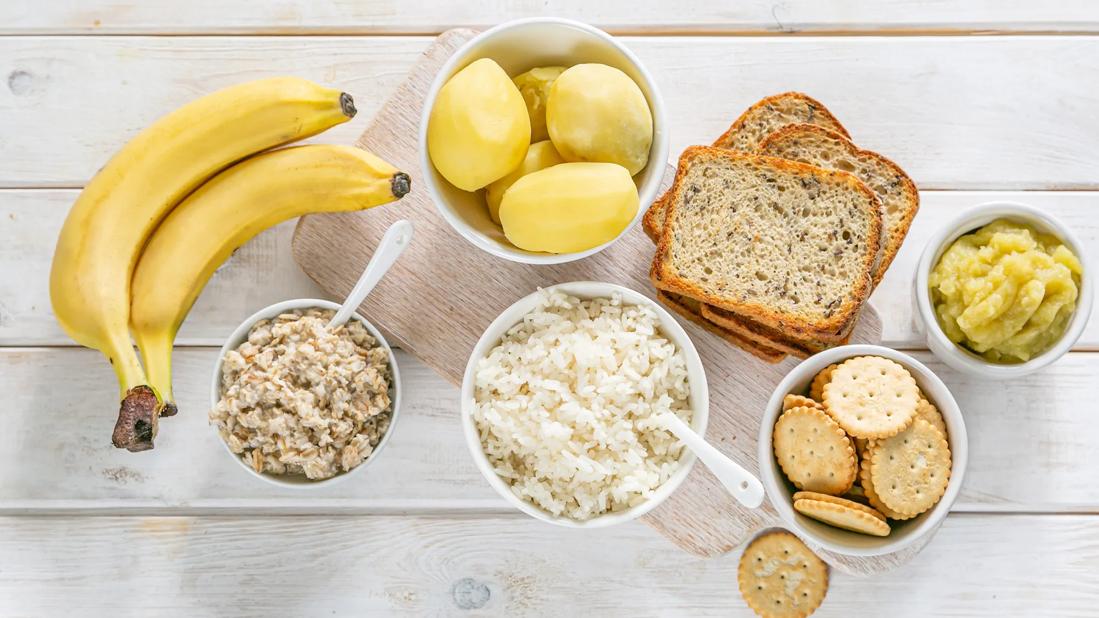
When your stomach starts acting like it has filed a formal complaint against your life choices, the BRAT diet often enters the conversation. No, it is not a diet for badly behaved children, and no, it has nothing to do with trendy green album covers. The BRAT diet is a short-term, bland-food eating plan built around four simple foods: bananas, rice, applesauce, and toast.
For decades, people have turned to the BRAT diet for diarrhea, nausea, vomiting, and general stomach upset. The idea is simple: give your digestive system foods that are easy to tolerate while it recovers. These foods are low in fiber, mild in flavor, and unlikely to throw a wild party in your intestines.
However, modern medical advice has become more balanced. The BRAT diet may help for a short period, but it is not nutritionally complete. It does not provide enough protein, healthy fat, vitamins, or minerals to support long-term recovery. Think of it as a quiet waiting room for your stomach, not a permanent address.
What Is the BRAT Diet?
The BRAT diet is a temporary eating approach that includes:
- Bananas
- Rice
- Applesauce
- Toast
These foods are bland, soft, and easy to digest. They are often used during recovery from short-term digestive problems such as viral gastroenteritis, food poisoning, traveler’s diarrhea, or an upset stomach after vomiting.
The main keyword here is BRAT diet, but related terms like foods to eat with diarrhea, bland diet, upset stomach foods, and what to eat after vomiting all point to the same practical question: “What can I eat without making this worse?”
How the BRAT Diet May Help an Upset Stomach
The BRAT diet may help because it keeps meals simple. When your digestive system is irritated, complicated meals can feel like asking a tired intern to run a multinational company. Bland foods give the gut less work to do.
Bananas
Bananas are soft, gentle, and naturally rich in potassium, an important electrolyte that can be lost during diarrhea or vomiting. They also contain starches that may help firm stool. A ripe banana is usually easier to tolerate than acidic fruits like oranges or berries.
Rice
Plain white rice is low in fiber and easy to digest. During diarrhea, white rice is usually preferred over brown rice because brown rice has more fiber, which may be too much for a sensitive stomach. Add a little salt if you can tolerate it, but skip heavy sauces, butter, and spicy toppings.
Applesauce
Unsweetened applesauce gives you a mild fruit option without the rough texture of raw apples. It contains pectin, a type of soluble fiber that may help absorb excess fluid in the digestive tract. Choose plain applesauce, not the dessert-style version that tastes like apple pie moved into a sugar factory.
Toast
Plain white toast is simple, dry, and low in fiber. It can be easier to tolerate than whole-grain bread when your stomach is upset. Keep it basic: no thick butter, no jalapeño cream cheese, no heroic avocado mountain. Your stomach is not auditioning for brunch.
BRAT Diet Food List: What You Can Eat
The traditional BRAT diet includes only bananas, rice, applesauce, and toast, but many healthcare professionals now recommend a broader bland diet instead of staying strictly limited to those four foods. Once you can tolerate the basics, you may slowly add other gentle foods.
Classic BRAT Foods
- Ripe bananas
- Plain white rice
- Unsweetened applesauce
- Plain white toast
Other Bland Foods That May Be Gentle
- Plain crackers or saltines
- Boiled or baked potatoes without skin
- Plain noodles
- Oatmeal or cream of wheat
- Clear broth
- Plain chicken, turkey, or eggs when appetite returns
- Low-fat yogurt with live cultures, if dairy is tolerated
- Gelatin or ice pops for light calories and fluid
The key is to choose foods that are low in fat, not spicy, not greasy, and not loaded with added sugar. Small portions are your friend. A tiny bowl of rice may go down better than a dinner plate that looks like it was prepared for a competitive eater.
What To Drink on the BRAT Diet
Hydration matters more than the food list. Diarrhea and vomiting can cause the body to lose water and electrolytes. If you only remember one thing, remember this: fluids come first.
Good options may include:
- Water
- Oral rehydration solution
- Clear broth
- Weak decaffeinated tea
- Ice chips or popsicles
- Diluted electrolyte drinks when appropriate
Take small sips often, especially after vomiting. Chugging a large glass can backfire spectacularly. Your stomach may accept a teaspoon or tablespoon at a time before it is ready for normal drinking.
Foods To Avoid When Your Stomach Is Upset
Some foods can make diarrhea, nausea, or cramping worse. During the first day or two of recovery, it is wise to avoid anything that is hard to digest or likely to irritate the gut.
Foods and Drinks To Pause Temporarily
- Fried foods
- Greasy fast food
- Spicy meals
- Alcohol
- Caffeinated drinks
- Whole milk, ice cream, and rich dairy if they worsen symptoms
- Raw vegetables
- Beans and gas-producing foods
- High-fiber cereals
- Very sugary drinks, candy, and desserts
- Sugar-free foods with sugar alcohols such as sorbitol or xylitol
- Acidic foods such as citrus fruits if they irritate your stomach
This does not mean these foods are “bad.” It means they may not be ideal when your digestive tract is already waving a tiny white flag.
How Long Should You Follow the BRAT Diet?
The BRAT diet should usually be used only for a short time, often about 24 to 48 hours for adults who can stay hydrated and are improving. It is too restrictive for longer use because it lacks enough protein, fat, calcium, and overall calories.
As symptoms improve, gradually return to a more normal diet. Start with small, bland meals, then add lean protein, cooked vegetables, soups, and other familiar foods. Your goal is not to win a lifetime achievement award in toast consumption. Your goal is to recover.
Is the BRAT Diet Safe for Children?
Parents often hear about the BRAT diet when a child has diarrhea or vomiting. However, strict BRAT-only eating is no longer widely recommended for children because it does not provide enough nutrition for recovery. Many pediatric guidelines encourage children to return to an age-appropriate normal diet as soon as they can tolerate food, while continuing fluids.
For infants, breast milk or formula should usually continue unless a healthcare professional gives different instructions. For children with diarrhea, oral rehydration solution may be recommended, especially if there is concern about dehydration.
Call a healthcare provider for children if symptoms are severe, if diarrhea lasts more than a couple of days, if vomiting prevents fluids from staying down, or if signs of dehydration appear. Warning signs may include very little urination, dry mouth, unusual sleepiness, no tears when crying, sunken eyes, or dizziness.
When To See a Doctor
Most mild stomach bugs improve with rest, fluids, and gentle foods. Still, some symptoms deserve medical attention. Do not ignore red flags just because you have a heroic relationship with bananas.
Seek medical advice if you have:
- Diarrhea lasting more than two or three days
- Signs of dehydration
- Blood in stool or black stool
- Severe abdominal pain
- High fever
- Repeated vomiting that prevents hydration
- Diarrhea after recent travel, antibiotics, or possible food poisoning
- Symptoms in a baby, older adult, pregnant person, or someone with a weakened immune system
Also, if diarrhea is chronic or keeps coming back, do not keep cycling through toast and hope as a medical strategy. Ongoing digestive symptoms can be related to infections, food intolerances, irritable bowel syndrome, inflammatory bowel disease, medication side effects, or other conditions that deserve proper evaluation.
BRAT Diet vs. Bland Diet: What Is the Difference?
The BRAT diet is a narrow version of a bland diet. A bland diet includes more options, such as crackers, potatoes, oatmeal, broth, noodles, eggs, lean poultry, and well-cooked vegetables. This makes a bland diet more flexible and nutritionally useful during recovery.
For many adults, the smartest approach is not a strict BRAT diet but a “BRAT-plus” plan: start with bananas, rice, applesauce, and toast if that is all you can handle, then add other mild foods as soon as your appetite and symptoms allow.
Sample One-Day BRAT Diet Recovery Plan
This sample plan is not a prescription. It is simply an example of how someone might ease back into eating after a mild stomach bug.
Morning
Start with small sips of water or oral rehydration solution. If tolerated, try half a banana or a few bites of dry toast.
Midday
Try a small bowl of plain white rice with a little salt. Add clear broth if you want something warm and soothing.
Afternoon
Have unsweetened applesauce or plain crackers. Keep sipping fluids.
Evening
If symptoms are improving, try plain noodles, a baked potato without skin, or a small portion of plain chicken. If your stomach protests, return to fluids and smaller bites.
Practical Tips for Using the BRAT Diet Wisely
- Start slowly: Small bites are easier than full meals.
- Hydrate first: Food matters, but fluid replacement matters more.
- Choose plain foods: Skip heavy sauces, butter, spice, and grease.
- Do not stay restricted too long: Add protein and other foods as soon as tolerated.
- Listen to your body: If a food worsens symptoms, pause and try again later.
- Use common sense: If symptoms are severe, get medical advice.
Common Mistakes People Make With the BRAT Diet
Mistake 1: Treating BRAT Like a Complete Diet
The BRAT diet is not balanced. It is low in protein and fat, and it does not provide enough nutrients for more than brief use. It can be helpful as a stepping stone, but not as a full recovery plan.
Mistake 2: Forgetting Electrolytes
Water is important, but diarrhea and vomiting can also reduce sodium and potassium. Oral rehydration solution can be useful because it is designed to replace fluids and electrolytes more effectively than plain water alone.
Mistake 3: Eating Too Much Too Soon
Feeling hungry again is a good sign, but it does not mean your digestive system is ready for pizza, hot wings, and a milkshake. Reintroduce foods gradually. Your stomach has been through enough drama.
Mistake 4: Ignoring Symptoms That Need Care
If you see blood, have severe pain, cannot keep fluids down, or feel dehydrated, do not rely on home diet changes alone. Food choices can support recovery, but they cannot replace medical care when something serious is happening.
My Real-World Experience With the BRAT Diet
The BRAT diet is one of those health tips that sounds almost too simple to be useful. Four foods? That is it? It feels like the digestive version of putting your phone in rice after it gets wet. But in real life, simplicity is exactly why people remember it when their stomach suddenly turns into a haunted washing machine.
In everyday experience, the BRAT diet works best as a short “reset menu.” Imagine someone wakes up after a night of vomiting or repeated bathroom trips. A normal breakfast of coffee, eggs, fruit, and toast with butter might sound impossible. Even the smell of food may feel personally offensive. In that moment, a few bites of banana or plain toast can feel more realistic than a full meal.
One practical lesson is that texture matters. Soft bananas are easier to manage than crunchy cereal. Applesauce feels less demanding than raw fruit. Rice is plain enough that it does not compete with nausea. Toast is dry and predictable, which is strangely comforting when your stomach has become unpredictable. During digestive recovery, “boring” is not an insult. Boring is the goal. Boring is the hero wearing beige sweatpants.
Another useful experience is learning not to rush. Many people start feeling better for an hour and immediately celebrate with greasy food. This is where the plot twist happens. The stomach, still irritated, responds like, “Absolutely not.” A better approach is to move in stages: fluids first, then tiny bites, then bland meals, then normal foods. It may feel slow, but it often prevents symptoms from bouncing back.
Hydration is the part people underestimate most. When you are sick, eating feels like the main event, but drinking is often more important. Small sips of water, broth, or oral rehydration solution can make a major difference. If nausea is present, sipping slowly every few minutes may work better than drinking a full glass. This is not glamorous advice, but neither is dehydration.
The BRAT diet also teaches a helpful long-term habit: pay attention to your personal triggers. Some people tolerate yogurt after a stomach bug; others do not. Some can handle oatmeal early; others need another day. Some recover quickly; others need medical advice. Bodies are not copy-paste documents. A food journal can help if diarrhea happens often or seems connected to certain meals.
In a household setting, the BRAT diet can be especially useful because the foods are cheap, familiar, and easy to find. Bananas, rice, applesauce, and bread are not exotic ingredients that require a scavenger hunt through a luxury grocery store. They are ordinary pantry foods that can help bridge the gap between “I cannot eat anything” and “I am ready for real food again.”
The biggest takeaway from experience is balance. The BRAT diet can be helpful, but it should not be treated like magic. It does not cure infections, stop all diarrhea instantly, or replace medical care. It simply offers gentle foods during a short recovery window. Used wisely, it can be a calm little life raft for your digestive system. Used too long, it becomes a nutritionally lonely island.
Conclusion: Should You Try the BRAT Diet?
The BRAT diet can be useful for short-term stomach upset, especially when diarrhea, nausea, or vomiting makes regular meals difficult. Bananas, rice, applesauce, and toast are bland, easy to digest, and gentle enough for many irritated stomachs.
Still, the BRAT diet is best used briefly. It is not complete nutrition, and it is not the best long-term plan for adults or children. Hydration should be the top priority, and a broader bland diet is often more practical once symptoms begin to improve.
Use the BRAT diet as a temporary tool, not a lifestyle brand. Start small, drink fluids, add gentle foods gradually, and seek medical care when symptoms are severe, unusual, or persistent. Your stomach may be dramatic, but with the right approach, it usually does not get the final word.
Note: This article is for general educational purposes only and should not replace medical advice from a qualified healthcare professional.












