
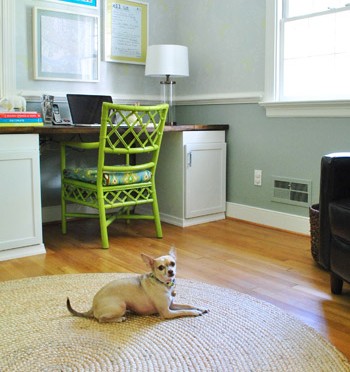
Buying rugs for our house sounded simple at first. You know, the kind of task that seems delightfully adult and mildly glamorous. We imagined sipping coffee, pointing at beautiful patterns, and saying things like, “This one feels very collected.” Then reality arrived wearing muddy shoes. Suddenly we were asking high-stakes questions: How big should the living room rug be? Will this one survive kids, pets, snack crumbs, and the occasional mystery stain? Why does one rug cost the same as a weekend getaway?
That is the funny thing about rug shopping. It looks like a style decision, but it is really a style and math and lifestyle decision. A rug can make a room feel grounded, cozy, and polished. The wrong rug can make the room look awkward, undersized, slippery, or like you panic-bought it during a midnight sale. The good news is that buying rugs does not have to feel like solving a design riddle in the dark.
This guide walks through how to choose rugs for your home without losing your patience, your budget, or your sense of humor. From sizing and materials to room-by-room strategy and real-life shopping lessons, here is how to buy rugs for a house in a way that actually works.
Why Rugs Matter More Than We Think
Rugs do a lot of heavy lifting. Yes, they make a room prettier. But they also define zones, soften hard floors, absorb sound, add warmth, and help furniture look like it belongs together instead of attending separate events in the same room. In open-concept homes, rugs are practically part-time architects. They quietly tell the eye, “This is the living area,” or, “This tiny corner is now a reading nook because we believe in possibilities.”
That is why buying rugs for our house became less about finding random pretty pieces and more about creating flow. We did not want every room to feel identical, but we also did not want our floors to look like a chaotic fabric festival. The goal was balance: each rug needed to suit the room, support the way we live, and still feel connected to the rest of the house.
Step One: Measure First, Fall in Love Second
If there is one golden rule in rug shopping, it is this: measure before you browse too seriously. Small rugs are one of the most common decorating mistakes because they make rooms feel disconnected and undersized. A rug should relate to the furniture layout, not just float in the middle of the room like it missed the meeting.
Living Room Rug Size
In the living room, a rug should usually sit under at least the front legs of the main furniture. In a larger room, all the furniture legs can sit on the rug. The point is to make the seating area feel anchored. If the rug is too tiny, the sofa and chairs can look like they are circling it suspiciously instead of gathering around it.
A common approach is to use an 8×10 or 9×12 rug for a standard living room, but the best size depends on your exact layout. Painter’s tape on the floor is a wonderfully low-tech, high-reward trick. Tape out the rug dimensions before you buy, and suddenly your future regrets become much easier to avoid.
Dining Room Rug Size
Dining rooms come with their own trap: chairs. A dining room rug needs to be large enough that chairs stay on the rug even when pulled out. If not, every meal becomes a chorus of scraping, snagging, and low-level annoyance. Add enough extra space around the table so dinner guests can move chairs back without ending up half on, half off the rug like they are trying to parallel park.
Bedroom Rug Size
Bedroom rugs should feel generous. Nobody dreams of waking up and planting their feet onto a cold strip of floor because the rug stopped three inches too soon. For many bedrooms, a rug placed under the lower two-thirds of the bed works beautifully, with enough rug showing on both sides and at the foot. Runners can also work well beside the bed if a large rug is not practical.
Entryway, Hallway, and Kitchen Rugs
These spaces are less about drama and more about function. Runners should fit the path of travel while leaving some floor visible around the edges. In kitchens, rugs should not block doors, curl at the corners, or create a tripping hazard near busy work zones. A runner near an island or a smaller rug near the sink often makes the most sense.
Step Two: Choose the Right Material for Real Life
Material matters as much as size, maybe more. The prettiest rug on the planet becomes far less charming when it sheds like a golden retriever, stains instantly, or refuses to survive your household’s daily chaos.
Wool Rugs
Wool is often considered the classic all-around winner. It is durable, comfortable underfoot, naturally resilient, and often a smart choice for living rooms, bedrooms, and other frequently used spaces. If you want a rug that feels substantial and timeless, wool is hard to beat. It is the overachiever of the rug world.
Cotton Rugs
Cotton rugs are usually lighter, more casual, and often easier on the budget. They work well in relaxed spaces and can be a good option if you like washable or easy-to-move pieces. The downside is that they may not feel as plush or long-lasting as heavier materials.
Jute, Sisal, and Other Natural Fibers
Natural fiber rugs bring texture and a laid-back look that designers love. They are great if you want warmth without visual heaviness. They also play nicely with many styles, from coastal to farmhouse to modern organic. That said, they can feel rougher underfoot and may not be ideal in places where spills happen often or where you want something soft enough for lounging.
Synthetic Rugs
Polypropylene, polyester, nylon, and other synthetic materials are practical champions in busy homes. They tend to be easier to clean, more affordable, and well suited to high-traffic spaces, kids’ rooms, entryways, or homes with pets. If your household treats rugs like background actors in a food-based action movie, synthetic options deserve serious consideration.
Washable Rugs
Washable rugs are especially appealing for kitchens, mudrooms, entryways, playrooms, and homes where accidents are less “rare events” and more “part of the family culture.” They are not always as plush or substantial as traditional rugs, but they make up for it in convenience. Being able to clean a rug without staging a full emotional breakdown is a real luxury.
Step Three: Think About Pile Height, Texture, and Comfort
Not all rugs feel the same, and that Height, Texture, and Comfort
Not all rugs feel the same, and that matters. High-pile or plush rugs can feel cozy in bedrooms and low-traffic sitting areas, but they are not always ideal under dining tables or in hallways where chairs need to move and doors need to swing. Low-pile and flatweave rugs are easier to clean and generally more practical in busy areas.
If the room gets a lot of foot traffic, go lower and sturdier. If the room is a comfort-first zone, softness can take the lead. This is the kind of decision that separates “That rug looks nice” from “That rug works beautifully in real life.”
Step Four: Match the Rug to the Room, Not Just the Mood
It is easy to choose a rug based on color or pattern alone. We have all done it. We have all stared at a gorgeous rug online and briefly convinced ourselves it would somehow fit every room, every season, and every future version of our personality. But a better strategy is to ask what the room needs first.
For the Living Room
Look for a rug that anchors the seating, adds warmth, and supports the room’s color palette. If your furniture is neutral, a patterned rug can add personality. If your sofa is bold, a quieter rug may restore peace and order.
For the Dining Room
Favor durability and easy cleaning. A low-pile rug with a subtle pattern is often smarter than something fluffy or delicate. Dining chairs and shag rugs are not natural friends.
For the Bedroom
Prioritize softness and comfort. This is where stepping out of bed should feel pleasant, not like a character-building exercise. Wool blends, soft synthetics, or plush low-shed rugs can all work well here.
For the Entryway
Think hardworking and forgiving. Dirt, moisture, and heavy traffic are guaranteed. Choose a rug that can hide wear, handle cleaning, and stay in place.
For the Kitchen
Flatweave, low-pile, or washable rugs usually make the most sense. The kitchen is where beauty and practicality need to get married and file taxes together.
Step Five: Do Not Skip the Rug Pad
A rug pad is one of those household purchases that sounds boring until you realize it solves several problems at once. It helps keep the rug from sliding, adds cushioning, protects the floor, and can even help the rug wear more evenly over time. Translation: it is not glamorous, but it is doing important work behind the scenes.
Think of the rug pad as the supportive friend who never asks for attention. You may not post about it, but you are glad it showed up.
Step Six: Budget Smart Instead of Cheap
Buying rugs for our house forced us to make peace with a very annoying truth: cheap and affordable are not the same thing. A bargain rug that curls, sheds, stains, and falls apart quickly is not actually a deal. At the same time, not every room needs an heirloom-quality masterpiece.
A smart approach is to spend more where the rug gets the most attention or use, such as the living room, family room, or primary bedroom. Save on lower-stakes zones like laundry rooms, guest rooms, or temporary spaces. This keeps the budget grounded while still giving your main rooms the quality they deserve.
Buying Rugs Online vs. In Store
Online rug shopping is convenient, fast, and full of dangerous optimism. The photos are gorgeous. The styling is persuasive. The reviews are either “Best purchase of my life” or “This rug arrived looking like a sad tortilla.” So if you buy online, read the details carefully. Check material, pile height, backing, cleaning instructions, and real customer photos. Those photos are often where the truth lives.
In-store shopping lets you see color and texture in person, which is useful if you are picky about tone or softness. Ideally, combine both methods: research online, compare dimensions, then visit stores when possible to get a better sense of feel and construction.
Common Rug Mistakes to Avoid
- Buying a rug that is too small for the furniture layout.
- Choosing a delicate material for a high-traffic room.
- Ignoring cleaning needs and care instructions.
- Skipping the rug pad.
- Forgetting to measure doors, clearances, and dining chairs.
- Picking a rug that clashes with the home’s overall flow.
- Assuming the prettiest option is automatically the smartest one.
What We Learned From Buying Rugs For Our House
We learned that the best rug is not always the one that gets the loudest reaction online. It is the one that fits the room, survives your lifestyle, and still looks good after daily life gets its hands on it. We learned that bigger is often better, that washable options can save your sanity, and that texture matters just as much as pattern.
Most of all, we learned that rugs should support the way you actually live, not the fantasy version of your home where nobody spills coffee, the dog never runs inside at top speed, and guests always remove their shoes without being asked. Buy for your real house. That is the house that needs the rug.
When you choose carefully, rugs do more than decorate. They make rooms feel intentional, comfortable, and complete. And in a home that is busy, imperfect, and wonderfully lived in, that kind of quiet improvement is worth every measured inch.
Personal Experience: What Buying Rugs For Our House Was Really Like
By the time we reached the final stage of buying rugs for our house, we had gone through several emotional chapters. There was the excitement phase, where every rug looked charming and every room felt like a design opportunity. Then came the confusion phase, where we discovered that “ivory” can mean six different colors and that two rugs with the same listed dimensions can somehow look wildly different in real life. Then came the realism phase, where we admitted that our home needed rugs that could survive actual living, not just sit there looking photogenic.
One of the first lessons we learned was that scale changes everything. A rug that looked huge on a website could feel surprisingly skimpy once placed under a sofa. In one room, we nearly bought a smaller option to save money, but after outlining the size on the floor with tape, it was obvious the rug would have looked like a decorative postage stamp. Going larger felt like a splurge in the moment, yet once the rug was down, the room instantly looked calmer, fuller, and more finished. It was one of those rare home purchases that made us say, “Oh. That was actually the correct decision.”
We also learned not to underestimate material. We loved the look of textured natural fiber rugs, and in the right room they were beautiful. But in areas where we wanted softness, they simply did not give us that cozy feeling. On the other hand, a plush option we liked for the dining room quickly revealed itself as completely impractical once we imagined sliding chairs across it every day. That moment saved us from making a very pretty mistake.
Color was another adventure. Neutral rugs seemed safe, but not all neutrals behave politely. Some leaned too yellow, some too gray, and some somehow managed to clash with everything while pretending to be beige. We found that bringing home samples, checking them in daylight and evening light, and comparing them against furniture finishes made a huge difference. Lighting does not just change paint colors. It absolutely plays tricks on rugs too.
Perhaps the biggest surprise was how much confidence came from focusing on function first. Once we asked practical questionsWho walks here? Will food be nearby? Do we need softness, durability, washability, or all three?the choices became easier. Instead of being distracted by every beautiful option, we could narrow the field quickly. That made shopping less overwhelming and a lot more efficient.
In the end, buying rugs for our house was not just about filling empty floor space. It was about learning how each room works and what each space needs from us. Some rugs became quiet background pieces that tied the room together. Others became focal points that gave a room personality. A few taught us expensive lessons about impulse shopping. Overall, though, the process made the house feel more like home. Warmer. Softer. More intentional. And honestly, that is exactly what we wanted all along.
Conclusion
Buying rugs for a house is part style project, part practical planning, and part test of whether you can make responsible decisions while staring at hundreds of attractive rectangles. The trick is to start with measurements, choose materials that match real life, and think about what each room truly needs. Do that, and you will end up with rugs that do more than fill space. They will add comfort, define your rooms, protect your floors, and make the whole house feel more thoughtfully put together.
So yes, buy the pretty rug. Just make sure it is the right size, the right material, and ready for your wonderfully imperfect household. Beauty is great. Beauty that can survive daily life is even better.














