A campaign chair and ottoman is what happens when furniture decides it wants a passport. It is relaxed, practical, handsome, and just a little bit adventurous, like a lounge chair that has read a few travel journals and still knows how to behave in a living room. With its wood frame, leather straps, canvas or hide sling seat, and matching footrest, this classic pairing blends military utility, safari romance, and modern comfort without looking like it is trying too hard.
Today, the campaign chair and ottoman is no longer reserved for officers, explorers, or people with suspiciously well-packed trunks. It has become a stylish choice for reading corners, home offices, sunrooms, cabins, libraries, and layered living spaces. The appeal is easy to understand: it looks light but substantial, casual but refined, vintage but still surprisingly current. In other words, it has range.
This guide explores the history, materials, styling ideas, buying tips, and real-life experience of living with a campaign chair and ottoman. Consider it your friendly field manual, minus the mosquito netting.
What Is a Campaign Chair and Ottoman?
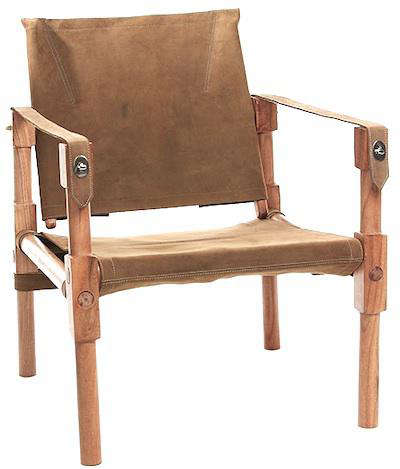
A campaign chair is a portable lounge chair inspired by historic campaign furniture, a category of furniture designed to be packed, transported, assembled, and used during travel or military campaigns. Unlike a bulky club chair, a campaign chair typically has a visible frame, sling-style seating, removable components, and a relaxed low profile. The ottoman, or footstool, completes the lounging setup by supporting the legs and visually balancing the chair.
The most recognizable versions feature hardwood frames, leather arm straps, canvas seats, buckled details, brass accents, and simple joinery. Some models are collapsible or tool-free to assemble. Others are modern interpretations that keep the adventurous silhouette but are built for permanent indoor use. Either way, the design language says, “I am comfortable,” while the structure says, “I could technically be packed for a journey, but please do not make me ride in the trunk.”
The History Behind Campaign Furniture
From Military Camps to Modern Living Rooms
Campaign furniture has roots in travel, empire, trade, and military life. In the 18th and 19th centuries, portable furniture was used by officers and travelers who needed practical pieces that could survive long journeys. Chests, folding beds, desks, tables, stools, and chairs were designed to be broken down, packed into cases, or moved with relative ease.
These pieces were not always humble. Many were made from quality woods, fitted with brass corners, and carefully crafted by cabinetmakers. They had to be useful, yes, but they also carried status. A well-equipped officer could bring a small version of home into unfamiliar surroundings. Apparently, even in a dusty camp, people still wanted a proper place to sit down and complain about the weather.
The Roorkhee Chair Connection
One of the most important ancestors of the modern campaign chair is the Roorkhee chair. Originally associated with British military use in India, the Roorkhee chair became known for its low seat, simple frame, leather or canvas support, and easy disassembly. It was designed more for lounging than formal dining, which explains why it still feels so natural beside a fireplace, a bookcase, or a weekend cup of coffee.
The Roorkhee chair influenced later safari chairs and mid-century lounge designs. Its genius was not decoration; it was structure. The seat and back could flex with the sitter, the frame could be taken apart, and the whole thing had a rugged elegance that still looks good more than a century later. That is a strong résumé for a chair.
Kaare Klint and the Safari Chair
The campaign chair’s design legacy also runs through Danish modernism. Kaare Klint’s Safari Chair, designed in 1933, drew inspiration from portable safari and campaign seating. Its simple ash frame, canvas or leather upholstery, visible straps, and matching footstool helped turn travel-inspired seating into a modern design classic. The Safari Chair proved that practical construction could be elegant, comfortable, and timeless.
Modern campaign chair and ottoman sets often borrow from this same vocabulary: honest materials, replaceable parts, restrained lines, and an emphasis on comfort without excessive padding. The result is furniture that looks designed, not decorated to within an inch of its life.
Why the Campaign Chair and Ottoman Still Works Today
It Adds Character Without Shouting
Some chairs enter a room like a brass band. A campaign chair enters like someone who has interesting stories but waits until dessert to tell them. Its frame, straps, and sling seat create visual detail, yet the overall shape stays airy. That makes it excellent for rooms that need personality without bulk.
In a modern apartment, it softens clean lines. In a traditional home, it adds casual confidence. In a cabin or lake house, it feels completely at ease. In a home office, it says, “Yes, this is where serious thinking happens,” even if the serious thinking is mostly about snacks.
It Offers Relaxed Comfort
A campaign chair is not usually a sink-into-a-cloud recliner. Its comfort is different: supportive, slightly reclined, and flexible. The sling seat responds to the body, while the ottoman allows your legs to stretch out. This makes the pair ideal for reading, conversation, coffee breaks, and quiet evenings.
The ottoman matters more than many people realize. Without it, a low campaign chair can feel stylish but incomplete. With it, the chair becomes a true lounge setup. Your posture relaxes, the room feels more inviting, and suddenly you understand why matching footstools exist. They are not accessories; they are enablers of civilized laziness.
It Fits Many Interior Styles
A campaign chair and ottoman can work in several design settings:
- Modern rustic: Pair a canvas campaign chair with reclaimed wood, wool rugs, and warm neutral tones.
- British colonial-inspired: Use dark wood, leather, brass accents, woven shades, and botanical prints.
- Mid-century modern: Choose clean frames, lighter wood, and minimal accessories.
- Industrial loft: Add black leather, metal lamps, concrete textures, and oversized art.
- Coastal casual: Try natural canvas, pale wood, linen curtains, and seagrass baskets.
The key is balance. Because the chair already has structure and personality, it does not need a circus of competing pieces around it. Let it breathe. Furniture, like people, performs better when it is not trapped in a crowd.
Best Materials for a Campaign Chair and Ottoman
Wood Frames
Hardwood is central to the campaign look. Traditional and vintage-inspired models may use ash, teak, oak, walnut, mahogany, rosewood, or beech. The wood choice affects both style and durability. Light ash feels Scandinavian and clean. Teak feels warm and outdoor-friendly when properly finished. Walnut creates a richer, more formal mood. Dark mahogany or rosewood leans into classic campaign style.
Look for solid construction, smooth joinery, and a stable frame. If the chair is collapsible, check how the joints connect and whether the hardware feels secure. A chair that wobbles dramatically may be historically inspired, but your lower back will not be impressed.
Canvas Upholstery
Canvas is one of the most authentic materials for campaign seating. It is casual, breathable, and visually light. Natural canvas works beautifully in bright rooms, coastal interiors, and relaxed reading corners. Heavier canvas can also be strong and practical, especially when paired with leather straps.
The main drawback is staining. If you have pets, kids, or a personal habit of eating chocolate while reading mystery novels, consider darker canvas, removable covers, or performance fabric. Natural canvas looks gorgeous, but it does not always forgive salsa.
Leather Upholstery
Leather gives a campaign chair a richer, more substantial presence. It adds weight, structure, and a sense of age as it develops patina. Brown, cognac, saddle, black, and dark chocolate leathers are common choices. Leather also pairs beautifully with brass, walnut, and dark-stained frames.
Good leather should feel supportive rather than flimsy. Over time, it may stretch slightly, so quality matters. A leather campaign chair and ottoman can become the visual anchor of a room, especially when styled with books, a floor lamp, and a side table that looks like it knows where the good coffee is kept.
Straps, Buckles, and Hardware
Straps are not just decorative. On many campaign-inspired chairs, they help support the arms, back, or seat. English bridle leather, saddle leather, brass buckles, and exposed bolts are common design details. These elements give the chair its field-ready personality.
When buying, inspect the hardware and attachment points. The best pieces make these details feel intentional and durable, not like costume jewelry glued onto furniture. A campaign chair should look ruggedly elegant, not like it is wearing a Halloween outfit called “Explorer Chic.”
How to Choose the Right Campaign Chair and Ottoman
Measure Before You Fall in Love
Campaign chairs often sit lower and deeper than standard accent chairs. Before buying, measure the chair width, depth, seat height, and the full footprint with the ottoman included. In a small room, the ottoman can make the setup feel longer than expected. Leave enough space to walk around it comfortably.
A good rule is to place the chair and ottoman where they create a natural destination: beside a window, near a bookcase, across from a sofa, or in a quiet corner. Avoid placing the ottoman in a high-traffic path unless you enjoy surprise shin injuries.
Think About Seat Height
Many campaign chairs are low-slung, which is part of their charm. However, very low chairs may not suit everyone. If the chair is for daily use, make sure it is easy to sit down in and stand up from. A beautiful chair that requires a small rescue mission every time you rise is not ideal.
Match the Ottoman Proportion
The ottoman should feel like a natural partner, not a random stool that wandered in from another room. Ideally, the height should align comfortably with the chair seat. The frame, material, or upholstery should also relate to the chair. Matching sets are the safest choice, but complementary pieces can work if they share color, texture, or scale.
Check Replaceable Parts
One advantage of many campaign-style chairs is that parts may be replaceable: canvas covers, leather straps, cushions, bolts, or back supports. This is useful because sling seating wears differently from fully upholstered furniture. Replaceable parts can extend the life of the chair and make restoration easier.
Styling a Campaign Chair and Ottoman at Home
Create a Reading Corner
The classic setup is simple: campaign chair, ottoman, small side table, reading lamp, and a stack of books. Add a wool throw or linen pillow for softness. This arrangement turns even an unused corner into a destination. Suddenly, the corner has purpose. The dust bunnies will have to relocate.
Use It as a Living Room Accent
In a living room, a campaign chair and ottoman can break up the heaviness of sofas and upholstered armchairs. Its exposed frame adds air and texture. Place it at an angle to encourage conversation. Add a slim side table so the person sitting there has somewhere to place a drink, glasses, or a phone they promise not to check every three minutes.
Pair It With Natural Textures
Campaign seating loves texture. Try jute rugs, woven baskets, cane cabinets, linen curtains, ceramic lamps, leather boxes, or vintage trunks. These materials reinforce the travel-inspired mood without turning the room into a theme restaurant called “The Colonial Compass.” Keep it subtle.
Let the Chair Age Gracefully
Part of the charm of a campaign chair and ottoman is patina. Canvas softens. Leather darkens. Wood gains small marks. If you prefer furniture that looks untouched forever, choose performance materials and protective finishes. If you enjoy character, let the chair develop a story. Just try not to make the story involve spilled red wine in chapter one.
Campaign Chair and Ottoman vs. Other Lounge Chairs
Compared with a traditional recliner, a campaign chair is lighter, more sculptural, and less bulky. Compared with a club chair, it feels more casual and architectural. Compared with an Eames-style lounge chair and ottoman, it is usually more rustic, portable-looking, and relaxed. Compared with a director’s chair, it is more comfortable for extended lounging.
The campaign chair and ottoman is best for people who want comfort with visual structure. It is not the softest seat in the universe, but it is one of the most stylish ways to put your feet up while pretending you are reading something intellectual.
Care and Maintenance Tips
For Canvas
Vacuum canvas regularly with a soft brush attachment. Spot-clean stains quickly with mild soap and water, following the manufacturer’s instructions. Avoid soaking the fabric, and let it dry fully before use. If covers are removable, professional cleaning may be an option.
For Leather
Dust leather with a soft cloth and condition it occasionally with a product suitable for the specific leather type. Keep it away from direct heat and harsh sunlight, which can dry or fade the material. Leather likes attention, but not drama.
For Wood
Wipe the frame with a dry or slightly damp cloth. Use wood-safe cleaners and avoid harsh chemicals. Check bolts, straps, and joints periodically, especially if the chair is collapsible or frequently moved. A little maintenance helps preserve both comfort and safety.
Buying Vintage vs. New
Vintage Campaign Chairs
Vintage pieces offer authenticity, patina, and collector appeal. They may feature older hardwoods, hand-finished details, and a history that new furniture cannot duplicate. However, vintage seating should be inspected carefully. Canvas may be weak, leather may be cracked, and joints may need repair. Some older chairs are better as decorative pieces than daily loungers.
New Campaign Chair and Ottoman Sets
New versions are easier to evaluate for comfort, warranty, and customization. Many modern makers offer different woods, leathers, fabrics, and finishes. Some designs stay close to historic forms, while others reinterpret campaign style for contemporary homes. If you plan to use the chair every day, new construction may be the smarter choice.
Experience Notes: Living With a Campaign Chair and Ottoman
Living with a campaign chair and ottoman is a little different from owning a typical upholstered lounge chair. The first thing you notice is how much visual space it saves. Because the frame is open and the seat is suspended, the chair does not block light the way a heavy armchair can. In a smaller room, that makes a real difference. The chair has presence, but it does not sit there like a furniture boulder.
The second thing you notice is the lounging angle. A campaign chair encourages you to slow down. It is not usually the chair you choose for typing at a laptop or sitting perfectly upright during a serious meeting. It is the chair you choose when the day is done, the lamp is on, and your book has reached the part where you keep saying, “Just one more chapter.” The ottoman completes that ritual. Without it, the chair is attractive. With it, the chair becomes a personal retreat.
In daily use, the best location is often near natural light. A campaign chair beside a window feels almost unfairly charming. Add a plant, a small table, and a textured rug, and suddenly the space looks designed even if the rest of the room still contains a laundry basket with unresolved ambitions. The chair also works well in a home office because it gives guests or family members a relaxed place to sit without turning the office into a second living room.
Comfort depends heavily on material. Canvas feels cooler and more casual, which is great in warm climates or bright rooms. Leather feels richer and more supportive, especially as it breaks in. A cushion can make a big difference, particularly if the chair has a firmer sling seat. If you like to lounge for long stretches, test the back angle and seat depth before buying. Beautiful design is wonderful, but your spine still gets a vote.
The ottoman also becomes more useful than expected. It can act as a footrest, extra seat, temporary tray surface, or visual bridge between the chair and the rest of the room. In a pinch, it holds books, a folded throw, or the cat, who will immediately assume ownership because cats respect neither invoices nor interior design plans.
One practical lesson: campaign-style furniture looks best when it has breathing room. Do not cram it between oversized pieces. Give the chair space around the arms and allow the ottoman to sit naturally in front of it. The whole point is ease. When styled well, a campaign chair and ottoman gives a room that rare combination of comfort, history, and quiet confidence. It feels collected, not bought in a panic five days before guests arrived.
Final Thoughts
A campaign chair and ottoman is more than a stylish seating set. It is a compact lesson in design history, material honesty, and practical comfort. Its roots in portable campaign furniture give it character, while its modern interpretations make it easy to use in today’s homes. Whether you choose canvas and ash for a bright reading corner or leather and walnut for a richer lounge space, the pairing brings warmth, texture, and a sense of adventure.
The best version is the one that fits your room, your body, and your habits. Measure carefully, choose durable materials, and let the chair have enough space to show off its frame. Then sit down, put your feet up, and enjoy the rare furniture moment when history, comfort, and style all agree on the same plan.