
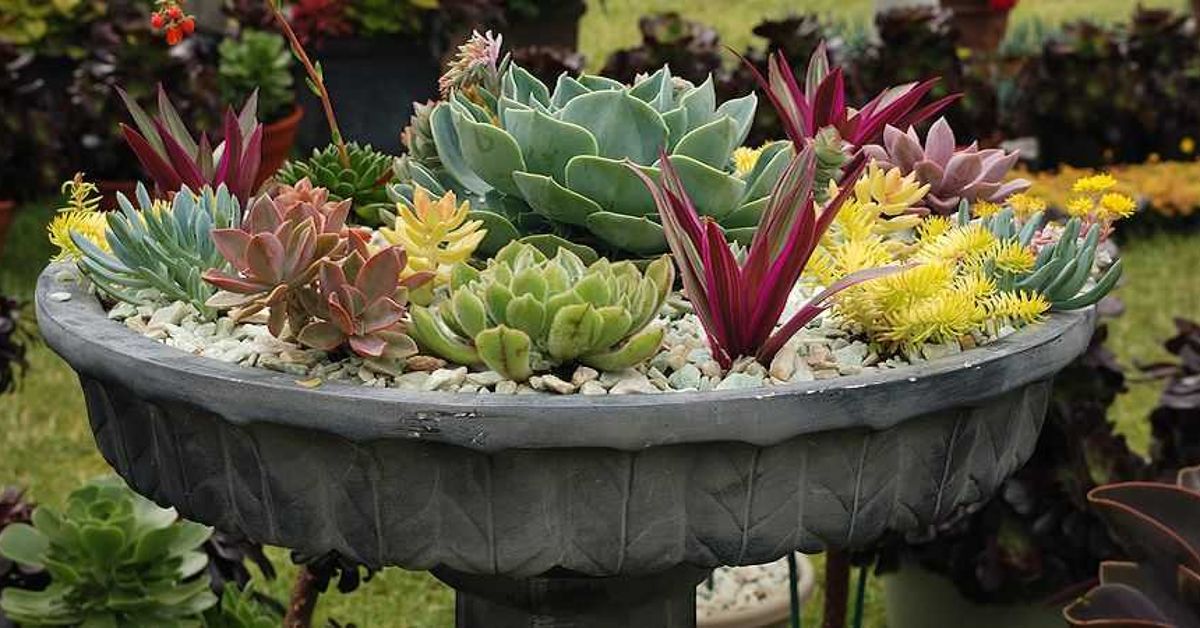
Container gardening is the delightful little loophole in home gardening: you do not need a sprawling backyard, a perfectly tilled vegetable plot, or a shed full of mysterious tools that look like medieval instruments. With the right container, potting mix, plants, and care routine, you can turn a porch, balcony, patio, windowsill, front step, or sunny driveway corner into a cheerful pocket of color and life.
The beauty of a container garden is its flexibility. Want flowers by the front door? Done. Fresh basil near the kitchen? Absolutely. A tomato plant on the balcony that makes you feel like a farmer every time you water it? Very possible. Container gardening works for renters, beginners, busy homeowners, small-space gardeners, and anyone who has ever looked at an empty pot and thought, “This could use a little drama.”
Even better, creating a beautiful container garden does not have to be complicated. The secret is not buying the most expensive planter or memorizing Latin plant names. The secret is following four practical steps: choose the right container, use the right growing mix, combine plants wisely, and care for your mini garden consistently. Simple? Yes. Boring? Not even slightly.
Why Container Gardening Is Worth Trying
A beautiful container garden can solve a surprising number of gardening problems. Poor soil? Skip it. Limited space? No problem. Want seasonal color without redesigning the entire landscape? Bring in a few pots. Containers also let you move plants to better light, protect them from harsh weather, and experiment with new combinations without committing your whole yard to one idea.
Container gardens are especially useful for patios, decks, balconies, courtyards, apartment entrances, and small urban spaces. They can add fragrance, attract pollinators, provide herbs for cooking, grow vegetables, soften hard surfaces, and make a plain corner look styled on purpose. In other words, a container garden is basically home décor with roots.
Step 1: Choose the Right Container
The first step to creating a beautiful container garden is choosing a pot that gives plants enough room, support, and drainage. Looks matter, of course. Gardening should bring joy, and if a cobalt-blue ceramic pot makes your heart sing, let it perform the solo. But the container also needs to function well.
Drainage Is Non-Negotiable
Every outdoor container should have drainage holes. Without them, water collects at the bottom of the pot, roots sit in soggy growing mix, and your plants begin a slow, dramatic decline. Root rot is not the kind of garden drama anyone wants.
If you fall in love with a decorative container that has no holes, use it as a cachepot. Place a plastic nursery pot with drainage holes inside it, then lift the inner pot out when watering or make sure water can escape freely. You can also drill holes if the material allows it. Just remember: a pretty pot without drainage is more like a plant bathtub than a healthy home.
Match Pot Size to Plant Size
Container size matters because roots need space, and soil volume affects how often you must water. Small pots dry out quickly, especially in hot, windy, or sunny locations. Larger containers hold more moisture, provide more stable root temperatures, and are generally more forgiving for beginners.
For annual flowers, medium pots often work well. For vegetables, herbs, shrubs, or mixed plantings, go larger. Tomatoes, peppers, cucumbers, eggplants, and other productive crops need deeper containers and more room than a tiny decorative pot can provide. A container that is too small can stunt growth, increase stress, and turn watering into a part-time job.
Consider Container Material
Different materials behave differently. Terra-cotta is classic and breathable, but it dries out quickly. Plastic is lightweight, affordable, and moisture-retentive. Glazed ceramic pots are colorful and sturdy, though heavier. Metal containers can look stylish but may heat up in direct sun. Wood offers a natural look and good insulation, but untreated rot-resistant wood is usually the better choice for edible plants.
Repurposed containers can be charming, too. Buckets, baskets, crates, tubs, and stock tanks can all become planters if they are safe, sturdy, and drain properly. Just avoid containers that previously held toxic chemicals. A tomato plant does not need that kind of backstory.
Step 2: Fill It With the Right Potting Mix
Once you have your container, resist the urge to scoop soil from the yard and call it a day. Garden soil is usually too heavy for containers. It can compact, drain poorly, carry weed seeds, and reduce oxygen around the roots. Container plants need a lightweight, well-draining potting mix designed to hold moisture while still allowing air and excess water to move through.
Use Potting Mix, Not Garden Soil
A good container mix often contains ingredients such as peat moss or coconut coir for moisture retention, perlite or vermiculite for aeration, bark for structure, and compost or fertilizer for nutrients. The goal is balance: the mix should stay moist but not muddy, airy but not bone-dry, supportive but not brick-like.
If you are growing vegetables or herbs, choose a high-quality potting mix labeled for containers. For ornamentals, an all-purpose container mix is usually fine. For succulents, cacti, or Mediterranean herbs that prefer sharper drainage, use a specialized mix or amend with extra drainage material as appropriate.
Do Not Add Rocks for Drainage
One old gardening tip deserves retirement: adding rocks, gravel, or broken pottery to the bottom of a container does not improve drainage. In many cases, it can actually interfere with water movement and reduce the amount of usable root space. Fill the container with potting mix instead, leaving about an inch or two of space at the top so water does not immediately spill over the rim.
Add Nutrients Wisely
Container plants depend entirely on what is in the pot. Unlike garden plants, they cannot send roots wandering off in search of nutrients. Many potting mixes contain starter fertilizer, but that supply eventually runs out. A slow-release fertilizer mixed in at planting can help, and liquid fertilizer can be used during the growing season according to the label.
The important phrase here is “according to the label.” More fertilizer does not mean more flowers; sometimes it means burned roots and a plant that looks deeply offended. Feed consistently but sensibly.
Step 3: Pick Plants That Look Good and Grow Well Together
This is where container gardening gets fun. Choosing plants is the part where you get to play designer, botanist, and slightly overexcited shopper all at once. The best container gardens combine beauty with compatibility. Plants in the same pot should have similar light, water, and growth needs.
Start With Sunlight
Before buying plants, study your space. Does it receive full sun, partial sun, morning sun, afternoon sun, or mostly shade? Full sun typically means at least six hours of direct sunlight per day. Many vegetables, flowering annuals, and herbs need full sun to perform well. Shade-loving plants, on the other hand, may wilt, scorch, or sulk in harsh afternoon light.
For sunny containers, consider petunias, calibrachoa, lantana, geraniums, marigolds, zinnias, salvia, basil, rosemary, thyme, peppers, tomatoes, and dwarf cucumbers. For shadier spots, try coleus, begonias, impatiens, ferns, caladiums, parsley, mint, chives, or lettuce in cooler seasons.
Use the Thriller, Filler, and Spiller Formula
One of the easiest ways to create a polished container garden is the classic “thriller, filler, spiller” design method. The thriller is the tall focal point, the filler adds fullness around the middle, and the spiller trails over the edge. It is simple, memorable, and much more fun than saying “vertical element, mid-level mass, and cascading habit.”
A sunny flower container might include purple fountain grass as the thriller, petunias or lantana as fillers, and sweet potato vine as the spiller. A shade container might combine a caladium or fern as the thriller, begonias or coleus as fillers, and creeping Jenny or trailing torenia as spillers. For an edible version, try a compact tomato or pepper as the thriller, basil and parsley as fillers, and trailing thyme or nasturtium as spillers.
Think About Color, Texture, and Season
A beautiful container garden does not need every color in the paint aisle. In fact, a tighter color palette often looks more intentional. Try purple, silver, and white for a cool elegant look; red, orange, and yellow for tropical energy; or pink, lavender, and blue for a cottage-garden mood.
Texture is just as important as color. Pair fine foliage with broad leaves, glossy plants with matte leaves, upright growth with trailing stems. Even when flowers pause, foliage keeps the arrangement interesting. Coleus, ornamental grasses, dusty miller, heuchera, sweet potato vine, and herbs can all add texture that carries the design.
Step 4: Water, Feed, Groom, and Enjoy
After planting, your container garden needs regular care. The good news is that container care is straightforward. The slightly inconvenient news is that pots dry out faster than garden beds, so ignoring them for a week during hot weather may lead to a botanical tragedy.
Water Deeply and Check Often
The best way to know whether a container needs water is to feel the potting mix. If the top inch feels dry, water thoroughly until water runs out of the drainage holes. This ensures the entire root ball is moist, not just the top layer.
In hot summer weather, small pots and hanging baskets may need water daily or even more than once a day. Larger containers usually need less frequent watering, but they should still be checked regularly. Morning is often a good time to water because plants can hydrate before the heat of the day.
Fertilize During the Growing Season
Because frequent watering leaches nutrients from containers, regular feeding helps plants stay vigorous. Use a balanced, all-purpose fertilizer for mixed ornamental containers, or choose a fertilizer suited to vegetables, herbs, or blooming plants if you are growing a specific crop. Follow label instructions carefully, especially with liquid feeds.
If your container plants produce lots of leaves but few flowers, too much nitrogen may be part of the problem. If leaves look pale and growth slows, the plant may need nutrients. Good gardening is part observation, part adjustment, and part politely asking your plants what they want while pretending that is normal.
Groom for a Fresh Look
To keep containers beautiful, remove spent flowers, yellow leaves, and broken stems. Pinch back leggy plants to encourage fuller growth. Harvest herbs often so they stay compact and productive. Train vines onto supports before they turn into a tangled green mystery.
For vegetable containers, harvest regularly. Picking beans, peppers, herbs, and leafy greens encourages continued production. For flowers, deadheading can keep many annuals blooming longer. A few minutes of grooming each week can make the difference between “charming cottage container” and “plant-based bird nest.”
Easy Container Garden Ideas for Beginners
If you are not sure where to start, choose a simple theme. A pollinator pot might include salvia, lantana, zinnias, and trailing verbena. A kitchen herb pot could feature basil, parsley, thyme, and chives. A salad container might include leaf lettuce, spinach, radishes, and nasturtiums. A front-door flower pot might combine a tall grass, colorful geraniums, and trailing sweet potato vine.
For a low-maintenance sunny container, try succulents in a shallow bowl with excellent drainage. For shade, combine ferns, begonias, and coleus. For fragrance, grow lavender, rosemary, scented geranium, or mint in separate pots. Mint is lovely, but it is also ambitious. Give it its own container unless you want it to run the neighborhood association.
Common Container Gardening Mistakes to Avoid
Even easy gardens can go sideways. The most common mistake is using a pot without drainage holes. The second is using garden soil instead of potting mix. The third is combining plants with different needs, such as a thirsty fern with a drought-loving succulent. That arrangement may look cute at first, but one plant will eventually file a complaint.
Another mistake is choosing containers that are too small. Tiny pots dry quickly and limit root growth. Overcrowding is also common. A full container looks beautiful on day one, but plants need room to grow. If you pack them in too tightly, airflow decreases and maintenance becomes harder.
Finally, many gardeners water too lightly. A quick splash may wet the surface while leaving roots dry. Water slowly and deeply until water drains from the bottom. Then let the mix dry slightly before watering again, depending on the plant’s needs.
Real-World Experience: What Container Gardening Teaches You
One of the best things about container gardening is how quickly it teaches practical gardening instincts. In a traditional garden bed, problems can hide for a while. In a pot, the feedback is almost immediate. Forget to water on a hot day, and your petunias will perform a fainting scene worthy of community theater. Move a shade plant into blazing afternoon sun, and the leaves will tell you exactly how they feel. Use the right potting mix, and suddenly the same plant that struggled last year looks like it hired a personal trainer.
Experience also teaches you that bigger pots are often easier than smaller ones. Beginners are sometimes drawn to tiny decorative containers because they look manageable, but small pots dry out fast and leave little room for error. A larger container filled with quality potting mix gives roots more space, holds moisture better, and creates a more stable environment. It also allows for richer plant combinations, which means more color, height, texture, and personality.
Another useful lesson is that plant labels matter. Those little tags are not just decoration or plant-store confetti. They tell you sunlight needs, mature size, spacing, and watering preferences. Reading them before planting helps avoid awkward combinations, such as pairing a sun-loving rosemary with a moisture-loving impatiens. Both are wonderful plants, but they do not want the same apartment.
Over time, you also learn to design with the future in mind. A container may look sparse on planting day, but healthy annuals can fill in quickly. Leaving a little room between plants helps airflow and gives each plant space to mature. If you want instant fullness for a party or front entry display, you can plant more densely, but expect to water and fertilize more often.
Container gardening also teaches observation. The best gardeners do not follow a rigid schedule as much as they respond to conditions. A container in full sun during a windy July week may need water every day. The same container in mild spring weather may need water only a few times a week. A plant under a roof overhang may receive less rain than you think. A dark-colored pot may heat up faster. A terra-cotta pot may dry sooner than plastic. These small details add up.
Perhaps the most encouraging experience is realizing that container gardens are forgiving. If a plant fails, you can replace it. If a combination looks chaotic, you can rearrange it next season. If the container is in too much shade, move it. If the colors clash, call it “bold” and learn from it. Gardening is not a museum exhibit; it is a living experiment with leaves.
For many people, the first successful container garden becomes a gateway garden. One pot of basil becomes three herbs. Three herbs become a tomato. The tomato invites marigolds. Suddenly the balcony has a watering can, a bag of potting mix, and a gardener who says things like, “I’m just going to check on my plants,” as if they are tiny green employees. That is the charm of container gardening: it starts small, but the satisfaction grows quickly.
Conclusion
Creating a beautiful container garden is easier than it looks when you follow four reliable steps: choose a container with good drainage, fill it with quality potting mix, select plants with matching needs, and care for them with consistent watering, feeding, and grooming. Whether you want flowers, herbs, vegetables, or a stylish mix of all three, container gardening gives you control, creativity, and color in almost any space.
You do not need a perfect yard to grow something beautiful. You need a good pot, a healthy mix, the right plants, and a willingness to notice what your garden is telling you. Start with one container by the door, on the balcony, or near the kitchen. Before long, that little pot may become your favorite corner of the homeand possibly the reason you start saying, “I have room for one more plant,” with complete confidence and very questionable accuracy.














