
Note: This article discusses allegations of childhood mistreatment involving public figures. The claims remain disputed, and the article uses careful attribution throughout.
Collin Gosselin, one of the sextuplets who grew up in front of millions on Jon & Kate Plus 8, has made serious allegations about his childhood and his relationship with his mother, Kate Gosselin. In a widely reported interview, Collin said Kate used to restrain his hands and feet and lock him in a basement room when he was a child. The allegation quickly reignited public debate about reality TV families, parental authority, child privacy, and what happens when a childhood built for television becomes an adulthood full of unanswered questions.
The story is not a simple celebrity headline. It involves family estrangement, disputed memories, mental health claims, custody battles, and the long shadow of fame. Collin has described himself as isolated from his siblings and misunderstood by the public. Kate’s side, through her attorney, has denied that she intentionally harmed her children and has pointed to past concerns about Collin’s behavior. That contrast is exactly why this topic needs more than a dramatic headline. It needs context, caution, and a big flashing sign that says: allegations are not the same as proven facts.
Who Is Collin Gosselin?
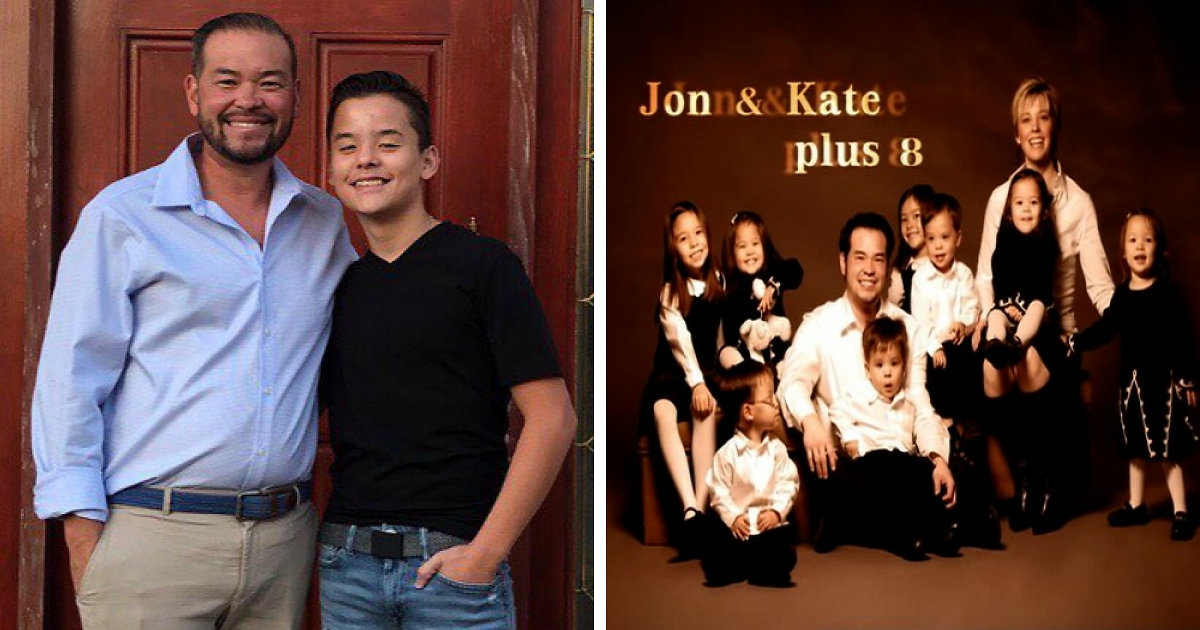
Collin Gosselin became known to the public as one of Jon and Kate Gosselin’s eight children: twins Cara and Mady, and sextuplets Alexis, Hannah, Aaden, Collin, Leah, and Joel. The family rose to national fame through Jon & Kate Plus 8, a reality series that followed the chaos, comedy, and pressure of raising eight children. Viewers watched birthday parties, vacations, discipline, tantrums, grocery trips, and family milestones. In other words, America got a front-row seat to a family’s private life, which sounds cute until the kids grow up and start asking who gave everyone the front-row tickets.
After Jon and Kate divorced in 2009, the family’s public image became more complicated. Custody disagreements, media interviews, and years of estrangement reshaped the story. Collin later lived with his father, Jon Gosselin, after spending time in a behavioral health facility as a minor. He has since spoken publicly about feeling separated from much of his family and about wanting to rebuild his life away from the image created during his childhood on television.
What Did Collin Gosselin Allege?
Collin alleged that, when he was young, Kate Gosselin restrained him and locked him in a basement room. He described being separated from his siblings and said the experience made him feel like the “scapegoat” of the family. In public interviews, he has claimed that the basement room was used as a form of containment and that he spent long periods isolated from normal family life.
Because these are serious allegations involving events from years ago, responsible reporting should not present them as confirmed facts. Collin’s account is his account. It is important, emotional, and newsworthy, but it is also part of a larger disputed family history. Kate has not publicly answered every specific detail in the way many readers might expect. Her attorney has said she did not intentionally harm Collin or any of her children, while also suggesting that past decisions were connected to family safety concerns and difficult behavior.
Kate Gosselin’s Side Of The Story
Kate Gosselin has previously described Collin as having serious behavioral and psychiatric challenges. In past public statements, she said decisions involving Collin were made for safety reasons. Her attorney later said he did not believe Kate intentionally harmed any of her children. That response does not erase Collin’s claims, but it does show why the public conversation remains contested.
This is one of the hardest parts of covering a family conflict in the public eye. One side says childhood memories were painful and damaging. Another side says the situation was more complicated and involved safety concerns. Most readers were not in the home, did not see the full private record, and cannot fairly act like a jury after reading a handful of headlines. The internet loves instant verdicts. Real life usually arrives with missing pages, smudged ink, and relatives who refuse to sit at the same Thanksgiving table.
Why The Allegations Resurfaced
Collin’s allegations gained renewed attention after interviews in which he discussed his childhood, his estrangement from Kate, and his attempt to move forward as a young adult. He has also said that his past institutionalization affected his military goals, including his time with the U.S. Marine Corps. According to Collin, records and labels from his childhood followed him into adulthood, shaping how institutions viewed him.
That detail matters because this story is not only about what may or may not have happened in a basement. It is also about how a child’s private struggles can become a permanent public file. When a family becomes famous, ordinary mistakes can become searchable forever. A school problem, a custody fight, or a mental health label may outlive the original context. For Collin, the central issue appears to be not only pain from the past, but also the feeling that the past keeps blocking his future.
The Role Of Reality TV In The Gosselin Family Story
Jon & Kate Plus 8 was part of a reality TV era that turned family life into prime-time entertainment. Viewers saw the Gosselin children when they were too young to meaningfully understand fame, contracts, online criticism, or the lifelong consequences of being recognized by strangers. At the time, the show was marketed as wholesome, busy, funny, and sometimes chaotic. Looking back, many fans now ask a sharper question: should children’s private lives have ever been packaged as entertainment in the first place?
Reality TV often sells the idea that cameras simply “capture” life. But cameras also change life. They create incentives. They reward drama. They turn family conflict into story arcs and children into characters. A toddler having a meltdown is normal. A toddler having a meltdown on national television becomes content. That distinction is easy to ignore when the ratings are good and the editing is cute.
Why Collin’s Story Hit A Nerve
Collin Gosselin’s allegations hit a nerve because they arrived during a broader cultural rethink about child fame. Audiences are now more aware of how early exposure can affect young performers, influencers, and reality TV children. The public has also become more skeptical of “perfect family” branding, especially when former child stars later describe feeling controlled, exploited, or unheard.
The Gosselin family was once presented as a symbol of super-sized parenting. Eight kids, one busy house, endless laundry, and enough snack logistics to qualify as an Olympic sport. But adult reflections from some members of the family have made the old episodes feel different to many viewers. What once looked like harmless television now raises questions about consent, pressure, privacy, and emotional safety.
Family Estrangement And Public Pain
Collin has said he remains estranged from several family members. Family estrangement is painful in private; in public, it becomes even more complicated. Every comment is analyzed. Every silence becomes suspicious. Every Instagram post becomes a clue, even when it is probably just someone eating lunch near good lighting.
When families fracture, outsiders often want a hero and a villain. But estrangement can involve years of conflict, different versions of events, legal issues, emotional wounds, and people who are still changing. Collin’s public comments suggest he wants his perspective heard. Kate’s limited responses suggest she does not want to relitigate every detail in public. Both realities can exist at the same time, even when they leave readers frustrated.
How Readers Should Understand The Claims
Readers should approach this story with empathy and caution. It is fair to take allegations seriously. It is also fair to avoid declaring disputed claims proven without a legal finding or complete record. The best approach is to recognize the gravity of what Collin has described while also acknowledging that public reporting cannot fully reconstruct a private childhood.
That does not mean shrugging and saying, “Who knows?” It means using precise language. Collin alleges. Kate’s side denies intentional harm. Jon Gosselin has supported parts of Collin’s account. Some siblings have publicly disagreed with Collin’s version of family history. These distinctions are not boring legal footnotes; they are the guardrails that keep a serious article from turning into a gossip bonfire with Wi-Fi.
The Mental Health Layer
Another sensitive part of this story involves mental health claims. Kate has previously referenced psychiatric diagnoses and concerns about Collin’s behavior. Collin has disputed how he was characterized and has suggested that those labels were used against him. This creates a difficult public conversation because mental health information is deeply personal, especially when it involves a minor.
No child should have their private medical or behavioral history turned into a public spectacle. At the same time, when adults later say that childhood labels harmed them, their perspective deserves to be heard. The larger lesson is clear: mental health language should be used carefully, privately, and compassionately. It should not become ammunition in a media fight.
What This Story Says About Childhood Fame
The Collin Gosselin and Kate Gosselin controversy is part of a much bigger issue: what happens when children become famous before they can consent to fame? Today, family vloggers, influencer parents, and reality TV producers face increasing criticism for putting children online before those children can understand the long-term consequences.
A child can enjoy filming one day and still resent the exposure years later. A parent can believe they are providing opportunities and still underestimate the emotional cost. A production company can follow legal rules and still participate in a system that blurs the line between family memory and marketable content. That is why the Gosselin story remains relevant long after the original show stopped airing.
Public Reaction: Sympathy, Skepticism, And Debate
Public reaction to Collin’s allegations has been intense. Many people have expressed sympathy for him, especially because he was a child during the period he describes. Others have urged caution, pointing out that family conflicts can be complex and that the public may never know every detail. Some longtime viewers say the allegations changed how they remember Jon & Kate Plus 8. Others see the story as part of a broader reckoning with reality television’s treatment of children.
The strongest reactions tend to come from people who remember watching Collin grow up on screen. That creates a strange emotional illusion. Viewers may feel like they “know” the Gosselins because they watched their family for years. But watching edited episodes is not the same as knowing a family. It is more like seeing a scrapbook curated by producers, advertisers, network executives, and the occasional dramatic music cue.
Experiences Related To This Topic: What Families, Viewers, And Former Child Stars Can Learn
Stories like Collin Gosselin’s often make people think about their own experiences with family conflict, childhood privacy, and the pressure to appear “fine” when things are not fine. Many people grow up in families where one child is labeled “difficult,” “dramatic,” or “the problem.” Sometimes that label follows the person for years, even after they mature, heal, or tell a different version of the story. The experience can be deeply isolating because the child may feel that everyone has already decided who they are.
In families under stress, one person can become the emotional pressure valve. Maybe parents are overwhelmed. Maybe siblings are competing for attention. Maybe money, divorce, fame, or public judgment adds fuel to the fire. When that happens, the child who speaks up, acts out, or struggles most visibly may become the symbol of everything wrong in the household. That is not fair, but it is common enough that many readers will recognize the pattern instantly.
The Gosselin story also connects to the experience of growing up watched. Most people do not have a television crew in their kitchen, but many young people now grow up online. Their baby photos, embarrassing moments, school achievements, arguments, and private milestones may be posted before they are old enough to object. A parent may think, “This is just a cute memory.” A child may later think, “Why did strangers get access to my life before I did?”
For viewers, the experience is also worth examining. Reality TV can make audiences feel invested in people they do not know. That investment can turn into support, but it can also turn into judgment. We may laugh at a family meltdown, choose sides in a divorce, or comment on a child’s personality without thinking about the fact that the child will someday grow up and read those opinions. The internet never forgets, even when everyone involved wishes it would develop a sudden case of amnesia.
For former child stars, the challenge is often reclaiming authorship. When a person’s childhood has already been narrated by parents, producers, editors, tabloids, and fans, adulthood can become an effort to say, “Here is what it felt like to me.” That does not automatically make every memory complete or every claim legally proven. But it does mean the adult child’s voice matters. Their perspective is not bonus content; it is part of the story.
Families can learn from this by protecting children’s privacy, especially during conflict. Parents can avoid using public platforms to diagnose, shame, or define a child. They can also remember that discipline, treatment, and support should never become branding tools. Children need safety, structure, and love, not a permanent public record of their hardest moments.
Readers can learn to slow down. Instead of rushing to declare a winner in a painful family dispute, we can ask better questions. How should society protect children in entertainment? How much of a child’s life should parents be allowed to monetize? What support exists when former child stars become adults with complicated feelings about fame? And how can we take allegations seriously without turning trauma into entertainment?
That may be the most useful takeaway from Collin Gosselin’s story. The headline is shocking, but the deeper issue is bigger than one family. It is about childhood dignity. It is about who controls a child’s story. It is about what happens when private pain becomes public content. And it is about remembering that behind every viral family scandal are real people who have to live with the consequences long after the audience scrolls away.
Conclusion
Collin Gosselin’s allegation that Kate Gosselin restrained him and locked him in a basement room has reopened difficult conversations about the Gosselin family, reality TV, childhood privacy, and the long-term effects of public exposure. The claims are serious, disputed, and emotionally charged. Collin has presented his account as part of a larger story of isolation and estrangement. Kate’s side has denied intentional harm and framed past decisions around safety and difficult circumstances.
The responsible way to read this story is not to turn it into another round of celebrity sport. It is to recognize the human cost behind the headline. Whether someone first knew the Gosselins from TLC, tabloid covers, social media, or recent interviews, the lesson is the same: children are not storylines. Their privacy matters. Their memories matter. And when they grow up, their right to speak about their own lives matters too.














