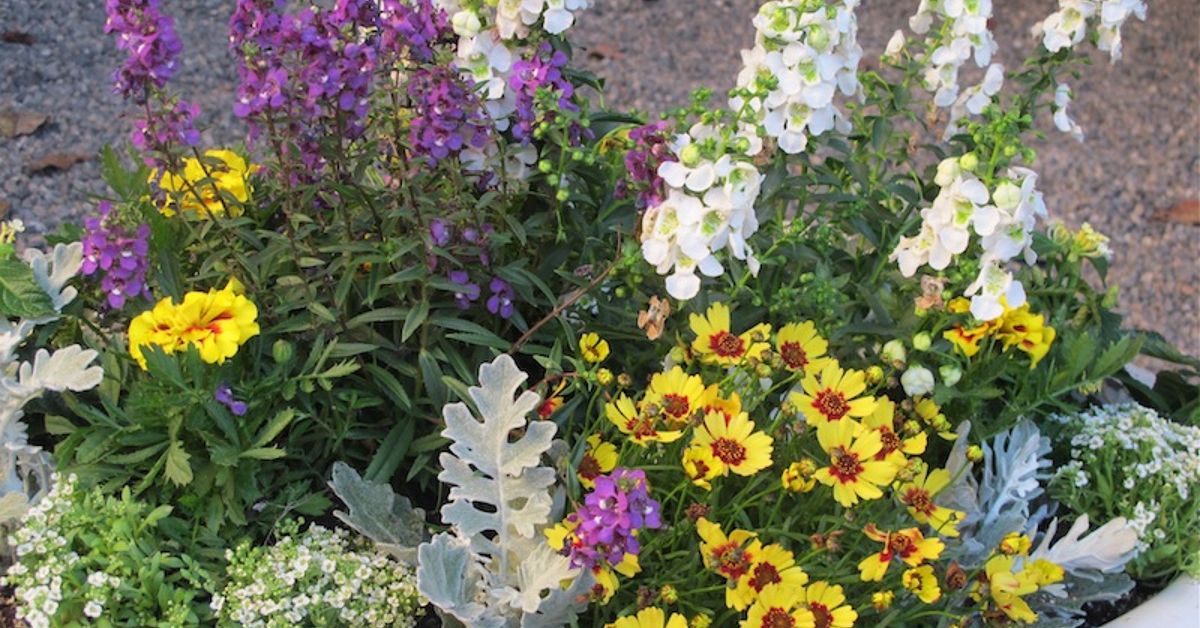
A container garden in a vintage enamelware tub is what happens when old-fashioned charm meets modern gardening practicalityand honestly, they get along beautifully. That chipped white tub with the blue rim, the one that looks like it once washed socks, potatoes, or possibly a mischievous farm dog, can become the star of a porch, patio, balcony, cottage garden, or sunny kitchen step.
The appeal is simple: enamelware tubs have character. They bring instant nostalgia, but they also offer the wide, shallow planting space that many herbs, annual flowers, succulents, and compact vegetables love. With the right drainage, potting mix, plant choices, and care routine, a vintage enamelware tub planter can be more than cute. It can be productive, healthy, and surprisingly easy to maintain.
This guide walks through how to turn an old enamel tub into a thriving container garden, including design ideas, plant combinations, practical care tips, and real-world experience from the “oops, I watered it like a houseplant and it became a swamp” school of gardening wisdom.
Why a Vintage Enamelware Tub Makes a Great Container Garden
Vintage enamelware has a special kind of visual magic. It looks clean, rustic, cozy, and slightly dramatic, as if it has survived three generations and still has opinions about your watering schedule. Unlike a standard plastic planter, an enamel tub adds a ready-made design statement before the first basil leaf appears.
From a gardening standpoint, the wide shape is useful. Many enamel tubs are broad rather than deep, which makes them excellent for plants with moderate root systems. Think lettuce, parsley, thyme, pansies, violas, nasturtiums, alyssum, sedum, calibrachoa, trailing lobelia, compact marigolds, and small ornamental grasses. The tub becomes a miniature landscape rather than a single lonely plant in a pot wondering where the party went.
These tubs also work well in small spaces. A balcony, apartment patio, back step, or narrow porch can hold a tub garden without requiring a full garden bed. If you rent your home or move often, a container garden lets you bring your green little kingdom with you. Just remember: once filled with moist potting mix, a tub can become heavy enough to make you question your life choices, so place it where you want it before planting.
Start With the Right Tub
Not every vintage tub is ready for garden glory. Before planting, inspect it carefully. Look for a solid structure, stable handles, and areas where the enamel coating has chipped. A few chips are part of the charm. Large rusted holes, sharp edges, or peeling interior surfaces need attention before plants move in.
Clean It Thoroughly
Wash the tub with warm water and mild dish soap, then rinse well. If it has been stored in a garage, shed, flea market booth, barn, or mysterious corner labeled “miscellaneous,” assume it needs a proper cleaning. Avoid using a container that previously held harsh chemicals, solvents, pesticides, automotive fluids, or unknown liquids. For edible plants, this matters even more. Herbs should taste like herbs, not like Grandpa’s 1978 paint thinner collection.
Check the Depth
A shallow tub works beautifully for annual flowers, leafy greens, herbs, and succulents. If the tub is deeper, you have more flexibility for compact peppers, dwarf tomatoes, bush beans, or small root vegetables. As a general rule, leafy greens and many herbs can manage in less depth than fruiting crops like tomatoes and peppers, which need more root room and more consistent moisture.
Decide Whether to Drill Drainage Holes
Drainage is the difference between “adorable cottage planter” and “botanical soup.” Most vintage enamelware tubs were not designed as planters, so they often lack drainage holes. If you are planting directly into the tub, drill several holes in the bottom. Use a metal drill bit, wear eye protection, and go slowly so the enamel does not chip more than necessary.
If you cannot drill the tub because it is valuable, sentimental, or too pretty to puncture, use the double-pot method. Place nursery pots with drainage holes inside the tub, then hide the gaps with moss, bark, small stones on the surface, or trailing plants. This keeps the vintage piece intact while still allowing water to drain from the actual plant containers.
The Drainage Rule: Skip the Gravel Myth
Many gardeners have heard the old advice to put gravel, broken pottery, or stones in the bottom of a container to improve drainage. It sounds logical, which is why it has survived so long. Unfortunately, in many containers, gravel does not solve drainage problems and can reduce the amount of usable root space. Your plants do not need a decorative underground rock collection. They need drainage holes and a well-structured potting mix.
For an enamelware tub, use several drainage holes and place a small piece of mesh, coffee filter, or screen over the holes if you are worried about potting mix washing out. Then elevate the tub slightly using pot feet, bricks, or small wood blocks so water can escape freely. This also helps protect porches, decks, and patio surfaces from moisture stains.
Use Potting Mix, Not Garden Soil
Garden soil belongs in the garden. In a container, it often becomes dense, compacted, and slow to drain. That means roots get less oxygen, water sits too long, and your plants start looking like they regret signing the lease.
Choose a high-quality potting mix designed for containers. Good potting mixes are lightweight, airy, and able to hold moisture without turning into a soggy brick. Many include ingredients such as peat moss, coconut coir, perlite, vermiculite, bark, or composted materials. For edible plants, choose a potting mix labeled for vegetables and herbs. For succulents, use a cactus or succulent mix, which drains faster.
Fill the tub to about one or two inches below the rim. That space matters because it gives you room to water without sending soil over the edge like a tiny mudslide. Moisten the potting mix before planting so it settles evenly around roots.
Best Plants for a Vintage Enamelware Tub Garden
The best plants depend on sunlight, tub depth, and your style. Before buying plants, watch the location for a day. Does it get full sun, morning sun, afternoon shade, or mostly shade? Plants are a lot like people at a picnic: some want full sun, some want a shady corner, and some complain no matter where you put them.
For Full Sun
If your tub gets six or more hours of direct sun, try compact sun-loving flowers and herbs. Good options include lavender, thyme, rosemary, basil, marigolds, zinnias, petunias, calibrachoa, lantana, trailing verbena, sedum, and ornamental peppers. A sunny enamel tub can become a cheerful pollinator stop with bright blooms and fragrant leaves.
For Part Sun or Morning Sun
Morning sun with afternoon shade is ideal for many leafy greens and soft herbs. Try lettuce, arugula, spinach, parsley, cilantro, chives, dill, violas, nasturtiums, sweet alyssum, and dwarf snapdragons. This kind of tub looks relaxed and useful, like a salad bar that also attended art school.
For Shade or Bright Indirect Light
If your porch is mostly shaded, focus on foliage and shade-tolerant flowers. Consider coleus, impatiens, begonias, ferns, heuchera, creeping Jenny, caladium, or small hostas. A white enamel tub can brighten a shady corner, especially when paired with lime-green, burgundy, silver, or variegated leaves.
Design Ideas: Make the Tub Look Intentional
A beautiful container garden is not just about cramming plants into a tub and hoping they become friends. The best arrangements use contrast, repetition, and balance. One simple design method is the classic “thriller, filler, spiller” approach.
Thriller
The thriller is the tall or dramatic plant. In a vintage tub, this might be a small ornamental grass, purple fountain grass, dwarf canna, rosemary, upright coleus, or a compact salvia. It gives the arrangement height and says, “Yes, I am the main character.”
Filler
Fillers are medium-height plants that make the container look lush. Try marigolds, basil, parsley, begonias, dusty miller, petunias, dwarf zinnias, or colorful coleus. These plants prevent the arrangement from looking like one tall plant standing awkwardly in an empty bathtub.
Spiller
Spillers trail over the edge and soften the hard lines of the tub. Sweet potato vine, trailing thyme, creeping Jenny, nasturtiums, alyssum, calibrachoa, lobelia, and trailing verbena all work well. The spillers are what make the tub look abundant instead of freshly assembled five minutes before company arrived.
Plant Combination Ideas
The Cottage Porch Tub
Use lavender or rosemary as the thriller, then add violas, alyssum, thyme, and trailing lobelia. This combination feels soft, romantic, and practical. It smells wonderful and looks like it belongs beside a wicker chair and a glass of lemonade.
The Kitchen Herb Tub
Plant basil, parsley, chives, thyme, oregano, and trailing nasturtiums. Keep mint in its own separate pot because mint has the social boundaries of a marching band. It will take over if allowed. A herb tub is best placed near the kitchen door so you actually use it instead of admiring it from a distance like edible décor.
The Salad Bowl Tub
Grow lettuce, arugula, spinach, radishes, chives, and edible flowers such as violas or nasturtiums. This works especially well in spring and fall, when temperatures are cooler. Harvest leaves regularly to encourage new growth.
The Succulent Enamel Tub
For hot, dry locations, create a succulent display with sedum, echeveria, hens and chicks, trailing stringy sedums, and small decorative stones on top. Use a fast-draining succulent mix and be careful not to overwater. Succulents in a vintage enamel tub create a charming contrast: old farmhouse container, desert-cool plants, zero drama unless you water them too much.
The Pollinator-Friendly Tub
Choose compact flowers with nectar and pollen appeal, such as zinnias, salvia, verbena, lantana, alyssum, and calendula. Add herbs like thyme, oregano, or basil and let some flower. This kind of container can attract bees, butterflies, and other beneficial insects while adding color to your outdoor space.
How to Plant the Tub Step by Step
1. Prepare the Container
Clean the tub, drill drainage holes if needed, and raise it slightly off the ground. If the tub will sit on wood or painted concrete, place a saucer or tray underneath, but do not let the bottom sit in standing water.
2. Add Potting Mix
Fill the tub with moistened potting mix. If the tub is very deep and you are growing shallow-rooted annuals, you can place empty nursery pots upside down in the bottom to reduce weight, then add potting mix above them. Make sure this does not block drainage.
3. Arrange Plants Before Planting
Set plants on top of the soil while still in their nursery pots. Move them around until the arrangement looks balanced from the angles where people will see it. If the tub sits against a wall, place taller plants toward the back. If it will be viewed from all sides, put the tallest plant near the center.
4. Plant at the Right Depth
Remove each plant gently from its pot, loosen tight roots, and plant it at the same depth it was growing before. Press the mix around the roots to remove air pockets, but do not pack it down like you are sealing evidence.
5. Water Thoroughly
Water until moisture runs from the drainage holes. This confirms that the entire root zone is moist and that drainage is working. After planting, check the tub daily for the first week while roots settle in.
Watering Without Drowning Your Garden
Container gardens need more frequent watering than in-ground gardens because the root zone is limited and exposed to wind, sun, and heat. A metal enamel tub can also heat up in direct sun, which may dry the potting mix faster on hot days.
Use your finger as the simplest moisture meter. If the top inch of potting mix feels dry, water. If it still feels moist, wait. Water deeply rather than giving a quick sprinkle. A shallow sip encourages shallow roots, while thorough watering supports stronger growth.
In midsummer, a sunny tub may need water daily. During cooler weather, it may need water only every few days. Rain does not always water containers as much as people think, especially if plants create a leafy umbrella over the soil. Check the mix instead of trusting the sky’s paperwork.
Feeding a Tub Garden
Plants in containers depend entirely on the nutrients available inside that limited space. Frequent watering can wash nutrients out over time. Many potting mixes include a starter fertilizer, but that does not last forever.
At planting time, mix in a slow-release fertilizer according to the label, or begin using a diluted liquid fertilizer a few weeks after planting. Flowering annuals and vegetables usually need more regular feeding than succulents or Mediterranean herbs like thyme and rosemary. Avoid overfeeding herbs, which can produce lots of soft growth with less intense flavor.
Seasonal Care and Refreshing the Display
One of the joys of a vintage enamel tub garden is that it can change with the seasons. In spring, fill it with pansies, violas, lettuce, parsley, and chives. In summer, switch to basil, petunias, zinnias, salvia, or lantana. In fall, refresh it with ornamental kale, mums, calendula, and trailing ivy. In mild winter areas, it can hold evergreen herbs or cold-tolerant foliage.
Remove spent flowers, yellow leaves, and tired plants. This keeps the container looking fresh and reduces pest and disease problems. If one plant fails, do not take it personally. Gardening is partly science, partly art, and partly politely replacing the plant that gave up.
Common Mistakes to Avoid
No Drainage Holes
This is the biggest mistake. A tub without drainage becomes a pond with leaves. Unless you are intentionally creating a water garden, your plants need a way for excess water to escape.
Using Heavy Garden Soil
Garden soil can compact in containers and reduce oxygen around roots. Use potting mix instead. Your plants will thank you by not collapsing dramatically in week two.
Mixing Plants With Different Needs
Do not plant a moisture-loving fern with drought-loving lavender and expect peace in the household. Group plants that like similar sunlight, water, and soil conditions.
Overcrowding Too Much
A lush container is beautiful, but plants need air circulation and room to grow. Check mature size on plant tags. A tub that looks slightly open at planting often fills in nicely within a few weeks.
Forgetting the Weight
A planted enamel tub can become heavy. Place it before filling, or use a rolling plant caddy if you plan to move it. Your back has not consented to surprise weightlifting.
Real Experience: What a Vintage Enamelware Tub Garden Teaches You
The first thing you learn from planting a container garden in a vintage enamelware tub is that charm does not replace drainage. The tub may look perfect sitting on the porch, but plants are practical little creatures. They do not care that the blue rim matches your door. They care whether their roots can breathe. The first time water pools after a heavy rain, you understand why drainage holes are not optional. They are the tiny escape routes that keep the whole project from becoming a decorative swamp.
The second lesson is that placement matters more than enthusiasm. A tub full of herbs looks adorable near the kitchen, but if that spot gets only two weak hours of morning light, basil will sulk. Move the same tub into brighter light, and suddenly the basil acts like it has received a motivational speech. On the other hand, lettuce in brutal afternoon sun may bolt faster than a toddler near an open cookie jar. Watching the light for a full day before planting saves time, money, and unnecessary plant drama.
Another experience worth sharing is that wide tubs invite creativity. A round pot often says, “Plant one thing here.” A vintage tub says, “Build me a tiny landscape.” You can create layers: upright rosemary in the back, parsley and violas in the middle, thyme and alyssum spilling over the rim. The result feels less like a planter and more like a small garden scene. Visitors notice it. Bees notice it. You notice it every time you walk past and briefly feel like you have your life together.
Watering becomes a habit, not a chore, when the tub is somewhere visible. A container hidden behind the garage becomes a crispy science experiment. A tub by the door gets checked often. You learn the weight of the container when wet, the color of the potting mix when dry, and the way leaves droop when they are thirsty. Over time, watering becomes less about following a rigid schedule and more about reading the plants. That is when container gardening starts to feel personal.
Fertilizing also teaches moderation. Too little food and annual flowers slow down. Too much and herbs can grow fast but lose some of their concentrated flavor. A balanced approach works best: start with quality potting mix, add slow-release fertilizer if appropriate, and adjust as plants grow. The tub becomes a small ecosystem, and you become its slightly overinvested manager.
One of the nicest surprises is how flexible the enamelware tub can be across seasons. In early spring, it can hold pansies and lettuce. By summer, it can become a bright display of basil, zinnias, and trailing verbena. In fall, it can shift toward ornamental kale, calendula, and mums. Instead of storing the tub away, you keep reinventing it. The vintage container stays the same, but the mood changes with the weather.
Perhaps the biggest experience is emotional: old objects make gardens feel rooted. A new plastic planter can be useful, but a vintage enamel tub carries a sense of story. Maybe it came from a flea market, a grandparent’s shed, or a lucky roadside find. When filled with living plants, it becomes both memory and renewal. That is the quiet magic of container gardening in vintage enamelware. You are not just growing flowers or herbs. You are giving an old object a second season, and it looks rather pleased about it.
Conclusion
A container garden in a vintage enamelware tub is a practical, beautiful way to grow flowers, herbs, greens, or succulents in a small space. The secret is not complicated: choose a clean tub, provide excellent drainage, use quality potting mix, match plants with similar needs, and water consistently. Do that, and your vintage tub can become a porch-worthy centerpiece with personality, color, fragrance, and maybe even dinner ingredients.
Whether you prefer a cottage-style flower display, a kitchen herb garden, a salad tub, or a drought-tolerant succulent arrangement, enamelware gives the whole project instant charm. It is sustainable, stylish, and just quirky enough to make your garden feel personal. In other words, it is everything a good container garden should beuseful, beautiful, and slightly more charming than expected.
Note: This article is written in standard American English for web publishing and is based on established container gardening practices, including proper drainage, lightweight potting mix, compatible plant selection, and seasonal maintenance.