
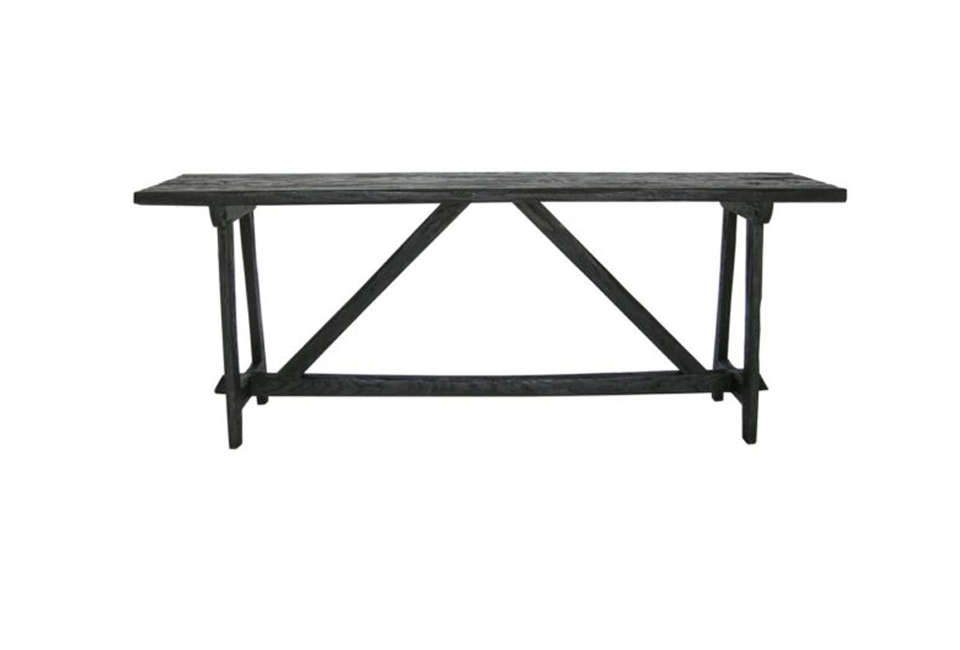
A custom console table is the furniture equivalent of a perfectly tailored blazer: useful, flattering, and quietly impressive without shouting, “Please admire my excellent taste.” Whether placed in an entryway, behind a sofa, along a hallway, or under a statement mirror, a console table can turn an awkward blank wall into a hardworking design moment. The best part? When it is custom-built, it fits your space, your storage needs, your style, and your daily habits instead of forcing you to negotiate with a mass-produced rectangle that is two inches too long and somehow still too small.
In American homes, console tables have become one of the most versatile furniture pieces because they solve several problems at once. They create a drop zone for keys and mail, offer display space for lamps and art, provide hidden storage, and help rooms feel finished. A custom console table goes even further by letting you choose the exact dimensions, wood species, finish, drawer layout, leg style, and hardware. In other words, it can be a slim hallway hero, a dramatic living room anchor, or a storage-savvy entryway command center.
What Is a Custom Console Table?
A console table is usually a narrow table designed to sit against a wall, behind a sofa, or in a transitional space such as a foyer or hallway. A custom console table is made to order rather than selected from a standard showroom size. That means the piece can be designed around the real measurements of your home, not the imaginary measurements furniture catalogs seem to think everyone has.
Unlike a standard console table, a custom piece can be built for a specific purpose. For example, a family with kids may want drawers for gloves, dog leashes, chargers, and the mysterious collection of tiny objects that appears near every front door. A minimalist apartment owner may prefer a floating console with no visible hardware. Someone with a long open wall may want a dramatic 72-inch walnut console with sculptural legs and a stone top. Custom design gives you control over both beauty and function.
Why Choose a Custom Console Table Instead of a Ready-Made One?
Ready-made console tables are convenient, but they often come with compromises. Maybe the height is wrong for your sofa. Maybe the color almost matches your floors but not quite, creating the interior-design version of an awkward handshake. Maybe the drawers are decorative, which is a polite way of saying they hold one pencil and a receipt from 2021.
A custom console table allows you to avoid those frustrations. You can match the table to your space, lifestyle, and existing furniture. It can be built taller for a high-backed sofa, narrower for a tight hallway, or deeper for a large foyer where you want lamps, baskets, and seasonal décor. The result feels intentional instead of accidental.
Better Fit for Unusual Spaces
Many homes have tricky areas: narrow corridors, angled walls, small entryways, stair landings, or open-concept living rooms that need visual boundaries. A custom console table can be designed to make those spaces useful. A shallow 10-inch-deep table might be perfect for a hallway where every inch of walking room matters. A long, low console can help define the back of a sectional sofa without blocking the room’s flow.
Personalized Storage
Storage is where custom furniture earns its applause. You can add drawers, open shelves, cabinet doors, cubbies, baskets, cable management, or even a hidden charging station. For an entryway, drawers can hold sunglasses, keys, wallets, and mail. For a living room, shelves can display books and ceramics. For a dining area, a console can store linens, candles, serving trays, and other hosting essentials.
Stronger Style Continuity
Custom furniture can be designed to match the tone of your home. If your style is modern farmhouse, you might choose white oak, a matte finish, and simple black pulls. If your home leans contemporary, a waterfall-edge console in walnut or lacquer could look sharp. For traditional interiors, turned legs, antique brass hardware, and a stained cherry finish can add character without feeling old-fashioned.
Best Places to Use a Custom Console Table
Entryway
The entryway is the classic home for a console table because it needs both polish and practicality. A custom entryway console table can include a tray for keys, drawers for clutter, lower shelves for baskets, and enough surface space for a lamp or vase. Add a mirror above it and suddenly the front door area looks less like a traffic zone and more like a thoughtful welcome.
Behind the Sofa
A sofa table is essentially a console table placed behind a couch. This layout works beautifully in open living rooms because it creates a subtle divide between seating and walkway areas. For this use, the table should usually be close to the height of the sofa back or slightly lower. A custom design helps you get the length and height just right so the table looks integrated instead of randomly parked behind the couch.
Hallway
Hallways are often ignored, which is unfair because they work harder than most rooms. A narrow custom console table can add storage and visual interest without interrupting movement. Choose a slim depth, rounded edges, or wall-mounted construction if the space is tight. A lamp, framed art, and a small bowl can make even a plain hallway feel curated.
Dining Room
In a dining room, a custom console table can act like a lighter, more flexible sideboard. It can hold wine glasses, serving dishes, candles, or seasonal centerpieces. If you host often, consider a longer design with drawers or cabinets. If your dining room is small, a narrow console provides function without the bulk of a full buffet.
Bedroom or Home Office
A custom console table can also work as a vanity, writing surface, media stand, or display shelf. In a bedroom, it can sit under a wall-mounted TV or beneath a mirror. In a home office, it can hold a printer, files, or decorative storage boxes. The secret is designing the piece for the job it actually needs to do, not just for how it looks in a photo.
Custom Console Table Dimensions: How to Get the Size Right
Size is the difference between a console table that looks expensive and one that looks like it wandered in from another room. Most console tables are narrow by design, often around 28 to 32 inches high and roughly 12 to 18 inches deep. Length varies widely, but many standard options fall between 36 and 72 inches. Custom furniture lets you adjust these numbers to your exact space.
Height
For an entryway or hallway, a height around 30 inches is usually comfortable. For a sofa table, measure the height of the sofa back first. The console should generally be the same height or slightly lower, not higher. A table that towers above the sofa can look awkward and may block sight lines.
Depth
Depth matters most in tight spaces. For narrow hallways, 8 to 12 inches may be enough. For entryways and living rooms, 14 to 18 inches often provides more useful surface space. If you want lamps, baskets, or large decorative objects, you may need a deeper design. Just make sure doors can open fully and people can walk through without doing a sideways shuffle.
Length
For a wall-mounted look, the console should feel balanced with the wall or furniture around it. Behind a sofa, a good rule is to choose a table that is roughly two-thirds the length of the sofa. Against a wall, leave breathing room on both sides so the piece does not look crammed into place. Custom sizing is especially helpful when you need a 54-inch table but stores only seem to sell 48 or 60 inches.
Best Materials for a Custom Console Table
The material you choose affects durability, price, maintenance, and overall style. A custom console table can be made from solid wood, engineered wood, metal, glass, stone, acrylic, rattan, or a combination of materials. The right choice depends on your budget, design goals, and how much daily wear the table will face.
Solid Wood
Solid wood is a favorite for custom console tables because it is durable, repairable, and naturally beautiful. Popular options include oak, walnut, maple, cherry, ash, and pine. White oak works well for modern, Scandinavian, and transitional spaces. Walnut feels rich and dramatic. Maple is clean and strong. Pine is more casual and budget-friendly but can dent more easily.
Solid wood also ages well when properly finished. Small scratches can often be repaired, and the piece can be refinished later. For homeowners who want furniture that can stay in the family longer than the average smartphone, solid wood is a strong choice.
Engineered Wood and Veneer
Engineered wood and veneer can be useful when budget or design flexibility matters. A quality veneer over a stable core can create a beautiful surface with less movement than solid wood. However, lower-quality particleboard or thin veneer may not hold up as well in high-traffic areas. If you choose this route, ask about the core material, veneer thickness, edge treatment, and finish durability.
Metal
Metal legs or frames add strength and a modern edge. Black powder-coated steel pairs beautifully with wood for industrial or contemporary interiors. Brass and bronze finishes feel warmer and more elegant. Metal can also help a narrow console feel visually lighter while still providing a sturdy structure.
Stone and Marble
A stone top can turn a console table into a statement piece. Marble, quartz, travertine, and granite add weight, texture, and luxury. Stone is excellent for foyers and formal spaces, but it can be heavy and may require sealing or careful maintenance depending on the material. If your household includes kids, pets, or enthusiastic coffee drinkers, choose a stone surface with realistic upkeep in mind.
Design Styles for a Custom Console Table
Modern Minimalist
A modern custom console table often features clean lines, smooth surfaces, and simple materials. Think white oak, walnut, matte black metal, hidden drawers, and push-to-open hardware. This style works well in apartments, contemporary homes, and spaces where visual calm is the goal.
Farmhouse and Rustic
A farmhouse console table may include reclaimed wood, chunky legs, visible grain, or a distressed finish. It should feel warm and practical, not like it was attacked by a distressing machine with too much enthusiasm. For a more updated look, pair rustic wood with clean hardware and a simple silhouette.
Traditional
Traditional console tables often feature turned legs, carved details, rich stains, and classic hardware. A custom version can keep those elegant elements while avoiding an overly heavy look. For example, a cherry table with tapered legs and brass knobs can feel timeless without becoming formal or fussy.
Industrial
Industrial console tables combine materials like steel, reclaimed wood, concrete, and exposed fasteners. This style is excellent for lofts, modern farmhouses, and casual spaces. Custom design lets you control the balance so the piece feels refined rather than like it escaped from a warehouse.
Coastal
A coastal console table should feel relaxed and airy. Light woods, woven textures, soft white finishes, and simple hardware work well. A custom coastal console might include rattan door panels, an open lower shelf, or a bleached oak finish that feels breezy without turning the room into a souvenir shop.
Functional Features Worth Adding
Drawers
Drawers are ideal for hiding everyday clutter. In an entryway, they can store keys, mail, pet supplies, masks, chargers, and small tools. Soft-close drawer slides are worth considering because they make the piece feel higher quality and prevent the dramatic slam of someone searching for sunglasses five minutes late.
Open Shelves
Open shelves make a console table feel lighter and provide space for baskets, books, or decorative objects. They are especially useful in narrow rooms because they add storage without making the furniture look bulky.
Cabinet Doors
Cabinet doors are best when you want hidden storage for larger items. They work well in dining rooms, living rooms, and entryways. Custom doors can be flat-panel, shaker, fluted, glass-front, cane, or arched, depending on the style of your home.
Charging Stations
A built-in charging station can make a console table more useful for modern life. Hidden outlets, USB ports, and cord channels keep devices organized without turning the tabletop into a cable jungle. This is especially helpful in family entryways and home offices.
Rounded Corners
Rounded corners are a small detail with a big impact. They soften the look of the table and are practical in tight hallways or homes with children. They also help a custom piece feel more thoughtful and refined.
How to Style a Custom Console Table
Styling a console table should feel intentional but not overworked. A good arrangement usually includes height, texture, function, and a little personality. Start with one anchor piece, such as a mirror, framed artwork, or large lamp. Then add smaller objects like books, bowls, vases, candles, or sculptural accents.
Use the Rule of Layers
Layering creates depth. Place a mirror or artwork behind the table, add a lamp for height, include a tray for organization, and finish with a natural element such as branches, flowers, or a plant. The goal is to make the surface look collected, not crowded.
Balance Beauty and Utility
A console table should not be so styled that nobody knows where to put the keys. Leave some usable surface space. A decorative bowl, small tray, or lidded box can keep daily items contained while still looking attractive.
Vary Heights and Textures
Mix tall and short objects, smooth and rough textures, shiny and matte finishes. For example, pair a ceramic vase with stacked books, a linen shade lamp, and a wood tray. This keeps the arrangement interesting without needing a dozen accessories.
How Much Does a Custom Console Table Cost?
The cost of a custom console table depends on size, materials, craftsmanship, finish, and complexity. A simple local build using basic wood may cost far less than a handcrafted walnut console with drawers, brass hardware, and a stone top. Custom furniture usually costs more than mass-produced furniture, but the value comes from better fit, better materials, and a design that solves your exact problem.
When comparing quotes, ask what is included. Are the drawers dovetailed or simply boxed? Is the wood solid, veneered, or engineered? Is delivery included? What finish will be used? Can the maker provide drawings or renderings before building? A lower price is not always a better deal if the construction is weak or the finish will not hold up.
Questions to Ask Before Ordering a Custom Console Table
Before commissioning a custom console table, take measurements and think carefully about how the piece will be used. Ask yourself where it will go, what it needs to store, what style it should match, and how much maintenance you are willing to do. Then discuss those details with the maker or designer.
Useful questions include: What wood species do you recommend for this use? How will the table be finished? Can you match an existing stain? What hardware options are available? How much weight can the table support? Will the piece be delivered fully assembled? What is the expected production timeline? Clear answers upfront prevent expensive surprises later.
Maintenance Tips for Long-Lasting Beauty
A custom console table should be easy to live with, but every material needs some care. For wood, use a soft damp cloth for regular cleaning and avoid harsh chemicals. Wipe spills quickly, especially on stained or oiled finishes. Keep the table away from extreme humidity, direct heat, and long exposure to strong sunlight when possible.
Use coasters under drinks, felt pads under lamps or decorative objects, and trays for items that might scratch the surface. If the table has a natural oil or wax finish, it may need occasional reapplication. If it has a polyurethane or varnish finish, it may be more resistant to moisture and abrasion. Stone tops may need sealing depending on the material.
Experience-Based Notes: Living With a Custom Console Table
One of the most useful lessons about a custom console table is that the “perfect” design is rarely the fanciest one. It is the one that understands your routine. In a real home, the entryway is not a magazine photo. It is where backpacks land, keys disappear, mail multiplies, and someone always asks, “Has anyone seen my sunglasses?” A custom console table can quietly bring order to that chaos if it is designed around actual habits.
For example, in a busy family entryway, a beautiful open table may look elegant for exactly eight minutes. After that, it becomes a public parking lot for receipts, lip balm, school forms, and mystery screws. In that situation, drawers are not optional; they are emotional support. A shallow top drawer for keys and wallets, a deeper drawer for dog leashes and gloves, and a lower shelf with baskets can make daily life smoother without requiring anyone to become a professional organizer.
In a small apartment, the experience is different. Space is precious, so the best custom console table may be wall-mounted, narrow, and visually light. A floating design with rounded corners can provide a drop zone without blocking the walkway. Adding a mirror above it makes the entry feel larger, while a single drawer hides the clutter that would otherwise announce itself to every guest. The table does not need to be large to be useful; it needs to be honest about the space.
Behind a sofa, the biggest lesson is proportion. A console that is too short can look timid, while one that is too tall can feel intrusive. The most successful sofa tables sit quietly behind the couch, holding lamps, books, and maybe a bowl for remotes. If outlets are nearby, built-in cable management is a small feature that feels like luxury every day. Nobody gets excited about hidden cords until they no longer have to stare at them.
Material choice also becomes more important with time. A glossy dark finish may look dramatic in a showroom but show dust, fingerprints, and tiny scratches in a high-traffic home. A natural oak or walnut finish often hides daily wear better and develops character. If the table will live near the front door, where bags, keys, and mail hit the surface every day, choose a finish that can handle real life. Beauty is wonderful, but durability is what keeps you from whispering apologies to your furniture.
Another experience-based tip: do not underestimate lighting. A console table with a lamp can change the mood of an entryway or hallway instantly. It creates a soft landing when you come home at night and makes the space feel warmer than overhead lighting alone. If the table is custom-built, planning for a cord notch, hidden outlet access, or rear cable channel can make the final setup cleaner.
Finally, leave room for the table to evolve. A good custom console table should work in more than one season of life. Today it may hold keys and mail; later it may become a dining room serving piece, a hallway library table, or a bedroom vanity. Choosing quality materials, balanced proportions, and flexible storage makes the piece more useful over time. That is the real charm of custom furniture: it does not just fill a space. It grows into the rhythm of the home.
Conclusion
A custom console table is more than a narrow piece of furniture against a wall. It is a practical design solution, a storage helper, a style statement, and sometimes the only thing standing between your entryway and total key-related anarchy. By choosing the right size, material, finish, and layout, you can create a console table that fits your home beautifully and works hard every day.
Whether you prefer a sleek modern console, a rustic wood table, a traditional piece with drawers, or a slim hallway design, customization gives you the freedom to build around your life instead of decorating around furniture limitations. Measure carefully, think honestly about storage, choose durable materials, and style the table with balance. The result will be a piece that feels personal, polished, and genuinely useful.














