A cabinet knob is roughly the size of a large grape, yet it can make an entire kitchen look intentionalor make brand-new cabinets feel as though somebody chose the hardware while sprinting through Dawson Cabinet Knob belongs to the more thoughtful side of that equation.
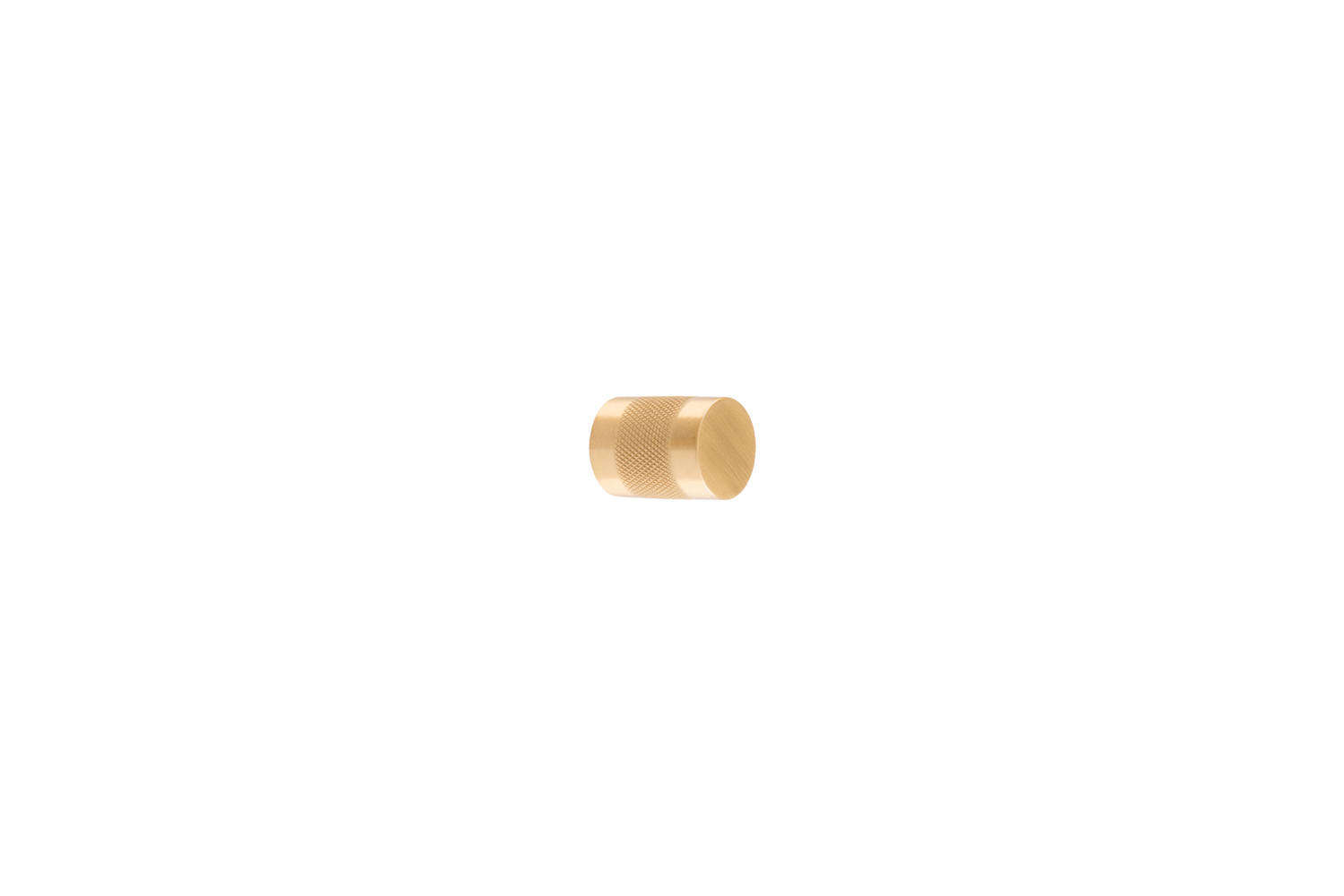
Known for its clean silhouette and finely knurled surface, the Dawson knob combines the simplicity of modern cabinet hardware with the substantial character of traditional metalwork. It is decorative without becoming fussy, tactile without resembling industrial machinery, and distinctive without shouting, “Please stop looking at the countertop and admire me.”
Archived product information describes the Dawson Cabinet Knob as brass hardware made in the United States, with mounting hardware included. It was reportedly manufactured by one of the country’s remaining hardware foundries and certified as containing 94% recycled material. Its most recognizable feature is the textured knurling wrapped around an otherwise streamlined form.
What Is the Dawson Cabinet Knob?
The Dawson Cabinet Knob is a decorative, single-hole knob originally associated with Rejuvenation. It was designed for cabinets, drawers, vanities, built-ins, and furniture pieces that benefit from a compact but visually interesting hardware accent.
Unlike an ornate Victorian knob covered in floral flourishes, the Dawson relies on material and texture for personality. Its body is simple, while the knurled detailing creates a subtle pattern of raised lines. This combination allows it to work in interiors that lean modern, transitional, industrial, vintage, or even lightly traditional.
Defining Characteristics
- Knurled texture: Fine ridges add grip and visual depth.
- Brass construction: The underlying material gives the knob a solid, substantial feel.
- Clean geometry: Its restrained shape avoids excessive ornamentation.
- Single-hole installation: It can replace many standard cabinet knobs without requiring a second mounting hole.
- American manufacturing history: Archived listings identify it as made in the United States.
- Recycled content: Product descriptions reported SCS certification for 94% recycled material.
SCS recycled-content certification involves third-party review of manufacturing records, material streams, chain-of-custody procedures, and recycled-material calculations. That is more meaningful than a vague green leaf printed on a package with the words “eco-ish” hovering nearby.
Why Knurled Cabinet Hardware Stands Out
Knurling was developed as a practical way to improve grip on tools, controls, and mechanical components. On decorative cabinet hardware, it performs the same basic job while also creating a tailored, architectural appearance.
The texture catches light differently from a smooth knob. Small highlights and shadows appear along the ridges, preventing the hardware from looking flat. This is particularly useful on simple Shaker cabinets or slab-front doors, where the cabinet design itself may provide little surface decoration.
A Better Tactile Experience
Smooth round knobs can become slippery when hands are damp, oily, or covered in the mysterious flour-and-butter paste produced during ambitious baking projects. A knurled edge gives the fingertips more texture to hold.
That does not automatically make every textured knob accessible to every user. People with limited hand strength or dexterity may still find a larger pull easier to grasp than a compact knob. Lowe’s recommends considering the needs of everyone using the room and notes that pulls often provide a more generous grip, particularly on larger or heavier doors and drawers.
Detail Without Visual Clutter
The Dawson Cabinet Knob is especially appealing when a room needs texture but not another dominant decorative element. Marble veining, patterned tile, dramatic lighting, and colorful cabinetry may already be competing for attention. A compact knurled knob adds refinement without joining the argument.
Textured, aged, and tactile hardware continues to be favored in interiors because it gives plain cabinetry greater depth and helps kitchens feel less mass-produced. Knurling can provide that richness even when the overall shape remains simple.
Where the Dawson Cabinet Knob Works Best
Kitchen Cabinet Doors
Upper and lower cabinet doors are natural locations for Dawson knobs. Their compact shape keeps the cabinetry visually open, while the textured metal provides enough detail to prevent the room from feeling generic.
On Shaker-style doors, place the knob near the corner of the frame opposite the hinges. On slab doors, use a consistent measured offset from the edge. Keeping every knob aligned is essential; even an expensive knob looks suspicious when one sits half an inch higher than its neighbors.
Bathroom Vanities
Bathrooms are often filled with smooth surfaces: mirrors, glazed tile, porcelain, glass, and polished countertops. A knurled cabinet knob introduces a welcome tactile contrast. Brass-toned hardware can warm up white, cream, navy, charcoal, green, and natural wood vanities, while cooler finishes coordinate well with marble and chrome plumbing fixtures.
Because bathrooms encounter moisture and personal-care products, wipe the knobs regularly with a soft, damp cloth. Avoid aggressive abrasives unless the manufacturer specifically approves them for the finish.
Built-Ins and Furniture
The Dawson Cabinet Knob can also update a media console, linen cabinet, nightstand, dresser, sideboard, bar cabinet, or home-office storage unit. Replacing furniture hardware is one of the fastest ways to make an ordinary piece look customized.
A single-hole knob is particularly convenient when refreshing vintage furniture because it does not require matching the center-to-center spacing of an existing two-screw pull. If the old hardware leaves extra holes, however, those holes must be filled, refinished, or concealed with a backplate.
How to Coordinate the Dawson Knob with Cabinet Colors
White and Cream Cabinets
Against white cabinetry, the Dawson Cabinet Knob becomes clearly visible. Warm brass creates a classic, welcoming effect, while chrome or satin silver looks crisp and contemporary. Cream cabinets generally pair most naturally with warmer finishes, especially when the room includes beige stone, oak flooring, or off-white walls.
Black, Navy, and Charcoal Cabinets
Dark cabinetry provides enough contrast to emphasize the knob’s ridged surface. Brass offers a dramatic jewelry-like accent, while dark bronze produces a quieter, tonal result. A cooler metallic finish can make navy cabinetry feel cleaner and more tailored.
Green Cabinets
Sage, olive, forest green, and blue-green cabinets all work beautifully with brass hardware. The combination feels historic without being stuck in a museum. On muted green cabinets, a textured knob adds polish while preserving the relaxed, nature-inspired palette.
Natural Wood
On walnut, oak, maple, or painted woodgrain cabinetry, consider the undertone of both the wood and the metal. Warm brass echoes golden and reddish tones, while nickel and chrome can provide deliberate contrast. Dark finishes often look sophisticated on pale oak because they clearly define the hardware against the grain.
Can Dawson Knobs Be Mixed with Drawer Pulls?
Yes. Using knobs on doors and pulls on drawers is a familiar and practical arrangement. Knobs keep cabinet doors visually light, while pulls provide additional leverage for wide or heavily loaded drawers.
The easiest pairing is a pull with a similarly clean silhouette and matching or closely related finish. It does not need to repeat the Dawson’s knurled texture exactly. In fact, combining textured knobs with smooth pulls can prevent the hardware scheme from becoming overly busy.
Current design guidance generally supports thoughtful mixing rather than rigidly matching every metal in the room. The safest approach is to limit the number of finishes and assign each finish a clear role. For example, use brass for cabinet hardware, polished nickel for plumbing fixtures, and black for lighting accents.
Keep the Combination Intentional
- Repeat each finish in more than one visible location.
- Use related shapes or proportions even when textures differ.
- Avoid introducing a new finish on every individual object.
- Test samples next to the cabinet finish in daylight and artificial light.
- Choose larger pulls for heavy drawers and appliance panels.
Choosing the Right Quantity and Scale
Before ordering cabinet hardware, count every door and drawer twice. Then ask another person to count them, because kitchens have an impressive ability to hide one tiny drawer until the order has shipped.
Buy at least one extra knob when possible. A spare is useful if a piece is damaged, misplaced during installation, or needed for a future matching cabinet. This matters even more when purchasing discontinued, clearance, vintage, or limited-production hardware.
Scale should also be evaluated on the actual cabinet. A small knob may look elegant on a narrow door but undersized on an oversized pantry panel. Hardware specialists commonly recommend testing samples directly on the cabinetry rather than judging them only from close-up product photography.
How to Install a Dawson Cabinet Knob
Tools and Materials
- Measuring tape or ruler
- Pencil
- Cabinet hardware template or jig
- Drill and correctly sized drill bit
- Screwdriver
- Painter’s tape
- Scrap wood for backing the drilling area
- Appropriate mounting screw
Step 1: Confirm the Screw Length
Measure the thickness of the cabinet door or drawer front. The screw must pass through the panel far enough to thread securely into the knob, but it should not bottom out before the knob becomes tight.
Mounting hardware was included with archived Dawson product listings, but screw requirements can vary when a knob is installed on an unusually thin door, a thick drawer front, or a drawer box with an applied decorative face.
Step 2: Decide on Placement
For cabinet doors, knobs are usually positioned near the opening corner opposite the hinges. For drawers, a single knob is commonly centered horizontally and vertically, although placing it slightly higher can make a deep lower drawer easier to reach.
Common placement guidance puts knobs approximately one inch from the side edge and several inches from the nearest horizontal edge, but cabinet construction and user comfort should determine the final position. Make a cardboard template and test the location before drilling.
Step 3: Use a Template
A cabinet hardware jig helps create repeatable measurements across multiple doors. Templates are particularly valuable when working with freshly painted or expensive cabinetry, where “close enough” can become an extremely expensive design philosophy.
Mark the drilling point lightly with a pencil. Verify that the mark is on the correct side of the door and compare it with neighboring cabinets before touching the drill.
Step 4: Drill Carefully
Apply painter’s tape over the drilling location to help protect the surface. Hold a scrap block behind the panel to reduce tear-out as the drill bit exits. Drill straight through the marked point without forcing the bit.
Step 5: Attach the Knob
Insert the screw from the back of the cabinet door or drawer front, thread it into the knob, and tighten it with a screwdriver while holding the knob steady. Do not overtighten. Excessive force can damage the cabinet surface, strip the threads, or crack certain door materials.
Cleaning and Caring for Textured Cabinet Knobs
Knurled hardware has tiny grooves where cooking residue, lotion, dust, and ordinary household grime can collect. Fortunately, routine cleaning is simple.
- Wipe the knob with a soft microfiber cloth.
- Use a lightly dampened cloth for fingerprints and surface dirt.
- Clean textured grooves gently with a soft toothbrush when needed.
- Dry the hardware immediately.
- Avoid steel wool, harsh scouring powders, and unknown chemical cleaners.
Some brass finishes are sealed to preserve their appearance, while living or unlacquered finishes intentionally change with handling and exposure. Do not attempt to polish away patina until you know which finish you own. What looks like tarnish to one person may be exactly the character another homeowner paid extra to obtain.
Advantages and Possible Drawbacks
Advantages
- The knurled edge provides more tactile interest than a plain knob.
- Its simple shape works with several interior styles.
- Single-hole mounting makes replacement relatively straightforward.
- Brass construction offers a substantial appearance and feel.
- The compact design does not overwhelm small cabinet doors.
- Archived documentation identifies recycled content and U.S. production.
Possible Drawbacks
- Textured grooves require slightly more cleaning than a smooth surface.
- A compact knob may not provide enough grip for every user.
- Heavy drawers may function better with larger pulls.
- Discontinued finishes can be difficult to replace later.
- Online photos may not accurately represent metallic undertones.
- Exact dimensions, finish names, and inventory can vary among archived listings.
Is the Dawson Cabinet Knob Worth Choosing?
The Dawson Cabinet Knob is a strong choice for homeowners who appreciate small architectural details. Its knurled texture supplies visual and physical character, while the uncomplicated form allows it to coexist with many cabinet styles.
It is particularly effective in transitional kitchens, refined industrial spaces, updated historic homes, and furniture projects that need a premium finishing touch. The knob is less suitable for very heavy drawers or users who require a large, full-hand grip, but it can be paired with complementary pulls in those locations.
Ultimately, cabinet hardware should be judged with the same three questions applied to any frequently touched household object: Does it look right, does it feel comfortable, and will it survive everyday use without inspiring colorful language? The Dawson design performs well because it treats all three concerns seriously.
Conclusion
The Dawson Cabinet Knob demonstrates how a small hardware choice can add substantial character to cabinetry. Its brass construction, compact silhouette, and distinctive knurled texture bridge the gap between modern simplicity and traditional craftsmanship.
Whether installed on kitchen doors, a bathroom vanity, a vintage dresser, or custom built-ins, the Dawson knob works best when its finish, scale, placement, and grip are evaluated in the real room. Order a sample, view it in changing light, handle it with clean and damp hands, and compare it with nearby fixtures before committing to an entire kitchen’s worth.
Practical Experience: What Living with a Knurled Cabinet Knob Is Really Like
The practical experience of using a knob like the Dawson begins before installation. In photographs, decorative hardware is often enlarged until every ridge looks as dramatic as a mountain range. In person, the effect is usually more restrained. The knurling is noticeable when light crosses it or when your fingers touch it, but it does not normally dominate the cabinet door.
That restraint is one of the design’s greatest strengths. From across a kitchen, the knob reads as a clean metallic accent. At arm’s length, the texture becomes visible. During use, it becomes tactile. The design reveals itself gradually instead of demanding attention from the doorway.
The first installation lesson is that sampling matters. Metallic finishes respond strongly to their surroundings. A warm brass knob can look golden beside white paint, muted beside oak, and almost brown under warm evening bulbs. A satin chrome version may seem cool in online images but develop softer gray undertones against marble or blue cabinetry. Taping a sample to the cabinet for several days is more useful than staring at twenty browser tabs while whispering, “This one is definitely slightly less brassy.”
The second lesson is that placement affects comfort as much as appearance. A knob installed too close to the center of a cabinet door can require extra wrist movement. One placed too near the edge may feel cramped or risk stressing a narrow frame. Creating a temporary paper or cardboard template allows several positions to be tested before drilling.
Once installed, the Dawson-style texture generally provides a confident fingertip grip. This is useful on frequently opened spice cabinets, vanity doors, and small drawers. On a large pot drawer loaded with cast-iron cookware, however, a compact knob may require more effort than a wide pull. A mixed layoutknobs on doors and pulls on drawersoften delivers the best balance of visual consistency and everyday leverage.
Cleaning is another real-world consideration. Smooth knobs show fingerprints, while deeply textured knobs hide some marks but collect residue in their grooves. Knurling therefore trades visible smudges for occasional detail cleaning. A microfiber cloth handles routine care, and a soft toothbrush reaches the recessed lines when kitchen grease or dried hand lotion settles in them.
Over time, the finish becomes part of the ownership experience. Frequently touched areas may become slightly brighter, darker, or more polished depending on the coating and metal treatment. On a living brass finish, this change creates patina and records how the cabinet is used. On a sealed finish, uneven wear may be less desirable, making gentle cleaning and avoidance of harsh chemicals more important.
Finally, good hardware can change how an inexpensive cabinet or mass-produced dresser feels. A solid, textured knob adds weight to the interaction. The door does not merely open; it feels finished. That difference is difficult to measure, but it is noticeable every morning when reaching for a coffee mug or every evening when closing a bathroom drawer.
The most satisfying result comes from treating the Dawson Cabinet Knob as a functional object rather than a decorative afterthought. Test the grip, verify the scale, measure carefully, keep a spare, and choose a finish whose future aging will not cause emotional distress. Done well, the knob quietly improves the room hundreds of times a weekwhich is impressive work for something small enough to disappear inside a coat pocket.
Note: The Dawson Cabinet Knob is primarily documented through archived product and design listings. Current availability, dimensions, finish names, screw lengths, recycled-content certification status, and manufacturer specifications should be confirmed with the seller before purchase.