
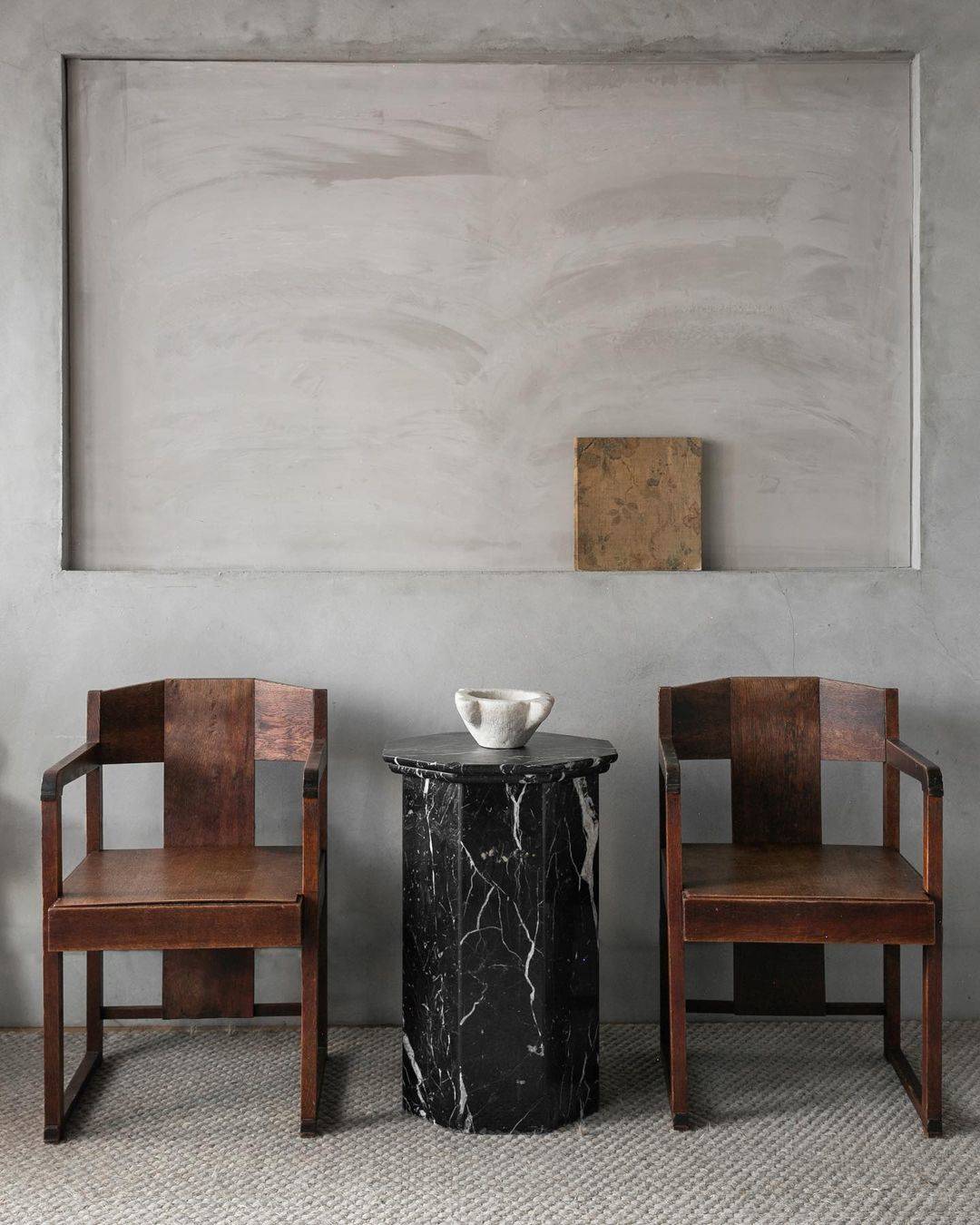
Taipei is the kind of city that can make your travel plans fall apart in the best possible way. You head out for dumplings, get distracted by a stationery shop, wander past a quiet temple, and somehow end up staring at a hand-carved chair that looks older and wiser than your entire apartment. That sense of discovery is exactly why Delicate Antique feels so right in Taipei. Tucked into Da’an District, this rustic vintage shop in Taipei is not trying to be trendy in the loud, neon, “look at me” sense. It is quieter than that. More textured. More patient. More “this object has survived three generations and still has better posture than I do.”
Delicate Antique is a place where the past is not sealed behind glass. It is arranged, edited, and given room to breathe. The shop’s atmosphere leans rustic, imperfect, and soulful, with a strong sense of wabi-sabithat appreciation for age, wear, texture, and beauty that comes from time rather than polish. If you love antique furniture, collectible lighting, old mirrors, expressive art objects, or simply the thrill of finding a piece with character, this is the kind of store that can derail your schedule and improve your taste.
In this guide, we will look at what makes Delicate Antique special, what you can expect to find inside, why it belongs in a wider conversation about Taipei vintage shopping, and why this shop feels less like a retail stop and more like a design mood with walls.
Why Delicate Antique Matters in a City That Loves Layers
Taipei is a city of contrasts, and that is exactly what makes it such a rewarding place to shop. One moment you are looking at sleek modern architecture, and the next you are wandering through an older street lined with signs, scooters, plants, and storefronts that seem to have accumulated stories instead of branding. Travel and design writers often describe Taipei as a city where traditional culture and contemporary creativity happily share the same block. That layered identity creates the perfect backdrop for a shop like Delicate Antique.
A store like this would feel charming almost anywhere, but in Taipei it feels especially natural. The city is deeply visual without being precious. It appreciates craftsmanship, material history, and thoughtful curation. People come to Taipei for food, markets, architecture, and culture, but the shopping here has its own personality too. It is not only about buying something new. It is also about discovering objects that feel meaningful, useful, and a little poetic.
That is where Delicate Antique comes in. It adds a rustic, design-forward layer to the city’s shopping landscape. Instead of fast trends, it offers furniture and decorative pieces with grain, patina, asymmetry, and soul. In a city that can be both fast-moving and deeply reflective, this shop gives visitors a reason to slow down and look closely.
What Exactly Is Delicate Antique?
At its core, Delicate Antique is a curated antique and vintage shop in Taipei specializing in furniture, lighting, tables, seating, and art objects. Its official categories read like a shopping list written by a set designer with excellent taste: seating, tables, lighting, furniture, and art and objects. The selection suggests a strong leaning toward European vintage piecesespecially French and Belgian findsalongside decorative accents, sculptural objects, mirrors, tapestries, and occasional artist-made work.
The store is located on Jiaxing Street in Da’an District and keeps daytime-to-early-evening hours, which already tells you something important: this is not a chaotic late-night bargain hunt. It is the sort of place you visit when you want to browse deliberately. A profile of the shop credits owner Jin’s sharp eye for wabi-sabi and describes the space as a loft-like interior filled with rustic vintage furniture, Japanese paper crafts, and found objects arranged more like a gallery than a random collection. That distinction matters. Delicate Antique is not trying to overwhelm you with volume. It is trying to seduce you with curation.
And honestly, that is much more dangerous for your wallet.
The Look and Feel: Rustic, Vintage, and Surprisingly Calm
The word “rustic” gets thrown around so often it sometimes loses all meaning. In some stores, rustic just means “we own a ladder and one distressed wooden box.” At Delicate Antique, rustic feels more honest. The mood seems to come from real materials, real age, and a real affection for surfaces that have been touched, repaired, softened, or beautifully worn.
Think weathered wood, carved details, old mirrors with presence, ironwork that still feels elegant, and furniture that does not apologize for having lived a life before meeting you. The effect is less farmhouse cliché and more collected European attic, artful warehouse, and quietly dramatic salon rolled into one.
This kind of atmosphere matters because it changes how you shop. In a sterile showroom, you compare products. In a place like Delicate Antique, you imagine stories. You do not just see a chairyou picture it by a window, next to a stack of books, quietly judging your scrolling habits. You do not just notice a mirroryou begin mentally reorganizing your entire hallway. Great antique shops do that. They are part retail, part time machine, part interior-design intervention.
What You Will Find Inside
Furniture That Actually Has a Point of View
Delicate Antique’s official inventory shows an impressive range of vintage furniture, including sideboards, cabinets, display pieces, dining tables, bedside cabinets, and sculptural seating. Many listings point to French pieces from the 1930s through the 1970s, along with Art Deco, Brutalist, Louis XV-style, and Renaissance Revival influences. This means the shop is not locked into one narrow aesthetic. Instead, it embraces a broader vintage language built around texture, form, and character.
A good example is the shop’s listing for Pierre Chapo S24 dining chairs, a recognizable mid-century design that combines craftsmanship, warm wood, and practical beauty. That kind of listing tells you the store is not only rummaging for “old stuff.” It understands collectible design. It understands proportion. It understands that a chair can be both functional and the main character.
You may also spot sideboards with rich wood grain, cabinets with architectural presence, and tables sturdy enough to survive both dinner parties and your attempt at becoming a person who casually hosts wine and olives.
Lighting, Mirrors, and Decorative Objects
If furniture forms the backbone of Delicate Antique, the objects give it its pulse. The shop’s categories and listings suggest a deep bench of decorative pieces: chandeliers, table lamps, wall lights, vases, folding screens, mirrors, reliefs, tapestries, sculptures, and antique display stands. There are Gothic Revival candelabra, Art Deco mirrors, floral screens, marble pedestals, vintage paintings, and even items that flirt with the theatrical.
This is where the shop’s visual intelligence becomes obvious. A rustic cabinet paired with a soft tapestry feels different from the same cabinet next to sharp-edged metalwork. Delicate Antique appears to understand those relationships. It is not just selling isolated objects; it is selling visual conversation between objects.
That makes the store appealing to more than just collectors. Stylists, interior designers, photographers, café owners, and homeowners looking for one memorable piece would all have good reason to linger here.
Curated, Not Cluttered
The biggest difference between a memorable vintage store and an exhausting one is editing. Delicate Antique seems to favor composition over clutter. Reports on the shop consistently frame it as a gallery-like experience, where textures and forms are thoughtfully placed rather than randomly stacked. That makes the browsing experience more elegant and less “I just got hit in the face by a lampshade.”
For shoppers, that matters. You can actually see the beauty of a piece when it is given breathing room. You can notice the shape of a chair leg, the softened edge of a table, the color shift in old wood, or the balance between a heavy cabinet and a delicate ceramic object. Curation turns old things into design ideas.
The Wabi-Sabi Thread Running Through the Shop
One of the most compelling ways to understand Delicate Antique is through the idea of wabi-sabi. The term is often oversimplified, but at its heart it values imperfection, transience, restraint, and beauty shaped by time. That philosophy fits antique shopping beautifully. A new object may be flawless, but an old object has evidence. It has nicks, patina, softened corners, and all those small irregularities that make it feel human.
Delicate Antique seems to lean into that spirit. Instead of sanding history away, it lets age speak. That makes the store attractive to people who are tired of interiors that look too polished, too algorithmic, or too obviously staged. A room furnished with pieces from a place like this has more tension and more warmth. It looks lived-in, not mass-produced. It suggests a person with stories rather than a person who panicked and bought everything from page one of a catalog.
Why Taipei Is the Perfect Home for This Shop
Taipei has become increasingly celebrated as a design destination. It offers the pleasures of a major city without feeling inaccessible. It is highly walkable in many neighborhoods, easy to navigate, rich in food and culture, and full of surprising shopping experiencesfrom historic districts and craft-oriented corners to modern retail hubs and low-key side streets with serious taste.
That wider urban personality makes Delicate Antique more than just an isolated stop. It fits a city where travelers can spend the morning in an old neighborhood, the afternoon in a design store, and the evening at a buzzing night market. Taipei encourages exactly that kind of layered day. The city does not force you to choose between heritage and modernity; it lets both sit at the same table, probably next to excellent tea.
Delicate Antique also benefits from being in Da’an, a district associated with urban comfort, neighborhood life, and stylish discovery. It is the kind of area where a destination shop does not need to shout. People who care about design will find it. And once they do, they will probably take far too many photos of a chair.
Who Should Visit Delicate Antique?
This shop will obviously appeal to antique collectors and interior design enthusiasts, but its audience is wider than that. If you love slow shopping, atmospheric spaces, or objects that feel one step removed from the ordinary, Delicate Antique is worth your time. It is also ideal for travelers who want a break from generic souvenir buying. Instead of another magnet or keychain, you can discover a piece that feels personal, memorable, and visually rich.
Even if you are not in the market for a large purchase, browsing a place like this can sharpen your eye. You begin to understand scale, material contrast, and the emotional effect of age in interiors. You notice why one mirror feels hauntingly beautiful and another just feels expensive. That is part of the pleasure. Delicate Antique does not only sell objects; it teaches taste without being smug about it.
Final Thoughts: A Shop With Texture, Patina, and Personality
Delicate Antique in Taipei stands out because it offers something that is getting harder to find in modern retail: atmosphere with conviction. It is not just curated for social media. It is curated for people who appreciate depth, wear, silence, and style that does not need constant validation. The store’s mix of rustic furniture, vintage design, artful objects, and wabi-sabi sensibility makes it one of the most intriguing shopping experiences for design-minded travelers in Taipei.
In a city already known for its layered culture, energetic food scene, and creative shopping, Delicate Antique adds a slower, moodier, more tactile experience. It reminds visitors that beauty does not always arrive shiny and new. Sometimes it arrives with old wood, a slightly imperfect edge, and the confidence of an object that has already survived history.
And if that object follows you home? Well, that is not overspending. That is cultural appreciation with shipping costs.
A Longer Experience: What Visiting Delicate Antique Feels Like in Real Life
Walking into Delicate Antique feels different from stepping into a standard furniture store because the shop does not seem interested in rushing you. There is no instant visual blast of matching sets, no artificial pressure to “complete the look,” and no sense that the room was assembled five minutes ago by a corporate style guide. Instead, the experience feels gradual. Your eyes adjust. Then they wander. Then they begin playing favorites.
You might first notice the woodreal wood with color variation, grain, dents, and that mellow, seasoned depth that only time can produce. Then maybe a mirror catches your attention, or an old lamp, or a chair that looks both severe and inviting. The pieces do not scream for attention. They wait for it. That makes browsing feel more intimate, almost like the shop trusts you to meet it halfway.
The atmosphere also changes your pace. In many cities, shopping means moving fast, comparing prices, and making split-second decisions under fluorescent lights. At Delicate Antique, the better approach is to slow down and circle back. The object you ignored in the first minute may become the one you keep thinking about ten minutes later. That is often how antique shopping works. A good piece has a delayed effect. It starts as a detail, then becomes an obsession.
There is also a particular pleasure in seeing how objects are grouped together. A tapestry near a weathered cabinet, an iron detail against wood, a sculptural object beside a quieter piecethese combinations give you ideas for your own space without turning the whole experience into a lecture. You start imagining possibilities: a rustic stool in a clean modern apartment, an antique mirror in a narrow hallway, a dramatic old vase on a simple table. The shop helps you realize that vintage design does not need a museum setting. It just needs confidence.
For travelers, that experience becomes even richer because it is happening in Taipei, a city that already rewards attention. You can spend part of the day in a busy urban rhythmMRT rides, cafés, sidewalks, quick lunches, market energyand then step into a place like Delicate Antique, where the mood turns slower and more contemplative. That contrast is part of the charm. The city outside feels alive and kinetic; the shop inside feels edited and still. Together, they create a fuller sense of Taipei.
Another reason the visit lingers in memory is that Delicate Antique does not feel disposable. Many shops are pleasant in the moment and instantly forgettable afterward. Here, the objects seem to carry enough emotional weight that you keep replaying them later. Maybe it is the old-world craftsmanship. Maybe it is the imperfect finishes. Maybe it is the way a single cabinet can make your current furniture seem like it owes you an apology.
Even people who do not buy anything can come away with something useful: a stronger sense of what they actually like. Not what is popular, not what matches a trend forecast, but what creates atmosphere. Delicate Antique is good at clarifying that difference. It shows that beauty can be a little rough, a little quiet, a little eccentric, and still completely compelling.
So the lasting experience is not just “I visited a vintage shop in Taipei.” It is more like this: “I found a place where old objects still feel alive, where design has texture instead of attitude, and where shopping briefly turned into a form of looking more carefully at the world.” That is a much better souvenir than a fridge magnet. Though, to be fair, an antique marble pedestal is considerably harder to fit in a carry-on.














