
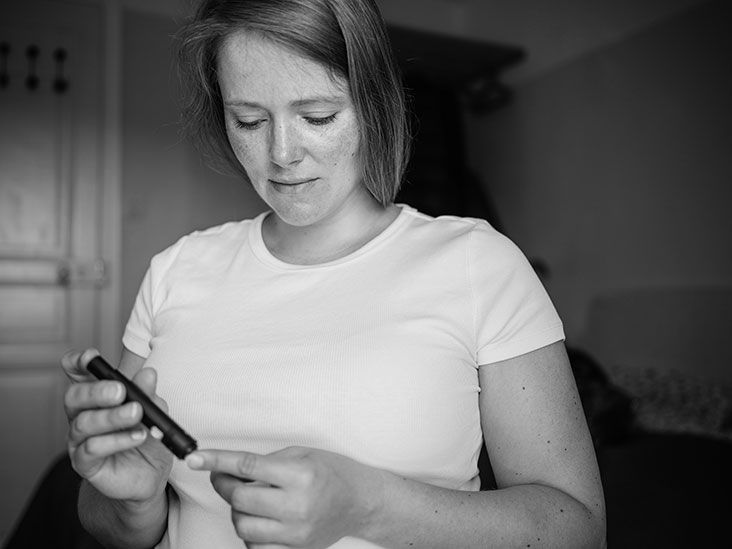
Everyone gets tired. Maybe you stayed up too late, answered one too many emails, or tried to assemble furniture with instructions written by a mysterious triangle. But diabetes fatigue is different. It can feel like your body has quietly switched to battery-saving mode, even after a full night’s sleep.
Diabetes fatigue is persistent tiredness, low energy, or mental fog that commonly affects people with type 1 diabetes, type 2 diabetes, gestational diabetes, or prediabetes. It may happen because blood sugar levels are too high, too low, or swinging like a theme park ride nobody asked to board. It can also come from dehydration, sleep problems, medication changes, stress, depression, inflammation, or another health condition that needs attention.
The good news? Fatigue is not something you simply have to “push through.” Understanding the causes can help you work with your healthcare team, make smarter daily choices, and spot warning signs early.
What Is Diabetes Fatigue?
Diabetes fatigue refers to ongoing tiredness or lack of energy related to diabetes or its effects on the body. It may show up physically, mentally, or emotionally. Some people describe it as heavy limbs, sleepiness after meals, trouble concentrating, irritability, or the feeling that normal tasks suddenly require Olympic-level effort.
Fatigue can happen even when a person is following their diabetes care plan. Diabetes is not just “watching sugar.” It involves constant decision-making: meals, activity, medication timing, glucose checks, sleep, stress, appointments, and the occasional math problem disguised as lunch. That daily load can be exhausting.
Common Causes of Diabetes Fatigue
1. High Blood Sugar
High blood sugar, also called hyperglycemia, is one of the most common reasons people with diabetes feel drained. Glucose is the body’s main energy source, but it needs insulin to move from the bloodstream into cells. When insulin is low or the body does not use insulin well, glucose can build up in the blood while cells remain under-fueled.
This may leave you feeling tired, thirsty, foggy, and sluggish. High blood sugar can also cause frequent urination, which may lead to dehydration. Dehydration alone can make fatigue worse, turning a normal afternoon into a battle against your eyelids.
2. Low Blood Sugar
Low blood sugar, or hypoglycemia, can also cause sudden fatigue. It may happen after taking too much insulin, delaying a meal, exercising more than usual, drinking alcohol without enough food, or using certain diabetes medications.
Signs of low blood sugar may include shakiness, sweating, hunger, weakness, sleepiness, irritability, blurred vision, headache, or confusion. Some people feel like their energy drops through a trapdoor. Low blood sugar should be treated quickly according to your diabetes care plan, because severe hypoglycemia can become dangerous.
3. Blood Sugar Swings
Even if your average glucose number looks “not too bad,” frequent spikes and drops can still make you feel wiped out. Think of it like driving in stop-and-go traffic all day. You may still reach your destination, but the ride is rough.
Glucose swings can happen after high-carbohydrate meals, skipped meals, stress, illness, poor sleep, medication timing issues, or inconsistent activity. Some people notice fatigue after meals, especially when meals are heavy in refined carbohydrates and low in protein, fiber, or healthy fats.
4. Dehydration
When blood sugar is high, the body may try to remove extra glucose through urine. This can increase urination and fluid loss. Dehydration can cause tiredness, dry mouth, headache, dizziness, and poor concentration.
Water will not “cure” diabetes fatigue by itself, but staying hydrated supports circulation, kidney function, temperature control, and overall energy. If you are constantly thirsty or urinating often, that is a sign to check your blood sugar and contact your healthcare provider.
5. Poor Sleep and Sleep Apnea
Sleep and diabetes have a two-way relationship. Poor sleep can make blood sugar harder to manage, while blood sugar problems can interrupt sleep. High glucose may cause nighttime urination. Low glucose can cause sweating, nightmares, or waking suddenly. Stress about diabetes can also keep your brain open for business at 2 a.m.
Sleep apnea is another important factor, especially in people with type 2 diabetes or excess weight. Sleep apnea causes breathing pauses during sleep, which can lead to daytime sleepiness, morning headaches, and poor concentration. If you snore loudly, wake up gasping, or feel exhausted despite sleeping, ask your doctor about sleep evaluation.
6. Depression, Anxiety, and Diabetes Distress
Diabetes fatigue is not always purely physical. Living with a chronic condition can be emotionally tiring. Diabetes distress refers to the frustration, worry, guilt, or burnout that can come from managing diabetes every day.
Depression and anxiety can also cause fatigue, sleep changes, appetite changes, low motivation, and difficulty concentrating. These conditions are medical issues, not character flaws. If your mood has been low, your interest in daily activities has dropped, or diabetes feels overwhelming, professional support can make a real difference.
7. Other Health Conditions
Fatigue in someone with diabetes may also be caused by another condition. Common possibilities include anemia, thyroid disease, kidney disease, heart disease, infection, vitamin deficiencies, chronic pain, or autoimmune conditions. Some diabetes complications, such as nerve pain or kidney problems, can also interfere with sleep and energy.
This is why persistent fatigue deserves attention. It may be related to blood sugar, but it may also be your body waving a tiny flag that says, “Please check under the hood.”
8. Medication Side Effects
Some medications can contribute to tiredness directly or indirectly. Diabetes medications that lower blood sugar can sometimes lead to hypoglycemia. Other medicines used for blood pressure, pain, sleep, allergies, or mood may also cause drowsiness in some people.
Never stop or change prescribed medication without medical guidance. Instead, track when fatigue happens and discuss patterns with your healthcare provider or pharmacist. Sometimes a timing adjustment, dose review, or alternative medication may help.
Symptoms That May Come With Diabetes Fatigue
Diabetes fatigue may appear alongside other symptoms. These clues can help you understand whether the issue may be related to high blood sugar, low blood sugar, sleep, or another condition.
- Extreme tiredness even after rest
- Brain fog or difficulty concentrating
- Unusual thirst or dry mouth
- Frequent urination, especially at night
- Blurred vision
- Headaches
- Feeling shaky, sweaty, weak, or irritable
- Slow-healing cuts or frequent infections
- Numbness, tingling, or burning in the hands or feet
- Low mood, worry, or loss of motivation
If fatigue is new, severe, or getting worse, do not assume it is “just diabetes.” A medical review can help identify the actual cause.
How to Manage Diabetes Fatigue
Check Blood Sugar Patterns, Not Just Single Numbers
One glucose reading is useful, but patterns are more powerful. Notice when fatigue happens: after breakfast, late afternoon, after exercise, overnight, during stress, or after certain meals. A glucose meter or continuous glucose monitor can help reveal whether tiredness lines up with highs, lows, or rapid changes.
Bring these patterns to your healthcare team. Instead of saying, “I’m tired all the time,” you can say, “I feel exhausted two hours after lunch, and my glucose is often high then.” That gives your provider a much better starting point.
Build Balanced Meals
Food choices can strongly affect energy. A meal that includes fiber-rich carbohydrates, lean protein, and healthy fats usually supports steadier blood sugar than a meal built mostly from refined carbs.
For example, a bowl of sugary cereal may give quick energy followed by a crash. A breakfast with eggs, Greek yogurt, oats, berries, nuts, or whole-grain toast may provide slower, steadier fuel. You do not need a perfect diet. You need repeatable meals that your body handles well and that do not make you feel like napping under your desk.
Stay Hydrated
Drink water regularly, especially if your blood sugar has been running high or you are exercising, sweating, or sick. If you have kidney disease, heart failure, or fluid restrictions, ask your healthcare provider how much fluid is right for you.
Move Your Body in a Realistic Way
Physical activity helps the body use glucose more effectively and can improve energy over time. This does not mean you need to become the main character in a fitness commercial. A short walk after meals, light strength training, stretching, cycling, swimming, or dancing in the kitchen all count.
If you use insulin or medications that can cause low blood sugar, ask your healthcare team how to exercise safely. Check glucose as recommended, carry fast-acting carbohydrates, and learn how your body responds to different activities.
Prioritize Sleep Like It Is Medicine
Sleep is not a luxury; it is part of diabetes management. Try to keep a consistent sleep schedule, reduce late caffeine, limit bright screens before bed, and create a dark, cool sleep environment. If nighttime urination, pain, snoring, or blood sugar changes keep waking you, talk with your doctor.
Review Your Medications
If fatigue started after a medication change, write down the timing and symptoms. Ask your healthcare provider whether the fatigue could be related to blood sugar changes, side effects, or interactions. Bring all prescriptions, over-the-counter medicines, and supplements to appointments so your team can review the full picture.
Address Stress and Diabetes Burnout
Stress hormones can affect blood sugar and energy. Stress can also make healthy routines harder to maintain. Try small tools that are easy to repeat: five minutes of breathing, a walk outside, journaling, stretching, calling a supportive friend, or asking your care team for diabetes education.
If you feel burned out, you are not failing. Diabetes is a demanding condition. Support from a certified diabetes care and education specialist, therapist, dietitian, or support group can help you reset without shame.
When to See a Doctor
Contact a healthcare provider if fatigue is persistent, unexplained, or interfering with school, work, exercise, sleep, or daily responsibilities. You should also get medical advice if fatigue comes with increased thirst, frequent urination, unexplained weight loss, blurry vision, slow-healing wounds, frequent infections, numbness, or tingling.
Seek urgent medical care if you have symptoms such as vomiting, trouble breathing, confusion, fainting, severe weakness, fruity-smelling breath, chest pain, severe dehydration, or signs of severe low blood sugar that do not improve with treatment. These symptoms may signal a serious problem that needs immediate attention.
What a Doctor May Check
Your doctor may review your glucose records, A1C, medication list, diet, activity, sleep, stress level, and symptoms. Depending on your situation, they may order blood tests for thyroid function, anemia, kidney function, vitamin levels, infection, or other possible causes.
The goal is not to blame you for being tired. The goal is to find the reason and create a plan that helps you feel human again.
Practical Daily Tips for Better Energy
- Track fatigue times for one to two weeks.
- Pair carbohydrates with protein or fiber.
- Keep water nearby during the day.
- Take short walks after meals if your doctor says it is safe.
- Check glucose when fatigue feels sudden or unusual.
- Keep fast-acting carbohydrates available if you are at risk for low blood sugar.
- Protect sleep with a regular bedtime routine.
- Ask for help if diabetes management feels overwhelming.
Experience-Based Insights: What Diabetes Fatigue Can Feel Like in Real Life
Diabetes fatigue often sounds simple on paper, but in real life it can be confusing. Many people describe it as “tired but not sleepy.” That difference matters. Sleepiness means you could probably close your eyes and drift off. Diabetes-related fatigue may feel more like walking through wet cement while your brain tries to load a webpage on slow Wi-Fi.
One common experience is the post-meal crash. Imagine eating a quick lunch of white rice, sweet tea, and a small dessert because the day is busy and your stomach is voting loudly. An hour or two later, your eyelids get heavy, your focus disappears, and even answering a message feels dramatic. For some people, that crash may line up with high blood sugar. For others, it may follow a spike and then a drop. The meal was not “bad,” but the body’s response may be worth noticing.
Another experience is morning exhaustion. A person may sleep seven or eight hours but wake up feeling as if the night did not count. If glucose ran high overnight, the body may have lost fluid through frequent urination. If glucose dropped overnight, sleep may have been interrupted without the person fully remembering it. If sleep apnea is present, breathing interruptions may prevent deep, refreshing rest. The result is a morning that starts with fatigue before the coffee machine even gets a fair chance.
Fatigue can also appear during diabetes burnout. This is the emotional tiredness of always having to think ahead. What is in this meal? Did I take my medication? Should I check my glucose now? What if I go low during exercise? Do I need to call the pharmacy again? Diabetes can feel like having a second job, except the job follows you to restaurants, holidays, road trips, and movie nights. That mental load can drain energy just as surely as poor sleep.
Some people notice that fatigue improves when they make one small change rather than attempting a complete life makeover. For example, walking for ten minutes after dinner may reduce evening sluggishness. Adding protein to breakfast may prevent midmorning crashes. Setting a consistent bedtime may reduce glucose chaos the next day. Keeping a water bottle nearby may help prevent dehydration-related tiredness. These are not magical cures, but they are practical levers.
A helpful approach is to become a detective, not a judge. Instead of thinking, “I have no discipline,” ask, “What pattern is my body showing me?” Maybe fatigue appears after certain meals. Maybe it shows up when sleep drops below six hours. Maybe it happens when work stress is high. Maybe it began after a new medication. Curiosity leads to solutions; self-blame usually just adds another layer of exhaustion.
The most important lesson is that diabetes fatigue is real. It is not laziness, weakness, or a lack of motivation. It is a signal. Sometimes the signal says, “Check your glucose.” Sometimes it says, “Drink water.” Sometimes it says, “Please sleep.” And sometimes it says, “Call your doctor; we need more information.” Listening early can help prevent bigger problems later.
Conclusion
Diabetes fatigue can come from high blood sugar, low blood sugar, glucose swings, dehydration, poor sleep, medication effects, emotional stress, or another medical condition. Because the causes vary, the best solution starts with pattern tracking and a conversation with your healthcare team.
Managing fatigue usually means managing the whole picture: blood sugar, meals, movement, sleep, hydration, stress, and medical follow-up. You do not need perfection. You need a realistic plan that helps your energy become more predictable and your daily life feel less like a phone stuck at 3% battery.
Note: This article is for educational purposes only and does not replace professional medical advice, diagnosis, or treatment. Anyone with persistent, severe, or unexplained fatigue should contact a qualified healthcare provider.














