
If you live with diabetes, you probably spend a lot of time thinking about blood sugar, carbs, and lab results.
Foot ulcers and sores? Not exactly anyone’s favorite topic. But here’s the truth: diabetic ulcers are one of the
most serious and most preventable complications of diabetes. Understanding how they form, how they’re treated, and
how to stop them before they start can literally save toes, feet, and even lives.
In this guide, we’ll break down diabetic ulcers and sores in clear, everyday language. We’ll cover what they are,
why they happen, how doctors treat them, and what you can do at home to protect your feet. Think of it as a
practical handbook for keeping your feet safe, comfortable, and firmly attached to you.
What Are Diabetic Ulcers and Sores?
A diabetic ulcer is an open sore or wound that doesn’t heal properly or keeps coming back, most often
on the feet or toes. Many people call them “diabetic sores,” but medically they’re usually referred to as
diabetic foot ulcers. These ulcers are closely tied to long-term diabetes complications like nerve
damage (neuropathy) and poor blood flow (peripheral artery disease).
In people with diabetes, even a tiny cut, blister, or callus can turn into a larger wound because the skin heals
more slowly and infection is more likely to set in. Over time, untreated diabetic ulcers can lead to deep infection,
bone involvement, and even amputation.
How Common Are Diabetic Foot Ulcers?
Diabetic foot ulcers are not rare. Over a lifetime, an estimated 15%–25% of people with diabetes will develop a
foot ulcer. Many of those ulcers heal, but recurrence is common, and a history of one ulcer raises the risk of
another. Ulcers are also a major reason people with diabetes are hospitalized and are a leading cause of
non-traumatic lower-limb amputation.
The good news? Most serious foot problems can be prevented or controlled with early detection and consistent
diabetes foot care.
Why Diabetes Leads to Ulcers and Sores
Diabetic ulcers don’t appear out of nowhere. They usually happen because several diabetes-related problems pile up
over time:
1. Nerve damage (diabetic neuropathy)
High blood sugar can damage the nerves that help you feel pain, temperature, and pressureespecially in your feet.
When you have neuropathy, a rock in your shoe, a blister, or a small cut might not hurt, so you keep walking on it.
That repeated pressure breaks down the skin and underlying tissue, setting the stage for a foot ulcer.
2. Poor circulation (peripheral artery disease)
Diabetes also affects the blood vessels, narrowing them and reducing blood flow to the legs and feet. Less blood
flow means less oxygen and fewer nutrients reaching the skin and tissues. That makes wounds slower to heal and
more likely to become infected.
3. Changes in skin and foot structure
Many people with diabetes have dry, cracked skin, thick calluses, hammertoes, bunions, or changes in the arch of
the foot. These changes increase pressure at certain pointsoften the ball of the foot or under the big toe.
Calluses that aren’t professionally trimmed can break down and turn into ulcers.
4. Immune system changes
Diabetes can weaken your immune response, making it harder to fight off bacteria. Once a diabetic sore
becomes infected, healing becomes even more complicated, and the risk of serious complications goes up.
Warning Signs of Diabetic Ulcers and Sores
One of the biggest challenges with diabetic foot problems is that they’re easy to missespecially if you’ve lost
some feeling in your feet. Get into the habit of checking your feet every single day. Watch for:
- Red spots, blisters, cuts, or cracks in the skin
- Open sores, even if they look small
- Areas of warmth, swelling, or tenderness
- Thick calluses, especially on weight-bearing areas
- Changes in color (red, purple, pale, or black areas)
- Drainage or a bad smell from a wound
Black, gray, or foul-smelling tissue can be a sign of dead tissue or serious infection and needs urgent medical
attention. If you see any of these changesor any wound that isn’t improving in a day or twocall your healthcare
provider or podiatrist right away.
How Diabetic Ulcers and Sores Are Treated
Treating a diabetic ulcer is not just about putting a bandage on it. Proper diabetic wound care is
a team effort that may involve your primary care provider, a podiatrist, wound-care specialists, vascular surgeons,
diabetes educators, and sometimes infectious disease experts. Here’s what standard treatment usually includes:
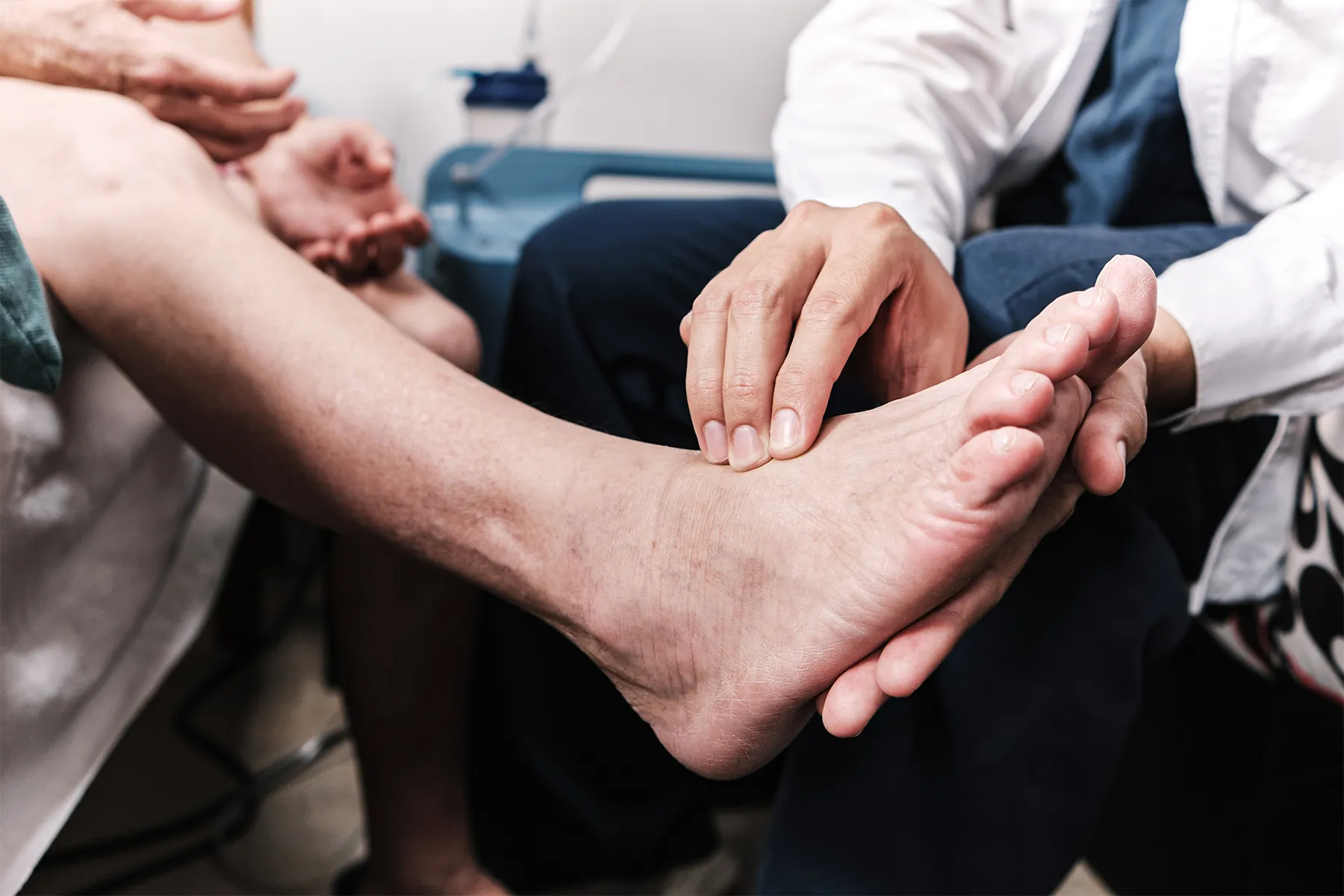
1. Full assessment of the foot and circulation
Your provider will examine the ulcer, check for signs of infection, test your sensation, and feel for pulses in your
feet and legs. They may order imaging (like an X-ray or MRI) or vascular tests to see how well blood is flowing and
whether bone or deeper tissues are involved.
2. Cleaning and moist wound care
The ulcer is gently cleaned to remove dirt and surface debris. In most cases, modern wound care aims to keep the
ulcer slightly moistnot wet and not dried out. Special dressings help absorb extra fluid, protect the wound, and
create an environment where skin cells can grow.
3. Debridement (removing dead tissue)
Dead or infected tissue around the ulcer acts like a barrier, stopping the wound from healing and feeding bacteria.
Your provider may carefully remove this tissue (called debridement) with a scalpel, special instruments, or other
methods. This is usually done regularly until healthy tissue is exposed.
4. Offloading pressure
You can’t heal a wound if you keep walking directly on it all day. That’s why offloading is a key part
of treating diabetic foot ulcers. Depending on the ulcer’s location and severity, your healthcare team might use:
- Special shoes or insoles
- Removable boots or braces
- Total contact casts (a special cast that redistributes pressure)
- Crutches or a wheelchair for a period of time
Offloading can feel inconvenient, but it’s one of the most effective ways to let an ulcer truly heal.
5. Treating infection
If the ulcer is infected, your provider may prescribe antibioticssometimes pills, sometimes IV medication if the
infection is severe. Infections might involve the skin, deeper tissues, or even bone. Signs include redness, warmth,
swelling, pus, fever, or feeling generally unwell. Never self-treat a suspected infected diabetic ulcer with leftover
antibiotics at home; you need a tailored plan.
6. Improving blood flow when needed
If poor circulation is part of the problem (and it often is), you may be referred to a vascular specialist. They may
recommend imaging of the blood vessels and, in some cases, procedures to open narrowed arteries to improve blood flow
to your foot. Better circulation can make a big difference in whether an ulcer heals.
7. Advanced and adjunctive therapies
For ulcers that are hard to heal, specialists may consider advanced wound therapies. These can include negative
pressure (vacuum) wound therapy, certain skin substitutes, growth factor treatments, or other evidence-based options.
These treatments are usually added on top ofnever instead ofgood basic care: offloading, debridement, infection
control, and blood sugar management.
Preventing Diabetic Ulcers and Sores
Prevention is where you have the most power. Even if you’ve already had a diabetic foot ulcer, you can dramatically
reduce your risk of another one with smart daily habits and regular medical care.
1. Check your feet every day
Make a daily foot check as routine as brushing your teeth. Look at the tops, sides, soles, and between the toes.
Use a mirror or ask a family member if you can’t see the bottom of your feet. You’re looking for:
- Cuts, cracks, or blisters
- Redness or warmth
- Swelling
- New calluses or corns
- Changes in color or shape
- Any open sore, no matter how small
If something looks “off” and doesn’t improve quickly, call your healthcare provider. With diabetic ulcers and sores,
“wait and see” is not your friend.
2. Practice good foot hygiene
Wash your feet every day in warm (not hot) water, using mild soap. Dry them thoroughlyespecially between the toes.
Apply moisturizer to dry skin, but avoid putting lotion between the toes, where too much moisture can cause problems.
3. Never go barefoot
This one is simple: always wear shoes or protective footwear, even in the house. A tiny splinter, a sharp tile edge,
or a Lego on the floor can become a major wound for someone with diabetes and neuropathy.
4. Wear well-fitting shoes and socks
Shoes that are too tight, too loose, or rub in one spot can create blisters and ulcers. Look for:
- Soft, supportive shoes with enough room for your toes
- No seams or rough spots inside that could rub your skin
- Socks without tight elastic bands or thick seams
If you’re at high risk for ulcers or have already had one, ask your provider about prescription diabetic footwear or
custom orthotics.
5. Don’t self-treat calluses or corns
Over-the-counter corn plasters, sharp tools, razors, and “bathroom surgery” are a hard no. Chemical agents and blades
can easily damage your skin and start an ulcer. Instead, let a podiatrist or trained professional manage calluses and
thick areas of skin safely.
6. Manage your blood sugar and overall health
Good glucose control doesn’t just help your A1Cit protects your nerves, blood vessels, and immune system. Over time,
this lowers your risk of neuropathy, poor circulation, and infections. Blood pressure control, cholesterol management,
quitting smoking, and staying active (in a foot-safe way) also support better healing and fewer foot complications.
7. Get regular foot exams
Most people with diabetes should have a professional foot exam at least once a year. If you have neuropathy, foot
deformities, a history of ulcers, or poor circulation, you’ll likely need more frequent visits. During these exams,
providers check your sensation, pulses, skin condition, and footwear, and can catch problems early.
When to Call the Doctor About a Foot Problem
Call your healthcare provider or podiatrist promptly if you notice:
- Any cut, blister, or sore that doesn’t start to improve within 24–48 hours
- New redness, warmth, or swelling in part of your foot
- Drainage, pus, or a bad smell from a wound
- Black or blue discoloration of skin on your toes or foot
- Sudden pain or a new area that feels unusually hot or cold
- Fever, chills, or feeling unwell along with a foot wound
Don’t wait for things to “settle down.” With diabetic ulcers and sores, early treatment can be the
difference between a quick fix and a serious complication.
Living With Diabetic Ulcers: Real-World Experiences and Lessons
Managing diabetic ulcers and sores isn’t just a medical taskit’s an emotional and practical journey, too. People who
have gone through it often describe a mix of frustration, fear, and, eventually, a lot of wisdom. While every person’s
experience is unique, some common themes come up again and again.
“I didn’t feel anything… that was the problem.”
Many people say their first ulcer started with something incredibly small: a pebble in a shoe, a blister from a new
pair of sneakers, or a callus that “didn’t look like a big deal.” Because neuropathy dulled the pain, they kept walking,
working, and going about their day. By the time they noticed a sore, it was much larger and more complicated than they
expected.
The takeaway: don’t wait for pain to tell you something is wrong. Vision and daily foot checks become your stand-ins
for sensation. Some people keep a simple checklist on their bathroom mirror: “Look, touch, check between toes.” It
sounds basic, but it’s powerful.
“Offloading felt like a punishment at first.”
Being told to wear a boot or use a wheelchair, even temporarily, can feel like losing independence. People often worry
about missing work, driving less, or needing more help around the house. However, those who got through healing
successfully often say that once they committed to offloading, their ulcers started to improve fasterand they
avoided far bigger problems.
Practical strategies that help include planning ahead: setting up a “rest station” at home with a chair, footstool,
and supplies; arranging rides or delivery services; and asking friends or family to help with high-impact chores like
grocery shopping.
“Foot care became part of my daily routine, like brushing my teeth.”
People who have had one diabetic ulcer are often highly motivated to avoid another. Many describe a turning point
where foot care went from “something my doctor nags me about” to a non-negotiable part of self-care. They line up
their lotion, mirror, and clean socks in one spot. They check feet at the same time every day, often after a shower
or before bed.
Small habits make this easier: keeping comfortable, well-fitting shoes by the door so you’re never tempted to walk
barefoot; throwing away old shoes that rub; and scheduling follow-up appointments before leaving the clinic, so
you’re never “too busy” to go back.
“Communication with my healthcare team made a big difference.”
People who feel comfortable asking questions tend to feel more in control of their care. They ask things like,
“How will I know if this ulcer is getting better?”, “What should I do if I see more redness?”, or
“Who do I call on the weekend?” Knowing the plan helps reduce anxiety and makes it easier to follow instructions.
Many also find it helpful to bring a family member or friend to key appointments. Another set of eyes and ears can
help remember instructions and support you in putting them into practice at home.
“The big picture matters.”
Finally, people living with diabetic ulcers often say that foot care led them to look at their overall health
differently. Managing stress, eating in a way that supports stable blood sugar, taking medications consistently,
and addressing sleep and mental health all support better healing. In other words, taking care of your feet isn’t
separate from taking care of the rest of youit’s all connected.
While diabetic ulcers and sores can be serious, many people go on to heal and stay ulcer-free for years with the
right combination of medical care and daily habits. You don’t have to handle it alone; your healthcare team is
there to help you protect your feet, your mobility, and your quality of life.
Bottom Line: Protect Your Feet, Protect Your Future
Diabetic ulcers and sores are common, but they’re not inevitable. By understanding how they form, acting quickly when
something looks wrong, and building solid foot-care habits, you can dramatically lower your risk of serious
complications. Regular checkups, smart footwear, blood sugar control, and daily visual inspections of your feet all
work together like a safety net.
And remember: this article is for education, not a diagnosis. If you have diabetes and notice a foot problemno matter
how minor it seemsreach out to your healthcare provider or podiatrist. Early action is almost always easier than
late intervention when it comes to diabetic ulcers and sores.
SEO metadata in JSON format














