
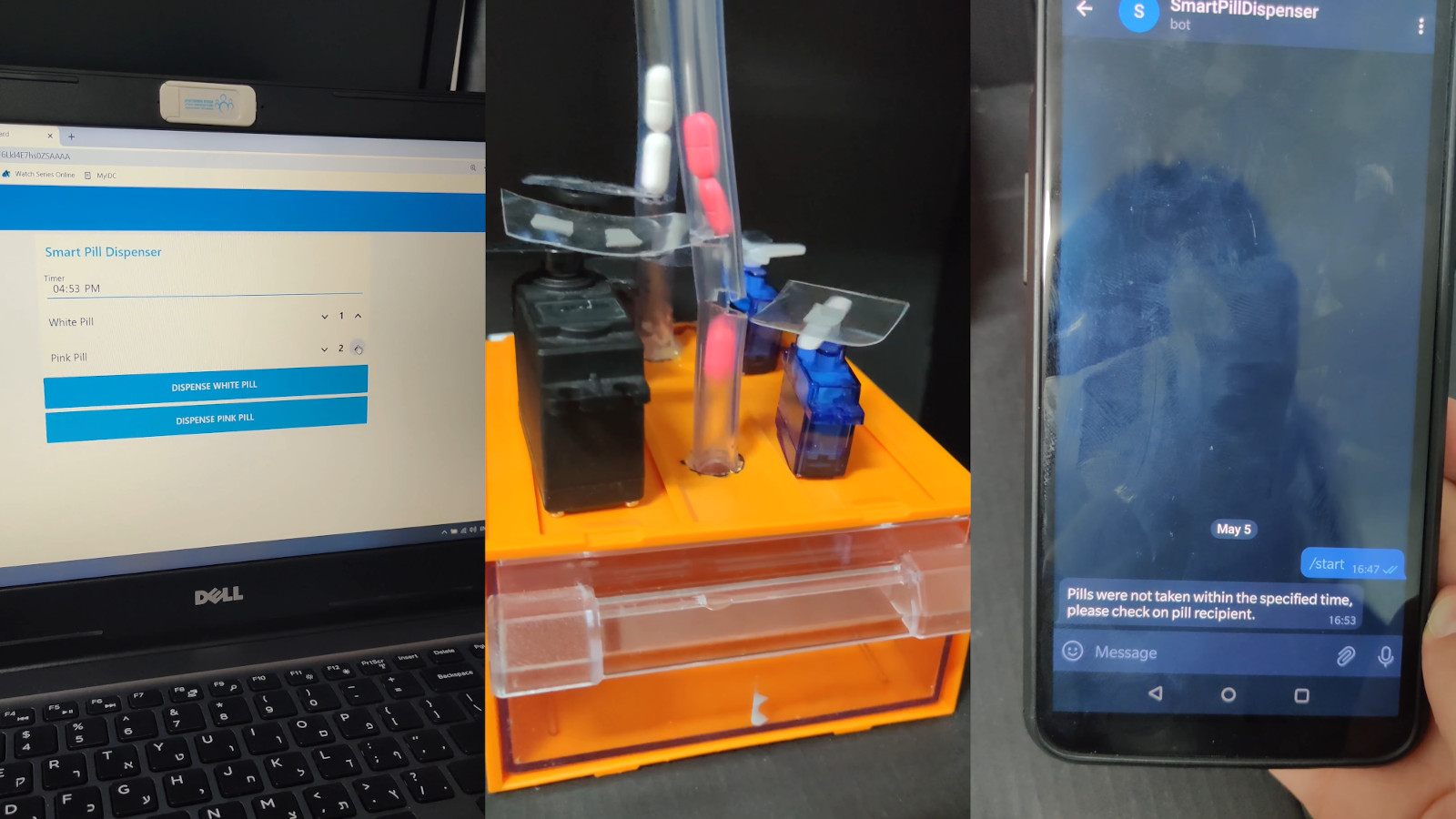
There are few household mysteries more suspenseful than the classic question: “Did Grandma take her pills?” It ranks somewhere between “Who finished the cookies?” and “Why is the TV remote in the refrigerator?” For families caring for aging parents or grandparents, medication management can become a daily detective story. A pill bottle is open. The Tuesday slot looks suspicious. Grandma insists she took the blue one, but nobody knows whether “the blue one” means blood pressure medication, allergy relief, or a mint from 1998.
That is where a smart pill dispenser enters the scene wearing a tiny superhero cape. These devices are designed to organize medication, release doses at scheduled times, send reminders, and notify caregivers when a dose is missed. They do not replace doctors, pharmacists, or common sense, but they can reduce confusion and give families something priceless: a little more peace of mind.
Medication adherence, especially for older adults, is a serious health issue. Many seniors take several prescriptions, over-the-counter medicines, vitamins, or supplements. When the routine gets complicated, mistakes become easier. A missed dose, double dose, wrong-time dose, or expired pill can create real problems. A smart medication dispenser helps turn a scattered routine into a trackable system.
Why Medication Management Gets Complicated With Age
Medication routines often grow slowly. First there is one prescription. Then another. Then a “take with food” pill, a “do not take with dairy” pill, a morning supplement, an evening tablet, an eye drop, and something that must be taken only on Sundays unless the moon is in retrograde. Okay, maybe not the moon partbut it can feel that way.
Older adults may face several challenges at once. Vision changes can make tiny labels harder to read. Arthritis can make childproof caps feel like security vaults. Memory changes can make it difficult to remember whether a dose was taken five minutes ago or only thought about five minutes ago. Add multiple doctors, pharmacy refills, changing dosages, and similar-looking pills, and the kitchen counter can start looking like a miniature pharmacy with emotional baggage.
Caregivers also carry a heavy load. Adult children may live across town, across the country, or across a very stubborn Wi-Fi connection. They want to help, but they cannot hover beside the medicine cabinet every morning. Calling repeatedly can feel intrusive. Not calling can feel risky. A connected pill dispenser offers a middle path: support without turning family life into a 24-hour medication surveillance drama.
What Is a Smart Pill Dispenser?
A smart pill dispenser is an electronic medication organizer that helps users take the right pills at the right time. Unlike a basic weekly pill box, a smart dispenser can sound alarms, flash lights, unlock only the scheduled dose, record whether the compartment was opened, and send updates to a caregiver’s phone or dashboard.
Some models are simple locked dispensers with alarms. Others are more advanced systems that hold multiple medications, dispense pre-sorted doses, track adherence, and send missed-dose alerts. Many are designed for older adults who want to remain independent while allowing family members or care teams to stay informed.
Common Features of Smart Medication Dispensers
Most smart dispensers include several helpful features:
- Timed medication reminders: The device beeps, lights up, speaks, or sends alerts when it is time for a dose.
- Automatic dispensing: Some units release only the scheduled pills, reducing the risk of taking medicine from the wrong slot.
- Missed-dose alerts: Caregivers may receive a notification if the dose is not taken within a set time window.
- Locking compartments: Locked storage can help prevent accidental double dosing.
- Adherence tracking: The system may log when doses are dispensed or retrieved.
- Refill reminders: Some devices remind families when supplies are running low.
- Caregiver app access: Family members can monitor routines remotely without constant phone calls.
How the Dispenser “Tells You” Grandma Took Her Pills
The magic is not actually magic, which is good because nobody wants a medication plan based on fairy dust. Smart pill dispensers use sensors, timers, software, and connectivity. When the scheduled time arrives, the machine prompts the user. If the dose is dispensed or the door is opened, the system records that action. If nothing happens, it can send a reminder or alert a caregiver.
For example, Grandma’s morning medications are scheduled for 8:00 a.m. The dispenser lights up and plays an alert. Grandma presses the button, takes the cup, and the device logs the event. Her daughter checks the app and sees that the dose was dispensed. No awkward phone call. No “Are you sure?” conversation. No family group chat titled “PILL PANIC.”
However, there is an important distinction: many devices can confirm that a dose was dispensed or accessed, but they may not confirm that the person swallowed the pills. That is why smart dispensers work best as part of a larger medication safety plan, not as a robotic babysitter with a pharmacy degree.
Benefits for Seniors: Independence Without Guesswork
Many older adults do not want to be managed. They want to be respected. A smart medication dispenser can support independence by making the routine easier while reducing the need for constant reminders from family members. Instead of someone asking, “Did you take your pills?” three times a day, the device handles the nudge.
For seniors who are comfortable at home but occasionally forget doses, this can be a major upgrade. The dispenser provides structure. It removes some decisions. It reduces the need to open multiple bottles. It also gives a clear routine: when the device alerts, take the dose that is available.
This can be especially useful for people managing chronic conditions such as high blood pressure, diabetes, heart disease, thyroid conditions, or pain plansany situation where timing and consistency matter. The goal is not to make life feel medicalized. The goal is to make medication boring again. Boring is excellent when it comes to pills.
Benefits for Caregivers: Peace of Mind Without Hovering
Caregivers often live with a strange mix of love, responsibility, guilt, and calendar notifications. A smart pill dispenser can reduce some of that mental load. Instead of relying on memory, sticky notes, and hopeful thinking, caregivers can see whether a medication event happened.
Remote alerts are especially helpful for adult children who do not live nearby. If a dose is missed, they can call, text, or arrange help. If doses are taken on schedule, they can relax instead of worrying through breakfast, lunch, dinner, and that mysterious 9:00 p.m. pill.
Caregiver tracking also helps during medical appointments. Instead of saying, “I think she usually takes them,” families can share a clearer pattern: missed evening doses, delayed morning doses, or frequent refill gaps. That information can help doctors and pharmacists adjust routines, simplify schedules, or identify side effects that might be interfering with adherence.
When a Smart Dispenser Makes the Most Sense
A smart pill dispenser is not necessary for every older adult. Some people do perfectly well with a basic weekly pill organizer and a consistent routine. Others benefit from more structure. A dispenser may be worth considering when:
- There are multiple daily medications.
- Doses are frequently missed or accidentally repeated.
- A caregiver needs remote visibility.
- The older adult wants to age in place safely.
- Pill bottles are becoming confusing or hard to manage.
- Medication timing is important and reminders are needed.
- Family members are spending too much time checking and rechecking.
The best candidates are often seniors who can still understand and participate in their medication routine but need support with organization, timing, or reminders. For people with advanced memory loss, significant confusion, or difficulty verifying pills, a dispenser may still help, but only with close caregiver or professional supervision.
Important Safety Limits: The Machine Is Helpful, Not Perfect
A smart medication dispenser is a tool, not a guarantee. It can reduce certain mistakes, but it cannot replace a medication review, a pharmacist’s guidance, or a caregiver’s judgment. Families should be especially careful with high-risk medications, changing prescriptions, pills that look similar, and medicines that require precise dosing.
Before using any dispenser, caregivers should confirm the medication list with a doctor or pharmacist. This includes prescription drugs, over-the-counter medicines, vitamins, herbal products, and supplements. Older adults should not stop, start, split, or combine medications without professional guidance. Even “natural” products can interact with prescriptions, and tiny label print is not a substitute for a pharmacist.
Families should also create a backup plan. What happens if the power goes out? What if the internet fails? What if Grandma ignores the alarm because her favorite show is at the good part? The dispenser should support the care plan, not be the only care plan.
What to Look for in a Smart Pill Dispenser
1. Ease of Use
The best dispenser is the one the older adult will actually use. Buttons should be simple. Alerts should be loud enough. The display should be readable. Loading should be manageable for the caregiver or pharmacy support person. If setup requires three apps, two passwords, and a minor in electrical engineering, keep shopping.
2. Reliable Alerts
Look for flexible reminders: sound, light, phone alerts, voice prompts, or caregiver notifications. Some users respond better to a friendly voice prompt than a beep that sounds like a microwave having a bad day.
3. Secure Storage
Locking compartments can reduce accidental access to future doses. This is useful for people who sometimes take an extra dose because they forgot the first one. Still, locked storage must be balanced with emergency access and caregiver oversight.
4. Caregiver Notifications
For remote families, app-based notifications are often the main reason to buy a smart dispenser. Choose a system that makes missed-dose alerts clear and quick. Bonus points if it does not send so many notifications that everyone starts ignoring them.
5. Capacity and Scheduling
Some devices hold a week of doses; others hold more. Some handle several daily dosing times; others are better for simpler routines. Check how many medications the unit can manage, how often it must be refilled, and whether it supports unusual schedules.
6. Privacy and Data Protection
Because connected dispensers may store health-related information, families should review privacy settings, account access, and data-sharing policies. Medication information is personal. It should not be treated like a grocery list taped to the neighborhood mailbox.
7. Cost and Subscription Fees
Some dispensers require a monthly subscription for app access, monitoring, cellular connectivity, or caregiver alerts. Consider both the upfront price and long-term cost. A device that looks affordable today may become expensive if the subscription feels like it is also taking a pill every monthdirectly from your wallet.
How to Set Up a Medication Dispenser the Smart Way
Start with a complete medication list. Include the medication name, dose, timing, purpose, prescribing doctor, pharmacy, refill date, and special instructions. Then compare that list with the actual bottles at home. Remove expired medications or old prescriptions according to safe disposal guidance from a pharmacist or local medication take-back program.
Next, ask a pharmacist or healthcare professional to review the list. This step matters because some medication problems are not caused by forgetfulness; they are caused by complexity. A doctor may be able to simplify timing, remove unnecessary duplicates, or adjust a schedule that is unrealistic.
When loading the dispenser, use a calm environment and double-check each compartment. Do not refill while distracted, tired, or also trying to answer the door, feed the dog, and debate politics with Uncle Ron. Medication loading deserves full attention.
After setup, run a practice session. Let Grandma hear the alarm, see the light, press the button, and understand what happens. The first week should be treated as a training period. Watch for missed alerts, confusion, frustration, or technical problems. Adjust the schedule and reminder style as needed.
Smart Dispenser vs. Pill Organizer vs. Medication App
A basic pill organizer is inexpensive and visual. It works well for people who remember doses but need help sorting them. A medication app is flexible and portable, but it depends on the user hearing, seeing, and responding to phone notifications. A smart pill dispenser combines physical organization with reminders and caregiver tracking.
The right choice depends on the person. A tech-savvy senior may love an app. Someone who dislikes smartphones may prefer a talking dispenser. Someone with a simple once-daily medication routine may only need a seven-day pill box. The goal is not to buy the fanciest gadget. The goal is to match the tool to the real-life routine.
Real-Life Experience: What Families Learn After Using One
The first surprise many families discover is that medication forgetfulness is not always about memory. Sometimes the problem is timing. Grandma might remember her pills perfectlyjust not at the time the prescription requires. Breakfast gets delayed. A neighbor visits. The morning news becomes a full-contact sport. Suddenly the 8:00 a.m. dose becomes the 11:30 a.m. dose, and everyone wonders why the routine feels wobbly.
A smart dispenser can reveal patterns. Maybe morning doses are consistent, but evening doses are often late. Maybe Sunday refills are stressful. Maybe the alarm is too quiet. Maybe Grandma avoids a certain pill because it causes nausea, dizziness, or another uncomfortable side effect. In that case, the dispenser is not just a reminder machine; it becomes a clue collector.
Another common experience is emotional. At first, some seniors may feel insulted. “I do not need a machine to tell me what to do,” they might say, while the machine sits there looking innocent and vaguely toaster-like. Families should introduce the device as a support for independence, not as proof that Grandma cannot manage. Language matters. “This helps us worry less” often lands better than “You keep forgetting.”
Caregivers also learn that alerts need boundaries. If every minor delay triggers a family emergency, the system becomes annoying fast. A better approach is to create a reasonable response plan. For example, if a dose is missed by 30 minutes, the app sends a reminder. If it is missed by 90 minutes, a caregiver calls. If there is no answer, a neighbor or care aide checks in. Calm steps beat panic every time.
Many families also discover that the dispenser improves conversations with healthcare providers. Instead of vague reports, they can describe actual patterns: “She misses the noon medication twice a week,” or “The evening dose is often late because she falls asleep early.” These details can help professionals recommend practical changes.
There are also small victories. Grandma may feel proud when the routine becomes easier. Caregivers may sleep better. Family calls may become more pleasant because they are no longer medication interrogations. The dispenser does not make aging simple, but it can remove one daily knot from the rope.
Of course, real life still happens. Pills change. Refills run late. Batteries fail. Apps update at the worst possible time because technology enjoys drama. That is why families should review the system regularly. Check the medication list monthly, confirm refill supplies, clean the device, test alerts, and make sure Grandma still understands the routine.
Conclusion: A Small Device With Big Peace-of-Mind Energy
So, did Grandma remember her pills? With a smart pill dispenser, you may finally have a clearer answer. These devices can organize doses, send reminders, log activity, and alert caregivers when something is missed. For older adults managing multiple medications, that structure can support independence and reduce daily confusion.
Still, the smartest dispenser is only one part of smart care. Medication safety also depends on accurate prescriptions, pharmacist reviews, clear labels, safe storage, proper disposal, and honest conversations about side effects. The best results happen when technology, family support, and healthcare guidance work together.
If Grandma is juggling several prescriptions and the family is juggling worry, a smart medication dispenser may be worth considering. It will not make coffee, fold laundry, or stop Grandpa from retelling the same fishing story, but it can answer one important question with less guessworkand that is a pretty good trick for a box full of pills.
Note: This article is for informational purposes only and does not replace advice from a doctor, pharmacist, or qualified healthcare professional. Medication routines should always be reviewed with a healthcare provider, especially for older adults, people with memory concerns, or anyone taking high-risk medications.












