
Your laundry is washed, your socks are damp, and your dryer has decided to enter its silent era. You press the start button. Nothing. No drum movement, no comforting hum, no warm promise of fluffy towels. Before you declare the appliance dead and start shopping for a new one, take a breath. A dryer that won’t start is often caused by something simple: a door that is not fully latched, a tripped breaker, Control Lock, Delay Start, or a clogged vent that caused a safety fuse to shut things down.
This guide walks through 11 common reasons a clothes dryer won’t start, from quick homeowner checks to problems that usually require professional repair. The goal is not to turn your laundry room into a repair lab. It is to help you troubleshoot safely, understand what the symptoms mean, and avoid paying for a service call when the fix is as basic as resetting a breaker or closing the door with a little more confidence.
Safety first: Always unplug the dryer or turn off the breaker before inspecting anything beyond the control panel, door, lint screen, or vent area. If you smell gas, see burned wiring, notice scorch marks, or are unsure about electrical testing, stop and call a qualified appliance technician.
Before You Troubleshoot: What Kind of “Won’t Start” Problem Do You Have?
“My dryer won’t start” can mean several different things. The fastest way to narrow the cause is to notice what the dryer does when you press Start.
- No lights, no sound, no response: Think power supply, outlet, breaker, cord, or control board.
- Lights are on, but the drum will not turn: Think door switch, start switch, thermal fuse, belt switch, motor, or control issue.
- The dryer hums but does not spin: Think motor trouble, jammed blower wheel, overloaded drum, or a seized component.
- The dryer starts, then stops quickly: Think overheating, blocked vent, bad motor, loose door latch, or control failure.
- The panel responds, but Start does nothing: Think Child Lock, wrong cycle setting, Delay Start, start switch, or electronic control board.
Once you know the symptom, the cause is usually easier to track down. Now let’s work from the simplest fixes to the more serious possibilities.
1. The Dryer Is Not Getting Power
The most boring cause is also one of the most common: the dryer is not receiving proper power. Electric dryers usually need a 240-volt supply, while many gas dryers still need a standard electrical connection to run the motor, controls, and igniter. If the dryer display is dark and there is no interior drum light, start with the power supply before blaming the machine.
Common signs
- No control panel lights
- No drum light when the door opens
- No click, hum, or response when Start is pressed
- The dryer worked earlier, then suddenly went dead
Solution
Make sure the dryer plug is fully seated in the outlet. Then check your home’s breaker panel. Electric dryers often use a double-pole breaker, and one side can trip while the other appears normal. Turn the dryer breaker fully off, then back on. If your home uses fuses, check for a blown fuse and replace it with the correct type and rating.
If the breaker trips again immediately, do not keep resetting it like you are trying to win an arcade game. Repeated tripping can point to an electrical fault that needs professional attention.
2. The Power Cord or Terminal Block Is Damaged
If the outlet and breaker are fine but the dryer still has no power, the issue may be with the power cord or terminal block. The terminal block is where the cord connects to the dryer. Loose connections, overheating, or incorrect installation can prevent the dryer from starting and may create a fire risk.
Common signs
- Dryer has no power even after breaker reset
- Burning smell near the back of the appliance
- Visible scorch marks on the cord or outlet
- Dryer works intermittently when the cord is moved
Solution
Do a visual check only. Look for obvious cord damage, heat discoloration, melted plastic, or a loose plug. If you see any of these, stop using the dryer. A technician or electrician should inspect the outlet, cord, and terminal block. This is not the place for creative DIY energy. Electricity is not impressed by confidence.
3. The Door Is Not Fully Closed
Most dryers will not start unless the door is securely closed. This is a built-in safety feature, not your dryer being dramatic. A towel corner, bulky zipper, broken latch, or weak door catch can prevent the door from engaging the switch properly.
Common signs
- The dryer has power but does not run
- You have to slam or hold the door for it to work
- The door pops open during a cycle
- The dryer starts sometimes, but not consistently
Solution
Open the door and remove anything caught near the seal. Close it firmly and listen for a clear click. Check the latch and strike for cracks, bending, or looseness. If the door will not stay shut, the latch or catch may need replacement. These parts are usually inexpensive, but the exact design depends on the dryer model.
4. The Door Switch Has Failed
The door switch tells the dryer whether the door is open or closed. If the switch fails, the dryer may think the door is open even when it is shut. On many models, the interior light should turn off when the switch is pressed. If the light stays on or never comes on at all, the door switch may be part of the problem.
Common signs
- Dryer lights up but will not start
- Interior light behaves strangely
- No click from the door switch area
- Dryer starts only when the door is pressed in a certain way
Solution
With the dryer unplugged, inspect the door switch area for damage, looseness, or a switch that appears stuck. A technician can test the switch for continuity and replace it if it has failed. On some models this is a manageable repair, but if you are not comfortable removing panels or handling wiring, professional service is the safer route.
5. The Start Button or Start Switch Is Bad
On many dryers, pressing Start completes a circuit that tells the motor to run. If the start switch fails, the dryer may have power, the timer may be set, and the door may be closed, yet nothing happens. It is the appliance version of “I heard you, but I’m not doing that.”
Common signs
- Panel lights work but the dryer does not respond to Start
- Start button feels loose, stuck, or different than usual
- Mechanical push-to-start knob does not click properly
- No motor sound when Start is pressed
Solution
First, make sure you are pressing and holding Start long enough. Some models require a firm press for about a second. If the button feels physically broken or the dryer remains completely silent, the switch may need testing and replacement. A faulty push-to-start switch is usually less expensive than a motor or control board, so it is worth checking before assuming the worst.
6. The Wrong Cycle, Delay Start, or Control Lock Is On
Modern dryers are smarter than old-school machines, which is wonderful until a setting quietly blocks the cycle. Control Lock or Child Lock can disable buttons. Delay Start can make the dryer wait before running. Some sensor cycles may not behave the way you expect if the load is too small, too dry, or not touching the moisture sensors.
Common signs
- Control panel lights up but buttons do not respond
- A lock icon appears on the display
- The timer does not count down
- The dryer beeps but will not run
- The dryer starts after a delay, not immediately
Solution
Check the display for icons such as Control Lock, Child Lock, Delay Start, or an error code. Hold the lock button or the model-specific button combination listed in your owner’s manual to turn the lock off. Cancel Delay Start if it is active. Then choose a basic Timed Dry cycle and press Start again. Timed Dry is a good test because it removes some sensor-cycle guesswork.
7. The Thermal Fuse Has Blown
The thermal fuse is a safety device designed to stop the dryer from overheating. In many electric dryers, a blown thermal fuse can prevent the motor from running, even if the control panel still lights up. The important detail: a thermal fuse does not reset. If it blows, it must be replaced. More importantly, the reason it blew must be fixed too.
Common signs
- Dryer has power but will not start
- Dryer stopped during or after a hot cycle
- Clothes have been taking longer to dry
- Dryer feels unusually hot
- Vent airflow outside is weak
Solution
A technician can test the thermal fuse with a multimeter. If it has failed, replace it with the correct manufacturer-approved part. Never bypass a thermal fuse to “test” the dryer in normal use. That fuse exists because dryers produce heat, lint is flammable, and your laundry room is not auditioning for a disaster movie.
Also inspect and clean the lint screen, exhaust hose, wall duct, and outside vent hood. A clogged vent is one of the most common reasons a dryer overheats. If the vent is crushed, packed with lint, too long, or blocked by a stuck exterior flap, the new fuse may fail again.
8. The Dryer Vent Is Blocked or Restricted
A blocked vent does not always stop a dryer immediately, but it can lead to overheating, repeated shutdowns, long dry times, and blown safety components. If your dryer has been running hotter than usual or taking two cycles to dry towels, the “won’t start” problem may be the final symptom of an airflow issue that has been building for months.
Common signs
- Clothes take too long to dry
- Dryer shuts off mid-cycle
- Laundry room feels hot or humid
- Burning or hot-lint smell
- Little or no airflow from the outdoor vent
Solution
Clean the lint filter before or after every load. Pull the dryer away from the wall and check that the vent hose is not crushed, kinked, or disconnected. Use rigid or semi-rigid metal duct where recommended, and avoid flimsy plastic venting. Go outside while the dryer runs and confirm that air is moving through the exterior vent flap.
If the duct runs through a wall, attic, crawl space, or roof, consider professional vent cleaning. A clear vent helps the dryer run safer, dry faster, and avoid overheating-related failures.
9. The Drive Belt or Belt Switch Is Broken
The drive belt wraps around the dryer drum and helps it rotate. On some models, a broken belt activates a belt switch that stops the motor from running. On other models, the motor may run but the drum will not spin. Either way, a broken belt can make the dryer seem completely dead or mechanically stuck.
Common signs
- Motor runs but drum does not turn
- Dryer makes a humming sound
- Drum turns too easily by hand
- You heard a snap or thump before the dryer stopped
- Dryer stopped mid-cycle and will not restart
Solution
With the dryer unplugged, try turning the drum by hand. If it spins with almost no resistance, the belt may be broken. Replacing a dryer belt requires opening the cabinet and routing the belt around the motor pulley and idler pulley correctly. Handy homeowners sometimes do this repair, but if the model is stacked, tight against cabinetry, or difficult to access, calling a technician is often worth it.
10. The Drive Motor Is Failing
The drive motor turns the drum and blower wheel. If the motor fails, the dryer may hum, buzz, start only after cooling down, or stop mid-cycle. Motors can also overheat when airflow is restricted, the drum is overloaded, or a blower wheel is jammed by debris.
Common signs
- Dryer hums but does not start
- Burning smell from the motor area
- Dryer starts after cooling, then stops again
- Drum is difficult to turn by hand
- Loud grinding, buzzing, or rattling noise
Solution
First, remove some clothes and try a smaller load. Heavy wet blankets, bath mats, or overloaded towels can strain the motor. If the dryer still hums or shuts off, unplug it and stop testing. A technician can inspect the motor, blower wheel, rollers, idler pulley, and drum support parts to find out whether the motor itself has failed or another part is preventing it from turning.
11. The Timer, Main Control Board, or Wiring Has Failed
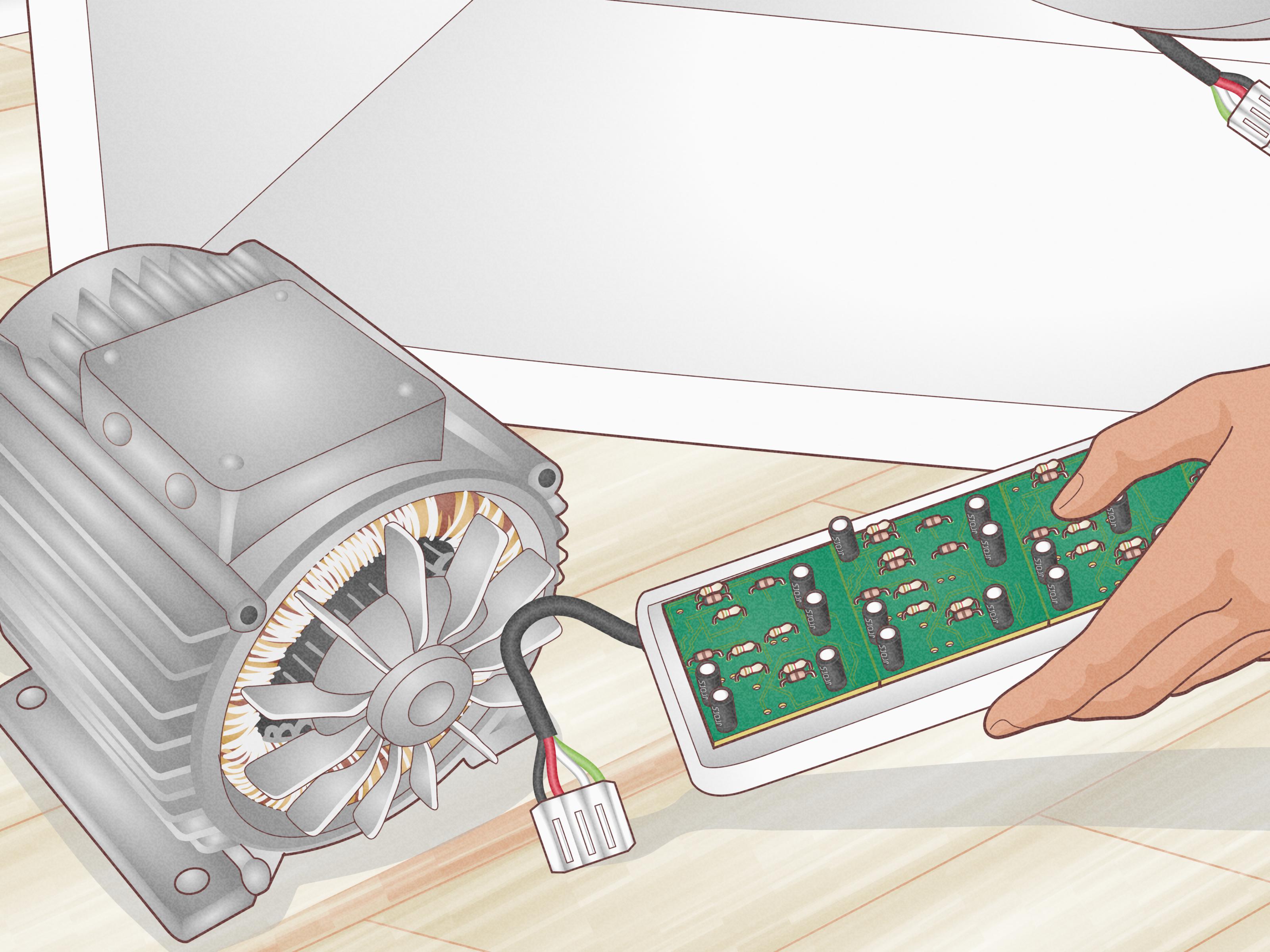
If the simple checks pass and the major safety components test properly, the problem may be in the timer, electronic control board, motor relay, or wiring harness. These parts manage the dryer’s start signal and cycle operation. When they fail, the symptoms can be confusing: lights may work, some buttons may respond, error codes may appear, or the dryer may start randomly and then stop.
Common signs
- Control panel behaves unpredictably
- Buttons work sometimes but not always
- Timer does not advance
- Error codes appear repeatedly
- Other tested parts are good, but the dryer still will not run
Solution
Try a basic reset first. Unplug the dryer or turn off the breaker for one minute, then restore power and select a simple Timed Dry cycle. Some electronic models may also have a manufacturer-specific reset procedure. If the problem returns, professional diagnosis is usually the smartest move. Control boards are too expensive to replace on a guess, and wiring problems should be handled carefully.
Quick Troubleshooting Checklist
Use this order to avoid jumping straight to expensive repairs:
- Check that the dryer is plugged in securely.
- Reset the dryer breaker fully off and back on.
- Confirm the door is closing and latching properly.
- Look for Control Lock, Child Lock, Delay Start, or error codes.
- Try a basic Timed Dry cycle.
- Clean the lint screen and inspect the vent hose.
- Check for blocked outdoor vent airflow.
- Listen for a click, hum, buzz, or motor attempt when Start is pressed.
- Consider door switch, start switch, thermal fuse, belt, or motor issues.
- Call a technician for electrical testing, gas dryers, burned wiring, or internal parts.
When to Call a Professional
You can safely handle basic checks: power, settings, door closure, lint filter, and visible vent restrictions. But call a professional if the dryer has power yet will not run, trips the breaker repeatedly, smells hot or burned, shows scorch marks, hums without spinning, or has a suspected thermal fuse, motor, control board, or wiring failure.
Gas dryers deserve extra caution. If you smell gas, turn off the appliance if safe to do so, leave the area, and contact your gas provider or emergency service according to local guidance. Do not keep pressing buttons to “see what happens.” The dryer already gave you its review: zero stars, needs attention.
Repair or Replace: How to Decide
A simple door switch, start switch, belt, or thermal fuse repair may be worth doing, especially if the dryer is otherwise in good shape. But if the appliance is older, has multiple failures, poor drying performance, rust, drum damage, or needs an expensive motor or control board, replacement may be more practical.
As a general rule, compare the repair estimate with the cost of a new dryer. Also consider energy efficiency, vent condition, household laundry volume, and whether the matching washer is also nearing retirement. If the dryer is less than halfway through its expected life and the repair is modest, fixing it often makes sense. If it is old enough to remember your first apartment and now wants a control board, motor, and emotional support, it may be time to shop.
Experience Notes: Real-World Lessons From a Dryer That Won’t Start
In real homes, a dryer that won’t start rarely fails at a convenient time. It usually happens when the washer is full, the basket is overflowing, and someone needs jeans dry in 40 minutes. The good news is that many “dead dryer” moments are not actually dead-dryer moments. They are small oversights wearing a scary costume.
One of the most common experiences is the half-tripped breaker. The homeowner checks the panel, sees the breaker sitting near the on position, and assumes everything is fine. But a breaker can look normal while still needing a full reset. Turning it firmly off and then back on can bring the dryer back instantly. It feels like magic, but it is just electricity being picky.
Another common story is the door latch mystery. A dryer may work for years with a slightly loose door, then suddenly refuse to start. People press Start harder, change cycles, unplug the machine, and begin researching new dryers. Then they notice the door does not click like it used to. A worn latch or weak catch can make the dryer think the door is open. In that case, the machine is not broken in a dramatic way; it is just following orders from a tiny switch.
Control Lock is another classic troublemaker, especially in homes with kids, curious guests, or anyone who cleans the control panel with heroic enthusiasm. Many modern dryers lock the buttons to prevent accidental changes. That is helpful until someone forgets the feature exists. If the display is lit but buttons do nothing, look for a small lock icon before assuming the control board has gone to appliance heaven.
The thermal fuse is where the story becomes more serious. Many homeowners replace a blown thermal fuse and celebrate when the dryer starts again, only for the same problem to return. That usually means the fuse was the symptom, not the root cause. The real villain is often restricted airflow: a packed lint screen, crushed transition duct, blocked wall vent, or exterior flap stuck shut. A dryer needs to breathe. If hot air cannot leave, heat builds up, safety parts trip, and drying performance gets worse.
Vent cleaning can be surprisingly revealing. People often clean the lint screen faithfully but forget the duct hidden behind the dryer or inside the wall. Pulling the dryer out may reveal a hose smashed flat against the wall, lint packed at the connection, or a vent line that has not seen daylight since the previous decade. Once airflow improves, clothes dry faster, the laundry room stays cooler, and the dryer works less like a sauna with buttons.
There is also the overload problem. Big wet comforters, towels, and rugs can strain the motor, especially in older dryers. If the dryer hums but does not start, removing part of the load may help identify whether the drum was simply too heavy. However, repeated humming is not something to ignore. A struggling motor can overheat, and continuing to force it can turn a repairable issue into a more expensive one.
The biggest practical lesson is to troubleshoot in order. Start with what is free and visible: power, breaker, plug, door, settings, lock icons, lint screen, and vent airflow. Then move to likely parts: door switch, start switch, thermal fuse, belt, motor, timer, and control board. This keeps you from replacing expensive components before checking the humble lint filter, which has quietly been causing chaos from the beginning.
A dryer that won’t start is frustrating, but it is not always a financial disaster. With careful observation and safe troubleshooting, you can often separate a simple reset from a real repair. And if the dryer does need professional help, you will be able to describe the symptoms clearly, which saves time, reduces guesswork, and makes you sound impressively prepared.
Conclusion
When a dryer won’t start, begin with the basics: power supply, breaker, door latch, settings, and Control Lock. If the dryer has power but still refuses to run, the most likely causes include a failed door switch, bad start switch, blown thermal fuse, broken belt, failing motor, blocked vent, or control-board issue. The smartest approach is to troubleshoot from simple to complex and stay alert for safety signs such as burning smells, scorch marks, repeated breaker trips, or gas odor.
A clean vent system is one of the best long-term fixes you can give your dryer. It improves airflow, helps prevent overheating, supports faster drying, and reduces the chance of thermal fuse failure. In other words, lint may look fluffy and innocent, but in dryer world, it is basically the tiny villain in a cape.
If you can solve the issue with a reset, latch adjustment, setting change, or vent cleaning, great. If internal electrical parts are involved, let a qualified technician handle the diagnosis. Your dryer should dry clothes, not test your bravery.














