
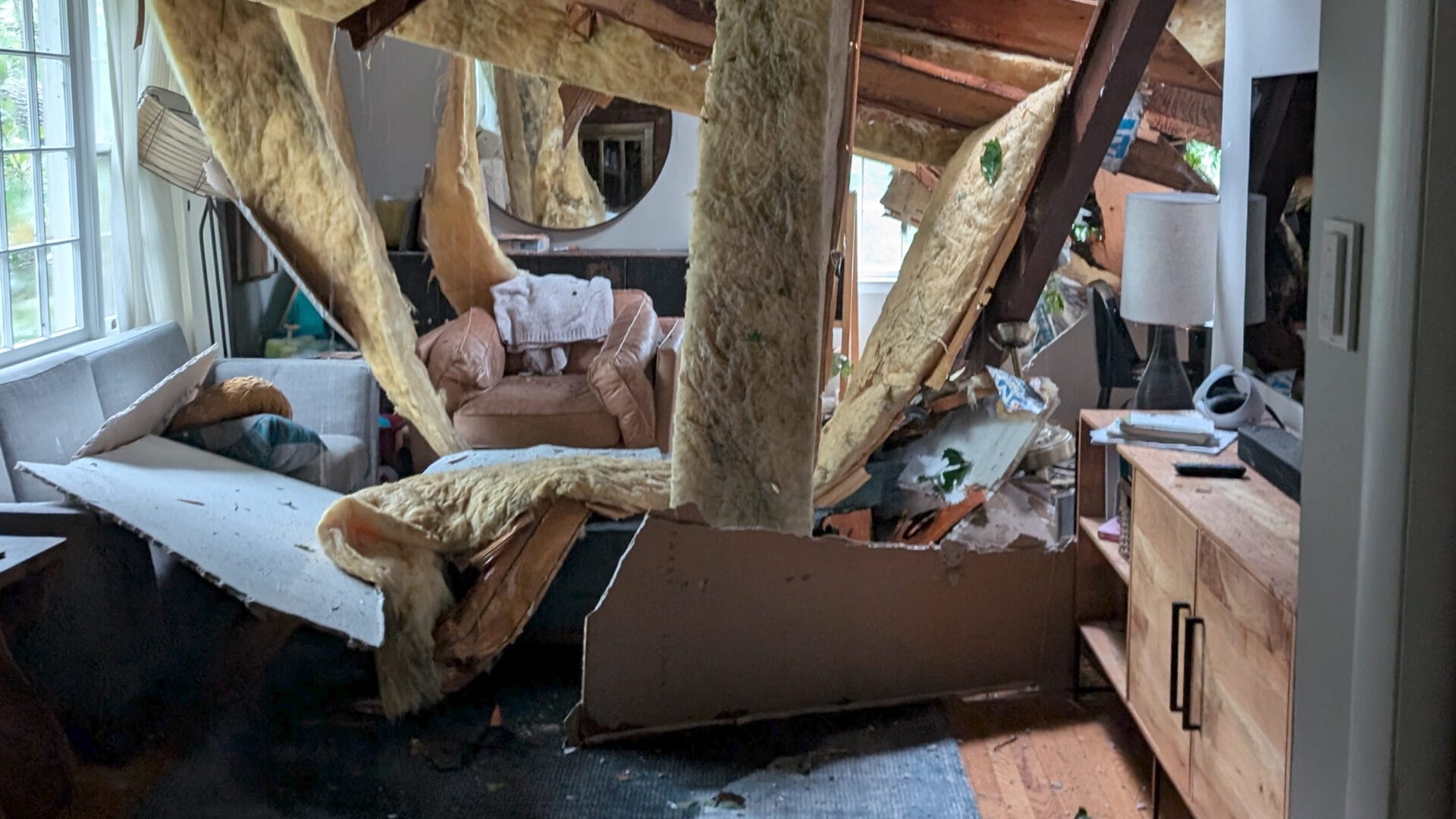
Some titles sound like they belong on a streaming platform. Others sound like they belong on a pantry shelf next to canned beans and a flashlight that may or may not have batteries. E2: Family Survival somehow manages to do both. As a title, it is compact. As an idea, it is enormous. In the context of the This Old House web exclusive tied to Hurricane Helene, it points to something bigger than one storm, one house, or one scary night: the brutally practical, deeply emotional question of what family survival really looks like when disaster stops being a headline and barges through the front door.
That is what makes this topic so compelling. Family survival is not just about dramatic rescues, heroic weather updates, or a dad trying to open a stubborn can with a multitool while pretending everything is under control. It is about the systems families build before crisis hits, the choices they make during chaos, and the recovery work that drags on long after the floodwater, wind, or smoke leaves the camera frame. In other words, survival is not a moment. It is a chain of decisions.
This article explores E2: Family Survival as both a real story and a larger lesson in family emergency preparedness. It looks at what the episode represents, why it resonates, and what ordinary households can learn from it without turning the living room into a bunker or labeling the dog “Chief of Logistics.” The goal is not fear. The goal is readiness, resilience, and a little less panic when life decides to freestyle.
What “E2: Family Survival” Really Means
At its core, E2: Family Survival is about what happens when a family is pushed out of the comfortable fantasy that home is always safe. The title comes from a This Old House web exclusive that centers on a family’s terrifying experience during Hurricane Helene and the painful stretch between destruction and rebuilding. That framing matters because it moves the conversation beyond weather and into human reality. A storm is a meteorological event. Survival is a family event.
That shift is why the phrase lands so hard. It is not “storm damage.” It is not “property loss.” It is not even “home repair,” though those are all part of the story. It is family survival, which includes protecting children, staying together, making fast decisions with incomplete information, managing fear, and figuring out what matters when the normal rules have collapsed. Suddenly the question is not whether the sofa got ruined. It is whether the family has a plan, a way to communicate, a safe place to go, and enough calm to function when every instinct is screaming.
That is also why this topic works far beyond one hurricane. Whether the threat is flooding, wildfire, tornadoes, power outages, severe winter weather, or another emergency, families face the same basic survival puzzle: How do we stay safe, stay connected, and keep going when our routines disappear?
Why This Story Hits So Hard
Home feels permanent until it doesn’t
One reason the E2: Family Survival story sticks with people is that it exposes how fragile the idea of “normal” really is. Families build their lives around routines that feel solid: kids sleep in the same rooms, medicine stays in the same cabinet, everyone assumes the road out of town will still be there tomorrow. A major disaster crushes that illusion in a hurry. The lights go out. Phones stop working. Roads close. Familiar spaces become dangerous. The place designed to protect the family becomes the place the family has to escape.
Survival is emotional, not just physical
Another reason the story resonates is that family survival is never purely physical. Yes, shelter, water, medication, and evacuation matter. But so do fear, confusion, guilt, and the pressure to stay calm for children while your own nerves are doing gymnastics. Parents often have to perform emotional triage while handling practical triage. That is a heavy lift. Children, especially, read adult stress like tiny emotional weather stations. If the grown-ups look completely lost, the whole room feels shakier.
Recovery is the long sequel nobody asks for
Then comes the part many families underestimate: recovery. Survival is not over when the danger passes. After a disaster, families deal with housing, insurance, paperwork, cleanup, food safety, mold risks, school disruption, and the simple exhaustion of being “fine” on paper while absolutely not feeling fine in real life. The episode title works because it captures that broader arc. Family survival includes the awful night, yes, but it also includes the morning after, the week after, and the months after.
The Biggest Lessons Families Can Take From E2: Family Survival
1. A family emergency plan is not optional
The first lesson is wonderfully unglamorous: make a plan before you need one. Families should know where to meet, how to communicate, where to evacuate, and what to do if family members are separated when an emergency hits. That last point matters more than people think. Adults may be at work. Children may be at school or childcare. A family that assumes “we’ll figure it out” is basically writing a love letter to future panic.
A practical family emergency plan should include primary and backup meeting locations, out-of-area contacts, school pickup procedures, transportation options, and a simple division of responsibilities. Who grabs medications? Who handles the pet carrier? Who has the document folder? Who checks on an older relative? When everyone knows their role, the family has a better chance of acting instead of freezing.
2. Your emergency kit should be boring, complete, and ready
Preparedness is often sold like an action movie, but the real hero is the container filled with ordinary, useful things. Water, nonperishable food, flashlights, batteries, chargers, radios, medications, first aid supplies, hygiene items, copies of key documents, and cash can look wildly unimpressive until the power is gone and the roads are closed. Then that boring tote becomes the household MVP.
The smartest families build kits for both staying home and leaving quickly. A home kit helps if roads are blocked or services fail. A go-bag helps if evacuation happens fast. That distinction matters because disasters are rude; they rarely ask whether you were planning to shelter in place or sprint to the car in mismatched shoes.
3. Children need preparation, not just protection
One of the most overlooked parts of family survival is preparing children in ways that help without scaring them. Kids do better when they understand basic steps, know who will pick them up, recognize warning signs, and have a few comfort items in the emergency kit. A flashlight, a familiar toy, a small game, or a favorite snack can make a stressful situation feel less alien.
That does not mean turning dinner into a disaster seminar. It means age-appropriate planning. Show children where to go. Practice simple routines. Help them memorize important names or phone numbers if they are old enough. Tell them what happens if the family gets separated and where reunification would happen. Prepared children are often calmer children, and calmer children help the whole family function better.
4. Family survival includes mental health
Preparedness culture sometimes acts like grit alone solves everything. It does not. After a disaster, children and adults may experience anxiety, sleep problems, fear of weather, irritability, sadness, or stress reactions that linger long after visible damage is cleaned up. Families need permission to treat emotional recovery as real recovery, not as an inconvenient side quest.
Talk openly. Keep routines where possible. Let kids ask the same question twelve times if they need to. Watch for signs that stress is not fading. Survival is not just getting everyone through the event. It is helping everyone feel safe enough to live normally again.
5. Recovery begins with documents, money, and records
People remember food and flashlights. They often forget paperwork until they desperately need it. Copies of insurance policies, IDs, medical information, prescriptions, property records, tax documents, and contact lists can make recovery far smoother. Digital backups help, but families should also think about physical copies stored safely and accessibly.
This part is not thrilling, but it is one of the clearest real-world lessons from disaster recovery. When families are displaced, exhausted, and trying to apply for assistance, locate policies, or prove ownership, organized records save time, money, and sanity. Filing systems are not glamorous, but neither is standing in a parking lot trying to remember your insurance number while your phone battery dies at 3 percent.
6. Cleanup can be dangerous too
Many people assume the danger ends when the water recedes. That is adorable. Post-disaster cleanup brings its own hazards, especially after flooding. Wet materials can trigger mold growth quickly. Contaminated floodwater can leave behind bacteria and chemicals. Food can become unsafe after power outages. Recovery, in other words, is not just tiring. It can be risky.
Families dealing with flood damage should move quickly to dry affected spaces, remove materials that cannot be salvaged, and use appropriate protective gear during cleanup. They should also treat refrigerated perishables with suspicion after long outages. When the food safety guidance says “when in doubt, throw it out,” it is not being dramatic. It is trying to save you from turning a hard week into a harder week with foodborne illness.
7. Pets are family, which means they belong in the plan
A surprising number of emergency plans still act like pets are decorative throw pillows that will somehow manage themselves. They will not. Family survival plans should include leashes, carriers, food, water, medications, identification, vaccination records, and evacuation destinations that accept animals. If the family leaves, the pet plan leaves too.
This matters because families often delay evacuation or make dangerous choices when they cannot take pets safely with them. A complete plan removes that terrible decision from the moment of crisis. The best time to solve pet logistics is before the sky looks suspicious.
How E2: Family Survival Connects to Modern Disaster Preparedness
What makes E2: Family Survival more than just a story title is that it mirrors the modern American reality of disaster risk. Families across the United States are dealing with stronger storms, flash flooding, wildfire threats, power outages, and infrastructure disruptions that can turn a normal week into a survival test. Preparedness is no longer niche behavior for people who alphabetize canned soup. It is ordinary household responsibility.
The best modern preparedness strategy is layered. It includes risk awareness, a family communication plan, emergency supplies, document protection, evacuation routes, child reunification planning, pet readiness, and basic recovery knowledge. Families do not need to become experts in every hazard. They do need to stop assuming that “someone will tell us exactly what to do” is a complete strategy.
In that sense, the episode title is almost educational. Family survival is the right phrase because it reminds us that emergencies hit households, not just zip codes. The real unit of preparedness is not the county or the weather map. It is the family.
Experience Section: What Family Survival Feels Like in Real Life
To understand E2: Family Survival, it helps to think beyond policy checklists and picture the lived experience of a family moving through a disaster. First comes uncertainty. The weather alerts feel serious, but life still looks normal enough to tempt denial. Someone says, “It’ll probably be fine,” because that sentence has launched a thousand terrible decisions. The family checks phones, glances outside, and tries to decode whether this is a real emergency or just another dramatic forecast.
Then the mood shifts. Rain intensifies. Wind rises. The power flickers, which is the household equivalent of the universe clearing its throat. Adults start doing silent math: charging phones, filling containers with water, locating flashlights, checking on relatives, wondering whether they should leave now or stay put. Children sense the change immediately. They may not understand the weather pattern, but they understand adult faces, adult voices, and the weird speed at which everyone suddenly moves.
Once conditions worsen, the family enters survival mode. Time feels strange. Minutes stretch. Decisions feel heavier than they normally would. Small problems become major ones: a dead phone, a missing inhaler, a pet hiding under a bed, a road that looked open an hour ago and now is not. In those moments, family survival is not about cinematic bravery. It is about tiny acts of coordination. Keep everyone together. Keep shoes on. Keep the medicine bag close. Keep talking. Keep moving. Keep the children focused on one clear instruction at a time.
After the immediate danger passes, the emotional crash often begins. Relief and grief can arrive together. Families may be grateful to be alive and simultaneously overwhelmed by damage, displacement, and uncertainty. Parents switch from protector mode to administrator mode almost instantly: calling insurance, documenting losses, finding shelter, locating school information, checking whether food is still safe, figuring out what can be cleaned and what has to go. Children may ask when things will be normal again, which is both a simple question and the hardest one in the room.
In the days after, experience becomes practical. Families learn that recovery is a long sequence of tasks performed while tired. They learn that clean socks can feel like luxury. They learn that paperwork matters, chargers matter, routines matter, and kindness matters. They learn that neighbors, first responders, volunteers, and community organizations can become part of the family survival story too. And they learn that preparedness is not paranoia. It is love with a checklist.
That is why E2: Family Survival works as more than a title. It captures the full human experience of disaster: fear, adaptation, problem-solving, caregiving, exhaustion, and rebuilding. Families do not come out of these events unchanged. But with preparation, support, and a workable plan, they can come through them safer, steadier, and more capable than they imagined when the sky first started to turn.
Conclusion
E2: Family Survival is memorable because it gets the focus exactly right. The real story in any disaster is not just the storm, the flood, or the damage. It is the family trying to protect one another through uncertainty and then rebuild a sense of normal afterward. That is what makes this topic emotionally powerful and practically useful.
The lesson is refreshingly clear: survival starts before the emergency. Families need plans, supplies, communication systems, child and pet considerations, financial records, and basic recovery knowledge. None of that guarantees an easy outcome. But it dramatically improves the odds that when life gets chaotic, the household has something better than panic to work with.
And maybe that is the smartest takeaway of all. Family survival is not about becoming fearless. It is about becoming prepared enough that fear does not get the final vote.












