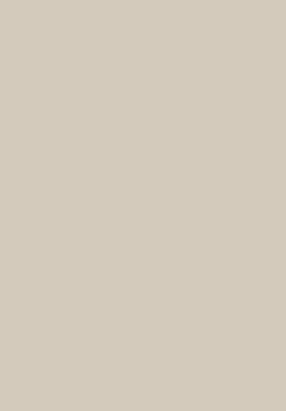
Some paint colors walk into a room loudly, wearing sequins and demanding applause. Farrow & Ball Elephant’s Breath No. 229 does the opposite. It arrives in a tailored coat, quietly improves the lighting, and somehow makes your furniture look like it has been making responsible life choices.
is much more interesting than a basic gray wall. It sits in that elusive middle ground between gray, taupe, beige, and a faint whisper of lilac. Depending on the light, it can feel soft and airy, warm and grounded, or slightly smoky and sophisticated. That flexibility is exactly why this color has become a favorite for homeowners who want a neutral paint color without accidentally creating the visual personality of a waiting room.
This guide explains what Elephant’s Breath paint looks like, how its undertones behave, where it works best, which colors pair beautifully with it, and how to avoid the common mistakes that turn a dreamy paint project into a weekend-long apology to your walls.
What Color Is Elephant’s Breath No. 229?
Elephant’s Breath No. 229 is a warm mid-gray paint color from Farrow & Ball. It is not a cold blue-gray, not a plain beige, and not one of those muddy shades that looks like someone mixed every leftover sample pot in the garage. Instead, it has a balanced greige character, with subtle taupe and mauve undertones that give it depth.
In bright daylight, Elephant’s Breath can appear like a soft, refined gray with a gentle warmth. In dimmer spaces or cooler afternoon light, its lilac undertones may become more noticeable. That changing character is part of the appeal. It gives a room movement and atmosphere without requiring you to repaint the walls every time your mood changes.
A Neutral Paint Color With Personality
The reason Elephant’s Breath No. 229 paint feels more luxurious than a standard builder-grade gray is its complexity. A flat gray can sometimes feel chilly, especially beside white trim, polished chrome, or cool-toned flooring. Elephant’s Breath has warmer pigment beneath the gray surface, helping it feel softer and more livable.
Think of it as gray with social skills. It can talk comfortably to warm oak, dark walnut, brass hardware, creamy fabrics, black metal accents, antique rugs, marble counters, and even muted pink accessories. That versatility makes it a practical choice for homes that blend old and new pieces instead of looking like every item arrived in one delivery truck.
How Lighting Changes Elephant’s Breath Paint
Lighting is the boss of every paint color, and Elephant’s Breath is especially sensitive to it. The same gallon can look warm and cozy in one room, then slightly lavender in another. This is not the paint being dramatic. It is simply responding to the room’s natural light, artificial lighting, sheen level, and surrounding colors.
North-Facing Rooms
North-facing rooms tend to receive cooler, more muted daylight. In these spaces, Elephant’s Breath may show more of its gray and lilac side. The effect can be elegant and moody, particularly in bedrooms, offices, libraries, and formal dining rooms. Pair it with warm wood, creamy upholstery, brass accents, or warm white trim to keep the room from feeling too cool.
South-Facing Rooms
South-facing rooms receive warmer, brighter light for much of the day. Elephant’s Breath often appears softer and more taupe-like here. This makes it a lovely choice for sunny living rooms, breakfast areas, and open-plan spaces where you want a neutral backdrop that does not look stark under abundant sunlight.
East- and West-Facing Rooms
East-facing rooms are brightest in the morning, while west-facing rooms receive stronger afternoon and evening sun. Elephant’s Breath can look calm and balanced in early daylight, then deeper and more complex later in the day. In west-facing spaces, cooler light can bring out the paint’s faint lilac cast, especially near sunset.
Before committing, test a large sample on more than one wall. Look at it in the morning, afternoon, evening, and under your usual lamps. Paint is a little like a cat: it may behave perfectly in the store and reveal an entirely different personality once it gets home.
Best Rooms for Elephant’s Breath No. 229
Elephant’s Breath works in many spaces because it is substantial enough to create atmosphere but restrained enough to support different decorating styles. It can feel traditional in a historic home, contemporary in a modern apartment, and inviting in a family house that has seen both dinner parties and mysterious crayon incidents.
Living Rooms
In a living room, Elephant’s Breath creates a relaxed, collected backdrop for art, books, plants, and layered textiles. It works especially well with linen sofas, warm leather chairs, natural wood furniture, and woven rugs. For a softer look, combine it with cream, oatmeal, pale blush, and light wood. For more drama, add charcoal, navy, deep plum, or black accents.
Bedrooms
This color is particularly effective in bedrooms because it feels calm without becoming boring. Elephant’s Breath can make white bedding look crisp, while darker bedding in olive, aubergine, charcoal, or muted blue creates a cocooning effect. Add warm lighting and textured fabrics, and suddenly your bedroom feels like a boutique hotel instead of the place where laundry waits for judgment day.
Kitchens and Bathrooms
Elephant’s Breath is a strong choice for kitchens and bathrooms when used in a durable, washable finish. It can soften white cabinetry, complement stone counters, and create contrast against brass or matte black hardware. In bathrooms, it pairs beautifully with white tile, marble, brushed nickel, and warm wood vanities.
Hallways and Entryways
Hallways often receive uneven light and deserve more attention than they get. Elephant’s Breath can make a narrow corridor feel purposeful rather than accidental. Pair it with bright trim and artwork for a polished entrance. It also disguises everyday scuffs better than a pale white wall, which is helpful when people, pets, backpacks, and umbrellas all pass through the same small space.
Best Color Pairings for Elephant’s Breath
The beauty of Elephant’s Breath No. 229 paint is that it can support both quiet neutral palettes and richer, more dramatic combinations. The key is to respect its warm gray and mauve undertones rather than fighting them with icy whites or overly blue accents.
Strong White for Trim and Ceilings
Strong White is a natural companion for Elephant’s Breath because it has a subtle gray character rather than a creamy yellow cast. Using it on trim, doors, and ceilings creates a crisp contrast without making the wall color appear dirty or overly brown.
Skimming Stone for a Layered Neutral Look
For a relaxed tonal palette, pair Elephant’s Breath with Skimming Stone. This combination works beautifully in bedrooms, living rooms, and open-plan homes where you want movement between rooms without sharp color shifts. Use Elephant’s Breath on the main walls and the lighter neutral on adjacent spaces, ceilings, or architectural details.
Charleston Gray and London Clay for Depth
For a more grounded, sophisticated palette, combine Elephant’s Breath with deeper shades such as Charleston Gray or London Clay. Charleston Gray adds a dark, earthy contrast for trim, built-ins, or doors. London Clay brings warm brown depth and works well with natural materials, leather, aged brass, and dark timber.
Natural Materials and Accent Colors
- Warm oak, walnut, and medium-toned wood create a welcoming balance.
- Brass, antique bronze, and aged gold hardware reinforce the warmth in the paint.
- Muted pink, dusty rose, plum, and burgundy emphasize its soft mauve undertones.
- Olive green, sage, and mossy tones provide an earthy, restful contrast.
- Charcoal, black, and deep navy create a more modern or tailored look.
- Ivory, linen, and oatmeal fabrics keep the room light and approachable.
Choosing the Right Paint Finish
Color matters, but sheen matters too. The same Elephant’s Breath paint color will look different in matte, eggshell, or gloss. Higher-sheen finishes reflect more light and can make the color appear stronger or slightly brighter. Matte finishes soften the look and are more forgiving on imperfect walls.
| Surface | Recommended Finish | Why It Works |
|---|---|---|
| Living room walls | Matte or washable matte | Creates a soft, elegant finish with low reflection. |
| Bedrooms | Matte or eggshell | Provides a calm appearance while allowing reasonable durability. |
| Kitchens and bathrooms | Washable matte or eggshell | Offers better resistance to moisture, splashes, and cleaning. |
| Trim and doors | Eggshell, satin, or gloss | Adds durability and creates contrast with matte walls. |
| Cabinets and furniture | Durable eggshell or cabinet paint | Handles frequent touching, wiping, and general kitchen chaos. |
How to Test Elephant’s Breath Before Painting
Never choose Elephant’s Breath from a phone screen alone. Screens vary, photographs are edited, and online room tours often have lighting that could make a cardboard box look architecturally significant.
Order a sample pot or paint a large sample board. Place it on different walls, including the wall opposite a window and the darkest corner of the room. Hold the sample beside your existing flooring, countertop, sofa fabric, curtains, and trim. The goal is not to see whether the color looks good by itself. The goal is to see whether it behaves politely with everything already living in the room.
Test It for Several Days
Watch the paint in morning sun, cloudy daylight, evening shadows, and artificial light. Warm bulbs may make Elephant’s Breath appear more taupe, while cool LEDs can pull out its gray-lilac side. This extra step can prevent the classic painting mistake of declaring a color perfect at 11:00 a.m., then wondering who invited purple to dinner at 8:00 p.m.
Tips for Painting With Elephant’s Breath No. 229
- Clean walls thoroughly to remove dust, grease, and residue.
- Patch dents, nail holes, and cracks before painting.
- Sand glossy surfaces lightly so the new paint can grip properly.
- Use a suitable primer, especially when covering dark colors, stains, or uneven surfaces.
- Apply paint in thin, even coats and maintain a wet edge to reduce lap marks.
- Use a quality angled brush for cutting in and a roller with the correct nap for your wall texture.
- Allow each coat to dry fully before applying the next one.
- For homes built before 1978, take lead-safe precautions before sanding, scraping, or disturbing old paint layers.
Proper preparation is not glamorous, but neither is repainting a wall because the finish looks uneven. A clean, smooth surface and patient application will make Elephant’s Breath look deeper, more even, and more expensive.
Is Elephant’s Breath Worth It?
Elephant’s Breath No. 229 is worth considering when you want a warm gray paint color that feels intentional rather than generic. It performs best in homes where the goal is depth, softness, and flexibility. It can work with traditional millwork, modern furniture, vintage pieces, layered textiles, and bold accent colors without acting overwhelmed.
It may not be the right choice for someone who wants a crisp, clean white-gray or a very beige neutral. Elephant’s Breath has visible complexity, and that is the point. It changes with the room, the light, and the finishes around it. For many homeowners, that makes it feel rich and alive. For others, it may feel like a paint color with too many opinions.
Common Mistakes to Avoid
- Choosing it without testing it in your actual lighting conditions.
- Pairing it with a bright yellow-white trim that makes the walls look cooler.
- Using a high-gloss finish on damaged walls where every bump becomes a featured attraction.
- Ignoring fixed elements such as tile, flooring, counters, and large furniture.
- Assuming it will look identical in every room of the house.
- Painting a dark room without considering warmer lighting, wood accents, or lighter trim.
- Skipping primer when changing from a very dark or uneven wall color.
Final Thoughts on Elephant’s Breath No. 229 Paint
Elephant’s Breath No. 229 is not a plain gray paint. It is a layered warm neutral that can read gray, taupe, mauve, or soft lilac depending on the light. That complexity is what gives it staying power. It brings warmth to modern rooms, calm to busy spaces, and subtle character to homes that need more than another coat of beige.
Use it with warm white trim, natural wood, textured fabrics, earthy accent colors, and thoughtful lighting. Sample it before committing, choose the right finish for the room, and give it the preparation it deserves. When used well, Elephant’s Breath can make a space feel timeless, polished, and comfortably lived-in without looking like it is trying too hard.
Note: Paint colors can shift significantly based on daylight, artificial lighting, sheen, surrounding colors, and wall texture. Always test Elephant’s Breath No. 229 in your own room before painting an entire space.
Real-World Experiences With Elephant’s Breath No. 229 Paint
One of the most common reactions to Elephant’s Breath is surprise. Homeowners often expect a fairly ordinary gray because that is how many paint swatches initially appear. Once it goes on a full wall, however, the color starts behaving more like a chameleon in a very nice sweater. It can look warm and taupe-like in the morning, then cooler and faintly lilac by late afternoon. This is usually the moment when people either fall in love with it or begin holding paint cards against the wall like they are investigating a crime scene.
In living rooms, Elephant’s Breath tends to receive the strongest praise when it is paired with warm materials. A room with oak floors, cream upholstery, woven baskets, linen curtains, and brass lamps often makes the color look balanced and inviting. The gray keeps the room from becoming overly beige, while the warm furnishings stop the walls from feeling cold. It is a useful middle ground for homeowners who want a neutral room but are tired of every neutral looking like oatmeal that has been left out too long.
Bedrooms are another place where Elephant’s Breath often performs beautifully. Many people find that it creates a restful backdrop without becoming too dark. With white bedding and soft textures, it can look calm and clean. With charcoal bedding, velvet cushions, dark wood furniture, or plum accents, it becomes more cocooning and dramatic. The paint is especially popular in bedrooms where people want a cozy atmosphere that still feels adult, polished, and not vaguely themed around a beach cottage from 2004.
Kitchen experiences are more mixed, mainly because kitchens contain many fixed colors. White cabinets generally work well, especially when the white is not too creamy or yellow. Marble, quartz with warm veining, brushed brass, and medium wood floors can all complement Elephant’s Breath. But kitchens with cool blue-gray tile, icy white counters, and bright white cabinets may pull out the cooler undertones in a way that feels less harmonious. The lesson is simple: sample the paint next to everything that cannot easily be replaced, especially the backsplash that cost more than your first car.
Home offices painted in Elephant’s Breath often feel focused and calm. The color has enough depth to make a room feel intentional, but it usually does not compete with bookshelves, artwork, screens, or office furniture. In daylight, it can make a workspace feel airy and refined. At night, under warm task lighting, it feels more grounded and cozy. For people who spend long hours staring at a monitor, this kind of restrained backdrop can be easier on the eyes than a bright white room.
Some homeowners discover that Elephant’s Breath is best when used strategically rather than everywhere. It can look fantastic on a feature wall, lower wall paneling, built-in shelves, or a small dining room. In open-plan spaces, it may work best when paired with lighter neutrals in adjoining rooms. This gives the home a coordinated flow without making every wall feel identical. A little variation can keep the color from becoming too heavy, especially in spaces with limited daylight.
Another recurring experience is that the paint looks better after the room is fully furnished. Freshly painted walls can seem stronger than expected when the room is empty. Once rugs, artwork, curtains, lamps, wood furniture, and soft furnishings return, Elephant’s Breath usually settles into the background more gracefully. It becomes less about the paint color itself and more about the room feeling complete.
Ultimately, the best experiences with Elephant’s Breath No. 229 happen when people embrace its changing nature instead of demanding that it look exactly the same at every hour. It is not a flat, predictable neutral. It has warmth, coolness, softness, and depth. For homeowners who appreciate a paint color that evolves with the day, Elephant’s Breath can feel less like a trend and more like a long-term design decision that keeps paying compliments to the room.