Note: This article is for educational purposes only and does not replace professional medical advice. Anyone with breathing problems, chest tightness, worsening cough, or sudden shortness of breath should contact a qualified healthcare provider.
EPOC is the Spanish abbreviation for enfermedad pulmonar obstructiva crónica, known in English as COPD, or chronic obstructive pulmonary disease. It is a long-term lung condition that makes it harder to move air in and out of the lungs. Think of healthy airways as wide-open highways. With COPD, those highways become narrowed, inflamed, clogged with mucus, and sometimes damaged at the air-sac level. Traffic still moves, but slowlyand nobody enjoys rush hour inside their chest.
COPD usually develops over years, which is why many people ignore early symptoms. A little cough here. A little breathlessness there. Suddenly, climbing stairs feels like training for a mountain expedition. The good news is that COPD can be diagnosed, monitored, and treated. While it is not considered curable, the right plan can reduce symptoms, prevent flare-ups, improve daily energy, and help people live more comfortably.
This guide explains the stages of COPD, common causes, warning signs, diagnosis, treatment options, and real-life experience-based strategies for managing the condition day by day.
What Is COPD?
COPD is an umbrella term for chronic lung diseases that block airflow. The two most common conditions under this umbrella are emphysema and chronic bronchitis. Many people with COPD have features of both.
Chronic Bronchitis
Chronic bronchitis involves long-term inflammation of the bronchial tubes. These tubes carry air to and from the lungs. When they become irritated, they produce more mucus than usual. The result is a persistent cough, often called a “smoker’s cough,” though not everyone with COPD smokes or has smoked.
Emphysema
Emphysema damages the tiny air sacs in the lungs, called alveoli. These air sacs are where oxygen enters the blood and carbon dioxide leaves the body. When the walls of the air sacs are destroyed, the lungs lose elasticity. Air gets trapped, breathing out becomes harder, and the person may feel short of breath even during simple activities.
Common Symptoms of COPD
COPD symptoms often begin quietly. They may be mistaken for aging, being out of shape, allergies, or the body’s dramatic way of saying, “Maybe less dust next time.” Common symptoms include:
- Shortness of breath, especially during physical activity
- Frequent coughing
- Coughing up mucus or phlegm
- Wheezing
- Chest tightness
- Frequent respiratory infections
- Fatigue
- Reduced ability to exercise or walk long distances
- Unplanned weight loss in more advanced cases
- Swelling in the ankles, feet, or legs in severe disease
One important warning sign is a COPD exacerbation, also called a flare-up. This is when symptoms suddenly become worse than usual. A person may experience more breathlessness, thicker mucus, changes in mucus color, fever, increased wheezing, or a greater need for rescue medication. Flare-ups can be serious and may require urgent medical care.
Main Causes and Risk Factors of COPD
COPD develops when the lungs are exposed to harmful irritants over time. The condition is strongly associated with smoking, but smoking is not the only cause. Some people with COPD have never smoked, which is why blaming the patient is both medically lazy and socially unhelpful.
1. Cigarette Smoking
Cigarette smoke is the leading cause of COPD in the United States. Long-term smoking irritates the airways, damages lung tissue, increases mucus production, and accelerates the loss of lung function. Pipe smoke, cigar smoke, and other inhaled tobacco products can also contribute.
2. Secondhand Smoke
Living or working around tobacco smoke can raise COPD risk. Secondhand smoke may not come with the cigarette bill, but the lungs still pay for it.
3. Air Pollution
Outdoor air pollution, traffic fumes, smoke from wildfires, and indoor pollutants can irritate the lungs. People who already have COPD may notice worse symptoms on poor air-quality days.
4. Workplace Exposure
Long-term exposure to dust, chemical fumes, vapors, and industrial irritants can increase risk. Jobs involving mining, construction, manufacturing, agriculture, and certain factory environments may require special respiratory protection.
5. Alpha-1 Antitrypsin Deficiency
A rare genetic condition called alpha-1 antitrypsin deficiency can cause COPD, sometimes at a younger age and even in people who have never smoked. Testing may be recommended when COPD appears early, runs in families, or seems unusually severe.
6. Asthma and Repeated Lung Infections
People with poorly controlled asthma or repeated respiratory infections may be more vulnerable to long-term airway damage. COPD and asthma can also overlap, which makes medical evaluation especially important.
How COPD Is Diagnosed
COPD diagnosis starts with a medical history, symptom review, physical exam, and lung function testing. The most important test is spirometry. During spirometry, a person takes a deep breath and blows forcefully into a machine that measures airflow. It may not sound glamorous, but it gives doctors valuable information about how well the lungs are working.
Spirometry commonly measures:
- FEV1: the amount of air a person can forcefully exhale in one second
- FVC: the total amount of air forcefully exhaled after a deep breath
- FEV1/FVC ratio: a comparison used to detect airflow obstruction
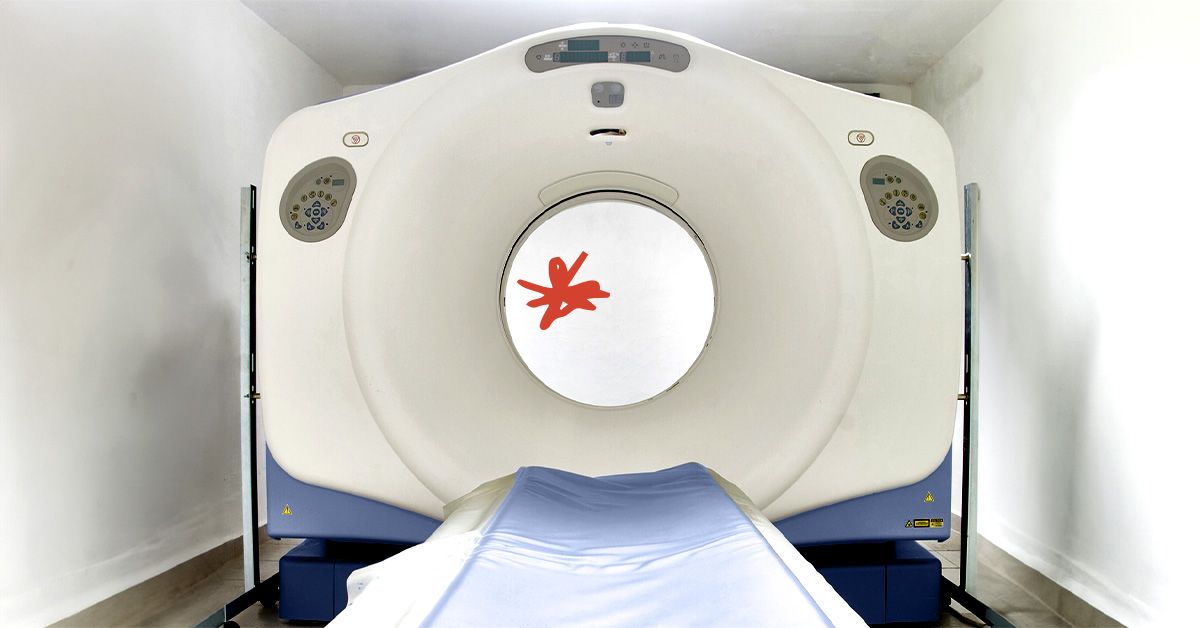
Additional tests may include chest X-rays, CT scans, oxygen level checks, blood tests, exercise testing, and evaluation for alpha-1 antitrypsin deficiency. These tests help rule out other conditions and determine the best treatment plan.
COPD Stages: Understanding Disease Severity
COPD staging helps healthcare providers understand how much airflow is limited and how symptoms affect daily life. The GOLD system is commonly used and includes spirometry results, symptoms, and flare-up history. Traditionally, airflow limitation is grouped into four grades.
Stage 1: Mild COPD
In mild COPD, airflow limitation is present, but symptoms may be subtle. A person may have a chronic cough or occasional shortness of breath but still function normally. This is the stage where people often say, “I’m fine,” while their lungs quietly file a complaint.
Treatment usually focuses on quitting smoking, avoiding lung irritants, staying active, receiving recommended vaccines, and using inhaled medication if needed.
Stage 2: Moderate COPD
Moderate COPD often brings more noticeable breathlessness, especially during walking, climbing stairs, carrying groceries, or doing household chores. Cough and mucus may become more frequent. At this stage, many people finally seek medical help because daily activities begin to feel harder.
Treatment may include long-acting bronchodilator inhalers, pulmonary rehabilitation, exercise guidance, and a written action plan for flare-ups.
Stage 3: Severe COPD
Severe COPD can significantly limit daily life. Shortness of breath may occur with minimal activity, and flare-ups may become more frequent. People may need more complex inhaler therapy and closer monitoring.
Pulmonary rehabilitation becomes especially valuable. Some patients may need oxygen testing, nutritional support, or evaluation by a pulmonologist.
Stage 4: Very Severe COPD
Very severe COPD can cause breathlessness even at rest, low oxygen levels, frequent exacerbations, and complications involving the heart or overall body strength. Daily tasks may require planning, pacing, and support.
Treatment may include oxygen therapy when medically indicated, advanced inhaled medications, noninvasive ventilation in selected cases, surgical options for certain patients, and palliative care support focused on comfort and quality of life.
Treatment Options for COPD
COPD treatment is not one-size-fits-all. The best plan depends on symptoms, lung function, flare-up history, other medical conditions, and personal goals. The main purpose is to help people breathe better, stay active, and avoid hospital visits.
Quit Smoking
For people who smoke, quitting is the most important step. It can slow lung function decline and improve treatment response. Nicotine replacement therapy, prescription medications, counseling, support groups, and quitlines can all help. Quitting is not about willpower alone; it is about using the right tools until cigarettes lose the argument.
Bronchodilator Inhalers
Bronchodilators relax the muscles around the airways, helping them open wider. Short-acting bronchodilators may be used for quick relief, while long-acting bronchodilators help control symptoms over time.
Inhaled Corticosteroids
Inhaled steroids may be recommended for some people, especially those with frequent flare-ups or features of asthma. They help reduce airway inflammation but are not necessary for every COPD patient.
Combination Inhalers
Some inhalers combine two or three medications. These may include long-acting bronchodilators and inhaled corticosteroids. Combination therapy can simplify treatment, which is helpful because nobody wants their bathroom counter to look like a tiny pharmacy convention.
Pulmonary Rehabilitation
Pulmonary rehabilitation is one of the most useful non-drug treatments for COPD. It usually includes supervised exercise, breathing techniques, education, nutrition counseling, and emotional support. Many people discover they can do more than they thought when they learn how to pace activity and breathe efficiently.
Oxygen Therapy
Oxygen therapy may be prescribed when blood oxygen levels are too low. It should only be used according to medical instructions. Oxygen is helpful for the right patient, but it is not a casual wellness accessory.
Vaccines
Respiratory infections can trigger COPD flare-ups. Recommended vaccines may include flu, pneumococcal, COVID-19, RSV, and others depending on age and medical history. Vaccines are not exciting, but neither is spending a holiday weekend in the emergency room.
Antibiotics and Steroids for Flare-Ups
During exacerbations, doctors may prescribe oral steroids, antibiotics, or both. Patients should follow their action plan and seek medical help if symptoms worsen quickly, oxygen levels drop, confusion appears, lips turn blue, or breathing becomes severely difficult.
Surgery and Advanced Procedures
For selected patients with advanced disease, options may include lung volume reduction surgery, bronchoscopic lung volume reduction, or lung transplant evaluation. These are not first-line treatments but may help carefully chosen patients.
Lifestyle Strategies That Help COPD
Medical treatment matters, but daily habits matter too. COPD management is like maintaining a classic car with a sensitive engine: the small routines keep everything running smoother.
Stay Physically Active
Activity may feel scary when breathing is difficult, but safe movement helps maintain muscle strength and endurance. Walking, light cycling, stretching, and supervised exercise can support better function. The key is pacing, not pretending to be an Olympic sprinter after breakfast.
Practice Breathing Techniques
Pursed-lip breathing can help slow breathing and reduce trapped air. A common method is to inhale through the nose and exhale slowly through pursed lips, as if gently blowing out a candle.
Improve Indoor Air Quality
Avoid tobacco smoke, strong fragrances, dust, mold, and harsh cleaning fumes. Use ventilation when cooking, check air filters, and monitor outdoor air quality before exercising outside.
Eat Well
Some people with COPD need extra calories because breathing uses more energy. Others may benefit from weight management to reduce breathing workload. Protein, fruits, vegetables, whole grains, and hydration can support overall strength.
Build a COPD Action Plan
A written COPD action plan tells patients what to do on good days, bad days, and emergency days. It may include medication instructions, warning signs, doctor contact information, and steps for flare-ups. The refrigerator is a popular place for itnot because the fridge is medically trained, but because everyone can find it.
When to Seek Medical Help
People with COPD should contact a healthcare provider if symptoms become more frequent, inhalers seem less effective, mucus changes color or amount, fever develops, or daily activity becomes harder. Emergency care is needed for severe shortness of breath, chest pain, confusion, blue lips or fingertips, fainting, or inability to speak in full sentences.
Experience-Based Tips for Living With COPD
Living with COPD is not just about prescriptions and test results. It is about learning how to move through daily life with lungs that demand negotiation. Many people with COPD say the hardest part is not one dramatic symptom, but the small interruptions: pausing halfway through a shower, sitting down after bringing in groceries, or needing extra time to cross a parking lot. These moments can feel frustrating, but they can also be managed with practical routines.
One helpful experience is learning the art of pacing. Instead of rushing through chores, people often do better by breaking tasks into smaller steps. For example, rather than cleaning the whole kitchen at once, wipe the counters, rest, unload half the dishwasher, rest again, and finish later. This is not laziness. This is energy budgeting. The lungs have a daily spending limit, and wise budgeting prevents overdraft fees paid in breathlessness.
Another useful habit is planning around the best time of day. Some people breathe better in the morning after medications have started working. Others feel stronger in the afternoon. Scheduling errands, exercise, and appointments during better breathing windows can make life easier. On high-pollen, smoky, humid, or cold days, indoor activities may be safer and more comfortable.
Inhaler technique is another real-world issue. Many treatment failures happen not because the medication is wrong, but because the inhaler is not used correctly. People should ask their doctor, pharmacist, nurse, or respiratory therapist to watch their technique. A spacer may help with some inhalers. Cleaning devices as directed is also important. An inhaler is a tool, not a magic wand; technique matters.
People with COPD also benefit from creating “breathing stations” at home. This might include a chair near the entrance for resting after walking in, a fan for airflow comfort, medications in one organized place, and emergency contact numbers posted clearly. Small changes can reduce panic and make flare-ups easier to handle.
Emotional health deserves attention too. Breathlessness can trigger anxiety, and anxiety can make breathing feel worse. This loop can be exhausting. Breathing exercises, pulmonary rehabilitation, counseling, support groups, and calm communication with family members can help. Loved ones should avoid saying, “Just relax,” because if relaxing were that easy, nobody would need advice. A better response is, “I’m here. Let’s slow down and follow the plan.”
Social life may need adjustment, but it does not need to disappear. Choose restaurants without smoke exposure, avoid crowded places during respiratory virus season, sit away from strong perfumes, and tell friends when walking speed needs to change. Good friends will slow down. Great friends will slow down and pretend they wanted to admire the scenery anyway.
Finally, people with COPD often gain confidence by tracking patterns. A simple notebook or phone note can record symptoms, triggers, inhaler use, oxygen readings if prescribed, activity levels, and flare-up warning signs. Over time, patterns become visible. Maybe cold air causes trouble. Maybe rushing after meals worsens breathlessness. Maybe missing pulmonary rehab sessions makes stairs harder. These observations help patients and clinicians adjust the plan.
COPD changes life, but it does not erase independence, humor, or hope. With medical care, smart routines, support, and early action during flare-ups, many people continue doing meaningful activitiesjust with better planning and fewer unnecessary battles with staircases.
Conclusion
COPD, or EPOC, is a chronic lung disease that affects airflow and can make breathing progressively harder. Its main causes include cigarette smoke, secondhand smoke, air pollution, workplace exposures, and rare genetic factors. The disease is commonly staged from mild to very severe, but modern COPD care looks beyond numbers and considers symptoms, flare-up risk, daily function, and overall health.
There is no cure for COPD, but there is a lot that can be done. Quitting smoking, using inhalers correctly, joining pulmonary rehabilitation, staying active, getting recommended vaccines, improving air quality, and following a written action plan can make a major difference. COPD may be a long-term condition, but with the right strategy, it does not get to be the boss of every breath.