
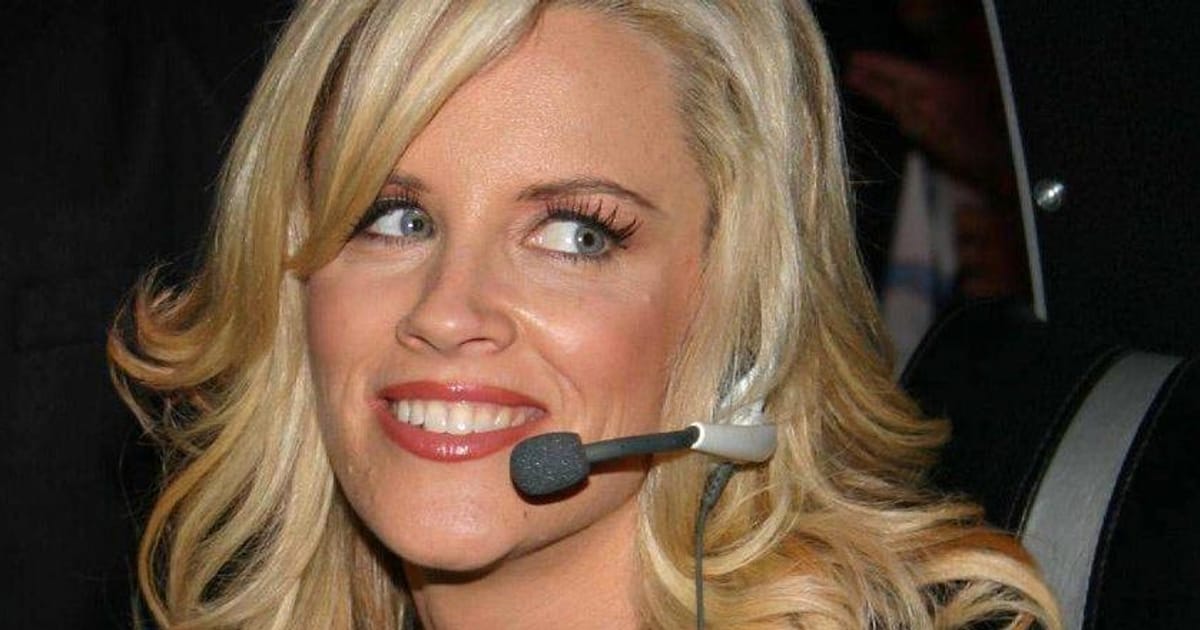
Flashing lights, dramatic music, and one simple question: “Are you ready to play?”
Game shows have been a comfort-food corner of television for decades, and at the center of it all is the game show host. These are the ringmasters who can calm a nervous contestant, make a corny joke land, and turn a simple trivia question into must-see TV.
When you think of famous game show hosts, a handful of names instantly pop up: Alex Trebek, Pat Sajak, Bob Barker, Steve Harvey, Regis Philbin, and more. This list of the top well-known game show hosts isn’t just a roll call of celebrities; it’s a look at why these personalities became icons and how they shaped the way we watch TV.
What Makes a Game Show Host Truly Great?
Before diving into specific stars, it helps to understand what separates a legendary game show host from a forgettable one. The best hosts usually share a few traits:
- Warmth and relatability: Contestants and viewers need to feel like they’re hanging out with a friendly neighbor, not being interrogated.
- Timing and humor: A great host knows when to crack a joke, when to pause for suspense, and when to let a touching moment breathe.
- Authority without ego: They run the game, explain the rules clearly, and keep things fair, but they don’t make everything about themselves.
- Memorable style: A signature catchphrase, hosting style, or even a wardrobe choice can become part of TV history.
With that in mind, let’s look at some of the most famous game show hosts who defined (and redefined) the genre.
The Titans of TV Trivia and Prizes
Alex Trebek – The Professor of Primetime
If you had to name just one game show host, Alex Trebek would be on most people’s short list. For 37 seasons, he hosted Jeopardy!, turning a quiz show into an intellectual ritual for millions of viewers. His calm, slightly professorial style made contestants feel respected even when they missed the easiest clues on the board.
Trebek wasn’t flashy. He didn’t shout, overreact, or hog the spotlight. Instead, he treated trivia like a friendly challenge and his contestants like equals. That approach helped make Jeopardy! a pop-culture institution and earned him multiple Emmy Awards and a Guinness World Record for most episodes of a game show hosted on the same program. His legacy is proof that you don’t have to be loud to be unforgettable.
Pat Sajak – The King of the Wheel
Pat Sajak is practically welded to the phrase “Wheel of Fortune.” He started hosting the show back in 1981 and kept spinning the wheel for more than four decades, guiding contestants through puzzles, vowels, and the occasional heartbreak when someone guesses a letter that absolutely isn’t there.
Part of Sajak’s charm is his low-key sarcasm and quick wit. He jokes with contestants about their hobbies, gently teases awkward introductions, and then smoothly slips back into host mode. As he stepped away from the daily version of the show in the mid-2020s after a record-setting run, he left behind not just a TV job, but an era. His partnership with letter-revealing legend Vanna White turned a simple word game into comfort television for multiple generations.
Bob Barker – “Come On Down!” to a TV Legend
If your childhood included sick days at home, there’s a good chance Bob Barker was part of the experience. For 35 years, he hosted The Price Is Right, the longest-running game show in North American television history. The rules were simple: guess the price, win the prize, lose your mind on national TV.
Barker’s style was a cocktail of grandfatherly charm, sharp professionalism, and occasional mischief. He walked the line between steady announcer and playful instigator, encouraging contestants to “come on down!” and take a shot at new cars, exotic trips, and washing machines they absolutely didn’t need but desperately wanted. He also used his closing linereminding viewers to help control the pet population by spaying and neuteringto blend advocacy with entertainment in a way few hosts managed.
Drew Carey – The Comedian Who Kept the Party Going
Taking over from Bob Barker on The Price Is Right was a tall order, but comedian Drew Carey leaned into the challenge with his own laid-back, self-deprecating style. When he stepped behind the mic in 2007, many viewers were skeptical. Over time, Carey built his own relationship with the audience and turned skepticism into loyalty.
Carey brought a slightly looser, more modern feel to the showstill honoring the classic format but adding his comedic instinct and warm interactions with contestants. Off-camera, he transformed his health through weight loss and lifestyle changes, which only strengthened his image as a host who genuinely wants people to feel good, win big, and have fun. Today, it’s hard to imagine The Price Is Right without his glasses and signature grin.
Steve Harvey – Owning the Feud With Facepalms and Punchlines
When Steve Harvey took over Family Feud, the show leveled up from “reliable syndicated rerun” to “viral meme machine.” His reactions to outrageous answersthose famous disbelief stares straight into the camerabecame internet gold. Under Harvey, the show leaned harder into comedy, with questions intentionally designed to inspire wild, slightly inappropriate answers and huge laugh breaks.
But Harvey isn’t just a meme generator. He’s a sharp, empathetic host who knows exactly when to lean into a joke and when to pull back and celebrate a contestant’s big win. His influence helped the show hit some of its best ratings in years and inspired spin-offs like Celebrity Family Feud. If Trebek is the professor, Harvey is the stand-up comic who somehow keeps the families on trackmost of the time.
Regis Philbin – “Is That Your Final Answer?”
Regis Philbin might be best known as a talk-show fixture, but his run as host of the U.S. version of Who Wants to Be a Millionaire in the late 1990s and early 2000s was lightning in a bottle. The show transformed prime-time game shows, mixing dramatic lighting, tense music, and life-changing sums of money.
Philbin’s gift was turning every contestant’s moment into a story. His famous line, “Is that your final answer?” became an instant catchphrase, heightening the suspense before a corrector brutally wronganswer. He wasn’t just reading questions; he was anchoring an event. The success of Millionaire helped kick off a wave of high-stakes prime-time game shows and reminded networks that viewers loved playing along at home.
Monty Hall and Wayne Brady – Two Generations of “Let’s Make a Deal”
Monty Hall helped create and originally hosted Let’s Make a Deal, a show famous for its wild costumes, unpredictable trades, and the eternal question: “Do you want what’s in the box or behind Curtain Number 3?” Hall’s mix of charm and mischief made the show an instant classic, and his name became shorthand for risky deals and surprising outcomes.
Decades later, Wayne Brady stepped in to host the modern version of Let’s Make a Deal, bringing Broadway-level energy, musical improvisation, and lightning-fast banter. Brady’s improv background lets him turn each costume and contestant quirk into a bit. Together, Hall and Brady represent how a format can evolve over time while keeping its playful, slightly chaotic heart.
Richard Dawson – The Original Feud Charmer
Before Steve Harvey started reacting to jaw-dropping survey answers, Richard Dawson was the face of the original Family Feud. Known for his British charm and habit of greeting female contestants with a kiss, Dawson’s style would raise a lot more eyebrows today, but in his era he helped define what a modern game show host looked and sounded like.
Dawson’s quick wit and confidence turned a straightforward “name something you…” game into a full-on personality-driven show. His influence is still visible in every version of Family Feud that followedhosts who balance the game with playful teasing are basically borrowing from Dawson’s playbook.
Meredith Vieira – A Daytime Millionaire Trailblazer
After Regis Philbin, Who Wants to Be a Millionaire returned in a syndicated daytime format with Meredith Vieira as host. She brought a softer, more conversational energy to the show, fitting perfectly with its daytime audience while still maintaining the high stakes and dramatic pauses fans loved.
Vieira’s hosting style showed that you don’t need booming theatrics to carry a game show. Her journalism background and empathetic interviewing skills made contestants feel heard, especially when their personal stories explained why each dollar amount really mattered. She carved out her own corner in the history of famous game show hosts as one of the most notable women to front a major quiz show.
Honorable Mentions: The Deep Bench of Well-Known Game Show Hosts
Of course, the list of famous game show hosts goes far beyond the biggest names. Other well-known hosts who helped shape game show history include:
- Chuck Woolery – The first host of Wheel of Fortune and later the face of Love Connection.
- Gene Rayburn – Known for his long microphone and quirky humor on Match Game.
- Allen Ludden – Beloved host of Password, bringing a more relaxed, brainy energy to the format.
- Bill Cullen – A versatile host and panelist who worked on many classic shows and is often cited as a “host’s host.”
These hosts might not always headline modern “top 10” lists, but game show fans know their contributions run deep.
How Game Show Hosts Shaped Pop Culture
Famous game show hosts are more than just people who read questions and congratulate winners. They’ve given us catchphrases (“Come on down!” “Is that your final answer?”), memes (Steve Harvey’s iconic reaction faces), and shared family rituals (watching Jeopardy! during dinner or shouting answers at Wheel of Fortune).
Many hosts became larger cultural figuresappearing in movies, doing voiceovers, or guest-starring on other shows as themselves. Their personas blend with the shows they host. When you say “Jeopardy!,” you think of the game and Alex Trebek at the same time. When someone mentions “the wheel,” they probably mean both the spinning object and Pat Sajak.
Watching Like a Fan, Hosting Like a Pro
If you love famous game show hosts, you can borrow some of their best habits:
- Stay curious: Trebek showed that genuine curiosity about people and knowledge is magnetic.
- Keep it light: From Steve Harvey to Drew Carey, humor is the secret weapon that makes even a bad guess feel fun instead of embarrassing.
- Make others the star: The best hosts know it’s really the contestants’ show. They frame the moment so the winner (or even the loser) feels special.
- Be consistent: Viewers trust hosts who show up the same way every episodesteady, dependable, and fair.
Real-Life Experiences & Lessons from Famous Game Show Hosts
To really appreciate well-known game show hosts, it helps to look at the stories behind the camerashow hosts handle fame, stress, health, and the human side of dealing with contestants and viewers.
Take Drew Carey, for example. Long before he became synonymous with The Price Is Right, he was known as a stand-up comic and sitcom star. When he stepped into Bob Barker’s shoes, it wasn’t just a career move; it came during a period when he was reevaluating his health and lifestyle. Carey’s highly public weight-loss journey, his battle with diabetes, and his focus on fitness mirrored the personal reinvention that many viewers quietly attempt in their own lives. Seeing a familiar TV host talk openly about health struggles and then show up on screen with renewed energy gives fans a sense that change really is possible.
Pat Sajak’s story offers a different kind of lesson. After more than 40 years hosting Wheel of Fortune, he finally decided it was time to slow down, even though he was still more than capable of doing the job. That choicestepping away on his own termsis a rare kind of career wisdom. For viewers, it’s a reminder that even dream jobs have seasons, and that making space for new hosts and new chapters can be a sign of strength rather than defeat. At the same time, his willingness to return for special episodes and a celebrity version of the show shows how a legacy can continue in a lighter, more playful way.
Wayne Brady’s experience as a host also highlights something important about labels and creative identity. While he’s widely known for Let’s Make a Deal, he has spoken candidly about not wanting to be seen “just” as a game show host. His background in improv, music, and theater shows up every time he riffs with a costumed contestant or turns a simple exchange into an improvised song. Brady’s journey underscores that even in a tightly formatted genre like game shows, there’s room to bring your full creative selfand that viewers respond when hosts reveal more than one side of who they are.
Then there are the contestants’ stories that reflect back on the hosts. Fans who win big on The Price Is Right or Wheel of Fortune often share how kind and patient their hosts were during breaks, how they were guided on where to stand, when to speak, and how to enjoy the moment. Many former contestants recall that the most reassuring part of the entire surreal experience wasn’t seeing the cameras or the set; it was realizing that the host they’d watched for years is just as decent in person as they seem on TV.
For viewers at home, famous game show hosts become almost like extended family. People grow up with them, introduce their kids to the same shows, and feel real grief when a beloved host retires or passes away. That emotional connection doesn’t happen by accident. It’s the product of thousands of episodes’ worth of small choices: a comforting smile when a contestant loses everything, a respectful reaction to a personal story, or a heartfelt sign-off at the end of the show.
Ultimately, the experiences surrounding these hostsboth their own lives and the memories they help create for contestants and audiencesexplain why the phrase “famous game show hosts” carries so much emotional weight. They aren’t just emcees. They’re part of our routines, our family jokes, our shared cultural language. Whether they’re asking for your final answer or telling you to come on down, they remind us that sometimes the simplest forms of entertainment can leave the deepest marks.
Conclusion: Why Famous Game Show Hosts Still Matter
The top well-known game show hosts didn’t become famous by accident. They mixed skill, empathy, humor, and consistency in a way that made audiences feel safe and excited at the same time. They turned everyday people into stars for a few minutes and turned simple games into generational memories.
Whether you’re a die-hard fan of trivia, word puzzles, or chaotic curtain deals, famous game show hosts are the steady heartbeat behind the chaos. They remind us that even in a high-stakes moment, it’s okay to laugh, take a chance, and celebrate each other’s wins. That’s why their namesand their catchphraseskeep echoing long after the studio lights go down.














