
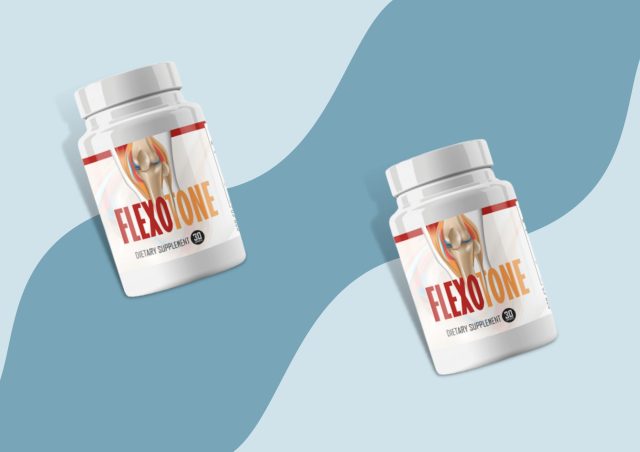
Editor’s note: This Flexotone review is written for informational purposes only. Flexotone is marketed as a dietary supplement, not a prescription medicine or FDA-approved treatment. In the United States, the FDA does not approve dietary supplements for safety and effectiveness before they are sold, and supplement claims should not be read as proof that a product can diagnose, treat, cure, or prevent disease.
Introduction: Why Everyone Is Suddenly Talking About Flexotone
Joint discomfort has a sneaky way of turning ordinary moments into tiny negotiations. Getting out of a chair? Negotiation. Taking the stairs? Hostile diplomacy. Kneeling to find the TV remote under the couch? Congratulations, you have entered a full-body board meeting.
That is why supplements like Flexotone get attention. Flexotone is promoted online as a natural joint support supplement designed to help with flexibility, mobility, stiffness, and overall joint comfort. Some promotional pages describe it as a formula with 18 natural ingredients, including vitamins, minerals, amino acids, algae, and plant extracts. The official-looking product pages also emphasize claims such as being made in the USA, produced in an FDA-registered or GMP-certified facility, and intended for adults seeking joint support.
But does Flexotone really work, or is it another glossy bottle in the crowded “joint health” aisle? The honest answer is: maybe for some users, but the public evidence is not strong enough to call it a proven solution for arthritis, chronic pain, or cartilage repair. A careful Flexotone review should separate marketing excitement from practical reality, because knees deserve facts, not fireworks.
What Is Flexotone?
Flexotone is a dietary supplement marketed for joint health, bone support, flexibility, and mobility. Review pages describe it as a capsule-based formula for adults dealing with stiffness, knee discomfort, back aches, muscle tightness, and reduced movement. Some pages also connect the formula to gut health, claiming that better digestive balance may support healthier inflammation responses.
The product is not positioned as a standard glucosamine-and-chondroitin supplement. Instead, the commonly repeated ingredient list includes B vitamins such as thiamine, riboflavin, niacin, folate, B6, biotin, and B12, along with magnesium, pantothenic acid, L-taurine, spirulina, acai, Eurycoma longifolia, ginseng, and maca extract. Different pages highlight different ingredients, so buyers should always check the actual Supplement Facts label before ordering.
How Is Flexotone Supposed to Work?
The marketing story behind Flexotone usually focuses on three ideas: supporting the joints, calming inflammation, and improving internal wellness through nutrition. Some promotional explanations claim that joint discomfort may be linked to gut imbalance or unwanted bacteria moving through the intestinal lining. From there, Flexotone is described as a supplement that may help support the body’s natural defenses, joint tissue, flexibility, and comfort.
That sounds interesting, but here is where the responsible reviewer taps the brakes. The gut-joint connection is a legitimate research area, especially in inflammatory conditions, but that does not automatically prove that a specific supplement formula can fix joint pain by targeting gut bacteria. A marketing explanation is not the same thing as a controlled clinical trial.
In other words, Flexotone may contain nutrients that have general health roles, but shoppers should be careful with phrases like “root cause,” “cure,” “arthritis treatment,” or “pain elimination.” The FTC warns that health product claims must be truthful, not misleading, and supported by reliable evidence. It has also taken action against companies making unsupported joint pain supplement claims.
Flexotone Ingredients: What Looks Promising and What Needs More Proof?
B Vitamins
Flexotone review pages often mention thiamine, riboflavin, niacin, folate, B6, biotin, B12, and pantothenic acid. These vitamins play important roles in metabolism, energy production, nerve function, and general wellness. That is good news, because the body is not exactly thrilled when essential nutrients go missing.
However, “important for health” does not automatically mean “clinically proven to relieve joint pain.” For people who are deficient, correcting a deficiency may improve overall well-being. For people who already get enough vitamins through food or a multivitamin, extra amounts may not create a dramatic joint transformation.
Magnesium
Magnesium supports muscle and nerve function, and it is involved in many body processes. Some people associate it with muscle comfort and relaxation. Still, magnesium is not a direct cure for arthritis, cartilage loss, or chronic joint inflammation. It may be a useful mineral, but it is not a magic mechanic with a tiny wrench repairing your knees overnight.
L-Taurine
L-taurine is an amino acid-like compound found naturally in the body. Flexotone pages describe it as part of the formula’s support for circulation, muscle function, and bone health. The broader research on taurine is still developing, and while it may have interesting biological effects, public evidence does not establish Flexotone itself as a proven joint pain treatment.
Spirulina, Acai, Ginseng, Maca, and Herbal Extracts
Plant-based ingredients can contain antioxidants and other bioactive compounds. Spirulina and acai are commonly marketed for antioxidant support, while ginseng and maca are often promoted for energy, vitality, or adaptogenic-style benefits. But plant-based does not always mean risk-free, and “natural” does not guarantee that a product is appropriate for everyone.
People taking medications, pregnant or nursing individuals, and anyone with health conditions should speak with a healthcare professional before trying a supplement. This is especially important with multi-ingredient formulas because the more ingredients a supplement contains, the more chances there are for allergies, side effects, or interactions. Mayo Clinic also advises discussing supplements with a healthcare team, particularly because some joint supplements can interact with medicines such as blood thinners.
Does Flexotone Really Work?
Flexotone may work for some people as a general joint support supplement, especially if their expectations are realistic. Someone with mild stiffness, inconsistent nutrition, or occasional discomfort may notice improvements after changing several habits at once: taking a supplement, drinking more water, walking more, stretching, sleeping better, and paying attention to diet. The supplement may get the applause, but the whole lifestyle cast may have helped.
For diagnosed osteoarthritis, rheumatoid arthritis, severe pain, swelling, or limited mobility, the evidence bar is much higher. Major health sources describe mixed or inconsistent results even for heavily studied joint supplements such as glucosamine and chondroitin. NCCIH notes that research findings on glucosamine and chondroitin for knee osteoarthritis have been inconsistent, and the 2019 American College of Rheumatology/Arthritis Foundation guideline strongly recommended against glucosamine for knee osteoarthritis.
That does not mean every supplement is useless. It means readers should be careful. A product can support wellness without being proven to treat disease. Flexotone reviews online are often enthusiastic, but many appear on promotional or affiliate-style pages rather than independent clinical publications. That matters.
Flexotone Pros and Cons
Potential Pros
- Marketed as a natural joint support supplement for adults.
- Contains several vitamins and nutrients involved in general wellness.
- Some users may appreciate a multi-ingredient formula instead of buying separate supplements.
- Promotional pages mention a money-back guarantee, although buyers should read the terms carefully.
- May encourage users to pay more attention to mobility, stiffness, and joint-friendly routines.
Potential Cons
- Public evidence for Flexotone itself appears limited compared with established medical treatments.
- Some marketing language online is stronger than what supplement regulations typically support.
- Claims such as “FDA approved” can be confusing because dietary supplements are not FDA-approved for safety and effectiveness before sale.
- Multi-ingredient formulas may raise the risk of allergies or interactions.
- Results may vary widely from person to person.
- It should not replace medical care for persistent, worsening, or unexplained joint pain.
Is Flexotone FDA Approved?
This is one of the most important questions in any Flexotone review. Some product and review pages use phrases such as “FDA approved,” “FDA registered,” or “made in an FDA-approved facility.” These phrases are not the same thing.
The FDA explains that dietary supplements are not approved for safety and effectiveness before they are sold to consumers. A facility may be registered with the FDA or follow manufacturing rules, but that does not mean the finished supplement has been FDA-approved as a treatment. Structure/function claims on supplements must also carry a disclaimer that the claim has not been evaluated by the FDA and that the product is not intended to diagnose, treat, cure, or prevent disease.
So, if a Flexotone sales page says or implies that the product is FDA-approved to relieve arthritis or cure joint pain, treat that as a red flag. A more accurate statement would be: Flexotone is sold as a dietary supplement, and some pages claim it is manufactured in a facility that follows FDA-related standards.
Who Might Consider Flexotone?
Flexotone may be considered by adults who are looking for a non-prescription joint support supplement and who understand that results are not guaranteed. It may appeal to people who prefer formulas with vitamins, minerals, amino acids, and botanicals rather than single-ingredient products.
However, Flexotone is not a good substitute for a medical evaluation. If someone has swollen joints, sudden pain, redness, fever, injury, numbness, unexplained weight loss, or pain that interferes with daily life, a healthcare provider should be involved. Joint pain can come from osteoarthritis, autoimmune disease, injury, infection, gout, medication effects, or other causes. A capsule cannot diagnose the problem, no matter how confident the label looks in bold font.
How Long Would It Take to Notice Results?
Some promotional pages suggest using Flexotone consistently for weeks or months. One Dumb Little Man page describes a long usage period and says users may begin noticing changes after a few weeks, while other pages describe daily capsule use. Because dosing details vary across pages, the actual product label should be the deciding source.
Realistically, joint comfort changes slowly. Even evidence-based strategies such as strength training, weight management, physical therapy, and mobility work take time. If a supplement promises dramatic results in a few days, your skepticism should put on running shoes.
Flexotone Reviews: What Customers Should Look For
Online Flexotone reviews often sound highly positive, with users saying they experienced better mobility, less stiffness, and more comfort. The official-style site even claims a very large number of reviews.
Still, smart shoppers should judge reviews carefully. Look for details: How long did the person use it? What condition did they have? Were they also doing physical therapy, losing weight, taking medication, or changing their diet? Was the review collected by an independent retailer, or published on a sales page? Does the review mention side effects, refunds, shipping, or customer support?
A useful review sounds human and specific. A suspicious review sounds like it was written by a motivational poster after three espressos.
Safety Considerations Before Buying Flexotone
Before trying Flexotone or any joint supplement, check the full ingredient label and compare it with your current medications and supplements. This matters because ingredients can overlap. For example, someone already taking a B-complex vitamin may not realize they are doubling up. Someone sensitive to herbs may not know how they will respond to ginseng, maca, or other botanicals.
It is also wise to avoid using supplements to delay proper care. Mayo Clinic notes that osteoarthritis treatment may include exercise, physical therapy, weight management, topical pain relievers, oral medications, injections, and in severe cases, surgery. Supplements are only one possible discussion point, not the whole toolbox.
Final Verdict: Is Flexotone Worth Trying?
Flexotone may be worth considering for adults who want a joint support supplement and who can afford to experiment without expecting a guaranteed cure. Its formula contains nutrients and botanicals commonly associated with general wellness, inflammation support, and mobility marketing. That makes it interesting, but not automatically proven.
The biggest concern is not necessarily the ingredient list. The bigger concern is the strength of some online claims. Any Flexotone review that says it can cure arthritis, eliminate chronic pain, or work without side effects should be read with caution. Dietary supplements can support health, but they are not approved like drugs, and results can vary.
The most balanced answer is this: Flexotone might help some users feel better, especially as part of a broader joint-friendly routine, but there is not enough publicly available independent clinical evidence to say it definitely works for everyone. If your joints are sending daily complaint emails, speak with a healthcare professional and build a plan that includes movement, nutrition, sleep, medical guidance, and only then, possibly, supplements.
Experience Notes: What Trying Flexotone May Feel Like in Real Life
To understand Flexotone reviews more realistically, picture the kind of person most likely to search for this supplement. They are not usually looking for a science lecture. They are looking for relief. Maybe their knees crack like breakfast cereal when they stand up. Maybe their shoulders feel stiff after working at a desk all day. Maybe they tried stretching twice, forgot for six weeks, and now want a bottle to do some of the heavy lifting. Completely human.
A realistic Flexotone experience often begins with hope. The buyer reads the claims, checks a few reviews, and thinks, “Fine, let’s see what happens.” During the first few days, they may not notice anything dramatic. That is normal. Nutritional supplements rarely behave like light switches. If someone feels a huge difference immediately, it could be placebo effect, normal day-to-day pain fluctuation, better hydration, improved sleep, or simply the joy of finally doing something about the problem.
By the second or third week, a careful user might start tracking small changes. Are stairs easier? Is morning stiffness shorter? Is walking after dinner more comfortable? Can they sit through a movie without shifting around like a confused popcorn machine? These practical signs matter more than vague promises.
The best experience comes when Flexotone is not treated as the entire strategy. A supplement alone is rarely as powerful as a routine. People often get better outcomes when they combine joint support with low-impact movement, basic strength training, stretching, enough protein, healthy body weight management, and consistent sleep. The supplement may become one piece of the puzzle, but it should not be asked to carry the entire furniture set upstairs.
There is also the budget experience. A single bottle may not be enough time to judge a joint supplement, but buying multiple bottles upfront can feel risky. This is where shoppers should slow down, read refund terms, check shipping policies, and avoid pressure-based discounts. If a sales page makes you feel like the offer will vanish faster than socks in a dryer, step back and breathe.
Another real-life factor is expectation management. Someone with mild stiffness after long workdays may judge Flexotone differently than someone with advanced osteoarthritis. The first person may feel satisfied with modest comfort support. The second may be disappointed if they expected major pain relief. That does not automatically make the product a scam; it means the starting point matters.
A smart user experience would look like this: check the ingredients, ask a healthcare provider if there are medication concerns, use the product exactly as labeled, track symptoms for several weeks, and stop if side effects appear. This approach is not flashy, but it is far more useful than chasing miracle claims.
So, does Flexotone really work from an experience-based perspective? It may help some people feel more supported, especially when paired with better habits. But the most trustworthy “review” is not a dramatic testimonial. It is a calm, consistent record of how your own body responds.
Conclusion
Flexotone sits in a popular but complicated category: joint health supplements. It has an appealing wellness angle, a broad ingredient list, and plenty of enthusiastic online reviews. At the same time, the strongest claims around Flexotone deserve careful scrutiny. It should not be described as a proven cure for arthritis, chronic pain, or bone disease.
For readers comparing Flexotone reviews, the safest conclusion is balanced: Flexotone may be a reasonable supplement to research if you are an adult looking for joint support, but it should be used with realistic expectations and professional guidance when needed. Your joints are important. Treat them like valuable hardware, not a testing lab for every shiny supplement bottle on the internet.














