
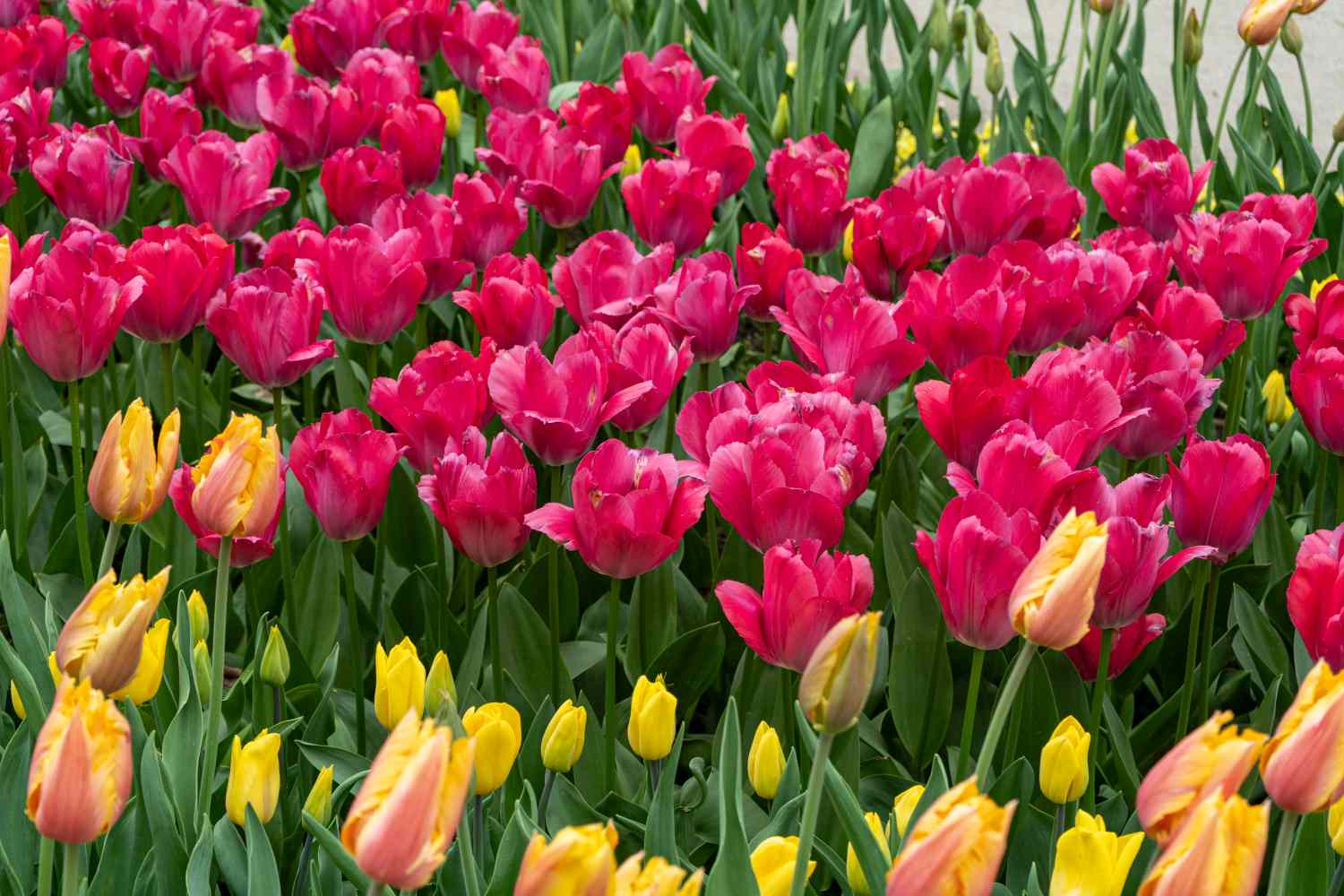
Fall bulb planting has a funny way of making people feel wildly confident. You buy a bag of tulips, a few daffodils, maybe some crocus for good measure, and suddenly you are two coffee sips away from picturing a spring garden worthy of applause, compliments, and at least one dramatic Instagram caption.
Then spring arrives, and the results are… mixed. A few flowers show up. A few never do. Some bulbs turn into mush underground. Others send up leaves but no blooms, which is gardening’s version of receiving a gift box filled with tissue paper and disappointment.
So what went wrong?
According to garden experts, the biggest mistake is surprisingly simple: never plant bulbs in poorly drained, soggy soil. If bulbs sit in heavy, wet ground through fall and winter, they are far more likely to rot before they ever get the chance to bloom. In other words, your bulbs do not want a spa day. They want moisture, yes, but they do not want to marinate.
That one mistake causes more trouble than gardeners realize. And once you understand why it matters, everything else about planting bulbs this fall starts making a lot more sense.
Why Soggy Soil Is the Fastest Way to Ruin Fall Bulbs
Bulbs are storage organs. They come preloaded with the energy they need to start growing roots and eventually push out those glorious spring flowers. But that built-in energy reserve also makes them vulnerable in the wrong conditions. If the soil stays wet for too long, especially in clay-heavy beds or low spots where water pools, the bulb can begin to decay before roots properly establish.
This is why drainage matters more than almost anything else when planting bulbs in fall. Gardeners often focus on color combinations, bloom timing, and whether tulips look better in neat rows or casual drifts. Those choices are fun. They are also secondary. First, the bulb needs to survive winter. That survival depends heavily on air circulation in the soil and the ability of excess water to move away from the bulb.
Think of it this way: a healthy bulb wants cool soil, not swampy soil. It wants a place where roots can anchor and breathe, not a muddy pocket where moisture lingers like an unwanted houseguest.
If you have ever dug up a failed bulb and found a brown, soft, foul-smelling mess, congratulations, you have met bulb rot. It is not charming.
How to Tell If Your Planting Site Is Too Wet
Not every bad bulb site announces itself with standing water. Sometimes the warning signs are subtle. Your bed may stay sticky after rain. The soil may clump hard in your hand. Water might drain slowly after a storm, or the area may sit at the bottom of a slope where runoff gathers. If the spot looks damp long after surrounding soil has dried, bulbs will likely struggle there.
Heavy clay soil is a common culprit. Clay is not evil, despite what some gardeners mutter while wrestling a shovel. But it does hold water longer than looser soil, and that can be a real problem for tulips, hyacinths, alliums, and many other spring-flowering bulbs.
A quick test can help. Dig a hole about 12 inches deep and fill it with water. If it drains very slowly or stays wet well into the next day, that spot is not ideal for bulbs without improvement. You do not need laboratory drama. You just need a realistic sense of whether your bulbs are heading into a healthy bed or a soggy underground waiting room.
What You Should Do Instead
Choose a Well-Drained Location
The best place to plant bulbs is an area that gets good drainage and, for most varieties, plenty of sun. Many spring bulbs prefer at least several hours of direct sunlight, especially while they are actively growing in late winter and spring. Areas beneath deciduous trees can work because the bulbs often finish much of their growth before the tree canopy fully leafs out.
If your yard has one section that always dries out first after rain, start there. Bulbs love that kind of common-sense real estate.
Improve the Soil Before Planting
If your soil is on the heavy side, loosen it before planting and mix in organic matter such as compost. This improves structure and helps water move more evenly through the bed. In very stubborn areas, a raised bed or berm may be the smarter move. It is much easier to lift the planting area than to spend six months hoping the laws of drainage will temporarily stop applying to your property.
Do not just dig a narrow hole, drop in a bulb, and call it a day. Preparing a broader planting area usually creates better drainage and healthier root growth. It also saves time if you are planting bulbs in groups, which is almost always the prettier option anyway.
Plant at the Right Depth
While soggy soil is the big villain, planting depth is the sidekick nobody should ignore. A common rule is to plant bulbs about two to three times as deep as the bulb is tall or wide, depending on the variety and soil type. Large bulbs like tulips and daffodils usually go deeper than small bulbs like crocus.
Planting too shallowly can expose bulbs to frost heaving and temperature swings. Planting too deeply in dense soil can slow emergence. The goal is balance. Read the package, then use your brain and your soil conditions. In sandy soil, bulbs can often go a bit deeper. In heavier clay, slightly shallower planting may be appropriate.
Make Sure the Pointed End Faces Up
Yes, orientation matters. The pointed end usually goes up, and the flatter basal plate goes down. If you are unsure, do not panic. Many bulbs will still figure life out eventually. Plants are surprisingly determined. But giving them the correct orientation helps them get established faster and with less stress.
Water Once, Then Back Off
After planting, water the area thoroughly to settle the soil and encourage root development. Then resist the urge to hover with the hose. In many climates, fall and winter rainfall is enough. Constant watering, especially in cool weather, is one of the easiest ways to create rot-friendly conditions.
This is where many enthusiastic gardeners accidentally sabotage themselves. They think, “Plants need water, and I am a caring person,” and suddenly the bulb bed is getting more attention than a houseplant in a college dorm. Restraint is part of bulb success.
Other Common Bulb-Planting Mistakes to Avoid
Planting Too Early
Bulbs should usually be planted when the soil has cooled in fall, not during the lingering heat of late summer. Planting too early can encourage premature top growth, which leaves the plant more vulnerable to winter damage. Cool soil helps bulbs focus on roots first, which is exactly what you want.
Using Too Much Nitrogen Fertilizer
Bulbs are not greedy at planting time. They do not need a buffet of high-nitrogen fertilizer. Too much nitrogen can push leafy growth at the wrong time and does little to solve the real problem if drainage is poor. If your soil needs help, use amendments and bulb-appropriate fertilizer carefully, ideally based on a soil test or local recommendations.
Planting Bulbs One by One in Lonely Little Rows
Technically, this is not deadly. Visually, though, it can be underwhelming. Most experts recommend planting bulbs in groups or drifts for a fuller, more natural display. Ten daffodils grouped together look intentional and cheerful. Ten daffodils lined up like nervous students waiting for attendance feel less magical.
Cutting the Foliage Too Soon in Spring
Once bulbs bloom, the leaves keep working. They collect sunlight and store energy for next year’s flowers. If you braid, cut, mow, or remove foliage too early, you are basically interrupting the recharge cycle. Let the foliage yellow and die back naturally before cleaning it up.
Ignoring Squirrels and Other Critters
To you, a tulip bulb is a promise of spring. To a squirrel, it may look like lunch. If your yard is full of curious diggers, use mulch, chicken wire laid flat over newly planted areas, or choose bulbs that animals tend to avoid more often, such as daffodils.
Best Bulbs to Plant This Fall
If you are choosing bulbs for a reliable spring show, classic options include daffodils, tulips, crocus, hyacinths, grape hyacinths, and ornamental alliums. Daffodils are often praised for being more dependable and less appealing to rodents. Tulips bring unmatched color but can be fussier, especially in warmer regions where they may not perennialize well.
Crocus are excellent for early color, including lawns or edges where they can naturalize. Hyacinths add fragrance. Alliums bring structure and drama, especially if you enjoy flowers that look like they arrived from a very stylish outer space.
The best choice depends on your climate, soil, and whether you want a one-season splash or bulbs that return year after year.
A Practical Fall Bulb Planting Checklist
Before You Plant
Choose firm, healthy bulbs without mold or soft spots. Pick a site with good drainage and appropriate light. Loosen the soil and amend it if needed.
While You Plant
Set bulbs at the proper depth, pointy side up, and space them according to variety. Plant in clusters for the best visual impact. Water thoroughly once after planting.
After You Plant
Add mulch if helpful in your climate. Protect the area from squirrels if necessary. Do not keep the bed constantly wet. In spring, enjoy the blooms and let the foliage die back naturally.
The Bottom Line
If you remember only one thing when planting bulbs this fall, let it be this: never plant bulbs where water sits. Poor drainage is the quiet destroyer of spring dreams. It can undo the best intentions, the prettiest varieties, and the most optimistic weekend garden plans.
Get the soil right, and your bulbs have a real shot at thriving. Ignore drainage, and the rest of your effort may end up buried alongside them.
Bulb planting is not difficult, but it does reward a little patience and a little realism. Your future spring garden is being decided in fall, one hole at a time. Choose the right spot, keep the soil well drained, and your reward will be color, texture, and that deeply satisfying feeling of knowing your garden pulled off a seasonal surprise without needing constant hand-holding.
That is a pretty good deal for something you bury and forget about for a few months.
Extra Gardening Experiences and Lessons From Real-World Bulb Planting
One of the most common experiences gardeners share is this: the bulbs that were planted in the “easy” spot often fail, while the ones tucked into a slightly raised bed or a loose border perform beautifully. It happens all the time. A gardener chooses a low patch near a walkway because it is convenient, then spends winter wondering why nothing seems wrong on the surface. By spring, the daffodils in the raised bed are blooming like they signed a performance contract, while the tulips in the low spot have disappeared into the earth like a bad investment.
Another frequent lesson comes from people who assume more water equals more care. It sounds reasonable, especially during a dry fall. But many gardeners later realize they were watering out of anxiety, not necessity. The bulbs did not need daily attention. They needed one good drink after planting and then time to root in cool soil. Once gardeners stop fussing and start observing the actual moisture level in the bed, results usually improve.
There is also the classic beginner story involving bulb depth. Someone plants a mix of tulips and crocus at the same depth because digging different holes feels annoying. In spring, the crocus may manage, but the tulips sulk, flop, or fail to return well. After one season of uneven results, most gardeners become true believers in reading the package and respecting the size of the bulb. Bulbs may not talk, but they definitely have opinions.
Many gardeners also learn the hard way that a gorgeous spring display begins with plain-looking fall work. Bulbs are not flashy when you plant them. They are dusty, papery, and about as glamorous as onions with ambition. But careful prep makes a visible difference later. Gardeners who loosen a whole section of soil, add compost, and plant in generous groups nearly always report a fuller, more natural display than those who poke individual holes in compacted ground and hope for the best.
Then there is the foliage lesson, which arrives every spring right around the moment the flowers fade and the leaves begin looking a little tired. New gardeners are often tempted to tidy everything immediately. Experienced gardeners know that patience pays. Letting foliage yellow naturally feels messy for a few weeks, but it usually leads to stronger bloom performance next year. A lot of garden wisdom is really just learning when not to interfere.
And finally, nearly everyone who plants bulbs for a few seasons discovers that daffodils are the dependable friend of the bulb world. Tulips are stunning, glamorous, and occasionally dramatic. Daffodils simply show up and do their job. That does not mean you should skip tulips. It just means that if you want confidence along with color, it helps to mix reliable performers with your showier picks.
In the end, the biggest experience-based takeaway is wonderfully simple: success with fall bulbs usually comes from fewer heroic moves and better basic choices. Pick a well-drained site. Plant at the right depth. Water wisely. Leave the foliage alone afterward. Repeat. That is not a secret formula, but in gardening, the basics are often what separate a breathtaking spring border from a patch of confused leaves and regret.












