
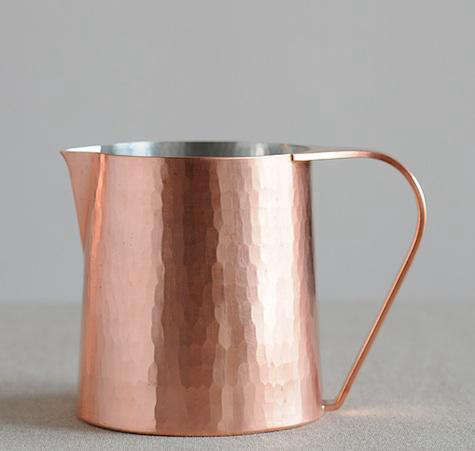
A hammered copper pitcher is one of those rare kitchen pieces that looks like it has a passport, a family story, and possibly opinions about your flatware. It is practical, beautiful, old-world, modern, rustic, glamorous, and just dramatic enough to make plain water feel like it got dressed for dinner. Whether it sits on a farmhouse table, a bar cart, a wedding buffet, or a sunny kitchen shelf, a hammered copper pitcher brings warmth before you even pour anything from it.
But this glowing piece of serveware is more than decoration. Copper has a long history in kitchens because it responds quickly to temperature, develops character over time, and offers a visual richness that stainless steel simply cannot fake. The hammered finish adds texture, hides small marks, and catches the light in a way that makes the pitcher look handcrafted rather than manufactured by a bored robot with a quota.
Still, there is a right way to buy, use, clean, and style a hammered copper pitcher. Some are made for plain water. Some are lined for safer beverage service. Some are primarily decorative. And some look fabulous online but should be treated like a diva: admired, polished, and never asked to hold lemonade for three hours. This guide breaks it all down in a practical, readable way.
What Is a Hammered Copper Pitcher?
A hammered copper pitcher is a serving vessel made from copper or copper-plated metal with a textured surface created by repeated hammer marks. Traditionally, this texture was formed by hand as artisans shaped metal sheets into jugs, pitchers, mugs, bowls, and cooking vessels. Today, hammered copper pitchers may be fully handmade, machine-finished, or somewhere in between.
The key feature is the dimpled surface. Instead of a perfectly smooth exterior, hammered copper has tiny facets that reflect light from different angles. That is why it looks lively even when sitting still. Put it near a window and it glows. Put it under warm dining room lighting and it practically starts flirting with the centerpiece.
Solid Copper vs. Copper-Plated Pitchers
Not every copper-colored pitcher is solid copper. Some are made from stainless steel, aluminum, or brass with a copper finish or plating. Solid copper pieces generally feel more substantial, age more naturally, and may cost more. Copper-plated pitchers can be budget-friendly and easier to maintain, but once the finish wears through, the magic can fade faster than party conversation after someone mentions tax season.
For decorative use, copper-plated can be perfectly fine. For beverage service, especially repeated use, buyers should look for clear food-safe labeling, a safe interior lining, and care instructions from the maker.
Why the Hammered Finish Matters
The hammered finish is not just there to look charming, although it absolutely does that job with enthusiasm. Hammering can also add slight rigidity to thin metal, helping the vessel hold its shape. It disguises fingerprints, small dents, and everyday handling marks better than polished smooth copper. That makes hammered copper ideal for pitchers, mugs, trays, and barware that are meant to be touched, passed around, and admired.
It also gives each pitcher personality. A smooth pitcher says, “I am elegant.” A hammered copper pitcher says, “I am elegant, but I have stories.” That texture is especially useful in interior design because it plays well with many styles: rustic farmhouse, Mediterranean, bohemian, traditional, cottagecore, industrial, and even clean modern spaces that need one warm accent.
Common Uses for a Hammered Copper Pitcher
A hammered copper pitcher can be functional, decorative, or both. The best use depends on whether the interior is unlined, tin-lined, stainless-steel-lined, nickel-lined, lacquered, or not intended for food contact at all.
Serving Plain Water
Many solid copper pitchers are marketed for plain water. In traditional wellness practices, copper vessels are often used to store water for a period before drinking. From a practical modern perspective, the important point is simple: follow the manufacturer’s instructions, use only plain water in unlined copper, clean the pitcher properly, and do not treat it as an all-purpose beverage dispenser.
Serving Cocktails, Lemonade, Juice, or Wine
For acidic drinks, a lined copper pitcher is the safer choice. Lemonade, citrus cocktails, fruit juice, vinegar-based shrubs, and wine are acidic. Unlined copper can react with acidic liquids, which may cause copper to leach into the beverage. That is not a charming “extra mineral boost”; it is a food-safety concern wearing a shiny hat.
If you want to serve margaritas, sangria, Moscow Mules, iced tea with lemon, or a dramatic brunch punch, choose a pitcher with a food-safe stainless steel or tin lining. Stainless steel is typically more durable for casual entertaining. Tin has a classic look but requires gentler care.
Using It as Decor
A hammered copper pitcher is a decorating cheat code. Fill it with eucalyptus branches, dried wheat, hydrangeas, wooden spoons, or nothing at all. It can soften a white kitchen, warm up a black bar cart, or make open shelving look curated instead of “I ran out of cabinet space.”
Safety: What to Know Before Pouring
Copper is an essential trace mineral, but too much copper exposure can be harmful. That is why copper drinkware should be used with common sense. The biggest rule is to avoid storing acidic foods or beverages in unlined copper vessels. Acidic liquids can dissolve copper from the surface, especially if they sit for a long time.
As a practical rule, use unlined copper only for plain water and only according to the maker’s instructions. Do not use unlined copper for citrus drinks, carbonated beverages, vinegar drinks, wine, hot chocolate, milk-based drinks, or anything you would describe as “zesty.” If the drink sounds like it belongs at brunch, it probably needs a lined pitcher.
Watch for Green or Blue Residue
If you see green or blue residue inside a copper pitcher, stop using it for beverages until it is properly cleaned and evaluated. Patina on the outside can be beautiful; residue inside a drinking vessel is not a design feature. It is your pitcher waving a tiny copper flag and saying, “Please pay attention.”
Lined Pitchers Are More Versatile
A lined hammered copper pitcher gives you more flexibility. Stainless steel linings are durable, easier to wash, and better for entertaining. Tin linings are traditional and attractive but softer, so they should not be scrubbed with abrasive pads. If you are buying one pitcher for regular parties, a food-safe stainless interior is often the most forgiving option.
How to Choose the Best Hammered Copper Pitcher
Choosing a hammered copper pitcher is partly about beauty and partly about not accidentally buying a shiny problem. Here are the details that matter.
1. Check the Interior
The interior tells you how the pitcher should be used. A bare copper interior may be suitable for plain water if the manufacturer says so. A stainless steel or tin lining makes the pitcher more useful for serving a wider range of beverages. A lacquered or decorative interior may mean the piece is not intended for drinks at all.
2. Look for Food-Safe Language
Product descriptions should clearly say whether the pitcher is food safe. Phrases like “decorative only” or “for display” should be taken seriously. A decorative pitcher can still be wonderful, but it belongs with flowers, not iced tea.
3. Consider Capacity
Small copper pitchers, around 30 to 40 ounces, are good for bedside water, small tables, or styling. Medium pitchers, around 50 to 70 ounces, suit family meals. Larger pitchers can work for entertaining, but remember that liquid gets heavy. Copper already has presence; add a gallon of iced tea and suddenly your elegant serveware is also arm day.
4. Inspect the Handle and Spout
A beautiful pitcher that dribbles like a toddler with a juice box is not ideal. Look for a balanced handle, a shaped spout, and sturdy rivets or welding. If the handle is brass, wood, or another metal, check how it is attached and whether it feels comfortable when full.
5. Decide Whether You Like Patina
Copper changes over time. Some people love the darker, softer patina that develops naturally. Others want the fresh-penny shine forever. Both preferences are valid. Just know which camp you are in before buying. If you want constant brightness, prepare for polishing. Copper does not stay shiny out of loyalty.
Hammered Copper Pitcher Types Compared
| Pitcher Type | Best For | What to Avoid |
|---|---|---|
| Unlined solid copper | Plain water, traditional display, collectors | Acidic drinks, long storage, dishwasher use |
| Stainless-steel-lined copper | Cocktails, lemonade, iced tea, frequent entertaining | Abrasive exterior cleaning, assuming it is dishwasher-safe |
| Tin-lined copper | Classic serving, elegant table settings | Hard scrubbing, metal utensils, harsh cleaners |
| Copper-plated pitcher | Decor, occasional serving if food-safe | Heavy polishing, rough sponges, misleading “solid copper” assumptions |
| Decorative copper pitcher | Flowers, shelves, styling, centerpieces | Food or beverage service unless labeled food-safe |
How to Clean a Hammered Copper Pitcher
Copper care sounds intimidating until you realize most of it comes down to three rules: wash gently, dry immediately, and do not attack it with anything that belongs in a garage.
Daily Cleaning
After use, wash the pitcher by hand with warm water, mild dish soap, and a soft sponge or cloth. Rinse thoroughly and dry immediately with a lint-free towel. Air-drying can leave water spots, especially on shiny copper.
Avoid dishwashers unless the manufacturer specifically says otherwise. In most cases, dishwashers are too harsh for copper finishes, linings, seams, and handles. Copper prefers hand care. Think of it as high-maintenance, but in a charming heirloom way.
Natural Polishing Methods
For an unlacquered copper exterior, common natural polishing methods include lemon and salt, vinegar and salt, or a paste made with flour, salt, and vinegar. Rub gently in circles, rinse well, and dry completely. Ketchup can also help brighten tarnished copper because it contains mild acids, though it is less glamorous to explain to guests.
Important: use acidic polishing mixtures only on the exterior unless the maker’s instructions allow interior cleaning that way. For lined pitchers, protect the lining and avoid aggressive scrubbing.
When Not to Polish
If your pitcher has a lacquered finish, polishing can damage the coating. Lacquered copper is designed to resist tarnish, so it usually needs only gentle soap and water. If you are unsure whether your pitcher is lacquered, test a hidden area or check the product information.
Styling Ideas for a Hammered Copper Pitcher
A hammered copper pitcher is surprisingly versatile. On a Thanksgiving table, it feels cozy and abundant. On a summer patio, it looks crisp with ice water and mint. In a white kitchen, it adds warmth. In a dark kitchen, it adds glow. In a rental kitchen with questionable lighting, it says, “I am doing my best, and frankly I am carrying this room.”
On the Dining Table
Pair a copper pitcher with linen napkins, ceramic plates, wood chargers, amber glasses, or simple white dinnerware. The warm tone of copper works especially well with sage green, navy, cream, charcoal, terracotta, and deep burgundy.
On a Bar Cart
Use a lined hammered copper pitcher for batched cocktails or mocktails. Add matching copper mugs, a small bowl of citrus, and a glass jar of cocktail picks. The effect is polished but relaxed, like a host who definitely remembered to chill the drinks.
As a Vase
For flowers, place a glass or plastic liner inside if the pitcher is not meant to hold water long-term. Copper looks beautiful with white roses, eucalyptus, sunflowers, dried grasses, magnolia branches, and autumn foliage.
Common Mistakes to Avoid
The first mistake is assuming every copper pitcher is safe for every drink. It is not. The second mistake is leaving liquid inside for days. The third is cleaning with steel wool, harsh powders, bleach, or mystery products from under the sink. The fourth is buying purely by looks and ignoring lining, capacity, and care instructions.
Another common mistake is polishing too often. A little patina can make copper look richer and more authentic. Unless you want a mirror-bright finish, you do not need to polish it after every use. Let it age a bit. Copper with patina looks like it has hosted dinner parties, not like it has been hiding in bubble wrap since birth.
Is a Hammered Copper Pitcher Worth It?
Yes, if you want a piece that combines function, texture, and visual warmth. A good hammered copper pitcher can serve water, anchor a tablescape, decorate a shelf, or become the object guests pick up while saying, “Where did you get this?” It feels special without being fragile, and it makes everyday rituals look intentional.
The best choice for most households is a food-safe, lined hammered copper pitcher with clear care instructions. It gives you the beauty of copper with fewer limitations. If you love traditional pure copper vessels, choose a reputable maker, use the pitcher only as directed, and keep acidic beverages far away from the bare copper interior.
Real-Life Experiences With a Hammered Copper Pitcher
Living with a hammered copper pitcher is a little like adopting a very attractive houseguest. It improves the atmosphere immediately, asks for occasional attention, and somehow gets compliments while doing absolutely nothing. The first thing most people notice is how dramatically it changes a table. A basic dinner of roast chicken, salad, and bread can look like a countryside feast when a warm copper pitcher sits in the middle. Even plain water feels more deliberate when poured from something with texture and weight.
One of the best everyday uses is breakfast or brunch. Fill a lined pitcher with chilled water, cucumber slices, and mint, and suddenly the meal feels fresh and hotel-adjacent. For citrus water, lemonade, or juice, the lined interior matters. The copper exterior provides the look; the lining provides the peace of mind. Guests usually do not ask about the lining, but responsible hosting is often invisible. It is the quiet backstage crew of a good meal.
As decor, the pitcher earns its keep even when empty. On open shelving, it breaks up the repetition of plates and bowls. On a kitchen island, it warms stone countertops. On a mantel, it can hold dried stems in winter and fresh branches in spring. A hammered copper pitcher is especially useful in rooms that feel too white, too gray, or too new. It adds the kind of instant age that designers love: not dusty, not shabby, just lived-in enough to feel human.
The care routine becomes less intimidating after the first few weeks. At first, every spot may feel like a crisis. Then you learn the rhythm: rinse, wash gently, dry well, and polish only when you miss the shine. The hammered surface is forgiving because it does not show every tiny mark. A smooth copper pitcher can reveal fingerprints like a detective. A hammered one is more relaxed. It says, “Yes, people live here.”
There is also a small pleasure in watching copper change. The color deepens. The shine softens. The high points stay brighter where hands touch the metal, while the low points darken slightly. That natural variation is part of the appeal. Unlike plastic or plain stainless steel, copper records time. It becomes less like a product and more like a possession.
The only real adjustment is learning what not to do. Do not leave drinks sitting overnight unless the manufacturer recommends that use. Do not pour margaritas into unlined copper. Do not put it in the dishwasher and hope for the best. Do not scrub it like a grill grate. Treat it like a useful heirloom, not a disposable party prop, and it will reward you with years of beauty.
In the end, the hammered copper pitcher is not just a pitcher. It is a mood-setter. It is the table’s jewelry. It is the object that makes your kitchen look a little more collected, your bar cart a little more intentional, and your water a little less boring. That is a lot of work for one shiny container, but copper has always enjoyed a little drama.
Conclusion
A hammered copper pitcher is a beautiful blend of craft, function, and design. Its textured surface adds depth, its warm color enhances almost any room, and its practical uses range from serving plain water to styling flowers. The key is choosing the right type for your needs. Use unlined copper carefully and only for appropriate purposes. Choose a lined pitcher for acidic drinks and entertaining. Clean it gently, dry it thoroughly, and let a little patina become part of the story.
For anyone who wants kitchenware that feels less ordinary, a hammered copper pitcher is an excellent choice. It is useful enough to earn a place at the table and beautiful enough to stay there after dinner. Few objects can make hydration look this sophisticated. Water, finally, has hired a publicist.












