Your body just completed one of the most impressive endurance events on Earth: pregnancy and childbirth. And yet, instead of a trophy, many new moms get a less glamorous souvenirpostpartum hemorrhoids.
Not exactly the “push present” anyone asked for.
If you are dealing with soreness, itching, swelling, or bleeding after delivery, you are absolutely not alone. Hemorrhoids after pregnancy are common, especially after vaginal birth, prolonged pushing,
and postpartum constipation. The reassuring part? Most cases improve with simple, consistent home care. In this guide, we’ll break down what causes postpartum hemorrhoids, how long healing usually takes,
what remedies work, what to avoid, and when to check in with your clinician.
This article is educational and practical, but it does not replace personalized medical advice. If your symptoms are severe or persistent, your OB-GYN or primary care clinician is your best next step.
Why Hemorrhoids Happen After Pregnancy
The postpartum “perfect storm”
Hemorrhoids are swollen veins in or around the rectum. During pregnancy, blood volume rises, hormones relax blood vessel walls, and the growing uterus increases pressure in the pelvis. That pressure can make
rectal veins swell. Labor can add another intense pressure phaseespecially with prolonged pushing.
Then comes postpartum recovery: less sleep, less movement, pain meds, fear of bowel movements, dehydration, iron supplements, and sometimes low-fiber meals (because feeding a newborn is a full-time job and
meal prep can feel like a luxury sport). That combination can lead to constipation and straining, which keeps hemorrhoids irritated.
Can you get hemorrhoids after a C-section?
Yes. A cesarean birth lowers some delivery-related pressure factors, but it does not erase pregnancy-related vein pressure or postpartum constipation risk. So yes, hemorrhoids can still appear even without vaginal pushing.
Healing Time: How Long Postpartum Hemorrhoids Last
Typical healing timeline
- Days 1–3: Symptoms can feel worst early on, especially if swelling and bowel pain peak.
- Days 4–14: Many people notice steady improvement with hydration, softer stool, and local care.
- Weeks 2–6: Pain and irritation often settle significantly; residual swelling may linger but bother you less.
- After 6 weeks: Persistent or worsening symptoms deserve evaluation rather than “wait and hope.”
What “normal” recovery can look like
For many new moms, postpartum hemorrhoids improve within days to a few weeks. Some can take longersometimes monthsespecially if constipation continues. If you had a thrombosed external hemorrhoid
(a painful clot in an external vein), pain may be strongest in the first couple of days, then gradually improve over the next days to weeks.
Why healing is slower for some people
- Ongoing constipation
- Frequent straining
- Low fluid intake
- Long toilet sitting sessions
- Not treating pain early, which can trigger clenching and worsen bowel discomfort
- Returning to heavy lifting too quickly postpartum
Home Remedies That Actually Help
1) Make stool softness your #1 goal
If stool is hard, everything hurts more. A softer stool means less straining, less pressure, and faster comfort.
- Eat fiber-rich foods: oats, berries, pears, beans, lentils, chia, flax, vegetables, whole grains.
- Hydrate consistently: sip water throughout the day, not just when thirsty.
- Use stool softeners if advised: many postpartum care plans include short-term support.
Pro tip: increase fiber gradually. Going from “almost none” to “salad mountain” in one day can cause bloating and gas.
2) Sitz baths (warm water soaks)
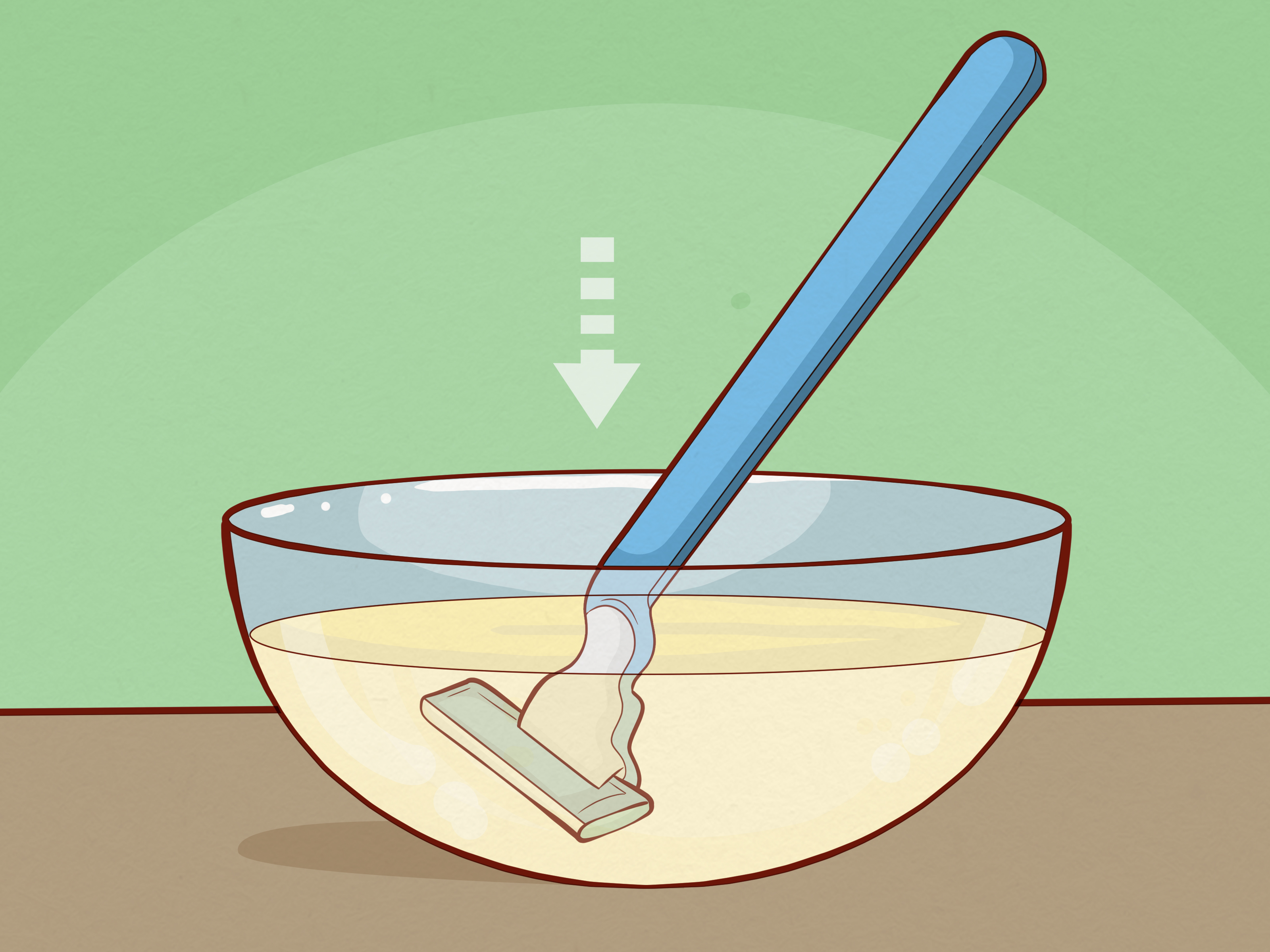
Warm sitz baths for 10–15 minutes, 2–3 times daily, can ease pain and irritation. A bathtub works, and so does a toilet-top sitz basin. Plain warm water is usually enough.
Keep it gentle, keep it consistent.
3) Cold compresses for swelling
Short cold applications can reduce swelling and numb discomfort, especially during flare-ups. Always use a cloth barrier to protect skin, and keep sessions brief.
Think “cool and controlled,” not “ice age.”
4) Topical comfort products
Over-the-counter options like witch hazel pads, hemorrhoid creams, and short-term hydrocortisone products may help with itching and soreness. Use labels carefully and avoid prolonged steroid use unless your clinician says otherwise.
If breastfeeding, ask your clinician or pharmacist which products are best for your situation.
5) Bathroom mechanics matter
- Go when you feel the urge (don’t delay).
- Avoid straining or breath-holding.
- Use a small footstool to improve angle and reduce pressure.
- Limit toilet sitting time (yes, even if your phone is entertaining).
6) Gentle cleansing, less friction
Use soft, unscented tissue or water-based rinsing (like a peri bottle), then pat dry. Avoid harsh soaps, fragrances, and vigorous wiping.
Postpartum tissues are healing; treat the area like skin you actually like.
7) Movement and pain management
Light walking can support bowel movement and circulation. If your clinician says it is appropriate, postpartum-safe pain relief can reduce the pain-spasm cycle.
Better pain control often means easier bowel movements and less fear.
8) A practical one-day “comfort menu”
- Breakfast: oatmeal with chia and berries
- Lunch: lentil soup, whole-grain toast, side salad
- Snack: pear and nuts
- Dinner: brown rice, salmon, roasted vegetables
- Hydration: steady water intake all day
A 7-Day Postpartum Relief Plan
Days 1–2: Calm inflammation
- Start stool-softening habits (fiber + fluids + stool softener if advised).
- Do sitz baths 2–3 times daily.
- Use brief cold compresses during flare-ups.
- Use gentle cleansing after bowel movements.
Days 3–4: Stabilize routine
- Continue hydration and high-fiber meals.
- Add short walks if tolerated.
- Practice no-strain toilet habits.
- Use topical comfort products as needed.
Days 5–7: Evaluate trend
- Track pain, swelling, and bleeding.
- Notice whether bowel movements are easier.
- If improving: continue another 1–2 weeks.
- If not improving or worsening: contact your clinician.
What to Avoid While Healing
- Ignoring constipation for several days
- Pushing hard during bowel movements
- Long toilet sitting sessions
- Heavily perfumed wipes or soaps
- Aggressive wiping and friction
- Heavy lifting before your body is ready
- Assuming every kind of bleeding is “just hemorrhoids”
When to Call Your Doctor
Contact your OB-GYN or healthcare professional promptly if you have:
- Heavy rectal bleeding, clots, or bleeding that keeps recurring
- Dizziness, weakness, or signs of blood loss
- Severe pain with a hard, very tender lump
- Fever, spreading redness, or signs of infection
- Black or tarry stool
- Symptoms lasting beyond several weeks despite home care
Postpartum bleeding can be confusing because vaginal and rectal bleeding may overlap in timing. If you are unsure where blood is coming from, ask your clinician. That is a smart move, not an overreaction.
What If Home Remedies Don’t Work?
You still have options. Clinicians can evaluate for internal hemorrhoids, fissures, or other causes of pain and bleeding. If needed, office-based procedures such as rubber band ligation may be considered for selected internal hemorrhoids.
Severe or persistent cases may need specialist care. The key message: you are not stuck with this forever.
How to Prevent Future Flare-Ups
- Keep fiber and hydration consistent, not occasional.
- Treat constipation early.
- Use proper toilet posture and avoid straining.
- Resume postpartum exercise gradually as advised.
- Follow up if symptoms keep returning.
Conclusion
Hemorrhoids after pregnancy can be painful and frustrating, but they are usually manageable with a steady routine: soften stool, protect the area, reduce inflammation, and avoid straining.
Most people improve over days to weeks, and persistent symptoms have clear medical treatment pathways.
You are not “bad at recovery.” You are healing from a major life event while keeping a tiny human alive on very little sleep. Progress can be bumpyone great day, one grumpy day, then three better days.
That still counts as healing.
Extended Section: Postpartum Experiences (500+ Words)
The stories below are composite, experience-based examples that reflect common postpartum patterns. They are included to make this topic feel less clinical and more human.
Experience 1: “I thought I was the only one”
A first-time mom noticed intense pain during bowel movements on postpartum day three. She felt blindsided and embarrassed, mostly because nobody in her circle had talked about hemorrhoids in detail.
She thought she had done something wrong. Once she learned how common postpartum hemorrhoids are, her anxiety dropped. She built a simple routine: a morning sitz bath, an evening sitz bath, one large water bottle refilled three times,
and a stool softener recommended by her clinician. She also started a strict “no doom-scroll on the toilet” rule. After about a week, pain was clearly better. By week three, she could sit comfortably for feeds again.
Her biggest takeaway: consistency beat intensity.
Experience 2: “I had a C-section, so how did this happen?”
Another parent was surprised to develop hemorrhoids after a cesarean birth. She associated hemorrhoids only with pushing. But postoperative constipation, less movement, pain medication, and reduced hydration can all contribute.
She shifted to what she called the “gentle gut plan”: fiber at each meal, short hallway walks every few hours, and using a peri bottle instead of dry wiping. She swapped quick processed snacks for fruit and oatmeal at breakfast.
Symptoms improved gradually over two weeks. Her lesson: route of delivery matters, but postpartum bowel habits matter too.
Experience 3: Breaking the fear–pain cycle
One mom described a cycle many people recognize: painful bowel movement leads to fear, fear leads to delaying, delaying leads to harder stool, harder stool leads to more pain.
Her clinician taught her to exhale slowly during bowel movements and avoid holding her breath. She added a small footstool, kiwi at breakfast, and a hydration timer on her phone.
The first improvement was psychologicalless panic before using the bathroom. Physical relief followed. By week four, bleeding had largely stopped and pain was mild. She said the biggest shift was realizing that “going gently” was not weakness;
it was treatment.
Experience 4: The midnight flare toolkit
A postpartum parent found symptoms were worst at night, especially after long feeding sessions. She built a bedside recovery kit: witch hazel pads, clean cotton underwear, water bottle, clinician-approved pain medicine, and written care instructions.
She also moved her phone charger away from the bathroom to reduce long toilet sitting during overnight wake-ups. The flare-ups did not vanish overnight, but they became shorter and less scary because she had a plan.
Her practical tip: make relief tools easy to reach when you are tired.
Experience 5: When home care was not enough
Another patient followed home remedies carefully for several weeks but still had bleeding and pain that interfered with daily infant care. She felt guilty about calling the doctor again, worried she was “complaining too much.”
At follow-up, she was evaluated and given a step-up treatment plan. The relief she felt was immediatenot only physically, but emotionally. Her takeaway: persistent symptoms are not a character test.
They are a reason for medical reassessment.
Experience 6: Partner support changed recovery speed
In one household, the non-birthing partner took over meal prep for two weeks and focused on fiber-rich, easy foods: overnight oats, bean soups, roasted vegetables, fruit bowls, and hydration reminders.
They also handled diaper changes during sitz-bath windows so care happened on schedule. Recovery improved steadily, and both partners said the process felt less isolating.
Their lesson: postpartum healing is a team project. Practical supportfood, time, and reminderscan directly improve outcomes.
Common threads across these experiences
Most people improved when they combined four habits: (1) stool-softening nutrition and hydration, (2) local symptom relief with warm soaks and gentle products, (3) no-strain bathroom technique,
and (4) early follow-up when progress stalled. The emotional pattern was equally consistent: early worry, gradual confidence, then steady recovery.
If that is where you are right nowsomewhere between overwhelmed and determinedyou are doing better than you think. Start simple, stay consistent, and ask for help early when you need it.
Healing is not linear, but it is absolutely possible.