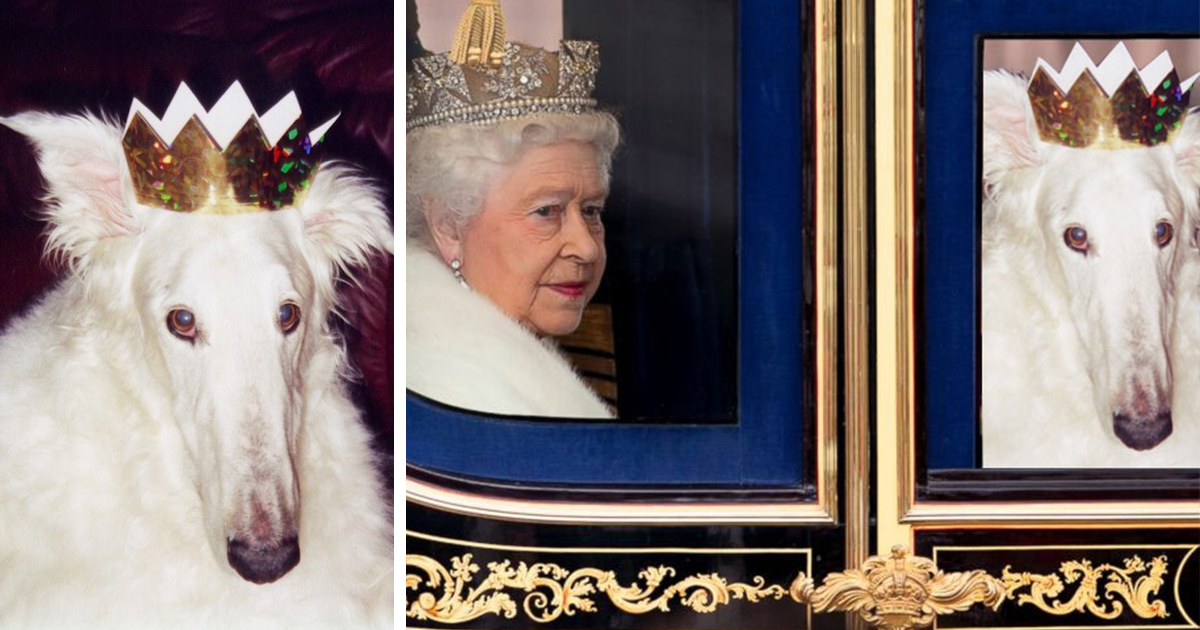
Note: This article is a web-ready editorial inspired by real online photo-editing communities, pet photography trends, and the internet’s unstoppable habit of turning one innocent dog picture into a full cinematic universe.
When One Dog Photo Becomes the Internet’s Favorite Blank Canvas
Every so often, the internet collectively looks at a dog photo and says, “Yes. This needs to become art.” Not serious museum art, necessarilyalthough frankly, some of these edits deserve a small marble plaquebut the kind of joyful, ridiculous, wildly creative image manipulation that can turn a sleepy golden retriever into a Renaissance duke, a space explorer, a courtroom witness, or the final boss in a video game called Who Ate the Sofa?
That is the irresistible charm behind the phrase “Hey Pandas, Photoshop This Dog Pic.” It sounds casual, but it carries a whole internet tradition inside it: community prompts, Photoshop battles, pet memes, user-generated humor, and the universal agreement that dogs are already funny before anyone opens an editing app. Give people one expressive pup, a strange pose, a dramatic side-eye, or a badly timed jump, and suddenly the comments section becomes a comedy writers’ room with layers, masks, shadows, and far too much free time.
Dog photo editing challenges work because they sit at the sweet spot between creativity and low-pressure fun. Nobody needs a fine arts degree to laugh at a pug edited into a royal portrait. Nobody needs to understand advanced compositing to appreciate a Chihuahua standing on the moon. The joke is immediate: the dog is serious, the situation is absurd, and the editor has committed to the bit with the intensity of a Hollywood visual effects team.
Why “Photoshop This Dog Pic” Challenges Go Viral
The best viral posts are easy to understand, easy to join, and easy to share. A dog Photoshop challenge checks all three boxes. The original image acts as a prompt, the community supplies the punchline, and each new edit raises the stakes. One person adds sunglasses. Another places the dog on a pirate ship. Someone else turns the same dog into a motivational speaker giving a TED Talk about the emotional cost of empty food bowls.
Dogs Already Have Built-In Comedy
Dogs are expressive in ways that feel almost unfair to other animals. A tilted head can look like deep philosophical confusion. A side-eye can look like a tax audit. A mid-sneeze photo can look like the exact second a wizard’s spell went wrong. Even when people misread canine expressions, the visual storytelling power is undeniable. A relaxed face, soft eyes, loose posture, and playful body language can make a dog look friendly and approachable, while a strange angle or frozen motion can accidentally create comedy gold.
This is why dog memes rarely need a complicated setup. A good dog picture already has character, mood, and dramatic tension. Photoshop simply gives that dog a stage. Maybe it is a beach, a spaceship, a courtroom, a medieval banquet, or the cover of a fake album called Bark Side of the Moon. The edit works because the dog looks like it belongs there, or better yet, like it absolutely does not belong there but has accepted the assignment.
Community Prompts Make People Feel Included
“Hey Pandas” style prompts work because they invite participation instead of passive scrolling. The wording feels friendly, slightly chaotic, and open-ended. It says: here is a funny idea; come play. That matters. Online communities thrive when users are not just readers but contributors. A Photoshop prompt gives everyone a role: editor, commenter, voter, pun-maker, or delighted bystander who simply types “I was not emotionally prepared for this.”
That participation loop is powerful for SEO and social engagement. People linger longer when there are multiple images to view. They return to see new submissions. They share their favorite edits. They debate which version is funniest. The post becomes less like a static article and more like a living gallery, where the same dog keeps getting promoted to increasingly absurd jobs.
The Anatomy of a Great Dog Photoshop Edit
Not every edit needs to be technically perfect. In fact, the internet has a long and glorious love affair with edits that are slightly rough around the edges. However, the funniest dog Photoshop edits usually get a few things right: they understand the original photo, they keep the dog’s personality visible, and they make the new setting feel like a punchline rather than random decoration.
1. Start With the Dog’s Expression
The expression is the engine of the joke. A dog looking startled fits naturally into an action scene. A dog looking smug belongs in a courtroom, a boardroom, or on a yacht wearing tiny sunglasses. A dog with one paw lifted can become a magician, a conductor, a philosopher, or a confused traffic cop. Before adding anything, ask: what story is the dog already telling?
2. Match the Lighting
Lighting is what separates a quick gag from an edit that makes people zoom in and say, “Wait, why does this actually look real?” If the original dog photo has soft outdoor light, place it in a scene with similar light. If the photo has strong shadows, use a dramatic background. A dog pasted onto a fantasy battlefield can be hilarious, but if the lighting matches, the joke becomes even stronger because the absurdity feels believable.
3. Respect the Edges
Fur is the final boss of image editing. Anyone who has tried to cut out a fluffy dog knows the pain. One minute you are removing the background; the next minute the dog looks like it survived a haircut performed by a lawn mower. Good edits preserve the natural outline of the fur, especially around ears, tails, and paws. A soft mask, careful brushwork, and a little patience can make the difference between “adorable” and “haunted sticker.”
4. Add a Clear Joke
The best edits are not just “dog in place.” They are “dog in place with a reason.” A dachshund stretched across a bridge? Funny. A dachshund edited into a bridge inspection crew with a clipboard? Funnier. A bulldog in a suit? Good. A bulldog in a suit refusing to approve the household snack budget? Excellent. Give the edit a tiny story, and the audience will do the rest.
Popular Ideas for “Photoshop This Dog Pic” Edits
When a community gets a dog image to remix, certain themes almost always appear. These ideas are popular because they are instantly readable and easy to exaggerate.
The Movie Poster Dog
Turn the dog into the star of a fake blockbuster. A heroic Labrador can lead an action film titled Mission: Im-paw-sible. A suspicious terrier can headline a mystery called The Biscuit Conspiracy. A sleepy hound can become the face of an indie drama about a dog who just wants everyone to stop vacuuming.
The Historical Portrait Dog
Nothing says “internet sophistication” like placing a dog in an oil-painting frame with a ruffled collar. The more serious the expression, the better. A tiny dog becomes Lord Cheddar of Couchshire. A noble shepherd becomes General Barkington, Defender of the Backyard. Add a velvet curtain and a fake family crest, and suddenly the dog has inherited land.
The Workplace Dog
Dogs in human jobs are reliably funny because they look both underqualified and overconfident. A pug at a laptop becomes the office manager. A border collie in a headset becomes customer support. A golden retriever in a hard hat becomes the project supervisor who keeps approving holes in the yard.
The Fantasy Adventure Dog
Some dogs simply look destined for quests. Give them a cape, a glowing forest, and a dramatic mountain in the distance. Suddenly they are not begging for chicken; they are carrying the ancient tennis ball to the land of eternal squeakers. Fantasy edits work especially well when the dog has a noble posture or a deeply concerned face.
The Space Dog
Dogs in space remain undefeated. A dog floating near Earth, sitting on Mars, or piloting a tiny spaceship will almost always get a reaction. The contrast between cosmic scale and a dog’s very local prioritiesfood, naps, suspicious squirrelscreates instant comedy.
Photoshop, AI Tools, and the New Era of Pet Edits
Dog photo edits are no longer limited to traditional Photoshop skills. Today, creators can use background removers, generative fill, object removal, AI pet portrait tools, mobile editing apps, and browser-based design platforms. That means more people can join the fun, even if they have never manually cut out a single strand of fur in their lives.
Modern tools can remove a messy background, expand a photo’s edges, add props, change a scene, or stylize a pet portrait into fantasy art, comic art, watercolor, or cinematic lighting. For casual creators, this lowers the barrier to entry. For experienced editors, it speeds up the boring parts so they can focus on the joke, composition, and polish.
Still, the human idea matters most. A tool can generate a castle, but it cannot automatically know that the funniest version is a corgi sitting on the throne while three knights argue over who forgot the treats. The magic is not just in the software. It is in the timing, the concept, and the decision to make the dog look like it has been ruling this kingdom for years.
Responsible Editing: Keep the Fun Without Crossing the Line
There is a simple rule for pet photo editing: make the image funny, not mean. Dogs do not understand internet fame, and they did not sign a release form with a paw print while calmly reviewing the terms. A good edit celebrates the dog’s personality. It does not mock injury, fear, neglect, or distress. If the original photo shows a dog looking scared or uncomfortable, the best choice is to avoid turning that discomfort into a punchline.
Responsible editing also means being honest when an image has been heavily altered, especially if it is used outside a comedy setting. For entertainment posts, audiences generally understand that the picture has been edited. But for adoption photos, rescue posts, or product promotions, clarity matters. People should know what is real, what has been enhanced, and what has been completely invented by software.
Copyright and credit also deserve attention. If the dog photo belongs to someone else, credit the source or get permission before remixing it. If a creator uses AI tools, they should still contribute meaningful human creativity and be transparent when appropriate. The internet is more fun when people can remix, laugh, and participate without erasing the work of the original photographer or pet owner.
Why Dog Photos Matter Beyond Memes
Funny dog edits may look like pure entertainment, but pet images can have real-world impact. Animal shelters and rescue groups often rely on photos to help pets stand out online. A clear, friendly, personality-filled dog photo can encourage potential adopters to click, read, share, and eventually visit. Good lighting, a clean background, visible eyes, and a relaxed expression can make a dog seem more approachable.
This does not mean every adoptable dog needs to be Photoshopped into a superhero cape, although honestly, some of them could pull it off. It means visuals shape first impressions. Online audiences make fast decisions. A strong photo can say, “This dog is playful,” “This dog is gentle,” or “This dog may steal your sandwich but will apologize with eye contact.”
For shelters, responsible editing can improve clarity without misleading viewers. Brightening a dark image, cropping distractions, or cleaning up the background can help the dog shine. But changing the dog’s size, markings, age, or health condition would be misleading. In adoption contexts, accuracy is part of kindness.
How to Create a Better Dog Photoshop Challenge
If you want to run a “Photoshop this dog pic” challenge, start with a photo that has personality. The dog should be clearly visible, ideally with an expressive pose, clean focus, and enough space around the body for editors to work. A weird posture, dramatic facial expression, or funny background detail gives participants more material.
Next, set simple rules. Ask people to keep edits friendly, avoid cruel themes, credit the original image, and mention whether they used AI tools. Encourage puns, captions, and short backstories. A great challenge is not only about the image; it is about the conversation around the image.
Finally, organize the results in a way that makes scrolling enjoyable. Use descriptive headings, short captions, and a voting or ranking system if the platform allows it. The best community posts feel like a gallery opening where the artist is a golden retriever and the refreshments are imaginary biscuits.
SEO Value of Dog Photoshop Content
From a search perspective, this topic has a strong mix of evergreen and viral appeal. Keywords such as dog Photoshop challenge, funny dog edits, Photoshop dog picture, pet photo editing, and dog meme ideas naturally fit the subject. The content can attract readers interested in humor, graphic design, AI photo editing, pet photography, and online community trends.
The best SEO strategy is to avoid turning the article into a keyword chew toy. Search engines reward helpful, readable content, and readers reward articles that do not sound like they were assembled by a robot trapped inside a marketing seminar. Use the main keyword naturally in the title, introduction, a few headings, and supporting sections. Then focus on useful ideas, examples, and entertainment value.
of Experience: What It Feels Like to Join a Dog Photoshop Challenge
The first time you join a “Photoshop this dog pic” challenge, you may think it will take five minutes. This is adorable. It is also wrong. You open the dog photo with the innocent confidence of someone who has not yet tried to select individual whiskers from a beige carpet. You tell yourself, “I’ll just remove the background and add something silly.” Then forty minutes later, you are researching pirate hats, adjusting shadow opacity, and whispering, “No, the paw needs to look like it is actually resting on the treasure chest.”
The experience is strangely absorbing because the dog becomes a character. At first, it is just a pet photo. Then you notice the expression. Maybe the dog looks guilty, as if it has knowledge of events in the kitchen. Maybe it looks heroic, as if it has just returned from battle against the mail carrier. Maybe it looks deeply confused, which is the most versatile expression in comedy. Once the personality clicks, the edit starts writing itself.
One of the funniest parts is discovering how different people interpret the same image. One editor sees a detective. Another sees an astronaut. Another sees a dog who has accidentally become CEO after walking into the wrong meeting. The original photo stays the same, but every edit reveals a different sense of humor. That is why community challenges feel so alive. They are not just about technical skill; they are about imagination.
There is also a satisfying problem-solving element. How do you make the dog fit into the new scene? Where should the light come from? Should the background be realistic or intentionally ridiculous? Should the dog wear a tiny crown? The answer to that last question is usually yes, unless the dog clearly demands a wizard hat. You learn by experimenting, failing, undoing, redoing, and eventually accepting that the slightly imperfect version may be funnier than the polished one.
Another experience worth mentioning is the comment section. A good dog edit attracts puns the way a kitchen floor attracts crumbs. People will write captions. They will assign the dog a job title. They will invent lore. A single edited image can turn into a collaborative story: Sir Barksalot lost the royal slipper, Detective Woofington is investigating, and Captain Fluff has entered orbit with no snacks and no regrets.
The best lesson from these challenges is that creativity does not always need to be serious to be meaningful. A silly dog edit can brighten someone’s day, teach a beginner about design, encourage respectful remix culture, and remind everyone that the internet is not only arguments and password resets. Sometimes it is a dog in a tiny business suit, looking prepared to discuss quarterly treat projections.
Conclusion: The Internet Will Always Need More Good Dogs
“Hey Pandas, Photoshop This Dog Pic” is more than a throwaway prompt. It is a perfect example of why online communities love participatory humor. A single dog photo can become a gallery of jokes, a beginner-friendly editing lesson, a showcase of creativity, and a reminder that the best internet moments often start with something wonderfully simple.
Whether the final edit places the dog on Mars, in a courtroom, on a medieval throne, or behind a tiny office desk, the heart of the trend remains the same: people enjoy making each other laugh. Add a good photo, a willing community, and just enough editing magic, and suddenly one dog becomes a thousand stories. That is the kind of wholesome chaos the web could always use more of.