
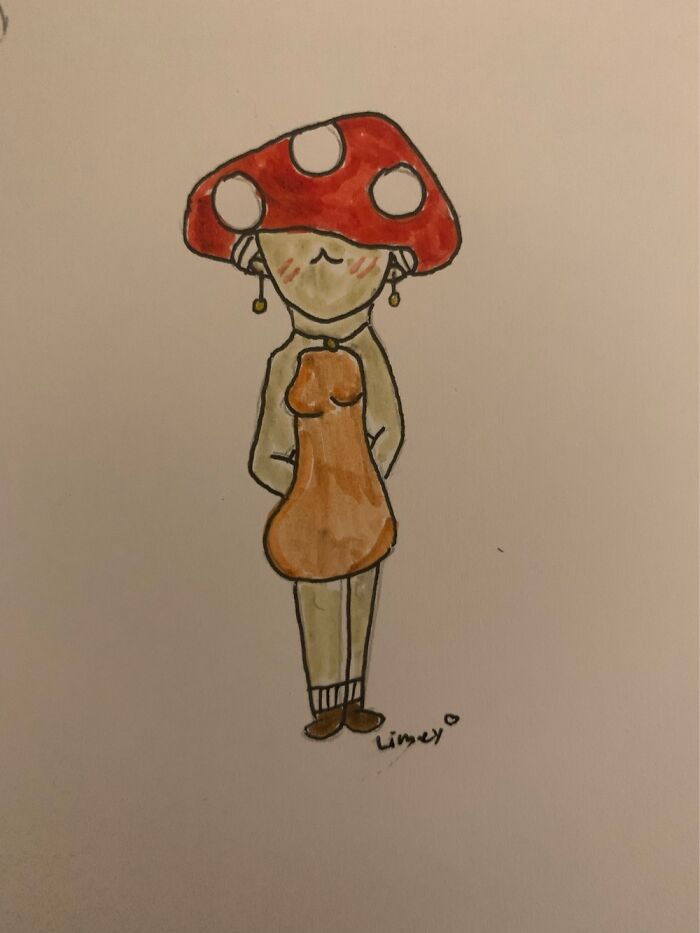
Some internet prompts ask for opinions. Some ask for confessions. And then there are the glorious little brain-ticklers that make you stop mid-scroll, squint at your coffee mug, and think, “Wait… if you were human, you’d absolutely wear chunky sweaters and give unsolicited life advice.” That is the exact magic of the prompt “Hey Pandas, Try To Draw Your Fave Object As A Person :)”. It is playful, visual, weirdly emotional, and just structured enough to spark ideas without strangling them.
At first glance, it sounds like a silly art challenge. In reality, it taps into something people do all the time: we give personalities to things. We say our laptop “hates us,” our car is “moody,” and our favorite pen is “the only one that understands the assignment.” In other words, this prompt works because it takes a very human habit and turns it into a creative game. And once that game begins, everyday objects stop being background props and start auditioning for the role of “main character.”
That is why this challenge feels so fresh. It is not just about drawing well. It is about observation, imagination, humor, and storytelling. It invites you to notice shape, texture, color, purpose, and mood. It asks a fun question with serious creative potential: if an object had a body, a wardrobe, an attitude, and a backstory, who would it be?
Why This Prompt Is So Ridiculously Fun
The best creative prompts are simple enough to understand in two seconds and rich enough to keep your brain busy for an hour. This one nails both. It is easy to start because everyone already has a favorite object. Maybe it is a chipped mug, a camera, a skateboard, a desk lamp, a battered backpack, or that one hoodie zipper you trust more than most people. The emotional connection is already there. The prompt just gives it legs. Possibly dramatic boots. Maybe even curtain bangs.
What makes draw your favorite object as a person such a sticky idea is that it combines imagination with constraint. You are not staring at a blank page thinking, “I can draw literally anything,” which is often the fastest route to drawing absolutely nothing. Instead, you have a built-in starting point. The object gives you the silhouette, the color palette, the function, and often the vibe. A lamp might become a bright, overcaffeinated theater kid. A toaster might become a no-nonsense breakfast-line manager. A worn journal might turn into a quiet friend who knows everybody’s secrets and never spills them.
Creative thinking tends to get stronger when there is a little structure involved. A prompt like this invites fluency, flexibility, elaboration, and originality all at once. First, you generate lots of possibilities. Then you test different directions. Then you add details. Finally, you land on the version that feels surprising and alive. That is not just doodling. That is design thinking wearing sneakers.
The Secret Ingredient: Anthropomorphism
If you have ever named a houseplant, apologized to a table after bumping into it, or felt betrayed when your headphones tangled for the third time in one day, congratulations: you are gloriously human. The technical term for this habit is anthropomorphism, which is just a fancy way of saying we give human traits to nonhuman things.
That tendency is not random. It helps us make sense of the world. We are social creatures, so our brains are excellent at reading intention, emotion, and personality. Sometimes that instinct spills over onto pets, gadgets, weather, toys, food, and favorite objects. That is part of why personifying an object feels so natural in art. You are not forcing something unnatural. You are leaning into a habit your brain already loves.
Artists and visual storytellers have been doing this forever. Everyday objects become symbols, mascots, characters, or tiny emotional mirrors. That is why object-based art can feel funny, charming, or strangely moving. A bent fork can look exhausted. A cracked teacup can feel resilient. A neon sign can seem loud even when it is switched off. When artists transform objects into people, they are really translating physical traits into human meaning.
How To Turn an Object Into a Believable Person
Here is where the challenge gets juicy. If you want your object as a person drawing to feel memorable, do not start with the face. Start with the object’s job, shape, and energy.
1. Begin With Function
Ask the most useful question first: what does this object do? A backpack carries things. A lamp gives light. A key opens access. A whisk mixes chaos into cake batter. Function often points directly to personality.
A backpack might become a dependable, overprepared friend with ten pockets, a backup phone charger, and two granola bars “just in case.” A key might become a mysterious, trusted old soul who knows where everything is hidden. A whisk might be a wiry extrovert who enters every room like it is a cooking show finale.
When the character’s personality grows from the object’s purpose, the design feels intuitive instead of random.
2. Borrow the Object’s Shape Language
Good character design loves shape. Tall, narrow objects often suggest elegance, awkwardness, or intensity. Round shapes can feel friendly, cozy, and approachable. Sharp edges tend to read as precise, energetic, intimidating, or stylish. Before you draw clothes or facial features, notice the basic geometry of the object.
A desk lamp might have a long neck and angled limbs. A teapot could inspire a rounded torso, curved sleeves, and a dramatic, swan-like posture. A mechanical pencil may become a slim, exacting character with crisp lines, neat hair, and the kind of personality that color-codes grocery lists for fun.
The point is not to copy the object literally. The point is to let its contour guide the human design.
3. Let Gesture Do Half the Work
One of the fastest ways to make a character feel alive is gesture. Before you worry about perfect anatomy, ask how this person stands, slouches, leans, points, shrugs, or storms out of the room after one mildly inconvenient text message.
Gesture carries emotion. A stiff, upright pose can suggest pride, formality, or stress. A droopy curve can read as tired, soft, or shy. Even small changes in eyebrows, shoulders, and hand position can completely shift the character’s mood. That matters because this prompt is not only about turning an object into a person. It is about turning it into someone.
4. Dress the Character Like the Object’s Personality Has a Closet
Clothing is where the joke gets good. If the object were shopping for an outfit, what would it buy?
A ceramic mug might wear oversized knitwear, warm earth tones, and socks that imply trustworthiness. A traffic cone might show up in high-visibility streetwear and act like an unpaid assistant director on a chaotic indie film set. A vintage camera might wear suspenders, carry a notebook, and insist on “capturing the moment” while sounding mildly judgmental about phone photography.
Wardrobe lets you echo material, color, era, and attitude without spelling out the whole concept in giant neon letters.
5. Keep One Thing Unexpected
The best object-person characters usually include one twist. Maybe the scissors are gentle. Maybe the pillow is a competitive athlete. Maybe the alarm clock is ironically late. Surprise creates charm. It stops the design from becoming too obvious and gives the character more dimension.
Examples That Practically Draw Themselves
Need inspiration? Try these on for size.
The Desk Lamp
This character is all angles, focus, and restless energy. They probably stay up too late, own three notebooks, and say things like, “I had an idea at 2:13 a.m. and it changed everything.” Their outfit is structured, their posture leans forward, and they have intense “let’s make this better” energy.
The Coffee Mug
Warm, dependable, slightly chipped, and beloved. This person gives the best hugs, has excellent taste in rainy-day playlists, and somehow always knows when someone needs to vent. If it is your favorite mug, add a little wear and tear. Those details make the character feel lived-in instead of manufactured.
The Backpack
Part guardian, part chaos container. This person has receipts from 2022, lip balm in three locations, and one weirdly useful item no one else thought to bring. Their design might include layered pockets, straps translated into accessories, and a sturdy stance that says, “Yes, I packed snacks.”
The Mechanical Pencil
Neat, precise, and just a little intense. This character likes margins, clean lines, and probably sighs dramatically when someone borrows them and clicks too hard. Great for a sleek design with sharp features, fitted clothes, and a perfectionist streak you can see from across the room.
The House Key
Small but powerful. Quiet but essential. This character feels like a gatekeeper, a guide, or the friend who always knows the side entrance nobody else noticed. Give them metallic details, a narrow silhouette, and the sort of smile that suggests they know more than they are saying.
Why People Love Sharing These Drawings Online
The prompt also works beautifully as a community post because it blends identity with creativity. People are not just showing what they drew. They are showing what they love, what they notice, and how they think. A favorite object is rarely just an object. It is memory, ritual, comfort, utility, nostalgia, or obsession with excellent shelf aesthetics.
That makes the drawings personal without being overly serious. It is easier to post “my favorite desk lamp as a dramatic fashion editor” than to post a full emotional autobiography, but somehow the drawing still reveals something real. Your favorite object says a lot about your routines and tastes. The human version says even more.
There is also something delightfully democratic about this kind of creative drawing challenge. You do not need expensive supplies. You do not need formal training. You do not even need a realistic style. This prompt can work as a cartoon, comic panel, fashion sketch, collage, digital illustration, or messy pen doodle on the back of a receipt while pretending to listen during a meeting. The point is not perfection. The point is connection.
How To Make Your Drawing Stand Out
If you want your version of “Hey Pandas, Try To Draw Your Fave Object As A Person :)” to get attention, focus on personality before polish. A rough sketch with a strong idea will almost always beat a technically polished drawing with no point of view.
Start with a quick list: what is your object’s job, mood, age vibe, fashion sense, social energy, and biggest flaw? Then sketch three silhouettes. Then choose one exaggerated feature. Then add one accessory that hints at the original object. That process sounds simple, but it does a lot of heavy lifting.
Also, trust texture. Scratches, dents, chipped paint, stickers, frayed edges, and faded colors are not flaws. They are biography. They tell the viewer this character has existed in the world, done some stuff, survived a few dramatic Tuesdays, and still has charisma.
Extra Experiences Related To “Hey Pandas, Try To Draw Your Fave Object As A Person :)”
One of the funniest things about trying this challenge is how quickly your relationship with your favorite object changes. You begin by thinking, “This will be a cute little drawing.” Ten minutes later, you are emotionally invested in whether your lamp is more “sleep-deprived grad student” or “fashionable detective with trust issues.” The object stops being a thing and starts becoming a roommate in your imagination.
A lot of people notice that the first idea they have is not always the best one, but it opens the door to better ideas. Maybe your first instinct is to turn a spoon into a chef. Fine. Sensible. Safe. Then you keep looking and realize your spoon is actually giving “retired diva who still demands perfect lighting.” That second or third interpretation is usually where the good stuff lives. The challenge teaches you to stay with an idea long enough for it to become interesting.
There is also a sneaky emotional side to the experience. Favorite objects often carry stories. A beat-up backpack might remind you of school trips, bus rides, and overpacked Mondays. A mug may belong to someone you love. A keychain might be attached to your first apartment key. When you draw those objects as people, you are not just inventing a character. You are translating your own experience into visual form. That is probably why the final drawing can feel oddly personal, even if it is hilarious.
Another common experience is realizing that everyone sees the same object differently. One person turns a pair of headphones into a cool, introverted music producer. Another turns them into a dramatic pop star who refuses to make eye contact before noon. Neither version is wrong. That is the fun of the prompt. It reveals perspective. It shows that creativity is not about finding the one correct answer. It is about finding the answer that feels most alive to you.
This challenge can also be surprisingly freeing for people who say they “cannot draw.” Because the prompt is concept-driven, viewers forgive a lot if the personality lands. A wobbly sketch with a strong joke or a clear mood can be instantly lovable. In fact, rough lines sometimes add charm. They make the drawing feel spontaneous, like the idea arrived laughing and you wisely decided not to slow it down.
And then there is the social part. Sharing these drawings can spark ridiculously good conversations. People start defending their interpretations of office supplies like they are casting a prestige TV drama. “No, the stapler is not stern. The stapler is exhausted but loyal.” “Actually, the umbrella is giving chaotic aunt energy.” Suddenly an ordinary object has lore, attitude, and a fan base. That is internet magic at its finest.
In the end, the experience of doing this prompt is less about producing a perfect finished illustration and more about noticing how imaginative everyday life already is. The world is full of shapes waiting to become people, people waiting to become stories, and stories waiting to become something worth posting. Once you try it, you may never look at your favorite object the same way again. Which is wonderful news for your sketchbook and mildly concerning news for your toaster.
Conclusion
“Hey Pandas, Try To Draw Your Fave Object As A Person :)” is more than a cute internet challenge. It is a clever creative prompt that works because it mixes anthropomorphism, design thinking, humor, memory, and visual storytelling. It gives artists and non-artists alike a fun entry point into character design without requiring a giant blank-page epiphany.
If you want to make this prompt shine, look closely at the object’s function, shape, texture, and mood. Let gesture carry emotion. Let clothing hint at personality. Keep one surprising detail. Most of all, remember that the best version is not the one with the fanciest shading. It is the one that makes someone say, “Oh wow, that absolutely would be a person.”
So yes, go ahead and turn your favorite object into a human character. Give your desk lamp opinions. Give your mug a cardigan. Give your house key a mysterious backstory and excellent cheekbones. The world has enough boring objects. Your sketchbook does not need to be one of them.












