Your profile picture may occupy only a tiny circle on a screen, but it can hold an entire autobiography. It might feature your face, your dog, a fictional villain, an obscure meme, a vacation sunset, or a badly drawn frog wearing a crown. To a stranger, it is merely an image. To you, it may represent a treasured memory, a private joke, a creative obsession, or the version of yourself you feel most comfortable sharing.
That is what makes the question “What is your profile pic based on?” surprisingly interesting. The answer is rarely just, “I liked the picture.” Every avatar has a backstory, even when the backstory is simply, “I panicked while creating the account and selected the first image in my camera roll.”
So, Pandas, let us investigate the miniature portraits that introduce us to the internetand the funny, emotional, artistic, and occasionally chaotic reasons behind them.
A Profile Picture Is a Tiny Piece of Online Identity
Long before someone reads your biography, opens your posts, or discovers that you have very strong opinions about pineapple on pizza, they usually see your profile picture. It acts as a visual handshake: small, immediate, and open to interpretation.
Research into online self-presentation has found that people use photos, avatars, profile details, and other visual cues to construct digital versions of themselves. These versions are not necessarily fake. They are edited selections. A person may emphasize professionalism on LinkedIn, silliness in a gaming community, and family life on a private social network. Each profile can be authentic while highlighting a different part of the same individual.
Pew Research Center has documented how photos became central to social media expression and reputation management. Users do not merely upload images; they select, delete, crop, untag, and restrict them according to the audience they expect to see them. In other words, choosing a profile picture is often a small act of identity management, even when it feels casual.
The picture says somethingbut not everything
It is tempting to treat profile pictures like personality quizzes. Cat avatar? Introvert. Mountain photo? Adventurer. Black-and-white selfie? Mysterious poet who owns at least one turtleneck.
Reality is less predictable. Images influence first impressions, but they do not provide a complete psychological scan. A smiling photograph may make someone appear approachable without proving that they are cheerful every morning. A cartoon avatar may reflect privacy concerns rather than shyness. A picture of a celebrity might be an affectionate tribute, a fandom reference, or a joke understood by exactly four people.
The most useful question is therefore not, “What does this picture prove about its owner?” It is, “What did the owner want this picture to express?”
What Are the Most Common Profile Pictures Based On?
Profile pictures come from nearly every corner of life. Still, several recurring categories reveal how people turn memories, interests, relationships, and humor into visual identities.
1. A favorite photograph of yourself
The classic choice is a clear self-portrait, professional headshot, graduation picture, wedding photo, or candid snapshot. Sometimes the image is recent. Sometimes it has survived three phones, six hairstyles, and an entire change of career because the lighting was simply too good to surrender.
A personal photograph can help friends recognize you and may make an account feel more trustworthy in professional or community settings. LinkedIn, for example, treats the profile as part of a person’s professional presentation and permits photographs or artistic renderings that reflect the member’s likeness. It also gives users control over who can see their profile photo.
Yet people are not always the best judges of their own photos. In studies of profile-image selection, unfamiliar viewers sometimes chose pictures that created more favorable impressions than the images selected by the subjects themselves. Familiarity with our own face may make it harder to notice which particular photograph communicates warmth, confidence, or competence most effectively.
2. A pet with undeniable star power
For many users, the account technically belongs to a human, but the profile picture belongs to the household’s true celebrity: the pet.
A dog wearing sunglasses, a cat glaring from a cardboard box, or a rabbit chewing a suspiciously expensive cable can communicate affection and humor without revealing the owner’s face. Pet pictures also make excellent conversation starters. People who might never comment on a formal headshot will happily ask whether Mr. Whiskers has always looked that judgmental.
There is also a practical advantage: pets rarely complain about which photo you chose. They may destroy a plant in protest, but they will not demand a retake.
3. A fictional character or fandom
Anime characters, superheroes, video game protagonists, movie villains, book illustrations, and cartoon creatures are common avatar material. These profile pictures function almost like digital badges. They quietly announce, “This story matters to me,” and invite fellow fans to recognize the reference.
The chosen character may represent a personality trait the user admires. Someone might select a brave hero during a difficult period, a chaotic side character because the resemblance feels painfully accurate, or a comforting childhood character associated with happier years.
Context matters here. Research on avatars suggests that viewers interpret photographs, human cartoons, and nonhuman characters differently depending on whether the setting is professional, social, romantic, or task-oriented. The same dragon avatar that looks delightful in a fantasy forum may create confusion in a corporate directoryunless the company is unusually cool.
4. Original art or a custom character
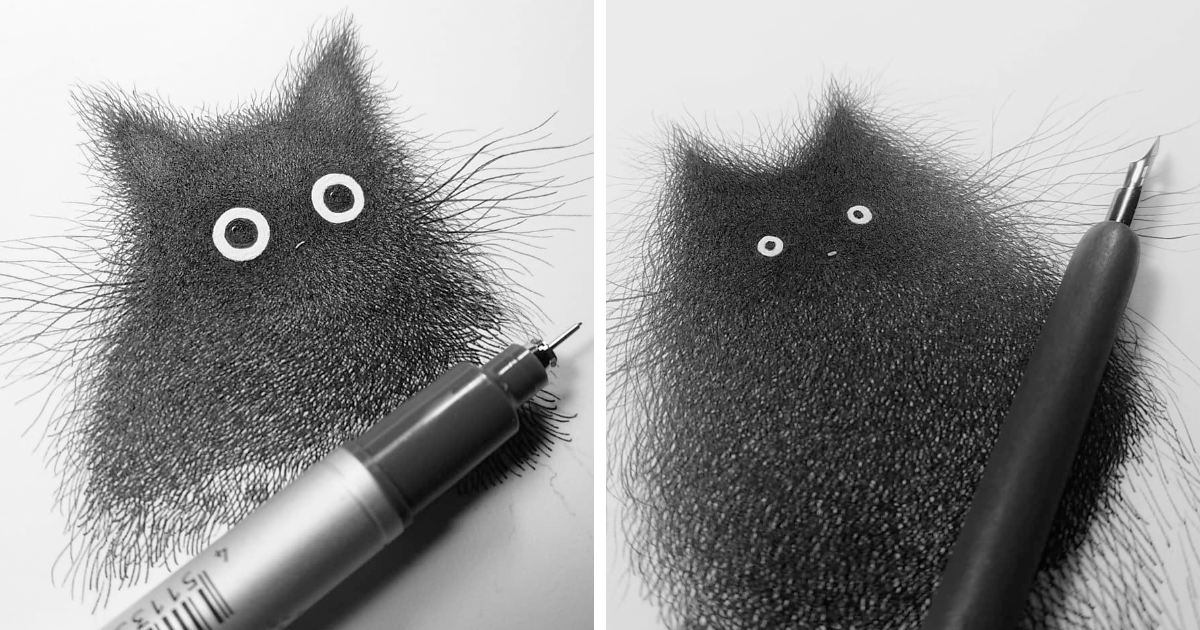
Artists often use profile pictures based on their own work. The image may be a self-portrait, logo, mascot, original character, or stylized version of the artist. This makes the avatar both a personal identifier and a miniature portfolio.
A custom drawing can also provide emotional distance. It allows someone to communicate facial expressions, clothing, interests, or identity without posting a literal photograph. A cartoon version can feel more personal than a generic icon and more private than a selfie.
These avatars tend to evolve alongside the creator. A redesigned hairstyle, new color palette, or improved drawing technique can mark a new phase of artistic growth. Looking through old profile pictures may feel like browsing a tiny museum where every exhibit says, “At the time, I believed enormous glowing eyes were anatomically reasonable.”
5. A meme or inside joke
Some avatars are chosen for one noble purpose: making friends laugh.
Meme profile pictures may feature distorted animals, confused celebrities, strangely edited historical paintings, or screenshots that are completely meaningless without a fifteen-minute explanation. Their value comes from recognition. People who understand the reference immediately feel like members of the same little club.
An inside-joke avatar can also preserve a shared memory. Perhaps the picture came from a disastrous vacation, a multiplayer game, a classroom mishap, or a group chat that became increasingly unhinged after midnight. Outsiders see nonsense. Friends see history.
6. A meaningful place, object, or symbol
Not every profile picture includes a face. Some people choose mountains, oceans, city skylines, flowers, instruments, national symbols, pride colors, cultural artwork, or objects connected to important hobbies.
A landscape might represent a favorite trip, hometown, or long-term dream. A musical instrument can signal a creative passion. A flower may honor someone who died. Even an apparently simple imagesuch as a cup of coffee or an old cameracan be connected to a career, relationship, or daily ritual.
These choices remind us that identity is not limited to appearance. Sometimes the clearest way to represent yourself is to show what you love rather than what you look like.
7. A default icon that became permanent
Then we have the accidental minimalists: people who never uploaded anything.
The default silhouette may mean the account is new, inactive, private, or owned by someone who considers photo selection an exhausting administrative burden. In rare cases, the blank avatar becomes recognizable through sheer consistency. Friends learn to identify the gray circle as confidently as they would recognize a face.
There is something strangely powerful about refusing to participate in the visual performance at all. While everyone else is arranging ring lights and cropping their elbows, the default-avatar user arrives like an anonymous government witness.
Why People Become Attached to One Particular Avatar
A profile picture may remain unchanged for years because it becomes part of the owner’s digital identity. Friends associate the image with messages, comments, jokes, and conversations. Changing it can feel unexpectedly dramaticas though a familiar character has been recast halfway through a television series.
Long-term avatars may also become personal time capsules. An old graduation portrait can preserve pride in an achievement. A picture of a late pet may keep a beloved companion present in everyday life. A childhood drawing may represent creativity that survived into adulthood.
In community-driven spaces, recognizable avatars contribute to social continuity. Bored Panda’s “Hey Pandas” posts, for example, invite members to share photographs, stories, collections, memories, and opinions. The familiar profile images beside those contributions help turn isolated comments into recognizable community voices.
How to Choose a Profile Picture That Feels Like You
Match the image to the setting
You do not need one universal avatar for every account. A polished headshot may suit a professional network, while a pixelated possum may be perfect for a gaming server. Think about the audience, the purpose of the account, and the impression you want to create.
Make sure it remains readable when tiny
Profile pictures are usually displayed as small circles. Fine details disappear, wide group shots turn everyone into decorative crumbs, and text becomes microscopic. Choose a simple composition with a clear focal point. Before uploading, shrink the image and check whether it still makes sense.
Ask someone else for an opinion
When choosing between several photographs, ask a trusted friend which one best matches the quality you want to communicate. Do you want to look friendly, professional, energetic, creative, or delightfully strange? An outside viewer may notice differences that you overlook.
Choose meaning over perfection
The “best” profile picture is not always the most technically impressive. A slightly blurry photo may carry a wonderful memory. A simple drawing may capture your personality more accurately than a flawless studio portrait. The image should feel recognizable and comfortable, not like an advertisement for a person you are pretending to be.
Update it when the mismatch becomes distracting
No rule requires constant changes, but a professional or identification-oriented account should not feature a photo so old that meeting you in person feels like encountering the rebooted version of a franchise. Updating after a major appearance change can reduce confusion while keeping your presentation current.
Profile Picture Privacy and Safety
A profile image may be publicly visible even when the rest of an account is restricted. Before uploading a photograph, check whether it reveals information you would rather keep private. School names, employee badges, house numbers, license plates, recognizable locations, and reflections can expose more than intended.
The Federal Trade Commission and the Cybersecurity and Infrastructure Security Agency recommend limiting unnecessary personal information, reviewing account privacy settings, controlling app access to photos, and thinking carefully before posting images. Privacy settings are not exciting, but neither is discovering that your vacation selfie accidentally included your home address on a package behind you.
Be cautious when using photographs of children, friends, or relatives. They may not want their faces displayed publicly. When possible, ask permission and avoid including identifying information.
Also remember that profile photographs can be copied. Scammers sometimes steal attractive or trustworthy-looking images to create false identities. The FTC recommends using reverse image search when a suspicious online contact’s profile photo appears inconsistent with their story.
What Your Avatar Cannot Tell Other People
First impressions are powerful, but they are often inaccurate. People may associate glasses with intelligence, a serious expression with competence, or bright colors with sociability. Those are interpretations, not verified facts.
Studies of profile images show that visual details influence perceived personality and attractiveness, but perceived traits do not always match measured traits. A picture can shape an impression without revealing the whole person behind it.
That distinction is important. A private person may use a loud cartoon. A confident person may dislike selfies. Someone with a cheerful avatar may be going through a difficult period. Treat profile pictures as conversation starters, not diagnostic equipment.
Profile Picture Experiences: The Stories Behind the Tiny Circles
One of the best things about asking people what their profile picture is based on is discovering how much meaning can be compressed into a few pixels. The following experiences are representative examples of the kinds of stories people often attach to their avatars.
The pet photograph that became a memorial
Imagine someone choosing a picture of an elderly golden retriever sleeping with one ear folded backward. At first, the image is simply funny. Friends recognize the dog from video calls and stories about stolen sandwiches. After the pet dies, however, the profile picture takes on a different role. Changing it feels like removing a familiar face from the owner’s daily routine.
The image remainsnot because the owner is unable to select another picture, but because every notification now carries a small reminder of companionship. Other users may see an adorable dog. The owner sees fifteen years of walks, muddy floors, vet visits, and unconditional loyalty.
The character chosen during a difficult year
Another person might use a fictional hero from a childhood television series. Friends assume it is simple nostalgia, but the choice was made during a stressful period. The character represents persistence, humor, and the belief that frightened people can still do brave things.
Whenever the owner sees the avatar beside a message, it acts as a tiny private encouragement. Eventually, life improves, but the picture stays. It has become less of a fandom symbol and more of a souvenir from a challenge that was survived.
The badly drawn avatar that became a brand
Consider an artist who sketches a silly self-portrait in five minutes: uneven hair, enormous glasses, and a coffee mug large enough to require building permits. The drawing is uploaded as a temporary joke.
Months later, followers recognize it immediately. The artist places it on stickers, video thumbnails, and business cards. What began as an intentionally clumsy doodle becomes a visual signature. Replacing it with polished artwork would technically improve the image, but it might remove the imperfection that made it memorable.
The vacation photo with an invisible backstory
A dramatic mountain picture may look like evidence of an organized, adventurous life. The invisible truth could be that the photographer was lost, hungry, arguing with a broken map app, and standing twenty feet from a parking lot.
That does not make the photo dishonest. In fact, the chaotic circumstances may be exactly why it matters. The image records the moment everyone finally stopped complaining long enough to admire the view. Its meaning is not “I am a fearless explorer.” It is “This trip was a mess, and I loved it anyway.”
The inside joke nobody asks about
Finally, there is the person whose avatar shows a single potato on a velvet chair. New acquaintances assume it is random internet humor. Old friends know it refers to a disastrous school play in which a missing prop was replaced with a potato, causing one actor to laugh so hard that the performance had to pause.
The picture survives years after graduation. It connects people who now live in different cities and rarely meet. Every time they see it, they remember the stage lights, the improvised dialogue, and the audience’s confusion.
This is why profile-picture stories are so enjoyable. The visual content may be simple, but the personal context can be enormous. A profile image can hold grief, confidence, fandom, friendship, embarrassment, creativity, or a joke that refuses to die. The only reliable way to understand it is to ask.
So, Pandas, What Is Your Profile Pic Based On?
Perhaps your avatar is a selfie from the one day your hair obeyed the laws of physics. Maybe it is a pet, a favorite character, an original drawing, a family memory, a political or cultural symbol, or a meme selected at 2:00 a.m. and never reconsidered.
Whatever the image shows, its real meaning belongs to you. Tell us what inspired it, how long you have used it, and whether other people usually understand the reference. The smallest pictures often lead to the biggest storiesand occasionally to an explanation involving a potato, a school play, and several traumatized audience members.