
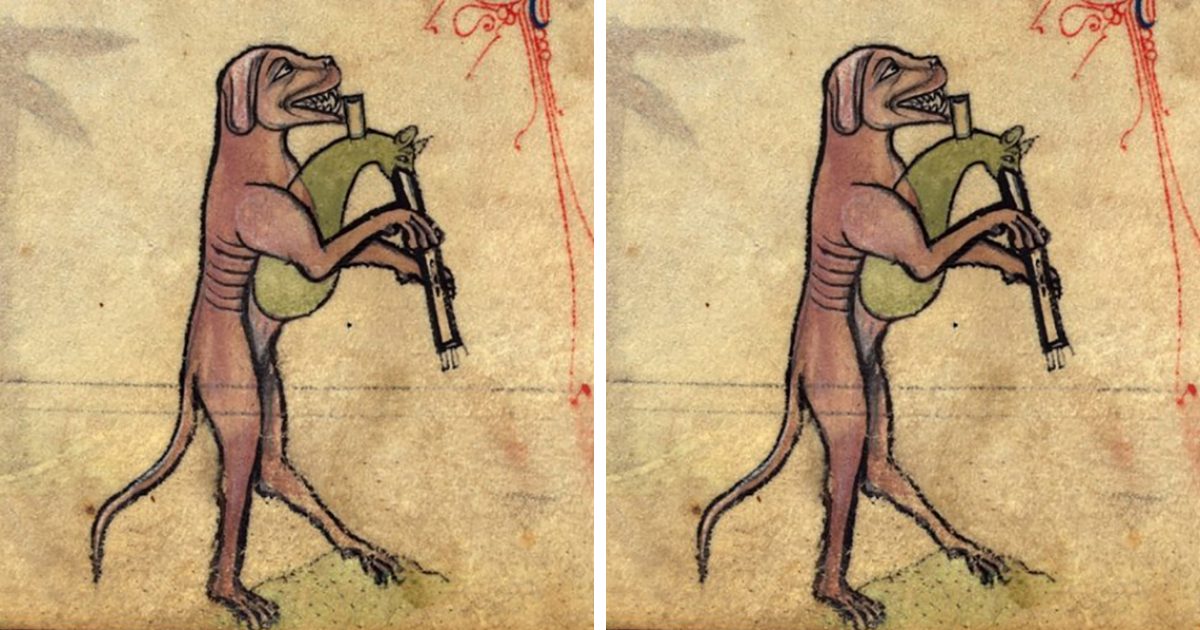
Every home has at least one picture that refuses to act normal. It might be a portrait of a great-uncle who looks like he is silently judging the microwave. It might be a thrift-store painting of a horse with human-level emotional problems. It might be a family photo where nobody remembers the event, the location, or why Dad was holding a pineapple like a newborn baby.
The question “Hey Pandas, what’s the weirdest picture in your house?” works because it taps into something wonderfully universal: our homes are not museums of perfect taste. They are living archives of accidents, inside jokes, questionable purchases, inherited mysteries, vacation chaos, and art that somehow made it from “absolutely not” to “hang it above the stairs.”
Weird pictures are more than visual oddities. They are conversation starters, memory triggers, personality markers, and sometimes emotional time machines with crooked frames. In a world full of polished home tours and beige sofas behaving suspiciously well, the odd picture on the wall reminds us that real houses have stories. Some of those stories are beautiful. Some are confusing. Some involve a dog wearing sunglasses in a professional studio portrait. All are worth talking about.
Why Weird Pictures Become Household Legends
A weird picture earns its place in a home when it does more than fill wall space. It creates a reaction. People stop, squint, laugh, ask questions, or walk past twice because their brain refuses to process what it just saw.
That reaction is the magic. Ordinary décor can look nice, but strange pictures have narrative power. They invite curiosity. They say, “There is a story here, and someone in this house may or may not be willing to explain it.”
They Break the Ice Instantly
Imagine walking into someone’s hallway and seeing a framed photo of a raccoon sitting at a kitchen table. You are no longer trapped in small talk about traffic. You have been handed a gift. Suddenly, you can ask, “Is that your raccoon?” and the evening has officially improved.
That is why unusual wall art and strange family photos often become social shortcuts. They give guests permission to relax. A home that includes one strange picture feels less like a showroom and more like a place where people actually live, laugh, burn toast, and occasionally frame questionable things.
They Carry Family Mythology
Some weird pictures are not weird because of what they show, but because of what the family knows about them. A blurry photo of a backyard might look boring until someone explains that it was taken three seconds before Grandpa fell into the kiddie pool. A portrait of a cat might seem ordinary until you learn the cat belonged to no one and simply appeared in every neighborhood photo for eight years.
Families build mythology around these images. The picture becomes proof of the story. It does not matter if the photo is technically bad. In fact, the poor quality may improve it. A perfectly composed image says, “This was planned.” A weird, crooked, overexposed one says, “Something happened, and we barely survived with evidence.”
What Counts as the Weirdest Picture in a House?
The weirdest picture is not always the creepiest, ugliest, or most shocking. It is usually the one that feels impossible to explain in one sentence. It creates a small emotional traffic jam. Your eyes see it, your brain pulls over, and your mouth says, “Wait, what?”
1. The Mysterious Ancestor Portrait
Many homes have an old portrait of a relative nobody can confidently identify. The person may be dressed formally, staring into the middle distance, and radiating the energy of someone who knows where the family silver went. These pictures are often inherited, respected, and mildly feared.
They also make excellent décor because they add history. Even when the identity is uncertain, the image becomes part of the home’s atmosphere. It tells visitors, “People existed before us, and some of them had intense eyebrows.”
2. The Accidental Masterpiece
This is the photo that was never meant to become art. Maybe someone sneezed during a family portrait. Maybe the dog photobombed a wedding shot. Maybe a child took a picture from knee height and accidentally captured the most dramatic image of a lamp ever seen by humankind.
Accidental masterpieces work because they are honest. They contain motion, imperfection, and the exact kind of chaos that makes life memorable. A staged photo may look clean, but an accidental photo often feels alive.
3. The Thrift Store Painting With Unsettling Energy
Some people bring home thrifted art because it is beautiful. Others bring it home because it is so confusing that leaving it behind would feel irresponsible. A velvet painting of a sad clown? A landscape where the trees appear to be plotting? A portrait of a goose dressed like a naval officer? These objects do not merely decorate a room. They move in.
Quirky art has become more accepted in modern interiors because people are tired of homes that look copied and pasted from a catalog. A strange painting adds individuality. It can also make a room feel collected over time rather than assembled in one frantic online shopping session at 1:12 a.m.
4. The Childhood Photo That Should Have Stayed in the Album
Parents have a special talent for displaying photos their children would prefer to bury in a government-sealed vault. First day of school with a bowl haircut? Framed. Dance recital with visible stage panic? Framed. Toddler covered in spaghetti sauce looking like a tiny crime boss? Absolutely framed.
These pictures may be embarrassing, but they are also affectionate. They show history, growth, and the family’s deep commitment to never letting anyone forget the mushroom haircut era.
5. The Pet Portrait Taken Too Seriously
Pet portraits can go from sweet to spectacularly weird with one bold choice: formal styling. A dog in a bow tie. A cat painted as royalty. A hamster photographed against a cloudy blue studio backdrop. The more serious the composition, the funnier it becomes.
Yet pet pictures also reflect real love. For many households, animals are not accessories; they are family members with fur, attitude, and strong opinions about closed doors. A strange pet portrait says, “Yes, this creature runs the house, and yes, we paid money to document it.”
The Psychology Behind Keeping Strange Pictures
People keep weird pictures because homes are emotional spaces, not just visual ones. A room can be beautifully designed and still feel empty if it contains nothing personal. A strange picture, on the other hand, can make a home feel specific. It belongs to someone.
Personal images help anchor memory. They remind us where we have been, who we have loved, what we survived, and which haircut choices should never return. Nostalgic objects can support a sense of belonging and meaning, especially when they connect us to family, friends, pets, and earlier versions of ourselves.
There is also a control factor. Outside the home, people are often expected to appear polished and predictable. Inside the home, they can choose the painting of the suspicious duck. They can display the vacation photo where everyone looks sunburned and confused. They can celebrate the odd little things that make their life feel like theirs.
Why Weird Pictures Are Good for Interior Design
Good interior design is not only about matching colors and buying the correct size rug, though your ankles will appreciate the rug. It is about creating a space that feels layered, personal, and emotionally alive. Weird pictures can help do that.
They Add Personality
A strange picture instantly makes a room more memorable. Anyone can hang generic beach prints. Not everyone has a framed photo of Grandma winning a pie-eating contest in 1978. The second option has more personality, more humor, and more power to make guests ask follow-up questions.
They Prevent a Room From Feeling Too Perfect
Rooms that are too coordinated can feel stiff, like they are waiting for a magazine photographer who is running late. A weird picture loosens the mood. It introduces contrast. It says, “This home has taste, but it also has a pulse.”
They Work Beautifully in Gallery Walls
Gallery walls are perfect homes for weird pictures because they allow variety. Family photos, vintage prints, children’s drawings, travel snapshots, postcards, small paintings, and odd flea-market finds can all coexist. The trick is to give the arrangement some structure so it looks intentional instead of like the wall sneezed frames.
Use one unifying element, such as black frames, warm wood tones, a consistent mat color, or a repeated accent shade. Then let the content be playful. The weird picture becomes part of a larger visual story rather than a lone oddball yelling from the wall.
How to Display a Weird Picture Without Making the Room Feel Haunted
There is a fine line between charmingly eccentric and “please do not make me sleep in this guest room.” If you have a weird picture you love, the way you display it matters.
Give It Breathing Room
If the picture is visually intense, avoid surrounding it with too many competing pieces. Let it have space. This helps the image feel like a deliberate choice rather than something that crawled onto the wall while nobody was looking.
Pair It With Softer Elements
A strange portrait can feel more approachable when placed near warm lighting, plants, books, or natural textures. These elements balance the weirdness. A stern antique face above a cozy reading chair feels interesting. The same face alone in a dark hallway at midnight feels like a scheduling conflict with a ghost.
Use the Right Frame
Framing can elevate almost anything. A funny snapshot in a clean frame becomes intentional. A thrift-store painting in a beautiful vintage frame becomes a statement. A bizarre image in a cheap plastic frame may still be funny, but it might look more like evidence.
Place It Where Conversation Happens
Living rooms, dining areas, hallways, and powder rooms are ideal spots for unusual pictures. Powder rooms, in particular, are tiny stages for bold décor. Guests expect them to be practical. They do not expect to lock eyes with a framed painting of a lobster wearing pearls. That surprise is half the fun.
When a Weird Picture Becomes Too Weird
Not every strange image belongs on display. Some pictures cross from funny into uncomfortable, offensive, or emotionally heavy. A good rule is to ask: does this picture invite curiosity, joy, nostalgia, or harmless confusion? Or does it make people feel targeted, unwelcome, or genuinely disturbed?
Homes should reflect personality, but they should also feel safe for the people who live there. If a picture makes one household member deeply uncomfortable, it may belong in a private room, an album, or the legendary storage box labeled “miscellaneous” that no one opens without emotional preparation.
There is also the preservation question. Old photographs, especially family images, can be damaged by sunlight, humidity, dust, and poor framing materials. If a picture is valuable or irreplaceable, consider displaying a copy and storing the original safely. That way, your great-grandmother’s mysterious portrait can continue intimidating future generations in excellent condition.
How to Turn a Weird Picture Into a Great Story
The best weird pictures come with stories. If you have one in your house, do not just hang it and hope people understand. Give it context when someone asks. Tell the story with timing, detail, and maybe one dramatic pause.
For example, do not say, “That is my uncle with a goat.” Say, “That is my uncle Marvin in 1989, five minutes after he claimed goats were naturally afraid of him. As you can see, the goat disagreed.”
That is the difference between a picture and a family legend.
Funny Examples of Weird Pictures People Might Have at Home
While every household has its own flavor of visual chaos, some categories appear again and again. There is the “vacation photo where no one is looking at the camera.” There is the “school portrait with laser background and emotional damage.” There is the “family reunion photo where one cousin appears to be levitating.” There is the “old painting inherited from an aunt that nobody likes but everyone fears removing.”
There are also pictures that become weird only with time. A trendy portrait from the 1980s, complete with feathered hair and soft-focus lighting, may have once seemed glamorous. Today, it looks like the family was auditioning for a soap opera set in a wind tunnel. That shift is part of the charm. Time turns ordinary images into comedy.
Then there are the pictures that raise more questions than they answer: a framed photo of a stranger found inside a secondhand frame; a landscape painting with one tiny figure hiding in the trees; a child’s drawing so intense that adults praise it carefully; a pet photo where the animal’s eyes reflect the flash like it has just learned tax law.
Why the Internet Loves Sharing Weird House Pictures
Online communities love weird household pictures because they combine humor, mystery, and relatability. People enjoy seeing the odd things others live with because it validates their own domestic weirdness. Suddenly, your strange hallway portrait is not a problem. It is content.
These posts also create low-stakes connection. No one has to reveal their deepest secret to participate. They can simply share the picture in their house that makes guests say, “Okay, I need an explanation.” The result is a digital show-and-tell where everyone brings their best visual oddity.
That kind of sharing is especially appealing because it celebrates imperfection. The internet is overloaded with curated kitchens, flawless bookshelves, and living rooms where no one has ever dropped a chip between the couch cushions. Weird picture threads feel refreshingly human. They remind us that behind every polished profile is probably a framed raccoon somewhere.
Should You Keep the Weird Picture?
If the picture makes you laugh, remember someone you love, feel connected to your past, or enjoy your home more, keep it. If guests ask about it, even better. That means it is doing its job.
However, if you keep it only because you feel guilty, afraid, or trapped by family tradition, reconsider its placement. You do not have to display every inherited object forever. Some pictures can be stored, digitized, reframed, relocated, or passed to the relative who actually wants them. Preferably the relative with the biggest hallway.
Decorating is not about proving you have perfect taste. It is about building a home that supports your life. Sometimes that means elegant art. Sometimes it means a photo of your brother asleep on a lawn chair while a squirrel investigates his shoe. Balance is important.
Conclusion: Weird Pictures Make a House Feel Human
The weirdest picture in your house might not be conventionally beautiful, but it may be one of the most meaningful things you own. It can hold a joke, a memory, a mystery, a family connection, or a little burst of personality that no store-bought print could replace.
So, hey Pandas, what’s the weirdest picture in your house? Is it a haunted-looking ancestor, a glamorous pet portrait, a chaotic childhood photo, a thrift-store masterpiece, or an image so strange that even your family has stopped trying to explain it?
Whatever it is, give it credit. It survived trends, moves, renovations, and at least one person saying, “Are we really hanging that?” That kind of persistence deserves respect. Maybe even a better frame.
Personal Experiences: Living With the Weirdest Picture in the House
Every home I have ever loved had one picture that felt slightly out of step with the rest of the room. Not ugly, exactly. Not beautiful in the traditional sense. Just odd enough to become part of the household’s personality. The kind of picture people notice only after they have taken off their shoes, accepted a drink, and relaxed into the sofa. Then their eyes drift to the wall, their face changes, and the question arrives: “What is going on there?”
One family I knew had a framed photo in the dining room of a man standing proudly beside a giant pumpkin. No one in the house had grown the pumpkin. No one was related to the man. The picture had come with the frame from a yard sale, and somehow the family decided the stranger deserved wall space. Over time, they gave him a name, a backstory, and a fake rivalry with another imaginary pumpkin grower from Ohio. By the third dinner party, guests were asking for updates about him as if he were a cousin studying abroad.
Another home had a formal portrait of a small dog wearing a military-style jacket. The dog had passed away years earlier, but the portrait remained in the entryway with the seriousness of a founding father. Visitors laughed at first, then softened when they heard how much the dog had meant to the family. That is the special thing about weird pictures: they often begin as comedy and end as tenderness.
In my own experience, the best weird household pictures are the ones nobody planned to make important. A blurry beach photo. A child’s drawing with alarming proportions. A vacation snapshot where everyone looks miserable except the family dog. These images become meaningful because they are specific. They do not represent a generic idea of happiness. They represent one particular day, one particular family, one particular disaster with sunscreen and snacks.
I have also noticed that weird pictures age better than perfect ones. The polished studio portrait may look nice, but the strange photo gets better every year. The fashion becomes funnier. The background details become more interesting. The person making a weird face becomes the star. Even the mistakes become valuable because they show life as it really happened: messy, fast, badly lit, and somehow worth remembering.
Living with a weird picture teaches you not to take your home too seriously. A house should be comfortable before it is impressive. It should hold evidence of your humor, your people, your pets, your travels, your phases, and your questionable decisions. The weird picture is proof that someone in the house has a story. Maybe it is a short story. Maybe it is a confusing story. Maybe it begins with, “We found this at a flea market and couldn’t leave without it.”
And honestly, that is enough. A weird picture does not need universal approval. It only needs to make the home feel more alive. If it gets a laugh, starts a conversation, preserves a memory, or gives the hallway a little harmless drama, it has earned its place. The world has enough blank walls and safe choices. Sometimes the best thing a room can have is one picture that makes everyone stop and say, “I’m sorry, but I need to know everything about this.”














