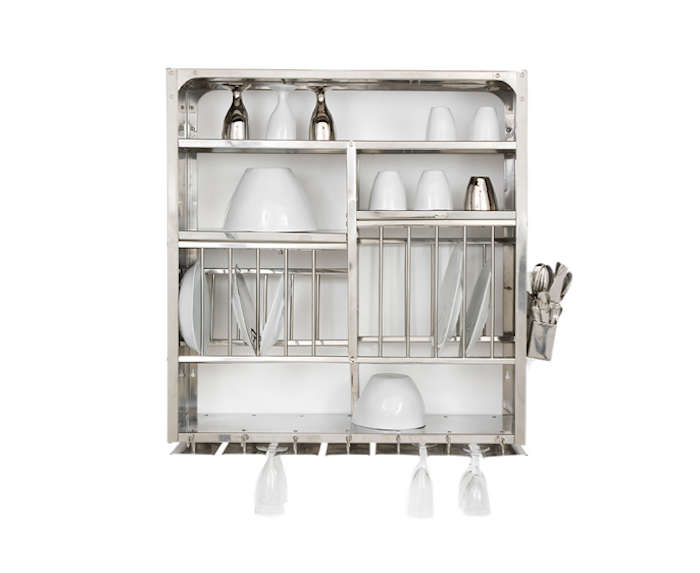
There are kitchen products that whisper elegance, and then there are kitchen products that quietly solve three problems before breakfast. The Indian stainless steel dish rack belongs firmly in the second group. It is not trying to be a countertop sculpture, although the shiny gridwork has its own utilitarian charm. It is not pretending to be a luxury appliance, although some high-end versions are priced like they graduated from design school. It is simply a smart, vertical, hardworking dish drying rack designed to hold plates, bowls, cups, utensils, and the occasional “why did I use every spoon in the house?” situation.
The appeal is easy to understand. A traditional Indian stainless steel dish rack is often wall-mounted, open, airy, and built for compact kitchens where every inch must earn its keep. Instead of letting wet plates lounge dramatically across the counter, the rack lifts them up, lets water drain away, and turns everyday dish storage into a neat vertical system. In American kitchens, where counter space is often treated like beachfront property, this idea feels both practical and refreshingly stylish.
This high/low guide looks at the design idea behind the Indian stainless steel dish rack, why it works so well, what separates premium versions from budget-friendly alternatives, and how to choose one that looks intentional instead of like your plates are camping on the wall.
What Is an Indian Stainless Steel Dish Rack?
An Indian stainless steel dish rack is typically a sturdy metal rack used for drying and storing everyday dishes. Unlike many American countertop dish drainers, the Indian version often emphasizes vertical storage, wall mounting, open drainage, and durable stainless steel construction. It may include plate slots, shelves for bowls and cups, utensil compartments, hooks, or modular sections that can be arranged above a sink, near a dishwashing area, or on a compact kitchen wall.
In many Indian homes, stainless steel is a kitchen hero. Stainless steel plates, tumblers, bowls, tiffin boxes, ladles, and spice containers are common because they are durable, washable, and practical for daily cooking. A stainless steel rack makes sense in that environment: it is strong enough for frequent use, resistant to everyday moisture, and visually compatible with the shine of steel cookware and utensils.
The Indian dish rack is also a lesson in practical design. It does not hide the fact that dishes need to dry. It accepts reality, gives it a drainage path, and says, “Fine, but let us make it tidy.” That is emotional maturity in hardware form.
Why This Dish Rack Style Is Having a Moment
The Indian stainless steel dish rack fits several current kitchen trends at once: small-space organization, open storage, low-maintenance materials, and restaurant-inspired utility. Modern homeowners are tired of bulky plastic dish drainers that collect mystery water, stain over time, and make the counter look permanently unfinished. A wall-mounted stainless steel dish rack solves the problem by moving drying and storage upward.
It Frees Up Counter Space
The biggest advantage is obvious: a wall-mounted or over-the-sink rack saves counter space. In apartments, condos, older homes, tiny kitchens, and rental units, a large countertop dish rack can feel like an unwanted roommate. It occupies prime real estate, refuses to leave, and somehow always looks wet.
By placing dishes vertically, the Indian stainless steel dish rack turns unused wall space into functional storage. Plates dry upright. Bowls sit on open shelves. Utensils can drip into a tray or directly toward the sink. The counter stays clearer, which makes the whole kitchen feel larger and calmer.
It Combines Drying and Storage
Many dish racks are designed only for temporary drying. The Indian stainless steel dish rack often doubles as permanent storage for daily dishes. That means fewer cabinet doors opened, fewer stacks shuffled, and fewer moments where one plate brings down an entire ceramic avalanche.
For households that use the same plates and cups every day, this setup is wonderfully efficient. Wash the dish, place it in the rack, let it dry, and grab it again later. It is a circular economy, but with cereal bowls.
It Looks Honest and Functional
There is a reason designers love utilitarian kitchen objects. A well-made stainless steel rack has a clean, industrial look without trying too hard. The grid, slots, rails, and open shelves create visual rhythm. In a white kitchen, it adds shine. In a colorful kitchen, it adds structure. In a small kitchen, it adds the very important illusion that someone has a plan.
High: The Premium Indian Stainless Steel Dish Rack
The “high” version of this idea usually comes from boutique makers or design-focused importers that reinterpret the classic Indian plate rack for contemporary homes. These racks may be handmade or hand-finished, powder-coated in modern colors, sized in modular systems, and designed to work as both storage and display. They are not just dish racks; they are dish racks wearing linen pants.
Premium versions often feature thicker stainless steel rods, carefully spaced plate slots, integrated drainage holes, powder-coated finishes, and multiple sizes that can be mixed and matched. Some include shelves, cup hooks, utensil sections, or “pigeonhole” compartments for smaller kitchen items. They are especially attractive in kitchens where open storage is part of the design language.
What Makes the High Version Worth Considering?
The high-end Indian stainless steel dish rack is best for homeowners who want the rack to be visible and beautiful. If your kitchen has open shelving, handmade tile, brass fixtures, soapstone counters, painted cabinets, or a carefully edited design mood, a refined rack can become part of the room’s personality.
Premium models also tend to offer better proportions. The difference between a graceful wall rack and a chaotic wall rack is often a matter of spacing. Plate slots need to be wide enough for real dinner plates. Shelves need enough depth for bowls and mugs. The whole piece needs to feel sturdy when loaded. If the rack wobbles every time you return a cup, the kitchen will develop suspense, which is generally not a desirable design feature.
A high-end rack is also a smart choice if you want color. Powder-coated finishes such as white, black, deep gray, green, or muted blue can soften the industrial look of stainless steel while preserving the durability of the structure underneath. This makes the rack feel less like a restaurant supply item and more like a deliberate design decision.
Possible Drawbacks of the High Version
The most obvious drawback is price. A premium Indian stainless steel dish rack can cost several times more than a standard countertop dish drainer. Shipping may also be higher if the rack is imported or handmade in small batches. Installation is another factor. A wall-mounted rack must be anchored properly, especially if it will hold heavy stoneware or multiple plates.
There is also the question of commitment. A countertop rack can be moved, hidden, or replaced easily. A wall-mounted rack becomes part of the kitchen layout. Place it too high, and you will need a ladder to put away a teacup. Place it too low, and your faucet may begin a lifelong feud with your dinner plates.
Low: The Budget-Friendly Indian Stainless Steel Dish Rack
The “low” option keeps the core ideastrong stainless steel, open drying, practical storagebut skips the boutique price tag. Budget-friendly versions may be found through Indian grocery stores, international houseware shops, online marketplaces, restaurant-supply sellers, or general retailers selling stainless steel wall racks, over-sink racks, and dish drainers.
These racks can be surprisingly effective. Many use simple cylindrical rods, open grid shelves, and straightforward drainage. Some are round or rectangular baskets for drying utensils and plates. Others are wall-mounted shelves with dish slots. Some are over-the-sink racks that sit on adjustable arms and drain directly into the basin.
Why the Low Version Works
The budget version is excellent for renters, first apartments, laundry rooms, outdoor kitchens, RV setups, and anyone who wants better dish organization without redesigning the entire kitchen. It is also great for people who value function over polish. If your main goal is “please stop letting the cutting board drip onto the coffee maker,” a simple stainless steel rack can be a small miracle.
Many affordable stainless steel dish racks now include helpful features such as sloped drainboards, removable utensil holders, raised feet, adjustable widths, cup hooks, knife slots, and compact two-tier layouts. The best budget models focus on airflow and drainage. A rack that looks nice but traps water is basically a tiny swamp with branding.
Possible Drawbacks of the Low Version
Budget racks vary widely in quality. Some are made with thinner metal, weaker welds, or lower-grade stainless steel that may stain or rust faster, especially in humid kitchens or hard-water areas. Plastic trays can crack or discolor. Coatings may chip. Screw hardware may be underwhelming. If the rack comes with mystery anchors that look like they were made from recycled chewing gum, buy better anchors.
Another drawback is design consistency. Affordable racks often emphasize capacity over elegance, which can make them look bulky. Measure carefully, especially if installing above a sink or under cabinets. A dish rack that blocks the faucet, window, or cabinet door will annoy you every single day, and eventually you will start blaming it for unrelated problems.
Stainless Steel Matters: What to Look For
Not all stainless steel is equal. In kitchen products, stainless steel is valued because it is durable, easy to clean, and more resistant to corrosion than ordinary steel. Higher-quality food-grade stainless steel, such as 304 stainless steel, is commonly used in kitchen equipment because it contains chromium and nickel that help resist rust and staining. Some products use 201 or 430 stainless steel, which can still be useful but may be less resistant to corrosion depending on the environment and care.
304 Stainless Steel
For a dish rack, 304 stainless steel is a strong choice. It offers reliable corrosion resistance for wet kitchen settings and is widely used in food-contact and kitchen applications. If a product clearly states it is made from 304 stainless steel, that is a good sign. It does not mean the rack is magically immortal, but it does mean the metal is better suited to the daily splash zone.
Rust-Resistant Does Not Mean Rust-Proof
Here is the fine print that kitchen products rarely shout: stainless steel can still rust or develop spots if exposed to standing water, salt, harsh cleaners, scratches, or poor ventilation. The word “stainless” is not a royal decree. It is more like a promise with conditions.
To keep a stainless steel dish rack looking good, avoid letting water sit in trays for days. Clean mineral deposits with gentle methods. Dry the rack occasionally. Avoid bleach and overly abrasive scrubbers. If your water is hard, wipe the rack more often to prevent cloudy buildup.
Wall-Mounted vs. Countertop vs. Over-the-Sink
The Indian stainless steel dish rack idea can appear in several forms. The right choice depends on your kitchen layout, dishwashing habits, and tolerance for visible dishes.
Wall-Mounted Dish Rack
A wall-mounted rack is the classic high-function choice. It is ideal above or beside the sink, especially when there is a tile backsplash or sturdy wall surface. It frees the counter and can become a permanent storage zone. The key is installation. Use proper anchors, hit studs when possible, and consider the total weight of wet dishes.
Countertop Stainless Steel Dish Rack
A countertop rack is easiest to install because there is no installation. Place it beside the sink and start washing. Look for a sloped drainboard or swivel spout that directs water back into the sink. Raised feet also help airflow and keep the rack from sitting in its own puddle.
Over-the-Sink Dish Rack
An over-the-sink rack is a smart compromise for small kitchens. It may roll out, expand, or sit across the sink basin. Water drains directly into the sink, and the rack can sometimes double as a rinsing station for produce, a cooling rack, or a temporary landing zone for washed cookware. The downside is that it can block sink access if overloaded.
How to Choose the Best Indian Stainless Steel Dish Rack
Before buying, take measurements. This is not the glamorous part of kitchen design, but it is the part that prevents heartbreak. Measure the wall width, sink width, counter depth, cabinet clearance, faucet height, and the diameter of your largest dinner plates. Then measure your patience, because assembling budget racks can occasionally test it.
Check Capacity
Think about what you actually wash by hand. If you mostly wash coffee mugs and lunch plates, a compact rack may be enough. If you wash pots, pans, mixing bowls, cutting boards, and family-size dinnerware, choose a larger rack with strong rails and open shelves.
Look for Drainage
Good drainage is the soul of a dish rack. Open slots, angled trays, drainage holes, and airflow all help dishes dry faster. Avoid designs where water pools under plates or collects in corners. Moisture is the enemy of freshness, and nobody wants a dish rack that smells like a forgotten sponge’s memoir.
Consider Cleaning
A rack with removable trays, simple rods, and accessible corners will be easier to maintain. Highly decorative designs may look charming but can trap grime if they have too many tight crevices. If you cook often, choose cleanability over ornament.
Match the Kitchen Style
For modern kitchens, a sleek stainless or black powder-coated rack works beautifully. For farmhouse kitchens, white or green finishes can feel softer. For industrial kitchens, exposed stainless steel looks right at home. For colorful Indian-inspired kitchens, a shiny steel rack can pair nicely with spice tins, copper accents, bright textiles, and open shelves.
High/Low Styling Ideas
The Indian stainless steel dish rack is more than a drying tool. Styled well, it can make a kitchen look collected, efficient, and lived-in. The trick is editing. Open storage looks best when the items on display share a visual language.
The High Look
For a premium look, use matching plates, stainless tumblers, glass jars, and a limited color palette. Mount the rack over a tiled backsplash or beside open shelving. Add a small rail below for utensils or dish brushes. Keep plastic odds and ends elsewhere. The result feels intentional, almost like a tiny restaurant station designed by someone who alphabetizes spices for fun.
The Low Look
For a budget-friendly look, choose a simple stainless rack and improve the surroundings. Replace cheap wall anchors, add a neat drip tray, use matching dish towels, and keep the rack from becoming a storage unit for every lid, spoon, and unidentified silicone object in the house. Even an inexpensive rack looks better when it is not carrying the emotional weight of the entire kitchen.
Care Tips for a Stainless Steel Dish Rack
A stainless steel dish rack needs less fuss than wood or bamboo, but it still benefits from regular care. Rinse away soap film, wipe off hard-water spots, and clean the utensil holder often. If your rack has a plastic drainboard, wash it separately and dry it fully before replacing it.
For stubborn mineral spots, use a mild vinegar solution, then rinse thoroughly and dry. Avoid leaving acidic cleaners on stainless steel for too long. For deeper cleaning, a nonabrasive stainless steel cleaner can help restore shine. Never use bleach, because it can damage stainless steel and encourage corrosion.
Most importantly, do not overload the rack beyond reason. Stainless steel is strong, but gravity remains undefeated. Heavy pans, cast iron cookware, and oversized cutting boards should be placed carefully or dried separately.
Who Should Buy One?
An Indian stainless steel dish rack is especially useful for people with small kitchens, busy households, limited cabinets, no dishwasher, or a habit of hand-washing delicate items. It also works well for anyone who likes open storage and wants everyday dishes within easy reach.
It may not be ideal for people who dislike visible dishes or prefer completely clear walls. If visual clutter bothers you, choose a compact over-the-sink rack or a countertop model that can be stored away. The best dish rack is not the one that looks perfect in a product photo. It is the one that fits your daily routine so naturally you stop thinking about it.
Experience Notes: Living With an Indian Stainless Steel Dish Rack
The first thing you notice after switching to an Indian stainless steel dish rack is how quickly the counter relaxes. A kitchen counter covered with wet dishes has a special way of making the whole room feel behind schedule. Once plates move onto the wall or over the sink, the kitchen suddenly feels more open. You can chop vegetables without negotiating with a soup bowl. You can make coffee without moving a colander. You can wipe the counter in one satisfying motion, which is one of adulthood’s underrated pleasures.
The second thing you notice is that vertical drying changes behavior. When a rack is easy to reach, you are more likely to wash and put away dishes immediately. Plates slide into their slots. Cups land upside down. Spoons stop wandering. The system gently encourages order without making a speech about it. That is the best kind of organization: quiet, useful, and not wearing a headset microphone.
In daily use, the Indian stainless steel dish rack feels especially good for households that cook often. After making dal, rice, vegetables, chutney, or a full weeknight dinner that somehow uses two pans, three lids, and every small bowl, the rack gives each item a place to dry. Stainless steel tumblers and plates look particularly natural on it, but ceramic dishes also work if the slots are wide and strong enough.
There is a learning curve. You need to avoid stuffing the rack too tightly. Airflow matters. If bowls are nested like sleepy turtles, they will stay damp longer. If utensils are crammed into a cup without drainage, they will sulk in moisture. After a few days, you learn the rhythm: plates upright, cups angled, bowls spaced, knives separate, cutting boards on the side.
A wall-mounted rack also changes the look of the kitchen. It makes the room feel more active and less showroom-perfect. For some people, that is the charm. It says, “Food happens here.” It also makes beautiful everyday objects visible: steel cups, white plates, handmade bowls, small trays, and favorite mugs. The kitchen gains texture without needing decorative signs that say “Gather,” which is good because the mugs already got the memo.
The only real maintenance surprise is water spotting. If your home has hard water, stainless steel may show cloudy marks unless wiped occasionally. This is not a disaster. A quick clean brings back the shine. The bigger issue is the drip tray if your rack uses one. Empty it often. A forgotten drip tray can become the tiny basement apartment of your kitchen, and nobody wants to investigate that.
For renters, a freestanding or over-the-sink version is the safest experiment. For homeowners or serious cooks, a wall-mounted rack near the sink can become a long-term upgrade. The best placement is close enough to the sink that wet dishes do not travel far, low enough to reach comfortably, and high enough to keep the counter usable. When placed well, the rack feels like it should have been there all along.
Overall, the Indian stainless steel dish rack proves that good kitchen design does not always need a motor, an app, or a luxury label. Sometimes the smartest object in the room is a strong metal rack with open shelves and excellent drainage. It dries dishes, saves space, and makes the kitchen work better. That may not sound glamorous, but try living with one for a week. Suddenly, the old plastic dish drainer starts looking like it owes you an apology.
Conclusion
The Indian stainless steel dish rack is a brilliant example of practical design crossing cultures and winning new fans. Whether you choose a high-end wall-mounted version with refined proportions or a budget-friendly stainless steel dish rack that simply gets the job done, the appeal is the same: better drainage, smarter storage, cleaner counters, and a kitchen that feels easier to use.
The high version is ideal when the rack will be part of the room’s visual identity. The low version is perfect when function, price, and flexibility matter most. Either way, focus on sturdy stainless steel, proper drainage, easy cleaning, and measurements that match your kitchen. A good dish rack should not merely hold dishes. It should make the daily cleanup routine feel smoother, faster, and slightly less like a domestic obstacle course.
Note: This article is written for web publication and synthesizes current real-world information about stainless steel dish racks, Indian-style kitchen storage, small-space organization, material quality, and dish-drying best practices. Source links and citation artifacts have been intentionally omitted for a clean publishing format.