
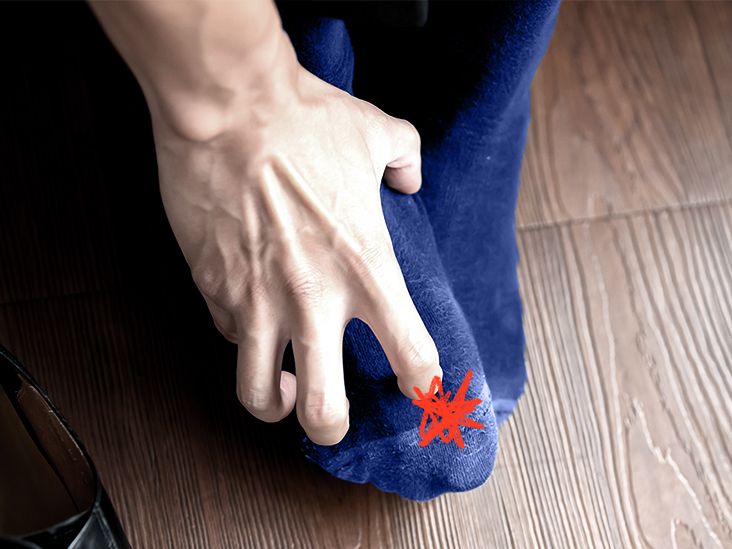
Toenail fungus has a special talent for overstaying its welcome. It slips under a nail, changes the color, thickens the surface, and then settles in as though it has signed a long-term lease. Faced with months of treatment and an increasingly grumpy-looking toenail, many people turn to home remedies such as vinegar, tea tree oil, baking soda, hydrogen peroxide, or mentholated ointment.
But do home remedies for toenail fungus actually work? The honest answer is less exciting than the internet would like: some remedies show limited laboratory activity or modest results in small studies, but none has strong enough evidence to be considered a dependable cure. Good foot care can help control moisture, prevent spreading, and support medical treatment, but established infections frequently require an antifungal medication.
What Is Toenail Fungus?
Toenail fungus, medically known as onychomycosis, is an infection involving the nail plate, nail bed, or surrounding nail structures. Dermatophytes cause many cases, although yeasts and non-dermatophyte molds can also be responsible.
The infection is more common in toenails than fingernails because feet spend plenty of time inside warm, dark, sometimes sweaty shoes. In other words, shoes can become tiny fungal vacation resortscomplete with humidity and no checkout policy.
Common signs of fungal toenails
- Yellow, white, brown, or cloudy discoloration
- A thickened or misshapen nail
- Brittle, ragged, or crumbling edges
- Debris collecting beneath the nail
- Separation of the nail from the nail bed
- An unpleasant odor
- Discomfort when walking or wearing shoes
However, appearances can be misleading. Nail psoriasis, repeated shoe trauma, eczema, bacterial infections, aging, and other nail disorders may resemble fungus. Because treatment can take many months, confirming the diagnosis with a nail scraping, clipping, microscopic examination, culture, or another laboratory test is often worthwhile.
Why Toenail Fungus Is Difficult to Treat
Fungi can grow underneath the nail plate, where household liquids and topical products may struggle to reach them. The nail itself is made from tightly packed keratin and acts like protective armor. Unfortunately, it protects the fungus as well as the toe.
Another challenge is slow nail growth. An antifungal treatment does not instantly transform the damaged part into a clear nail. Successful treatment stops or reduces the infection so healthier nail can gradually grow forward. A big toenail may require 12 to 18 months to grow out completely.
This explains why a person may use a treatment faithfully for eight weeks, see little cosmetic improvement, and declare the product useless. The real sign of progress is often a narrow strip of clearer nail emerging from the base, not a dramatic overnight makeover.
Are Home Remedies for Toenail Fungus Effective?
Most popular remedies fall into one of three categories: products with antifungal activity in a laboratory, products supported by small human studies, and products supported mainly by enthusiastic online storytelling. Laboratory activity is interesting, but killing fungus in a dish is not the same as penetrating a human toenail and eliminating an established infection.
Tea tree oil
Tea tree oil is one of the most frequently recommended natural remedies for toenail fungus. It contains compounds with antimicrobial and antifungal properties, and several small studies have investigated its use for fungal nail infections.
Unfortunately, the research is too limited and inconsistent to confirm that tea tree oil reliably cures onychomycosis. Some participants have experienced cosmetic improvement, but clinical improvement does not always mean that laboratory testing shows the fungus is gone.
Tea tree oil may also cause redness, itching, burning, or allergic contact dermatitis. It should never be swallowed. Anyone choosing to try it should stop if irritation develops and avoid applying it to cracked, bleeding, or inflamed skin.
Verdict: Possibly helpful for a mild case, but the evidence is insufficient to call it an effective cure.
Mentholated ointment
Mentholated chest ointments contain ingredients such as menthol, camphor, and eucalyptus oil. A small pilot study of a popular mentholated ointment reported improvement in many participants, while only a minority achieved both clinical and laboratory-confirmed cure after prolonged use.
The study was small and did not provide the type of rigorous evidence needed to recommend this approach over standard antifungal therapy. Still, mentholated ointment is inexpensive and relatively easy to apply, which explains its stubborn popularity.
Verdict: Small studies suggest potential benefit, but cure is far from guaranteed.
Vinegar and apple cider vinegar soaks
Vinegar contains acetic acid, which can inhibit certain microorganisms under laboratory conditions. This has led to recipes involving diluted white vinegar or apple cider vinegar foot soaks.
There is no strong clinical evidence that vinegar soaks penetrate the nail well enough to eradicate toenail fungus. Soaking may soften a thick nail and make trimming easier, but excessive exposure can dry, irritate, or damage the surrounding skin. Undiluted vinegar can be especially harsh.
Long, frequent foot soaks can also work against the goal of keeping the feet dry. A damp foot that goes directly into a sock and shoe is essentially sending the fungus a fruit basket.
Verdict: Unproven as a cure. It may soften the nail, but irritation and prolonged moisture are possible drawbacks.
Baking soda
Baking soda, or sodium bicarbonate, can inhibit the growth of several fungi in laboratory testing. It may also help absorb moisture and reduce odor when used inside shoes.
What has not been established is whether applying a paste of baking soda to a toenail can cure an infection beneath it. There are no convincing large clinical trials showing that it clears onychomycosis.
Verdict: Useful for moisture and odor control, but not proven to eliminate an infected nail.
Hydrogen peroxide
Hydrogen peroxide is an antiseptic, but antiseptic does not automatically mean effective nail antifungal. Household peroxide can irritate skin, dry the nail folds, and damage healthy tissue when used too often or in high concentrations.
There is little good evidence that standard hydrogen peroxide treatments cure toenail fungus. Mixing peroxide with vinegar is also a bad idea because the combination may create irritating peracetic acid.
Verdict: Weak evidence and a meaningful risk of irritation. Skip the home chemistry experiment.
Mouthwash
Some mouthwashes contain alcohol, menthol, thymol, or eucalyptus-derived compounds, leading to claims that they can double as antifungal foot soaks. Although individual ingredients may have antimicrobial properties, mouthwash has not been adequately shown to cure fungal nail infections.
Repeated soaking may also dry or irritate the skin, and the cost can add up quickly. Your bathroom may smell impressively minty, but the fungus may remain unconvinced.
Verdict: Popular online, poorly supported in clinical research.
Coconut oil, oregano oil, and other essential oils
Coconut oil contains fatty acids that demonstrate antifungal activity in some laboratory settings. Oregano oil contains compounds such as carvacrol and thymol. Garlic, clove oil, and other plant-based substances have also been studied in laboratories.
These findings do not establish that the products cure toenail fungus when applied at home. Essential oils can cause burns, allergic reactions, and severe irritation, particularly when used undiluted. Garlic placed directly on the skin can also produce chemical burns.
Verdict: Interesting laboratory findings, but insufficient human evidence and a genuine possibility of skin injury.
What At-Home Care Can Realistically Accomplish
Home care is most useful as supportive management. It may improve comfort, reduce fungal exposure, make medication more effective, and lower the chance of reinfection. Those are valuable achievements, even if they are less glamorous than a miracle cure.
Trim and thin the affected nail
Keep the nail short and file down thickened areas carefully. Thinning the nail may reduce pressure inside shoes and help a prescribed topical medication penetrate more effectively. Do not dig aggressively under the nail or cut into living tissue.
Very thick, painful nails may require professional debridement by a podiatrist. People with diabetes, neuropathy, or poor circulation should not attempt aggressive trimming at home.
Keep feet clean and dry
Wash the feet regularly and dry carefully, especially between the toes. Change socks whenever they become damp. Moisture-wicking socks and breathable footwear can reduce the warm, humid environment fungi enjoy.
Treat athlete’s foot
Athlete’s foot can serve as a fungal reservoir that repeatedly exposes the toenails. Itchy, peeling, cracked skin between the toes may respond to an appropriate over-the-counter antifungal made for skin. A skin cream that works for athlete’s foot, however, may not penetrate a thick toenail sufficiently to cure nail fungus.
Reduce reinfection
- Wear sandals in locker rooms, public showers, spas, and pool areas.
- Do not share shoes, socks, towels, nail files, or clippers.
- Clean and disinfect reusable nail tools after each use.
- Allow shoes to dry fully before wearing them again.
- Replace or disinfect heavily contaminated old footwear when practical.
- Choose properly fitting shoes that do not repeatedly strike the nails.
- Avoid polish and artificial nails while evaluating or treating an infection.
Medical Treatments That Have Better Evidence
When treatment is desired, a clinician considers the number of nails affected, how much of each nail is involved, whether the nail matrix is affected, existing health conditions, medication interactions, and laboratory findings.
Prescription oral antifungal medication
Oral terbinafine is commonly considered a first-line treatment for many dermatophyte toenail infections because it generally has better effectiveness and a shorter treatment period than topical therapy. Itraconazole is another option in selected cases.
These medicines are not appropriate for everyone. They may interact with other drugs and can cause side effects, including liver-related problems. A clinician may review current medications and order laboratory testing before or during treatment.
Prescription topical antifungal medication
Ciclopirox, efinaconazole, and tavaborole are topical prescription options. They may be considered for mild or moderate infections, particularly when only a limited portion of the nail is affected.
Topical treatment tends to have fewer systemic risks but usually requires daily application for close to a year. Cure rates are generally lower than those of oral therapy, especially when the infection is extensive or the nail is very thick.
Nail debridement
Regular trimming, filing, or professional removal of diseased nail material can reduce thickness and discomfort. When combined with an appropriate antifungal treatment, debridement may improve the response.
When to See a Doctor or Podiatrist
Professional evaluation is especially important when:
- The nail is painful, swollen, warm, red, bleeding, or draining pus.
- Several nails are affected or the infection is spreading.
- The nail is becoming detached or severely deformed.
- Home care has produced no visible improvement after several months.
- You are unsure whether the problem is actually fungal.
- You have diabetes, poor blood circulation, neuropathy, or a weakened immune system.
- A dark streak appears without a clear history of injury.
A dark or changing nail should not automatically be labeled fungus. Trauma, bleeding beneath the nail, medication effects, bacterial infection, and, less commonly, melanoma may cause discoloration. Prompt evaluation is the safest approach when the cause is uncertain.
Experiences With Home Remedies: What a Realistic Journey Looks Like
Real-world experience with home remedies usually begins with optimism. Someone notices a yellow corner on a big toenail, searches online, and discovers that the kitchen apparently contains an entire podiatry department. Vinegar is poured into a basin, baking soda is recruited from the refrigerator, and tea tree oil arrives with a label promising botanical greatness.
During the first few weeks, almost any routine can seem encouraging. The nail is being cleaned more often, loose material is filed away, and the surrounding skin may look healthier. A vinegar soak may temporarily make the nail softer. Mentholated ointment can make the toe smell fresher. Tea tree oil may reduce surface debris. These changes are noticeable, but they do not necessarily prove that the fungus beneath the nail has been eliminated.
A common source of confusion is the damaged nail itself. Even after fungal growth has stopped, the yellow or thickened section must grow forward before it can be clipped off. Because toenails grow slowly, a person may need several months before a clearer area becomes obvious near the cuticle. Daily photographs taken under similar lighting can reveal progress more reliably than staring at the toe every morning and asking it why it has not transformed yet.
Consider a typical mild-case experience. A person has a small white or yellow patch near the end of one nail. They keep the nail trimmed, improve foot hygiene, rotate shoes, treat accompanying athlete’s foot, and apply a chosen topical product consistently. After three or four months, a narrow clear band appears at the base. The remedy may have contributed, but improved moisture control, nail trimming, natural nail growth, or an incorrect original diagnosis may also explain the result.
Now consider a more advanced case. The entire big toenail is thick, crumbly, and partly lifted. The person applies vinegar or essential oil for six months, but the clear area never advances. This experience is unsurprising because a household liquid may not reach organisms deep in the nail bed. A clinician confirms fungal infection and recommends prescription treatment plus regular thinning of the nail. Improvement remains slow, but the new growth is clearer and pressure inside the shoe decreases.
Another frequent experience is skin irritation. An undiluted essential oil feels pleasantly tingly at first, then produces redness, itching, peeling, or blisters. Garlic and concentrated acidic products can cause more serious burns. Treatment is then paused while the surrounding skin heals, giving the fungus additional time to enjoy its rent-free accommodation. “Natural” describes where a substance came from, not whether it is gentle.
Consistency is the hardest part of any toenail fungus treatment. People often apply a product enthusiastically for two weeks, forget it for ten days, restart, switch remedies, and then conclude that nothing works. Prescription topicals also fail when applied inconsistently. Whatever evidence-based plan is selected must match the slow growth cycle of the nail.
The most useful lesson from these experiences is that home care and medical care do not have to be rivals. Keeping feet dry, trimming nails safely, disinfecting tools, treating athlete’s foot, and wearing breathable shoes can support professional treatment. Home remedies are less convincing when used as substitutes for diagnosis or proven medication, particularly in severe infections.
A sensible personal experiment should have limits. Record the nail’s appearance, avoid caustic substances, stop if the skin becomes irritated, and look for healthy nail growing from the base. When there is no measurable progress, the nail becomes painful, or more nails develop changes, it is time to retire the kitchen laboratory and schedule an examination.
Conclusion
Home remedies for toenail fungus are appealing because they are inexpensive, accessible, and easy to try. Tea tree oil and mentholated ointment have shown possible benefits in small studies, while vinegar, baking soda, mouthwash, peroxide, and various plant oils have little dependable clinical evidence behind them.
Good foot hygiene, moisture control, careful trimming, shoe rotation, and treatment of athlete’s foot can make a meaningful difference. However, these measures are better viewed as supportive care and prevention than guaranteed cures. For persistent or extensive onychomycosis, diagnosis and evidence-based antifungal treatment offer a better chance of success.
Toenail fungus is a marathon conducted at approximately the speed of nail growth. Patience matters, but patience should be paired with a treatment that has a reasonable chance of reaching the finish line.












