
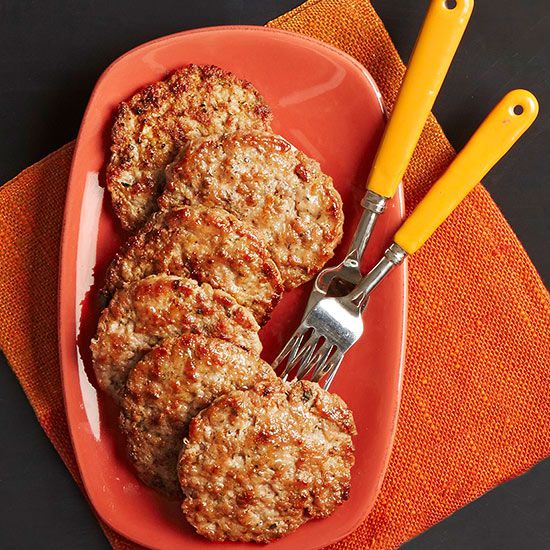
There are two kinds of breakfast people: the ones who gracefully sip coffee while sunlight pours through the window, and the rest of us, who wander into the kitchen looking like we lost a fight with a pillow. Homemade breakfast sausage is for both camps. It feels fancy enough for a weekend brunch, but it is also practical enough for a Tuesday morning when your toast is already judging you.
The beauty of a homemade breakfast sausage recipe is that it gives you control. You get to decide whether your sausage leans savory, slightly sweet, peppery, herby, or just spicy enough to wake up your soul without filing a complaint. You also avoid the mystery of store-bought blends that sometimes taste like salt wearing a fake mustache.
At its core, homemade breakfast sausage is simply seasoned ground meat shaped into patties or cooked as crumbles. The classic American version usually starts with pork and a blend of sage, thyme, black pepper, salt, and a little sweetness from brown sugar or maple. From there, the fun begins. Want more heat? Add red pepper flakes. Want a cozy old-school diner flavor? Lean into sage and a tiny pinch of marjoram. Want something that slides perfectly into a breakfast sandwich? Flatten the patties a bit more and make them bun-sized. Breakfast should work for you, not the other way around.
Why Homemade Breakfast Sausage Is Worth Making
First, flavor. Homemade sausage tastes fresher, brighter, and more balanced than many pre-seasoned supermarket options. Fresh herbs pop more, spices stay lively, and the pork tastes like actual pork instead of a salt delivery vehicle. Second, texture. When you make your own, you can keep the mixture loose and juicy or mix it more thoroughly for a firmer, springier bite. Third, flexibility. Patties, crumbles, meal prep portions, sandwich rounds, biscuit companions, breakfast burrito fillingthis recipe does not believe in limiting your future.
There is also a money-saving angle. A pound of ground pork plus pantry spices often costs less than premium pre-made breakfast sausage, especially if you already have sage, pepper, garlic powder, and brown sugar in the cabinet. Suddenly your spice drawer feels less like clutter and more like a culinary retirement account.
The Flavor Blueprint of Great Breakfast Sausage
1. The meat
Ground pork is the classic base because it has enough fat to stay juicy and enough flavor to support herbs and spices. Pork shoulder is especially popular for that reason. If you want a lighter version, ground turkey or chicken can work, but they need a little extra care because they are leaner and less forgiving. In other words, pork is the comfy sweatshirt of breakfast meats, while turkey is the fitted blazer that needs better handling.
2. The herbs
Sage is the signature flavor in many American breakfast sausage recipes. It gives that familiar savory, slightly woodsy note that screams “good morning” without actually shouting. Thyme adds depth, marjoram brings gentle warmth, and fennel can add a subtle sweet-anise note if you want a more complex profile.
3. The seasoning
Salt and black pepper are non-negotiable. Garlic powder and onion powder add background savoriness without making the sausage taste like a meatball. A small amount of brown sugar or maple syrup helps balance the herbs and pepper, giving breakfast sausage its signature sweet-savory personality.
4. The heat
Red pepper flakes, cayenne, or smoked paprika can bring warmth without hijacking the whole show. Breakfast sausage should be lively, not aggressive. You want “hello there,” not “call the fire department.”
Homemade Breakfast Sausage Recipe
Ingredients
- 1 pound ground pork
- 1 tablespoon finely chopped fresh sage, or 1 teaspoon dried rubbed sage
- 1 teaspoon dried thyme
- 1 teaspoon kosher salt
- 3/4 teaspoon freshly ground black pepper
- 1 teaspoon light brown sugar
- 1/2 teaspoon garlic powder
- 1/4 teaspoon onion powder
- 1/4 teaspoon crushed red pepper flakes
- 1/4 teaspoon smoked paprika
- 1/4 teaspoon marjoram, optional
- 1 teaspoon crushed fennel seeds, optional
- 1 tablespoon cold water or 2 teaspoons maple syrup, optional for a slightly softer mixture
- 1 teaspoon neutral oil or a small pat of butter for the pan, if needed
Instructions
- Mix the seasonings. In a medium bowl, combine the sage, thyme, salt, black pepper, brown sugar, garlic powder, onion powder, red pepper flakes, smoked paprika, marjoram, and fennel if using.
- Season the pork. Add the ground pork and cold water or maple syrup. Mix until the seasoning is distributed evenly. Do not mash it into paste unless you want a firmer sausage texture. A thorough but not violent mix is the sweet spot.
- Chill the mixture. Cover and refrigerate for 20 to 30 minutes if you have time. This helps the flavors mingle and makes shaping easier. If you are in a hurry, you can skip this, but the sausage will be slightly softer and more dramatic in the pan.
- Shape the patties. Divide into 6 to 8 portions and flatten each into a patty about 1/2 inch thick. Make the center slightly thinner than the edges so they cook more evenly.
- Cook. Heat a skillet over medium to medium-low heat. Add a tiny bit of oil if your pork is especially lean. Cook the patties for about 4 to 5 minutes per side, or until browned and cooked through. The internal temperature for ground pork should reach 160°F.
- Rest and serve. Let the sausage rest for a minute or two before serving. This keeps the juices where they belong: in the sausage and not all over your plate like a breakfast crime scene.
How to Adjust the Recipe to Your Taste
One of the smartest things about making homemade breakfast sausage is that the recipe is easy to tune. Make one small test patty before cooking the full batch. Taste it, then adjust. More sage for a classic breakfast flavor. More pepper for bite. More brown sugar or maple for a sweeter profile. A little more red pepper for spice. This tiny test patty is the culinary equivalent of proofreading before posting. It saves lives. Or at least breakfast.
Try these easy variations
- Maple-sage breakfast sausage: Replace the cold water with 2 teaspoons of maple syrup and add a little extra sage.
- Spicy breakfast sausage: Double the red pepper flakes and add a pinch of cayenne.
- Country-style sausage: Skip the fennel, lean into sage, black pepper, and thyme, and keep the sweetness light.
- Turkey breakfast sausage: Use ground turkey and cook to 165°F. A teaspoon of olive oil or a spoonful of grated onion helps with moisture.
- Breakfast sausage crumbles: Skip shaping patties and brown the mixture loose in a skillet for casseroles, gravy, omelets, or breakfast tacos.
Best Ways to Serve Homemade Breakfast Sausage
This sausage plays well with others. Serve it beside scrambled eggs, crispy hash browns, pancakes, waffles, biscuits, or buttery toast. Tuck it into an English muffin with egg and cheese for a breakfast sandwich that feels suspiciously expensive for something you made in slippers. Crumble it into a breakfast burrito with eggs, potatoes, and salsa. Layer it into a brunch casserole for holidays. Or pair it with biscuits and gravy and accept your new reputation as the person who “really has it together,” even if you absolutely do not.
Homemade breakfast sausage also works beyond breakfast. Add crumbles to stuffing, savory muffins, sheet-pan hash, pizza, or pasta bakes. Once you have a good sausage blend, your meal planning gets a lot more charming.
Tips for the Best Texture and Flavor
- Keep everything cold. Cold meat is easier to handle and tends to cook up with better texture.
- Do not overcook. Breakfast sausage should be browned and juicy, not dry and apologetic.
- Use a thermometer. Guesswork is bold, but not always wise.
- Flatten slightly wider than you think. Patties shrink as they cook, especially if they contain a healthy amount of fat.
- Cook one test piece first. This is the easiest way to dial in the flavor before committing the whole batch.
Storage, Freezing, and Reheating
Homemade breakfast sausage is a meal-prepper’s friend. You can shape the patties ahead and refrigerate them for a day or two, separated with parchment if stacking. You can also freeze raw patties on a tray until firm, then transfer them to a freezer bag. Cooked leftovers keep well in the refrigerator for about 3 to 4 days, and they reheat beautifully in a skillet, microwave, or low oven.
For busy mornings, freeze individual patties so you can grab exactly what you need. Future-you will be thrilled. Future-you is honestly easy to impress before coffee.
Common Mistakes to Avoid
Using ultra-lean meat: Fat equals flavor and moisture. Very lean sausage tends to cook up dry.
Skipping salt: Underseasoned sausage tastes flat, no matter how many herbs you add.
Cooking over heat that is too high: The outside browns too fast while the inside catches up at a leisurely pace.
Making the patties too thick: Thick patties take longer to cook and may brown unevenly.
Not tasting a test patty: This is how people end up serving eight beautifully cooked discs of regret.
What the Experience of Making Homemade Breakfast Sausage Is Really Like
The first time you make homemade breakfast sausage, there is a decent chance you will feel oddly powerful. Not superhero powerful. More like “I know where the good spatula is and I am not afraid to use it” powerful. It starts with a bowl of ground pork and a handful of pantry spices, which does not look impressive at all. In fact, it looks suspiciously like you are about to invent lunch meat by accident. Then the sage hits the bowl, followed by pepper, garlic, thyme, and a touch of sugar, and suddenly the kitchen smells like a cozy diner that charges extra for fresh-squeezed orange juice.
There is also something deeply satisfying about shaping the patties by hand. They do not have to be perfect. In fact, slightly rustic patties feel more charming, like they belong in a farmhouse breakfast commercial where everyone is fully dressed by 7 a.m. and nobody has lost a sock. I like making a few small patties and a few large ones, because breakfast moods vary. Some mornings say, “Give me one patty next to eggs.” Other mornings say, “Build me a sandwich the size of my weekend ambition.”
The real game changer is the test patty. It feels almost too simple, yet it makes you look like the kind of cook who knows exactly what they are doing. Fry one little piece, taste it, then adjust. Need more sage? Done. More pepper? Easy. More sweetness? Add a touch of maple. Suddenly you are not just following a recipe. You are steering breakfast like a tiny flavorful ship.
Another great part of the experience is how forgiving the recipe can be. Forgot fennel? Fine. Only have dried sage? Also fine. Want to use turkey instead of pork? Go ahead, just watch the moisture and cook it properly. This recipe is more flexible than a yoga instructor and far less intimidating.
Then there is the moment the patties hit the skillet. That sizzle is pure kitchen optimism. The edges brown, the fat renders, the herbs bloom, and the whole room starts smelling like you planned your life well. Even if the rest of the kitchen contains one dirty coffee mug, a cereal box with exactly six flakes left, and a mystery spoon in the sink, the sausage creates the illusion of competence. That is a gift.
Homemade breakfast sausage also turns ordinary breakfasts into memory-makers. It is the kind of thing people remember from weekends, holidays, or slow family mornings when everybody gathers around the stove pretending they are “just checking on breakfast” while clearly hoping to steal a patty. It works for brunch spreads, meal prep Sundays, and make-ahead freezer batches that rescue chaotic weekdays. It even makes a breakfast sandwich feel a little more personal, like you are not just feeding yourself but actively improving the day.
And once you start making it, you notice how often it comes in handy. Crumble it into scrambled eggs. Add it to gravy. Slide it into biscuits. Toss it into breakfast tacos. Suddenly you have a reliable, flavorful staple that feels homemade in the best possible way. That is why this recipe sticks. It is easy, adaptable, and just impressive enough to make you feel like your kitchen deserves applause before noon.
Final Thoughts
A great homemade breakfast sausage recipe is not complicated. It is just smart. Start with flavorful ground meat, season it with confidence, cook it carefully, and give yourself permission to adjust it until it tastes like your ideal morning. Whether you like your sausage sweet, savory, spicy, classic, or sandwich-ready, making it from scratch is one of the easiest ways to turn breakfast into something better than routine.
In other words, this recipe is less about culinary perfection and more about delicious control. Once you try it, store-bought breakfast sausage may still have a place in your freezer, but it will know the truth. It has competition now.














