
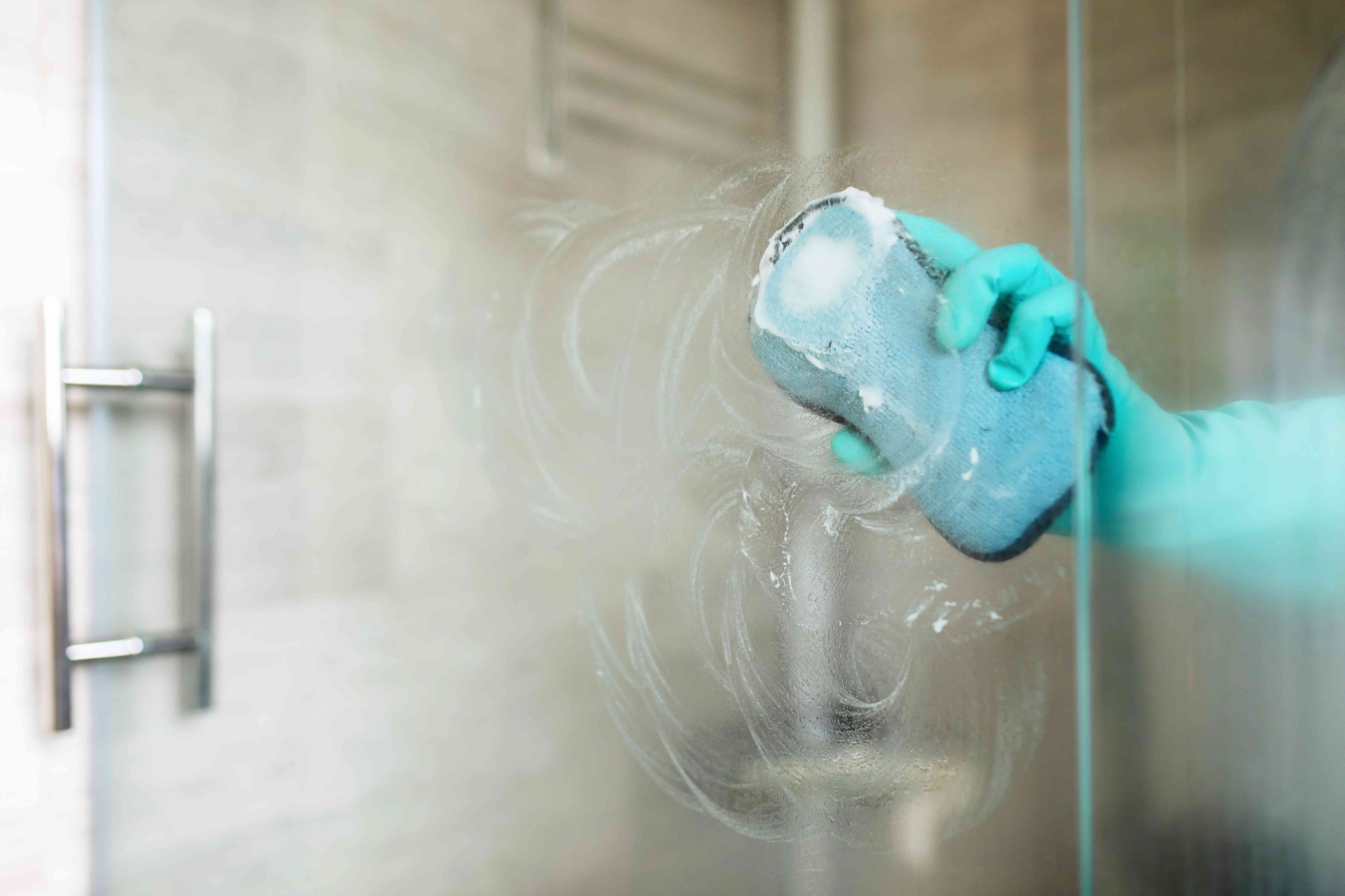
If soap scum had a dating profile, it would describe itself as “clingy, chalky, and somehow always hanging around your shower door.” It shows up on glass, tile, tubs, fixtures, and those sneaky corners where your sponge apparently fears to tread. The good news? A cleaning pro does not attack soap scum by scrubbing like they are trying to sand a deck by hand. The real trick is much smarter: use the right cleaner, let it sit long enough to do the heavy lifting, and only scrub lightly when the grime has already started waving a little white flag.
That is the difference between spending 15 focused minutes on your bathroom and spending your whole Saturday muttering at a shower wall. The most effective soap scum routine is not about brute force. It is about chemistry, timing, and choosing tools that clean without scratching. Once you understand that, removing soap scum becomes far less dramatic and far more doable.
What Soap Scum Actually Is
Soap scum is not just “dirt.” It is what happens when soap mixes with minerals in hard water, plus body oils, product residue, and bathroom humidity. That combination dries into a cloudy film or crusty layer that loves glass shower doors, tile, tubs, chrome, and grout lines. The harder your water, the faster the buildup tends to appear. So if your shower looks dingy two days after cleaning, you are not imagining things. You may simply be living in a hard-water zip code.
This is also why plain water and a random swipe with a sponge rarely solve the problem. Soap scum is part mineral deposit, part greasy residue. It needs something that can loosen both. That is where pros stop “cleaning harder” and start cleaning smarter.
How a Cleaning Pro Approaches Soap Scum
The professional mindset is simple: do not scrub first. First, soften the mess. The fastest way to remove soap scum is to let a suitable cleaner sit on the surface long enough to break down the film. That waiting period is called dwell time, and it is the least glamorous but most powerful part of the job. It is also the part people skip when they are in a hurry, which is exactly why they end up scrubbing for ages.
A cleaning pro usually follows a pattern like this: identify the surface, choose a surface-safe cleaner, apply generously, wait, wipe, then use just enough gentle agitation to finish the job. You are not trying to win a fight against the shower. You are setting a trap for it.
The Best No-Marathon-Scrubbing Method
Step 1: Start With a Warm, Damp Surface
Soap scum releases more easily when the surface is warm. That is why pros often clean the shower right after someone has bathed, or they run warm water over the walls and door for a minute first. Warmth helps soften residue and gives your cleaner a better shot at loosening the buildup.
Step 2: Choose the Right Cleaner for the Surface
For glass shower doors, ceramic tile, fiberglass tubs, and most non-stone shower surfaces, a soap-scum remover or a vinegar-and-dish-soap style solution is often the go-to choice. The acid helps loosen mineral deposits, while the dish soap cuts through oily residue. That combo is why it shows up again and again in professional-style bathroom routines.
But here is the important fine print: not every surface likes acid. If you have natural stone such as marble, travertine, limestone, or some granite surfaces, skip vinegar and other acidic cleaners. A pro treats stone more gently, using a pH-neutral or stone-safe product instead. Natural stone can lose its finish when cleaned with the wrong chemistry, and nobody wants to “solve” soap scum by creating etching that costs much more to fix.
Step 3: Spray Generously and Let It Sit
This is where the magic happens. Coat the soap scum thoroughly. Then walk away for 10 to 30 minutes, depending on how heavy the buildup is and what the product label or surface allows. Heavier buildup may need more time, not more elbow rage. You want the cleaner to penetrate the film so it wipes away instead of behaving like bathroom concrete.
If you are working on vertical surfaces like shower doors or tile walls, spray enough that the cleaner clings. Thin, timid spritzing will not do much. Soap scum responds better to “generous spa treatment” than “sad little mist.”
Step 4: Wipe Before You Scrub
After the dwell time, use a microfiber cloth, non-scratch sponge, or soft scrub pad to wipe first. This is the step many people skip. When the cleaner has done its job, a surprising amount of residue comes off with a wipe alone. Only the remaining stubborn spots should get extra attention.
Step 5: Use Gentle Agitation, Not Aggressive Scrubbing
If buildup remains, reach for a soft-bristle brush, non-abrasive sponge, melamine sponge used carefully where appropriate, or a nylon scrubber. The goal is controlled pressure, not surface damage. A pro knows that scratches attract future grime and make the next cleanup harder. So even when the soap scum is acting like it pays rent, the fix is still gentle persistence, not brute-force abrasion.
Step 6: Rinse Thoroughly and Dry
Once the film is gone, rinse everything well. Residual cleaner can leave haze, streaks, or a sticky film that attracts fresh grime. Then dry the surface with a microfiber cloth or squeegee. That last drying step is what turns “clean enough” into “actually shiny.”
What Works Best on Common Bathroom Surfaces
Glass Shower Doors
Glass is where soap scum loves to show off. The fastest professional strategy is a cleaner that can dissolve both hard-water deposits and oily residue, plus enough dwell time to soften the film. After wiping, use a squeegee or microfiber cloth to dry the glass completely. This helps prevent those cloudy streaks from making a dramatic comeback tomorrow morning.
Fiberglass and Acrylic Tubs
These surfaces need a gentle touch. Avoid harsh abrasives and rough tools that can dull or scratch the finish. A non-scratch sponge paired with a surface-safe cleaner is the better choice. The real time-saver here is patience: if you let the cleaner sit, most of the work happens before your hand even touches the tub.
Ceramic or Porcelain Tile
Tile can usually handle a bit more cleaning power than delicate tub finishes, but grout is another story. Soap scum loves grout because grout is textured and tends to trap residue. Spray, wait, then use a soft brush on grout lines. If mildew is also present, treat that separately and safely. Soap scum removal and disinfecting are not always the same task, and pros do not muddle them together carelessly.
Natural Stone
This is the surface that gets people in trouble. Marble, travertine, limestone, and similar materials should not be cleaned with vinegar, lemon, or other acidic cleaners. Use a non-acidic soap-scum remover or stone-safe cleaner instead. If you remember only one thing from this article, let it be this: your marble shower is fancy, sensitive, and not emotionally prepared for vinegar.
When Bleach Helps and When It Does Not
Bleach has a very specific reputation in bathrooms, and sometimes it gets too much credit. It can help disinfect and address certain mildew or mold issues when used correctly, but it is not the hero for removing ordinary soap scum. Soap scum is usually better handled by products that target residue and mineral buildup first.
Also, safety matters. Never mix bleach with vinegar, ammonia, or other cleaners. If you use more than one type of product in the same area, rinse thoroughly between them and ventilate the room well. A cleaning pro wants a sparkling shower, not a chemistry emergency.
The Biggest Mistakes That Make You Scrub Longer
- Using the wrong cleaner for the surface. Soap scum on natural stone is not the same job as soap scum on glass.
- Skipping dwell time. If you spray and instantly scrub, you are doing the cleaner’s job for it.
- Using abrasive tools too soon. Scratches make surfaces dull and can help grime stick more easily later.
- Not rinsing completely. Cleaner residue can leave haze and attract fresh buildup.
- Waiting too long between cleanings. Thin buildup wipes away. Thick buildup negotiates.
How Pros Keep Soap Scum From Coming Back So Fast
The easiest soap scum to remove is the soap scum that never gets the chance to settle in. Professional cleaners are big fans of low-effort prevention because it reduces the need for future deep cleaning.
Use a Squeegee After Showering
This one habit punches far above its weight. A quick pass over glass, tile, and walls removes moisture before minerals can dry into spots and before soap residue can harden. It is a 30-second task that can save serious cleaning time later.
Ventilate the Bathroom
Run the exhaust fan or open a window when possible. Less lingering moisture means less chance for residue, mildew, and general bathroom gloom to settle in and overstay its welcome.
Spray a Daily Shower Cleaner
A light post-shower mist helps stop fresh residue from building into a weekend project. This is not deep cleaning. It is maintenance. And maintenance is what makes the pro method look almost unfairly easy.
Dry Fixtures and Glass
Microfiber cloths are excellent for buffing faucets, handles, and door edges. Dry metal and glass after cleaning or showering, and you cut down on mineral spots, streaks, and the general “Why does this still look dirty?” effect.
Consider Your Soap Products
Traditional bar soaps can contribute more to classic soap scum than many synthetic body washes. If buildup is constant, switching products may help a little. It is not a miracle cure, but every small advantage counts when you are trying to keep the bathroom from turning into a foggy chalk museum.
A Realistic Weekly Routine That Saves Time
If you want pro-level results without pro-level burnout, keep the routine simple:
- After each shower, squeegee the walls or glass and let the bathroom air out.
- Two or three times a week, wipe problem spots like door handles, lower glass panels, and tub edges.
- Once a week, spray the full shower with a suitable cleaner, let it dwell, wipe, rinse, and dry.
- Once a month, inspect grout lines, corners, tracks, and any shelves where residue likes to hide.
That is the secret. Not one punishing all-day scrub. Just regular, targeted maintenance that never gives soap scum enough time to become a villain.
What a Cleaning Pro Knows That Most People Learn the Hard Way
A cleaning pro knows that the shower is rarely as dirty as it looks. Most of the time, it is just coated. That cloudy layer is visually dramatic, but it usually responds well to the correct cleaner and enough dwell time. In other words, your bathroom is often less of a disaster than it appears. It is just really good at looking offended.
Pros also know that the final 10 percent matters. Rinsing thoroughly, wiping dry, and staying consistent are what create a bathroom that keeps looking clean instead of one that flashes clean for six hours and then returns to its usual moody self. Once you adopt that mindset, soap scum stops feeling like a never-ending punishment and starts feeling like a manageable maintenance job.
Experience From the Field: What Actually Happens in Real Bathrooms
If you clean enough bathrooms, you start to notice the same patterns everywhere. The houses are different, the tile colors change, the shower caddies multiply like rabbits, but soap scum behaves in very predictable ways. The first thing I have learned is that people almost always think they need a stronger product when what they really need is more patience. I have seen shower doors go from cloudy to clear with the exact same cleaner a homeowner already had under the sink. The difference was that this time it stayed on the glass long enough to work.
I have also learned that the “hardest” bathrooms are not always the dirtiest ones. They are usually the bathrooms where the wrong cleaner has been used over and over. On natural stone, for example, acidic products can leave the surface looking dull, which makes people think there is still buildup left. Then they scrub harder, which usually makes the whole situation worse. On fiberglass tubs, rough pads can leave tiny scratches that grab onto residue later, so the tub seems to get dirty faster after every cleaning. When people say, “I just cleaned this and it already looks bad again,” the surface itself is often part of the story.
One of the most useful tricks in the real world is dividing the shower into zones. Clean the glass first, then the walls, then the fixtures, then the tub or floor. It sounds simple, but it keeps you from randomly hopping around and missing the places where buildup is thickest, like door tracks, lower corners, or the shelf where every shampoo bottle leaks like it has a secret agenda. It also helps with dwell time. Spray one zone, move to the next, then come back and wipe in order. Suddenly the cleaner has been sitting for several minutes without you standing there staring at it like a contestant on a very boring game show.
Another thing experience teaches you is that prevention beats perfection. The people with the easiest bathrooms to clean are not always the most obsessive. They are just the ones with one or two good habits. They run the fan. They squeegee the glass. They wipe the faucet once in a while. They do not wait until the shower looks like it has been lightly glazed. Those tiny habits save more time than any miracle cleaner ever will.
And finally, there is this: no bathroom stays perfect for long, because bathrooms are busy little humidity factories. The goal is not to create a museum exhibit. The goal is to make the room easy to reset. That is how a cleaning pro thinks. Use the right chemistry, protect the surface, remove the buildup before it gets thick, and leave the room drier than you found it. Once you do that, soap scum stops running the show. It becomes just another small task, not an all-day punishment.
Conclusion
If you want to get rid of soap scum without scrubbing all day, think like a cleaning pro. Use the right surface-safe cleaner, give it enough dwell time, wipe before you scrub, and dry everything well when you are done. Skip the temptation to attack every cloudy surface with brute force. Most of the time, soap scum is not asking for more effort. It is asking for a better method.
And once you pair that method with quick habits like squeegeeing, ventilation, and weekly maintenance, the whole bathroom becomes easier to manage. Less buildup, less scrubbing, less muttering at shower doors. That is the kind of home improvement everybody can get behind.














