
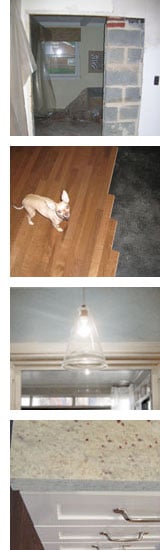
There is a point in every kitchen renovation when the room is empty, the sink is sitting in the garage, and somebody casually says, “We found a little issue behind the wall.>So, how much did our kitchen renovation cost? Our final total was $63,120 for a 170-square-foot, midrange renovation. We replaced the cabinets, countertops, appliances, sink, lighting, backsplash, and several tired finishes. We kept the existing footprint, avoided removing structural walls, and did not relocate the main plumbing line. In renovation language, that counts as restraint. In normal language, it still felt like watching a very nice used car dissolve into quartz, drawers, and electrical outlets.
This article breaks down the full kitchen remodel budget, explains where the money went, identifies the surprise expenses, and shares the choices that saved us from spending even more. The project is presented as a realistic U.S. case study based on current national cost data, contractor pricing patterns, and common remodeling practices.
The Quick Answer: Our Final Kitchen Renovation Cost
We began with a working budget of $58,000 and a separate reserve for problems we hoped would remain theoretical. The final cost came to $63,120, or about $371 per square foot. That per-square-foot figure is higher than broad national averages because our project included semi-custom cabinetry, upgraded appliances, professional labor, new lighting, and several finish details that are easy to underestimate when staring at inspirational photos.
National estimates vary because “kitchen remodel” can describe anything from painting cabinets and replacing a faucet to gutting a room, moving utilities, and installing custom millwork. Recent U.S. cost guides place many professional remodels in roughly the mid-$14,000 to low-$40,000 range, while major kitchen renovations reported by homeowners often reach a median near $60,000. Luxury projects can easily move into six figures. In other words, the average is useful, but the scope is the boss.
Our Cost Breakdown at a Glance
| Category | Cost | What It Included |
|---|---|---|
| Design and measurements | $2,500 | Layout planning, drawings, selections, and field measurements |
| Permits | $850 | Local permit and inspection fees |
| Demolition and disposal | $3,100 | Cabinet removal, countertop removal, hauling, and cleanup |
| Cabinetry and hardware | $18,900 | Semi-custom cabinets, drawer upgrades, organizers, pulls, and knobs |
| Carpentry and installation | $6,400 | Cabinet installation, trim, panels, fillers, and finish carpentry |
| Countertops | $5,900 | Quartz material, templating, fabrication, delivery, and installation |
| Backsplash | $1,850 | Tile, setting materials, grout, edge trim, and labor |
| Appliances | $7,900 | Refrigerator, range, dishwasher, hood, microwave, and installation parts |
| Plumbing | $2,800 | New shutoffs, drain corrections, sink connections, disposal, and dishwasher hookup |
| Electrical and lighting | $3,900 | New circuits, code updates, outlets, pendants, under-cabinet lighting, and labor |
| Floor repair and refinishing | $2,400 | Patching exposed areas and blending the existing wood floor |
| Painting and trim | $1,700 | Walls, ceiling, baseboards, caulk, and touch-ups |
| Sink, faucet, and disposal | $1,750 | Stainless sink, pull-down faucet, disposal, strainers, and accessories |
| Delivery, storage, and temporary kitchen | $820 | Delivery fees, short-term storage, shelving, and a basic cooking station |
| Unexpected repairs and changes | $2,350 | Wall repair, electrical corrections, replacement trim, and small change orders |
| Total | $63,120 | Completed midrange kitchen renovation |
Why the Cabinets Cost So Much
Cabinetry was the largest single expense, and that is normal. Cabinets frequently consume close to 30% of a kitchen remodeling budget before installation, trim, specialty inserts, or decorative panels enter the conversation. Our cabinets and hardware cost $18,900, while installation and finish carpentry added another $6,400.
We chose semi-custom cabinets instead of fully custom units. That gave us more width options, better drawer construction, useful internal organizers, and a finish we liked without paying for every cabinet to be built as a one-off piece. We spent extra on deep drawers near the range, a pull-out trash cabinet, tray storage, and soft-close hardware. None of those features photographs as dramatically as a giant marble island, but they improve the kitchen every single day.
The sneaky cabinet expenses were fillers, end panels, crown molding, toe kicks, appliance panels, and installation adjustments. A cabinet quote that includes only boxes and doors is not the final cabinet cost. It is merely the opening act.
Countertops: The $5,900 Decision We Made in Ten Minutes
We selected a midrange quartz countertop because it offered a consistent pattern, simple maintenance, and no regular sealing requirement. The $5,900 price included the slabs, templating, fabrication, sink cutout, delivery, and installation.
Countertop pricing depends on material, thickness, edge profile, number of seams, cutouts, slab yield, and local fabrication costs. Labor alone can add a meaningful per-square-foot charge, especially when the material is difficult to cut or the installation has awkward corners. Our layout was relatively simple, but the island required a larger piece and careful support.
We saved money by choosing a standard edge and avoiding a waterfall treatment. A waterfall island is beautiful, but it can require additional material, precision fabrication, and the emotional strength to watch installers carry a large stone panel through a doorway.
Appliances: Where Budget Discipline Went to Be Tested
Our appliance package cost $7,900. We chose reliable midrange models rather than a professional-style suite. That total covered a refrigerator, induction range, dishwasher, vent hood, microwave, delivery, and the small installation parts that somehow cost more than small parts should.
Appliance prices can range from a few thousand dollars for a practical package to more than $25,000 for premium brands and built-in configurations. We focused on the features we would use: quiet dishwasher operation, strong ventilation, flexible refrigerator storage, and an easy-to-clean cooking surface. We skipped the refrigerator with an internal camera because we already possess the advanced technology known as opening the door.
Energy efficiency also mattered. Certified refrigerators, dishwashers, and electric cooking products may reduce long-term energy or water use, although the payback should be considered alongside purchase price, repairability, and actual household habits.
Labor, Plumbing, and Electrical: The Less Photogenic Essentials
Labor is the part of the budget that makes a renovation function rather than merely look expensive. Our carpentry, plumbing, electrical, tile, painting, and related installation costs represented a substantial share of the project.
We kept the sink in the same general location, which helped control plumbing expenses. Moving a sink across the room can require drain changes, venting work, floor or wall access, and additional permits. We did, however, replace old shutoff valves, correct a drain connection, install a disposal, and update the dishwasher hookup.
The electrical work included dedicated circuits, additional countertop outlets, code-related corrections, pendant lights, recessed fixtures, and under-cabinet lighting. This category grew after the walls were opened and the electrician found older work that was functional but not suitable for the new load and layout. That discovery cost money, but electricity is a terrible category for creative optimism.
The Surprise Costs Nobody Puts on the Mood Board
We spent $2,350 on unexpected repairs and changes. That was less than the 10% to 20% contingency many remodeling professionals recommend, but only because we avoided structural changes and had inspected the space carefully before construction.
Our Main Surprises Included:
- Wall damage behind the backsplash: Removing the old tile took portions of the wallboard with it.
- An electrical correction: One circuit needed more work than the original estimate assumed.
- Floor gaps: The new cabinet layout exposed sections of flooring that had never been finished.
- Extra trim: A slightly uneven wall required custom scribing and additional molding.
- Delivery timing: We paid for short-term storage when cabinets arrived before the room was ready.
None of these problems was dramatic enough for a renovation television episode. Collectively, however, they were very capable of eating a vacation budget.
Where We Saved Money
We Kept the Basic Layout
Preserving the general work zones reduced plumbing, electrical, framing, and flooring changes. Layout changes can be worth the cost when a kitchen is truly dysfunctional, but moving everything simply because a rendering looks spacious is an expensive hobby.
We Mixed Splurges With Ordinary Materials
We chose better drawers and hardware but used a straightforward backsplash tile. We bought a strong vent hood but skipped designer-brand appliances. We selected quartz counters but kept the edge simple. A balanced renovation often looks more expensive than one filled with competing luxury statements.
We Compared Complete Quotes, Not Headline Prices
One cabinet proposal looked cheaper until delivery, trim, hardware, installation, and modifications were added. We asked every bidder to clarify exclusions, allowances, disposal, permit responsibility, and change-order pricing. The lowest starting number is not always the lowest finished number.
We Did Limited DIY Work
We handled packing, temporary kitchen setup, hardware selection, and some final organizing. We did not DIY electrical, plumbing, countertop fabrication, or cabinet installation. Homeowners can reduce labor costs by doing appropriate work themselves, but a task is not a bargain when it must be completed twice.
Was the $63,120 Kitchen Renovation Worth It?
For us, yesbut not because we expect every dollar to return at resale. A kitchen renovation is partly a financial decision and partly a quality-of-life purchase. The new layout reduced wasted motion, the drawers made storage easier, the lighting improved food preparation, and the ventilation stopped dinner from announcing itself throughout the house for three days.
Resale data suggests that modest kitchen updates can recover a strong share of their cost, and recent national reports have shown particularly favorable returns for minor midrange projects. That does not mean every $60,000 renovation creates $60,000 in home value. Location, home price, finish quality, buyer preferences, and over-improvement all matter. A restrained, functional kitchen that fits the house is generally safer than a hyper-personalized showpiece.
We evaluated value in three buckets: daily usefulness, durability, and reasonable resale appeal. That framework kept us from spending heavily on features that looked impressive but did not solve a problem.
How to Estimate Your Own Kitchen Remodeling Budget
Start with scope, not finishes. Decide whether you are refreshing surfaces, replacing most components, or changing the structure and layout. Then measure the room, price the major categories, and gather multiple local quotes.
- Define must-haves and nice-to-haves. Fix layout, safety, storage, and failing components before adding decorative upgrades.
- Price cabinets early. They are often the largest expense and may have long lead times.
- Confirm what labor includes. Ask about demolition, disposal, protection, delivery, permits, inspections, cleanup, and warranty work.
- Add a 10% to 20% contingency. Older homes and structural changes generally justify a larger reserve.
- Budget for life during construction. Takeout, a temporary sink, appliance storage, pet care, and missed work are real project costs.
- Freeze selections before demolition. Late decisions invite rush fees, substitutions, and schedule delays.
A practical starting range for many homeowners is about $75 to $250 per square foot for common professional projects, but major, custom, or high-cost-market renovations can exceed that range substantially. Local labor rates matter. A project priced in Kansas City will not necessarily resemble the same scope in New York, Washington, D.C., or coastal California.
Extra Experience: What Living Through the Renovation Actually Taught Us
The financial spreadsheet told us what the kitchen cost. Living through the project taught us what the spreadsheet forgot.
First, the temporary kitchen deserves more planning than most people give it. We initially placed a microwave, coffee maker, toaster oven, and folding table in the dining room. This looked perfectly reasonable until we realized that four appliances, one outlet, and a morning caffeine deadline form an unstable political coalition. We moved the setup, added safe power access, organized disposable plates, and created one shelf for pantry basics. That small system saved time and reduced takeout spending.
Second, decisions become harder once construction begins. Before demolition, comparing cabinet colors felt fun. During construction, choosing grout while answering a plumber’s question and locating a missing delivery receipt felt like taking an exam in a hardware store. The best decisions we made were finalized early: appliance specifications, faucet model, cabinet hardware, lighting locations, tile pattern, and paint color. Every unresolved detail became a tiny speed bump for several trades.
Third, communication prevented more problems than bargain hunting. We held a pre-construction meeting to confirm work hours, access, dust control, parking, material storage, cleanup, and who could approve changes. We also asked for written change orders before extra work began. That felt formal for small adjustments, but it protected both sides. “While you are here, could you also…” is one of the most expensive sentence openings in homeownership.
Fourth, we learned to inspect function before admiring finishes. We opened every drawer, checked door clearances, tested the faucet, ran the dishwasher, examined countertop seams, switched on every light, and confirmed that outlets worked. A beautiful cabinet door that collides with a refrigerator handle is still a design problem wearing nice paint.
Fifth, we stopped measuring success by perfect photos. Renovation images rarely show the outlet that had to move, the slightly delayed trim piece, or the week everyone ate cereal from mixing bowls. Our finished kitchen is not a showroom. It is better: it fits our routines. The trash pull-out is beside the prep area, frequently used pans live in deep drawers, and task lighting reaches the counters instead of creating a dramatic spotlight on the floor.
Finally, we learned that spending more is not the same as improving more. The upgrades we appreciate most are not the flashiest. They are full-extension drawers, a quiet dishwasher, enough outlets, a vent hood that works, durable counters, and lighting with separate controls. The glamorous choices made the kitchen pretty. The practical choices made it worth $63,120.
Conclusion
Our kitchen renovation cost $63,120. Cabinets and installation consumed the largest share, followed by appliances, countertops, and skilled trade labor. Keeping the footprint stable saved money, while electrical corrections, floor patches, wall repairs, and delivery timing created the predictable category known as “unexpected expenses.”
The most useful lesson is not that every kitchen should cost $63,120. It is that a credible kitchen remodeling budget must include the complete scope: products, labor, design, permits, delivery, disposal, temporary living costs, and contingency. Price the unexciting work as carefully as the visible finishes. Your future self will appreciate the new kitchenand may even forgive the month when the coffee maker lived beside the sofa.
Note: This is a representative U.S. cost case study created from current national remodeling benchmarks and common contractor pricing patterns. Actual costs vary by location, kitchen size, home condition, labor market, material grade, permit requirements, and project scope. Obtain local written estimates before starting work.
SEO Tags
Research basis for national ranges, component costs, contingency guidance, professional practices, energy efficiency, and resale context:














