
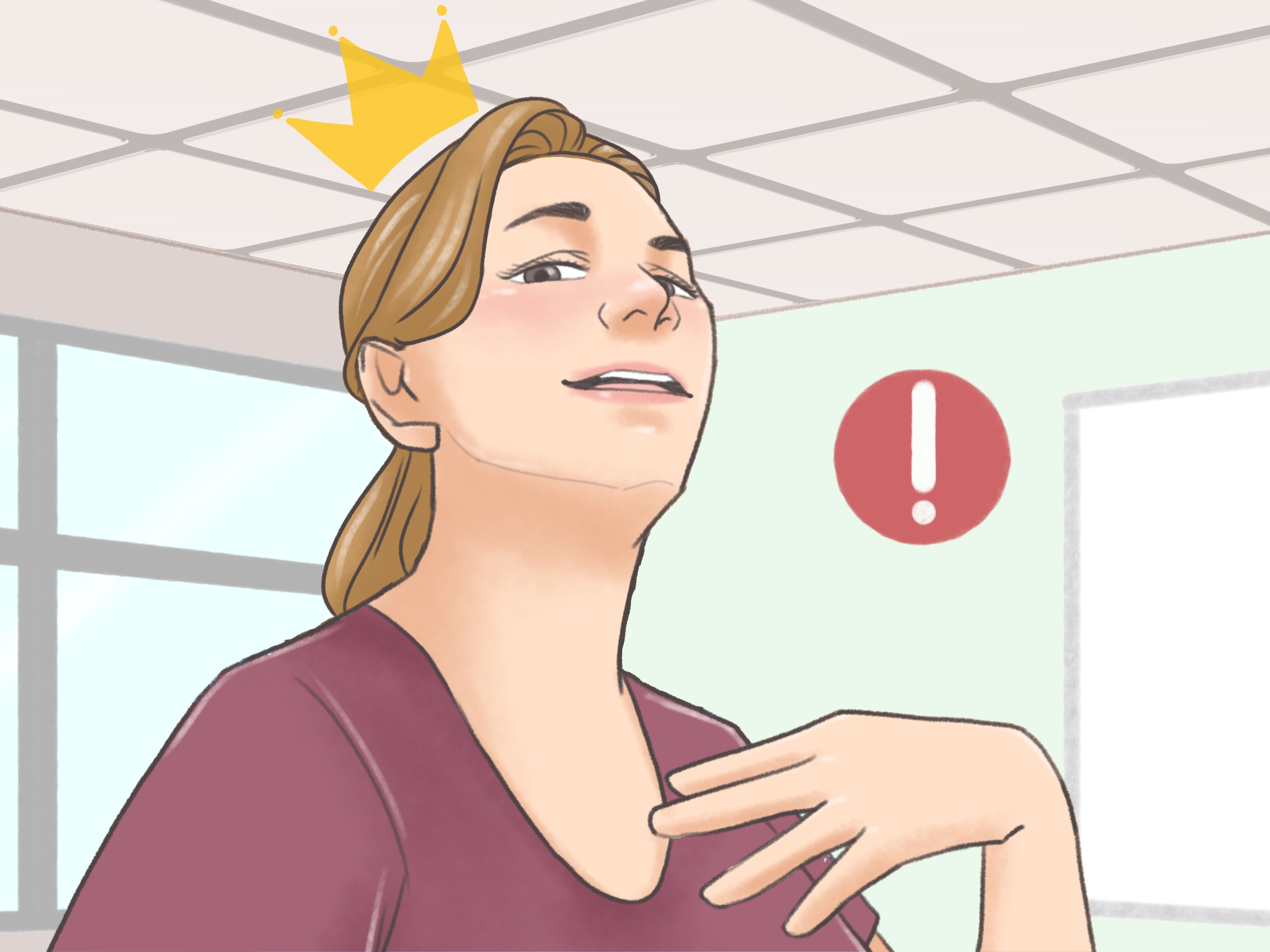
Appearing intelligent is not about using words so large they need their own ZIP code. It is not about quoting philosophers at brunch, wearing fake reading glasses, or saying “interesting” while staring into the middle distance like a mysterious professor in a candlelit library. Real intelligence is noticed through how you listen, speak, ask questions, solve problems, and carry yourself.
The good news? You do not need to be the smartest person in the room to seem thoughtful, capable, and sharp. In fact, people who try too hard to sound smart often do the opposite. They interrupt, over-explain, name-drop, or turn every conversation into a one-person TED Talk nobody bought tickets for. The people who appear intelligent usually do something much simpler: they make others feel understood while communicating clearly and calmly.
This guide breaks down the best tips and tricks for how to appear intelligent in everyday life, whether you are in school, at work, on a date, in a meeting, or trying to survive a family dinner where someone starts debating economics after dessert. These strategies are practical, research-informed, and easy to apply without pretending to be someone you are not.
What Does It Really Mean to Appear Intelligent?
To appear intelligent means to give others the impression that you are observant, thoughtful, emotionally aware, and able to communicate ideas clearly. It is not the same as showing off. True intellectual presence is a mix of confidence, curiosity, humility, and good judgment.
People often judge intelligence through social signals. They notice whether you listen carefully, pause before responding, ask relevant questions, use precise words, and stay calm under pressure. They also notice whether you can explain complex ideas in simple language. That last part is important. Anyone can make a simple idea sound complicated; smart communicators make complicated ideas easier to understand.
So if your goal is to look smarter, do not start by memorizing obscure vocabulary or pretending you read dense academic books for fun. Start by becoming easier to talk to, clearer to understand, and more intentional in how you respond.
How to Appear Intelligent: 10 Best Tips & Tricks
1. Listen More Than You Talk
One of the fastest ways to appear intelligent is to become a better listener. This sounds almost too easy, but it works because most people are busy waiting for their turn to speak. When you actually listen, you stand out immediately.
Intelligent listening means paying attention not only to the words being said, but also to tone, context, and emotion. Instead of interrupting with your own story, let the other person finish. Instead of mentally preparing your next brilliant sentence, focus on what they are really trying to communicate.
A simple trick is to pause for one second before responding. That tiny pause makes you seem thoughtful, composed, and present. It also prevents you from blurting out something half-baked, which is great because half-baked thoughts belong in draft folders, not important conversations.
For example, if someone says, “I am frustrated because this project keeps changing,” do not immediately reply, “That happened to me once.” Try saying, “That sounds exhausting. What changed most recently?” This shows that you are listening and thinking.
2. Ask Better Questions
Smart people ask good questions. Great questions show curiosity, focus, and the ability to think beneath the surface. They also make other people feel valued, which makes you seem more emotionally intelligent.
Instead of asking generic questions like “How was it?” ask questions that invite detail. Try: “What was the hardest part?” “What surprised you?” “What would you do differently next time?” or “What made you choose that approach?” These questions make conversations deeper without making them feel like a police interview.
Follow-up questions are especially powerful. They prove that you heard the first answer and want to understand more. If someone explains their opinion, ask, “What led you to that view?” or “Has your thinking changed over time?” That kind of curiosity makes you seem thoughtful without having to perform intelligence like a circus act.
3. Speak Clearly and Avoid Over-Explaining
Clarity is one of the most underrated signs of intelligence. People who appear smart do not bury their point under ten layers of unnecessary detail. They get to the point, support it, and stop before the listener begins mentally grocery shopping.
When explaining something, use this simple structure: point, reason, example. First, state your main idea. Then explain why it matters. Finally, give one specific example.
For instance, instead of saying, “There are many different factors that potentially contribute to why this approach may not be ideal in a variety of situations,” say, “I do not think this plan is practical because it depends on everyone finishing early. For example, if design is delayed by two days, the launch date slips.”
That sounds intelligent because it is clear, specific, and easy to follow. Big words can impress people for three seconds. Clear thinking impresses people for much longer.
4. Use Confident Body Language
Your body speaks before your mouth does. Posture, eye contact, gestures, and facial expressions all influence how intelligent and confident you appear. You do not need to walk into a room like you own the building, but you should look like you know where the exits are.
Stand or sit upright, keep your shoulders relaxed, and avoid fidgeting too much. Make natural eye contact, but do not stare like you are trying to unlock someone’s phone with facial recognition. Use open gestures and nod occasionally to show engagement.
Confident body language is not about being stiff or overly polished. It is about appearing calm, attentive, and comfortable in your own skin. When your body language says, “I am present and prepared,” people are more likely to take your words seriously.
5. Admit What You Do Not Know
This may sound backwards, but admitting what you do not know can make you appear more intelligent. People who pretend to know everything usually reveal the opposite. Eventually, someone asks a follow-up question, and the whole performance collapses like a cheap folding chair.
Smart people are comfortable saying, “I am not sure,” “I would need to check,” or “That is outside my area, but here is what I do know.” This shows honesty and self-awareness. It also makes your confident statements more credible because people know you are not bluffing your way through every topic.
For example, if someone asks about a technical issue you only partly understand, try: “I know the basic concept, but I do not want to guess on the details. My understanding is that the problem is related to timing, but I would confirm before making a decision.” That sounds much smarter than confidently delivering nonsense with jazz hands.
6. Build a Strong Vocabulary, But Use It Naturally
A strong vocabulary helps you express ideas more accurately. However, using fancy words just to sound smart can backfire. If a simpler word works better, use the simpler word. Intelligent communication is not a spelling bee with furniture.
The goal is precision, not decoration. Words like “specific,” “consistent,” “relevant,” “assumption,” “pattern,” “evidence,” and “trade-off” are useful because they help organize thought. They make you sound intelligent because they make your thinking easier to understand.
For example, instead of saying, “That thing is bad,” you might say, “That approach has two risks: cost and timing.” Instead of saying, “I feel weird about it,” say, “I think we are making an assumption we have not tested.” Clear, precise language makes you sound sharper without sounding like you swallowed a dictionary.
7. Read Widely and Connect Ideas
If you want to appear intelligent, you need something meaningful to talk about. Reading helps. But you do not have to read only giant books with tragic covers and tiny font. Read articles, essays, biographies, science explainers, business analysis, history, psychology, and thoughtful opinion pieces.
The real advantage of reading widely is that it helps you connect ideas. Intelligent people often notice patterns across different areas. They might connect a business problem to a psychology concept, or a current event to a historical trend. This makes conversation richer and more memorable.
To make reading useful, keep a small note of interesting ideas. Write down one sentence after reading something: “What did I learn?” or “Where could this apply?” Over time, you will build a mental library of examples, stories, and insights. Then, when a conversation calls for it, you can contribute something more interesting than “Yeah, that is crazy.”
8. Stay Calm When You Disagree
Anyone can sound smart when everyone agrees with them. The real test is how you behave during disagreement. Intelligent people do not panic, insult, or turn every debate into a courtroom drama. They stay calm, ask clarifying questions, and separate the idea from the person.
Try saying, “I see it differently,” “Can you walk me through your reasoning?” or “I agree with part of that, but I have a concern about one point.” These phrases help you disagree without sounding defensive.
Calm disagreement makes you appear thoughtful and mature. It also prevents the conversation from becoming a verbal food fight. Remember, the goal is not to win every argument. Sometimes the smartest person in the room is the one who keeps the room from catching fire.
9. Dress Neatly and Match the Situation
Appearance is not intelligence, but it does influence first impressions. Dressing neatly signals that you are organized, self-aware, and respectful of the setting. You do not need designer clothes or a dramatic “genius professor” scarf. You just need to look clean, appropriate, and put together.
The key is context. A sharp outfit for a business meeting may look strange at a beach picnic. A hoodie may be fine for a casual tech office but less ideal for a formal interview. Intelligent dressing means understanding the situation and choosing accordingly.
Small details matter: clean shoes, well-fitting clothes, neat hair, and minimal distractions. When your appearance is tidy, people focus more on what you say. When your shirt looks like it lost a fight with a laundry basket, your ideas have to work harder.
10. Be Curious, Not Performative
The smartest-looking people are rarely the ones trying hardest to look smart. They are curious, engaged, and willing to learn. They do not treat conversations as stages. They treat them as opportunities to understand something better.
Performative intelligence sounds like name-dropping, constant correction, and “Well, actually” energy. Genuine intelligence sounds like curiosity, clarity, and useful insight. If you want to appear intelligent, stop trying to prove you are the smartest person in the room. Try to become the person who helps the room think better.
That might mean summarizing a confusing discussion, asking the question everyone is afraid to ask, or noticing a practical next step. Intelligence is not only about having answers. Often, it is about improving the quality of the conversation.
Common Mistakes That Make People Seem Less Intelligent
Knowing what not to do is just as important as knowing what to do. Many people accidentally make themselves seem less intelligent by trying too hard. The first mistake is overusing jargon. Specialized language is useful when everyone understands it, but it becomes annoying when used to impress rather than clarify.
Another common mistake is interrupting. Even if your idea is brilliant, cutting someone off makes you seem impatient and self-focused. A third mistake is exaggerating. Words like “always,” “never,” “everyone,” and “completely” can make your point sound less careful. Intelligent people usually speak with nuance.
Finally, avoid humblebragging. Saying, “I am so exhausted from being invited to all these elite meetings” does not make you sound impressive. It makes people want to fake a phone call and leave. If you have an achievement to share, share it simply and honestly.
How to Sound Smarter in Conversations
To sound smarter in everyday conversations, slow down slightly. Many people speak too quickly when nervous, which makes their ideas harder to follow. A calm pace gives your words more weight and gives your brain time to choose better phrasing.
Use examples whenever possible. Abstract opinions are easy to forget, but specific examples stick. Instead of saying, “Good communication matters,” say, “A five-minute check-in at the beginning of a project can prevent three days of confusion later.” That sounds more intelligent because it is practical.
Also, learn to summarize. If a discussion is messy, say, “It sounds like we have three issues: budget, timing, and ownership.” This instantly makes you seem organized and useful. People appreciate someone who can turn chaos into structure.
How to Appear Intelligent at Work or School
In professional or academic settings, appearing intelligent is less about speaking constantly and more about contributing at the right moment. Before a meeting or class, prepare one useful question and one useful point. That way, you are not scrambling for something to say while your brain plays elevator music.
When you contribute, connect your point to the goal. For example, “To keep this on schedule, I think we should decide who owns the next step.” Or, “This connects to what we discussed last week about customer behavior.” These comments show that you are paying attention and thinking strategically.
Another strong habit is taking notes. You do not have to write down every word, but capturing key points helps you remember details and follow up intelligently later. People who remember details often seem sharper because they show care, focus, and reliability.
Experience-Based Advice: What Actually Works in Real Life
In real life, appearing intelligent often comes down to small behaviors repeated consistently. The person who seems sharp in a meeting is not always the one with the highest IQ. It is often the one who arrives prepared, listens closely, and says one useful thing at the right time.
One practical experience many people share is that silence can be powerful. When you are younger or less experienced, silence feels awkward. You may feel pressure to fill every pause with words. But as you become more confident, you realize that a pause can make you seem more thoughtful. A short silence before answering says, “I am considering this,” not “My brain has left the building.”
Another real-world lesson: people remember how you make them feel. You can deliver a technically brilliant explanation, but if you make others feel stupid, they will not admire your intelligence. They will avoid you. On the other hand, if you explain something clearly and respectfully, people will often describe you as smart even if the topic itself is not complicated.
For example, imagine two people explaining a spreadsheet problem. One says, “This is basic. I do not know why people are confused.” The other says, “The confusing part is that the totals update automatically, but the category labels do not. Here is the simple fix.” The second person appears more intelligent because they solve the problem without making anyone feel small.
Experience also teaches that asking for advice can strengthen your image rather than weaken it. Many people avoid asking questions because they fear looking uninformed. But thoughtful questions often make you appear engaged and serious. The key is to ask after doing some thinking. “Can you explain everything?” sounds lazy. “I understand the first two steps, but I am unclear on how the approval process works after that” sounds focused.
Another useful lesson is to avoid pretending. Pretending to know a book, theory, person, or topic may feel safe in the moment, but it is risky. Someone may ask, “What did you think of chapter three?” and suddenly your soul exits your body. It is much better to say, “I have heard of it, but I have not read it yet. What is the main idea?” That answer sounds honest and curious, which is far more intelligent than fake expertise.
In social situations, warmth matters as much as sharpness. A person who appears intelligent but cold may be respected from a distance. A person who is intelligent and warm becomes someone others want to talk to, work with, and trust. Smile naturally. Remember names. Give credit. Ask people what they think. These simple habits create the impression of emotional intelligence, which is often more useful than sounding academically impressive.
Finally, experience shows that consistency beats performance. You do not need one dazzling moment where everyone gasps and whispers, “A genius has entered.” You need steady signals: clear speech, good listening, calm reactions, neat presentation, and thoughtful questions. Over time, people build a picture of you as reliable, capable, and smart.
The best trick for appearing intelligent is to stop treating intelligence like a costume. You do not put it on for special occasions. You build it through habits: reading, listening, reflecting, practicing, and staying curious. The more you focus on becoming genuinely thoughtful, the less you have to worry about appearing intelligent. People will notice.
Conclusion
Learning how to appear intelligent is not about acting superior or collecting impressive phrases like decorative trophies. It is about communicating with clarity, listening with attention, asking better questions, and showing confidence without arrogance. The smartest impression you can make is not “I know everything.” It is “I think carefully, I learn quickly, and I respect the people around me.”
Start with one habit today. Pause before answering. Ask one follow-up question. Replace a vague opinion with a specific example. Admit when you need to check the facts. These small changes can dramatically improve how others perceive your intelligence.
And remember: truly intelligent people do not need to announce their intelligence every five minutes. They demonstrate it in how they think, speak, listen, and respond. Quiet competence has a much better reputation than loud confusion wearing a blazer.
Note: This HTML body is written as clean, publish-ready English content without source links, citation placeholders, or contentReference tags.














