
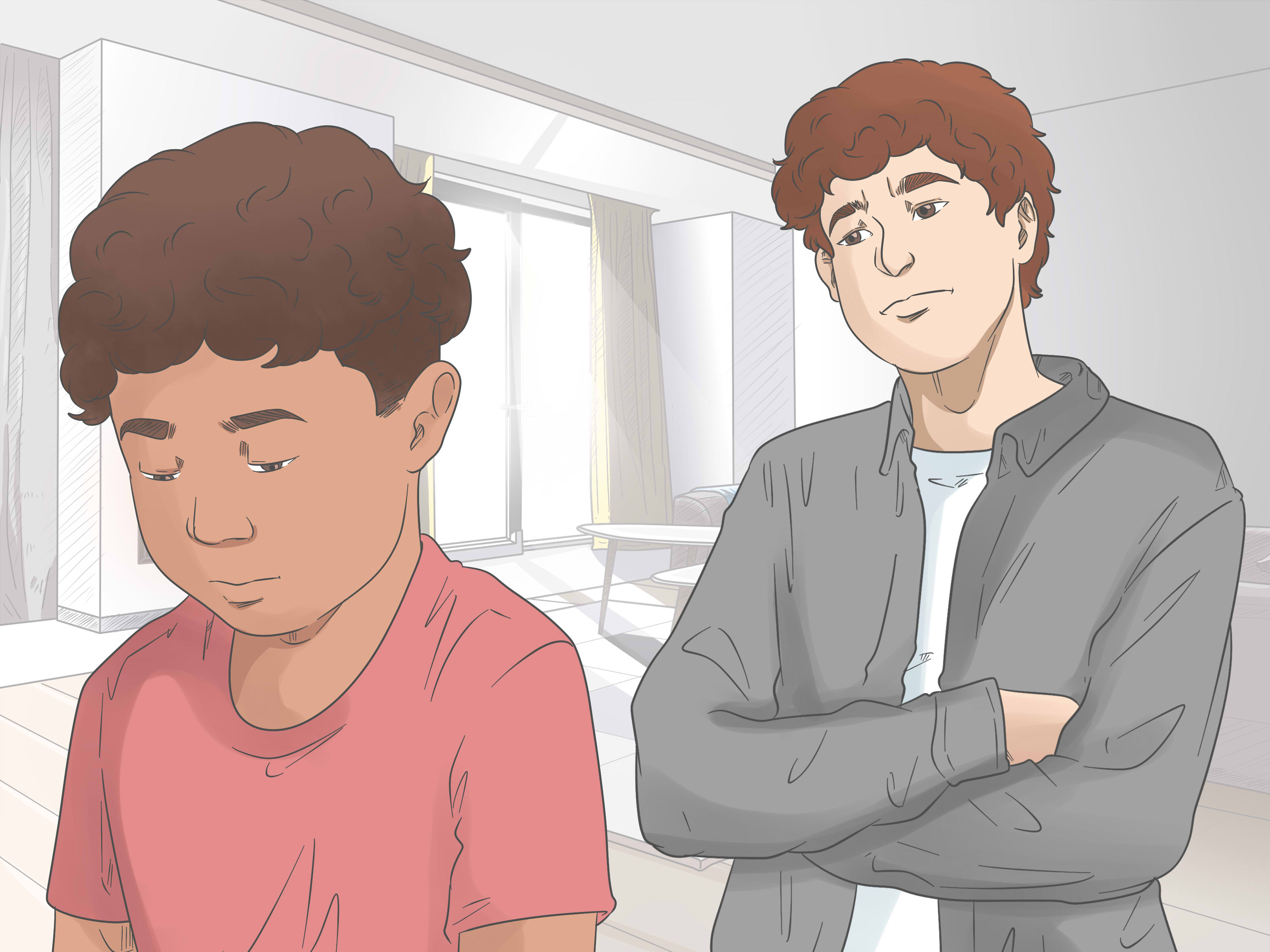
Being patient with kids sounds simple until someone pours cereal into the dog bowl, argues with a sock, or announces at bedtime that they need poster board for a project due tomorrow. Parenting is full of tiny comedy sketches, except the audience is tired, the actors are sticky, and nobody knows where tng a smiling robot who never feels frustration. It means noticing your own emotional temperature, responding instead of exploding, and teaching children how to handle big feelings by showing them what calm looks like in real life.
Children learn patience, emotional regulation, problem-solving, and respectful communication from the adults around them. When parents yell, kids may stop temporarily, but they often learn fear, defensiveness, or the art of yelling back with surprising volume for someone who still needs help opening a yogurt tube. When parents stay calm and firm, children are more likely to feel safe enough to listen, cooperate, and learn.
This guide explains practical, realistic ways to stay calm with children, stop yelling at kids, use positive discipline, repair after losing your temper, and build a calmer family rhythm without pretending parenting is always peaceful. Spoiler: it is not. But it can get better.
Why Patience with Kids Is So Hard
Patience is not just a personality trait. It is a skill affected by sleep, stress, expectations, childhood experiences, support, and the number of times someone has asked “why?” before 8 a.m. Many parents lose their temper not because they do not love their children, but because their nervous system is overloaded.
Children are still developing the parts of the brain responsible for impulse control, planning, flexible thinking, and emotional regulation. That means a child who screams over the wrong cup is not always being “dramatic.” Sometimes their brain is genuinely struggling to process disappointment. Adults have a fully developed brain and still occasionally get irritated when the Wi-Fi buffers. Children are beginners at being human.
Kids Are Not Mini Adults
A common trigger for parental anger is expecting adult-level logic from a child. A four-year-old may understand the words “We are leaving in five minutes,” but that does not mean they can smoothly stop playing, manage disappointment, find shoes, and walk cheerfully to the car. A ten-year-old may know homework matters and still need help breaking it into steps. A teenager may crave independence while also needing boundaries, guidance, and a snack large enough to feed a raccoon family.
When expectations match a child’s development, patience becomes easier. You stop asking, “Why are they doing this to me?” and start asking, “What skill is missing here?” That one mental shift can prevent many explosions.
The Real Goal: Calm, Firm, and Connected Parenting
Patient parenting is not passive parenting. It does not mean letting children run the house like tiny, barefoot CEOs. Kids need limits. They need routines. They need to hear “no.” The difference is in how those limits are delivered.
Calm parenting combines warmth and structure. You connect with the child’s feelings while still holding the boundary. For example: “I know you want more screen time. It is hard to stop. The tablet is still done for tonight.” This approach teaches children that feelings are allowed, but unsafe or disrespectful behavior is not.
Connection Before Correction
When children are upset, long lectures usually bounce off them like peas off a highchair tray. Their brain is busy managing stress, disappointment, or anger. Before correcting behavior, make a quick connection: lower your voice, get near their level, name the feeling, and keep the message short.
Try phrases like:
- “You are really frustrated. I can help when your voice is calmer.”
- “I will not let you hit. You can stomp your feet or squeeze this pillow.”
- “You wanted the blue cup. The green cup is what we have today.”
- “I hear you. The answer is still no.”
These phrases do not magically turn chaos into a family board game commercial. But they reduce escalation and show kids how to express emotions without letting emotions drive the bus.
How to Stop Yelling at Kids Before It Happens
The best time to avoid losing your temper is before your anger hits the ceiling. Once you are already shouting, your brain is in emergency mode. The trick is to notice early warning signs and create a pause.
Learn Your Anger Signals
Every parent has warning signs. Maybe your jaw tightens. Maybe your voice gets sharp. Maybe you start narrating household injustice like a courtroom attorney: “Interesting how nobody can hear me until snacks are mentioned.” These signals are your cue to slow down.
When you notice your anger rising, try the “pause, breathe, choose” method:
- Pause: Stop talking for a moment. Silence is better than a sentence you will regret.
- Breathe: Take three slow breaths. Inhale through your nose, exhale longer than you inhale.
- Choose: Ask yourself, “What do I want my child to learn from this moment?”
That question is powerful because it moves you from reaction to intention. Most parents do not want their child to learn, “The biggest person wins by volume.” They want the child to learn responsibility, safety, respect, and self-control.
Use a Parent Time-Out
A parent time-out is not abandonment. It is emotional responsibility. If your child is safe, say, “I am too upset to talk calmly. I am going to take two minutes and come back.” Then step away, splash water on your face, breathe, or stare at the laundry pile with the haunted expression of someone who has accepted reality.
For younger children, stay nearby. You might say, “I am sitting right here while I calm my body.” This models self-regulation. It also teaches that taking space is healthier than shouting.
Common Triggers That Make Parents Lose Their Temper
Most anger patterns are predictable. Once you identify the usual trouble spots, you can plan ahead instead of relying on heroic patience at the worst possible moment.
Trigger 1: Morning Chaos
Mornings are a patience obstacle course: breakfast, clothes, backpacks, missing homework, and a child suddenly moving at the speed of chilled honey. To reduce yelling, prepare the night before. Lay out clothes, pack bags, choose breakfast options, and use a simple visual checklist for younger kids.
Instead of repeating “Hurry up!” try specific directions: “Shoes on, then backpack.” Children respond better to clear steps than general panic.
Trigger 2: Bedtime Battles
Bedtime can turn sweet children into tiny lawyers. They need water. They need one more story. They need to know whether whales sneeze. Keep bedtime predictable and boring in the best way. Use the same routine each night: bath, pajamas, teeth, story, lights out.
If requests continue, use a calm script: “We already had water. It is sleep time. I love you. Good night.” Repeat without adding a fresh lecture. The less interesting your reaction, the faster the routine becomes normal.
Trigger 3: Public Meltdowns
Public tantrums are hard because parents feel watched. Suddenly, you are not just parenting; you are performing live theater in aisle seven. The goal is not to impress strangers. The goal is to help your child and keep everyone safe.
Stay close, use a low voice, and reduce the audience if possible. “You are upset. We are moving to the side.” If the child is overwhelmed, leave the store if needed. That is not defeat. That is smart crisis management with a shopping cart.
Positive Discipline: Teaching Without Exploding
Discipline means teaching, not punishing. Positive discipline helps children understand expectations, practice better choices, and experience consequences without shame or fear.
Set Clear Rules Before Problems Start
Children do better when they know what to expect. Before entering a store, say, “We are buying groceries, not toys. You may help choose apples or cereal.” Before a playdate, say, “If you want a turn, ask. If you grab, the toy takes a break.” Clear expectations prevent many arguments.
Offer Limited Choices
Choices give children a sense of control without handing them the steering wheel. Try:
- “Do you want to brush teeth before pajamas or after pajamas?”
- “Do you want to walk to the car or hop like a frog?”
- “Do you want to start homework with math or reading?”
Do not offer choices you cannot accept. “Do you want to leave the playground?” is risky because the honest answer may be “Never, I live here now.” Instead say, “It is time to leave. Do you want one last slide or one last swing?”
Use Consequences That Make Sense
Effective consequences are related, respectful, and reasonable. If a child throws blocks, the blocks are put away for a while. If a child refuses to put on a coat, they may feel chilly briefly if it is safe. If a teen misses a homework deadline because they ignored reminders, they may need to talk with the teacher and make a plan.
Consequences work best when delivered calmly. The consequence should do the teaching, not your anger.
How to Respond When Your Child Is Angry
Children need help learning what to do with anger. If parents respond to anger with bigger anger, everyone climbs the emotional ladder. If parents respond with calm limits, children slowly learn how to climb down.
Name the Feeling
Labeling emotions helps children understand their inner world. Say, “You are mad because your tower fell,” or “You are disappointed that screen time is over.” This does not mean you agree with the behavior. It means you are helping the child connect feelings to words.
Teach a Replacement Behavior
Do not only say what not to do. Teach what to do instead. “Do not hit” becomes “Say, ‘I am mad,’ and move your hands to your own body.” “Stop screaming” becomes “Use a strong voice without hurting ears.” “Do not throw toys” becomes “Throw the soft ball into this basket.”
Children need repetition. A lot of repetition. More repetition than any adult would choose voluntarily. That is normal.
Repairing After You Lose Your Temper
Even patient parents lose it sometimes. Maybe you yelled. Maybe you slammed a cabinet. Maybe you used the voice that makes everyone, including the dog, freeze. What matters next is repair.
Repair teaches children accountability. It shows them that mistakes can be owned, relationships can be mended, and love does not disappear after conflict.
Use a Simple Apology
A good repair sounds like this:
“I am sorry I yelled. You did not deserve to be yelled at. I was frustrated, and I should have taken a breath. The rule still matters, but I will work on using a calmer voice.”
Notice what is missing: blame. Avoid saying, “I am sorry I yelled, but you made me so mad.” Children are responsible for their behavior. Adults are responsible for their own voices, words, and actions.
Make a Better Plan Together
After everyone is calm, talk briefly about next time. “Tomorrow morning, we are going to use the checklist. I will give one reminder, then we move to shoes.” Keep it short. Children learn more from calm consistency than from a 20-minute speech titled “The History of Why Mom Is Tired.”
Building Daily Habits That Increase Parenting Patience
Patience grows when family life becomes more predictable. You cannot control every meltdown, but you can create routines that lower the chances of emotional fireworks.
Protect the Basics: Sleep, Food, and Downtime
Hungry, tired children are more likely to fall apart. Hungry, tired parents are more likely to lose patience. Build routines around meals, snacks, sleep, and quiet time. A protein snack before errands can sometimes prevent a meltdown better than the world’s finest parenting speech.
Catch Good Behavior
Many children receive the most attention when they misbehave. Flip the pattern. Notice cooperation, kindness, effort, and flexibility. Say, “You put your shoes on the first time I asked. That helped our morning,” or “You were angry and used words instead of hitting. That took self-control.”
Specific praise helps children repeat the behavior. It also helps parents notice that the day is not all chaos. There are good moments hiding between the crumbs.
Lower the Volume in the Whole House
A loud home trains everyone to communicate loudly. Try lowering your voice on purpose. Children often quiet down to hear you. A calm voice does not guarantee instant obedience, but it changes the emotional climate.
Use fewer words when tension is high. “Blocks stay on the floor” works better than “How many times have I told you that we do not launch wooden objects across the living room like medieval equipment?” Accurate, yes. Helpful, maybe not.
When Patience Requires Extra Support
Sometimes losing your temper is not just a bad habit. It may be connected to chronic stress, depression, anxiety, trauma, financial pressure, relationship conflict, burnout, or lack of support. Parenting can expose old wounds. A child’s crying, defiance, or neediness may trigger feelings far bigger than the moment itself.
If you often feel out of control, frighten your child, use physical punishment, or feel ashamed after repeated blowups, support can help. Talk with a pediatrician, therapist, parenting coach, or trusted family-support professional. Asking for help is not failure. It is maintenance for the most important job you will ever do.
If you ever worry you might hurt your child, put distance between you and the child if they are safe, call someone immediately, or contact emergency support. Safety comes first.
Practical Scripts for Staying Calm with Kids
When emotions run high, it helps to have words ready. Here are calm parenting scripts you can use in common situations.
When a Child Refuses to Listen
“I will say it once more. Shoes go on now. If you need help, I can help. If you choose not to put them on, I will carry them and you can put them on in the car.”
When Siblings Fight
“I will not let you hurt each other. Move apart. Each person gets a turn to talk when voices are calm.”
When a Child Talks Back
“You can be upset. You may not speak to me that way. Try again with a respectful voice.”
When You Feel Like Yelling
“I am getting frustrated, so I am going to pause. I will talk when I can use a calm voice.”
Real-Life Experiences: Learning Patience in the Messy Middle
Most parents do not become patient in one shining moment. They become patient in the messy middle of ordinary life: the car seat refusal, the spilled juice, the homework standoff, the bedtime marathon, the sibling argument over a toy nobody cared about until someone else touched it.
One common experience is the morning rush. Imagine a parent who starts every day with good intentions. The alarm rings, coffee begins, and everything seems possible. Then one child cannot find socks, another suddenly hates the breakfast they loved yesterday, and the clock appears to move at Olympic speed. The parent yells, everyone feels bad, and the day begins with guilt. A better plan is not “be calmer tomorrow” because that is too vague. A better plan is practical: pack backpacks at night, place shoes near the door, use a picture checklist, wake up ten minutes earlier, and give instructions one step at a time. The parent is not magically more patient; the system is less stressful.
Another familiar experience is the grocery store meltdown. A child wants candy. The parent says no. The child collapses as if betrayed by civilization itself. The parent feels every stranger watching. In that moment, patience means remembering that embarrassment is not an emergency. The parent can kneel, use a low voice, and say, “You really want candy. We are not buying candy today. You can sit in the cart or help me choose apples.” If the meltdown grows, the parent may leave the aisle or pause outside. The lesson is not that the child wins. The lesson is that the parent can hold a boundary without turning the cereal aisle into a thunderstorm.
Parents of older children face different patience tests. A preteen may roll their eyes, delay chores, or respond with sarcasm sharp enough to slice cheese. It is tempting to match the attitude. But calm authority works better than emotional wrestling. A parent might say, “I am happy to talk when your tone is respectful. The chore still needs to be done before screen time.” This keeps the focus on responsibility instead of creating a dramatic courtroom battle over who sighed first.
Many parents also learn patience through repair. A father might yell after stepping on a toy for the third time in one evening. Later, he sits beside his child and says, “I am sorry I yelled. I was frustrated, but I should not have scared you. The toys still need to be picked up. Let’s make a basket for small pieces so this is easier tomorrow.” That repair matters. It does not erase the yelling, but it teaches honesty, accountability, and problem-solving.
Another powerful experience is noticing personal triggers. A mother may realize she loses patience most when she feels ignored. A caregiver may notice bedtime is harder after a long workday. A grandparent may discover that whining triggers memories of how children were treated harshly in their own childhood. These insights help adults respond with more awareness. Instead of thinking, “This child is trying to ruin my day,” the adult can think, “This is a trigger for me. I need to slow down.”
Patience also grows when parents stop measuring success by perfection. A calm home is not a silent home. A patient parent is not a parent who never gets angry. The real progress is shorter blowups, faster repair, clearer routines, and more moments when the parent pauses before reacting. Maybe today you yelled three times instead of five. Maybe you apologized sooner. Maybe you noticed your clenched jaw and took a breath. That counts. Parenting patience is built in tiny repetitions, not grand speeches.
Conclusion: Patience Is a Practice, Not a Personality Test
Learning how to be patient with kids and avoid losing your temper is not about pretending parenting is easy. It is about building tools for the moments when it is not. Children need calm adults, but adults need support, rest, realistic expectations, and strategies that work in actual kitchens, cars, stores, and bedrooms.
Start small. Notice your triggers. Pause before speaking. Use fewer words. Set clear limits. Praise the behavior you want to see. Repair when you mess up. Over time, your child learns more than obedience. They learn how to handle frustration, apologize, solve problems, and stay connected during conflict.
And on the days when patience disappears behind the couch with the missing socks, remember: tomorrow offers another chance. Parenting is not about never losing your temper. It is about coming back, doing better, and showing your child that love can be firm, calm, and wonderfully human.
Note: This article is for educational and parenting support purposes. If anger feels unmanageable, if yelling becomes frequent, or if anyone in the home feels unsafe, seek help from a qualified mental health professional, pediatrician, or emergency service.














