
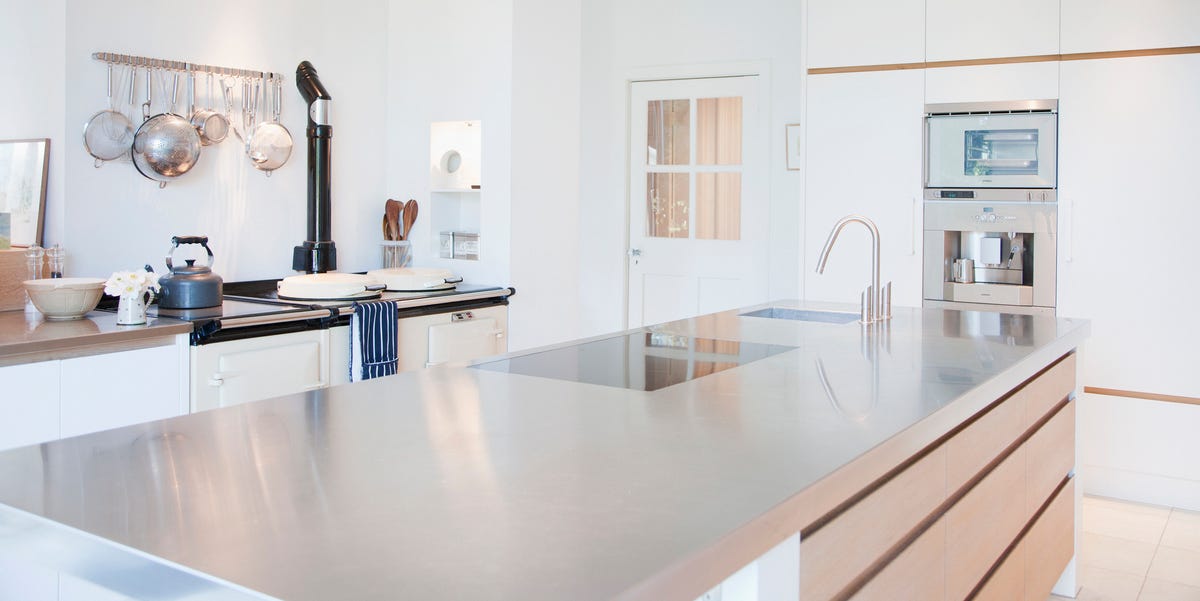
Stainless steel is the little black dress of the kitchen: sleek, timeless, and somehow covered in fingerprints five minutes after you admire it. Whether it is your refrigerator, sink, range hood, dishwasher, toaster, cookware, or faucet, stainless steel has a reputation for looking luxurious when clean and mildly dramatic when streaky. The good news? Learning how to clean stainless steel is not complicated. You do not need a cabinet full of mystery sprays, a professional cleaning badge, or the upper-body strength of a superhero.
The best stainless steel cleaning tips are surprisingly simple: use a soft microfiber cloth, clean with the grain, choose mild cleaners first, rinse away residue, and dry the surface immediately. The “dry immediately” part is where many people accidentally lose the battle. Water spots are not a personality flaw; they are usually minerals left behind after water evaporates. If you wipe and walk away, stainless steel may repay you with streaks. Rude? Yes. Preventable? Absolutely.
This in-depth guide explains how to clean stainless steel appliances, sinks, cookware, and fixtures without scratching, dulling, or turning your shiny kitchen into a science experiment. We will cover daily cleaning, deep cleaning, fingerprint removal, water stains, grease, rust spots, products to avoid, and practical experience-based tips that actually make the job easier.
Why Stainless Steel Gets Dirty So Easily
Despite the name, stainless steel is not stain-proof. It is stain-resistant. That tiny difference matters. Stainless steel contains chromium, which forms a thin protective layer on the surface. This layer helps resist corrosion, but it can still be damaged by harsh chemicals, scratches, salt, moisture, acidic residue, and neglected grime.
Most of the mess you see on stainless steel is surface-level: fingerprints, cooking grease, water droplets, soap film, dust, food splatter, and smudges. The surface often has a visible grain, which looks like fine lines running horizontally, vertically, or diagonally. Cleaning against that grain can leave streaks or push grime into the texture. Cleaning with the grain helps the surface look smoother and shinier.
The Best Way to Clean Stainless Steel Appliances
If your stainless steel refrigerator looks like it has been personally inspected by every hand in the house, start with the safest method first. In most cases, warm water, mild dish soap, and a microfiber cloth are enough.
What You Need
- Two or three clean microfiber cloths
- Warm water
- Mild dish soap
- A spray bottle, optional
- White vinegar, optional for water spots and grime
- Baking soda, optional for stubborn food residue
- Stainless steel cleaner or polish, optional
Step-by-Step Cleaning Method
- Find the grain. Look closely at the surface. The fine lines may run side to side, up and down, or at an angle.
- Dust first. Use a dry microfiber cloth to remove crumbs, dust, and loose debris. This reduces the risk of scratching.
- Clean with soap and water. Mix a few drops of mild dish soap into warm water. Dip a microfiber cloth into the solution and wring it out well.
- Wipe with the grain. Use long, even strokes. Do not scrub in circles unless you enjoy streaks with a side of regret.
- Rinse the residue. Wipe again with a clean damp cloth to remove soap film.
- Dry immediately. Buff with a dry microfiber cloth, still following the grain.
This method works for most stainless steel refrigerators, dishwashers, ovens, microwaves, trash cans, range hoods, and small appliances. It is gentle, inexpensive, and effective. It also avoids the classic cleaning mistake of using too much product. Stainless steel does not need to be marinated like barbecue. A little goes a long way.
How to Remove Fingerprints from Stainless Steel
Fingerprints are the unofficial decoration of stainless steel appliances. They appear quickly because skin oils cling to the surface and catch light. To remove them, start with a dry microfiber cloth. Sometimes buffing alone is enough, especially on lightly marked appliances.
If fingerprints are stubborn, use warm soapy water or a stainless steel cleaner designed for appliances. Wipe with the grain, rinse if needed, and dry completely. For a final shine, some people use a tiny amount of mineral oil on a clean cloth. The key word is tiny. Too much oil can leave a sticky film that attracts dust and more fingerprints, which is the cleaning equivalent of inviting the mess back for dinner.
How to Clean Stainless Steel with Vinegar Safely
White vinegar can help dissolve mineral deposits, water spots, and light grime. However, vinegar is acidic, so it should be used carefully. Do not let vinegar sit for a long time on stainless steel, and avoid using it on appliances with special fingerprint-resistant coatings unless the manufacturer says it is safe.
Vinegar Cleaning Method
- Mix equal parts white vinegar and water in a spray bottle.
- Spray the solution onto a microfiber cloth, not directly into seams, vents, buttons, or control panels.
- Wipe the surface with the grain.
- Follow with a clean damp cloth to remove vinegar residue.
- Dry immediately with a soft microfiber cloth.
Vinegar is especially useful on stainless steel sinks and faucets where hard water spots show up like tiny chalky souvenirs. Still, moderation matters. If soap and water solve the problem, use soap and water. Save vinegar for the moments when water spots refuse to behave.
How to Clean a Stainless Steel Sink
Stainless steel sinks work harder than almost anything in the kitchen. They deal with coffee, pasta water, fruit juice, pan drippings, toothpaste in some households, and the occasional spoon that nobody wants to claim. Because sinks are exposed to moisture, minerals, food acids, and salt, they need regular care.
Daily Sink Cleaning
After washing dishes, rinse the sink thoroughly and wipe it dry. This one-minute habit prevents water spots, dull film, and mineral buildup. If the sink looks greasy, use a drop of dish soap and a soft sponge or microfiber cloth. Rinse well, then dry.
Deep Cleaning a Stainless Steel Sink
For a deeper clean, sprinkle a small amount of baking soda over a damp sink. Use a soft sponge or cloth to gently rub with the grain. Baking soda is mildly abrasive, so pressure matters. Think gentle massage, not sanding a deck. Rinse thoroughly and dry. For hard water marks, wipe with diluted vinegar, rinse, and dry.
Never leave wet sponges, cast iron pans, metal cans, or salty food residue sitting in a stainless steel sink. These can lead to stains, discoloration, or rust-like marks. Stainless steel is tough, but it is not interested in soaking overnight with yesterday’s pickle juice.
How to Remove Grease from Stainless Steel
Grease often builds up on range hoods, backsplashes, oven doors, and the front of microwaves. The best grease cleaner for stainless steel is usually mild dish soap because it is designed to break down oils.
- Mix warm water with a few drops of dish soap.
- Apply with a microfiber cloth.
- Let the cloth sit on greasy areas for a few seconds to loosen residue.
- Wipe with the grain.
- Rinse with a clean damp cloth.
- Dry and buff.
For baked-on grease near a stove, make a paste with baking soda and water or baking soda and a tiny drop of dish soap. Apply gently, let it sit briefly, then wipe with the grain using a soft cloth. Rinse completely. Any leftover baking soda can dry into a white film, which makes the surface look worse even though it is technically cleaner. Cleaning irony is real.
How to Remove Water Spots and Streaks
Water spots happen when minerals in water remain after the water evaporates. Streaks often come from too much cleaner, dirty cloths, wiping against the grain, or skipping the drying step. To fix both problems, reset the surface.
Streak-Free Reset Method
- Wipe the surface with warm water and a clean microfiber cloth.
- Use a tiny amount of dish soap if there is greasy buildup.
- Rinse with a separate damp cloth.
- Dry immediately with a fresh microfiber cloth.
- Buff with the grain until the surface looks even.
If streaks remain, your cloth may be the problem. Fabric softener residue, old cleaner, or trapped grease in microfiber can smear stainless steel. Wash microfiber cloths separately, avoid fabric softener, and keep a few cloths reserved just for shiny surfaces.
Products You Should Not Use on Stainless Steel
The fastest way to ruin stainless steel is to clean it like a grill grate. Avoid anything that scratches, corrodes, strips coatings, or leaves heavy residue.
Avoid These Cleaning Mistakes
- Steel wool: It can scratch the finish and leave tiny particles that rust.
- Abrasive scouring pads: They may dull the surface and create visible scratch patterns.
- Bleach or chlorine cleaners: These can damage the protective layer and cause discoloration or pitting.
- Harsh powders: Gritty cleaners can scratch polished surfaces.
- Ammonia-based glass cleaners: They may streak or damage certain finishes.
- Too much oil: Oil can polish, but excess oil becomes sticky and attracts dust.
- Undiluted acids left too long: Vinegar or lemon juice can cause problems if overused or not rinsed.
Also, do not spray cleaners directly into appliance seams, electronic panels, display screens, vents, or buttons. Spray the cloth instead. Your refrigerator does not need a facial mist.
How Often Should You Clean Stainless Steel?
The cleaning schedule depends on how often the surface is touched or used. A refrigerator door in a busy household may need a quick wipe every few days. A stainless steel sink should be rinsed and dried daily. A range hood may need weekly degreasing if you cook often. Cookware should be cleaned after each use.
Simple Maintenance Schedule
- Daily: Wipe sinks, faucets, and high-touch handles.
- Weekly: Clean appliance fronts with mild soap and water.
- Monthly: Deep clean range hoods, backsplashes, and stubborn spots.
- As needed: Treat water stains, rust marks, and fingerprints before they build up.
The secret is consistency. Stainless steel is much easier to maintain when you remove light smudges early instead of waiting until the appliance looks like it has survived a toddler birthday party and a frying-pan incident.
Cleaning Fingerprint-Resistant Stainless Steel
Many modern appliances have fingerprint-resistant or smudge-proof coatings. These finishes can be easier to maintain, but they may also be more sensitive to harsh cleaners, vinegar, oils, or abrasive tools. Always check the appliance manual when possible.
For coated stainless steel, use a soft cloth with warm water and mild dish soap. Avoid stainless steel polish unless the manufacturer recommends it. Polish can build up on coated surfaces and create cloudy patches. Dry with a clean microfiber cloth for the best finish.
How to Polish Stainless Steel Without Overdoing It
Polishing is not the same as cleaning. Cleaning removes grime. Polishing improves shine and may help reduce visible fingerprints. Before polishing, always clean the surface first. Otherwise, you may trap grease under a shiny layer and create a streaky masterpiece nobody asked for.
If you choose to polish, use a stainless steel polish or a tiny drop of mineral oil on a microfiber cloth. Apply lightly with the grain, then buff with a dry cloth. Do not use oil on floors, handles that become slippery, control panels, or surfaces where residue could transfer to food.
Stainless Steel Cookware Cleaning Tips
Stainless steel cookware can handle more cleaning power than appliance fronts, but it still deserves care. For everyday cleaning, use hot water, dish soap, and a non-scratch sponge. For stuck-on food, add water to the pan and simmer it for a few minutes to loosen residue. Let it cool slightly, then wash.
For discoloration or rainbow stains, a stainless steel cleaner designed for cookware can help. Baking soda paste can also lift stubborn spots. Always rinse cookware thoroughly after using any cleaner. Nobody wants a side of cleaning residue with their scrambled eggs.
Quick Troubleshooting Guide
Problem: The Surface Looks Cloudy
Possible cause: Cleaner buildup, oil residue, or hard water film. Clean with warm soapy water, rinse, and dry thoroughly.
Problem: Fingerprints Return Immediately
Possible cause: The surface still has grease or too much polish. Reset with dish soap and water, then use only a tiny amount of polish if needed.
Problem: There Are Rust-Like Spots
Possible cause: Iron particles, steel wool residue, salt, or prolonged moisture. Use a stainless steel-safe cleaner or a gentle baking soda paste. Rinse and dry completely.
Problem: Scratches Are Visible
Possible cause: Abrasive pads, gritty cleaners, or wiping against the grain. Light scratches may be reduced with a stainless steel scratch-removal product, but deep scratches may be permanent.
of Real-World Experience: What Actually Works Best
After cleaning stainless steel many different ways, the biggest lesson is this: the cloth matters more than the cleaner. A clean microfiber cloth can make a basic soap-and-water wipe look professional. A dirty cloth can turn an expensive stainless steel cleaner into a streaky disaster. When people say, “This cleaner does not work,” the real culprit is often a cloth that still has laundry softener, grease, or old polish trapped in it.
The second lesson is that stainless steel rewards patience, not pressure. Pressing harder does not make the surface shinier. It usually just increases the risk of scratches. Slow, even strokes with the grain work better than frantic scrubbing. When cleaning a refrigerator door, I like to start at the top and work downward in sections. This prevents drips from traveling across areas that are already clean. It also makes the job feel less chaotic, which is important when your appliance is reflecting your tired face back at you like a judgmental mirror.
For daily maintenance, warm water and a dry buff are often enough. If the appliance has only fingerprints, I try a dry microfiber cloth first. If that fails, I use a damp cloth with a tiny drop of dish soap. The word tiny is doing heavy lifting here. Too much soap creates residue, and residue creates streaks. A single drop in a bowl of warm water is usually plenty for a refrigerator door or dishwasher front.
For stainless steel sinks, the habit that makes the biggest difference is drying after use. It sounds almost too simple, but it prevents most water spots. Keeping a small towel near the sink helps. After the final rinse of the evening, wipe the basin, faucet, and edges dry. It takes less than a minute and makes the sink look newly cleaned in the morning. This is especially helpful in homes with hard water, where droplets dry into little mineral polka dots.
Baking soda is helpful, but only when used gently. It works well for sink grime, light discoloration, and stuck-on residue around drains. However, it should not be treated like sandpaper. Use a soft sponge, rub with the grain, and rinse thoroughly. If baking soda remains in the brushed lines of the steel, the sink can look cloudy until you rinse again.
Vinegar is useful, but it is not an all-purpose stainless steel miracle. I prefer diluted vinegar for water spots on sinks and faucets, then I rinse and dry. I avoid letting vinegar sit on appliance fronts, especially newer fingerprint-resistant finishes. When in doubt, the safest method is still mild soap, water, microfiber, and drying.
The final experience-based tip is to clean stainless steel in good lighting. Streaks hide in dim light and reveal themselves later, usually when guests arrive. Turn on the kitchen lights, step to the side, and look at the surface from an angle. Stainless steel reflects differently depending on where you stand. A quick final buff from a dry cloth often removes the last faint streaks and gives the surface that showroom shine.
Conclusion
Cleaning stainless steel does not require complicated chemistry or expensive tools. The best approach is simple: identify the grain, clean gently, rinse residue, and dry immediately. Use mild dish soap and warm water for everyday cleaning, diluted vinegar for occasional water spots, baking soda paste for stubborn sink grime, and stainless steel polish sparingly when you want extra shine. Avoid bleach, steel wool, abrasive pads, harsh powders, and heavy oils.
Once you build a small routine, stainless steel becomes much easier to maintain. A quick wipe today prevents a major cleaning session tomorrow. And if your refrigerator still collects fingerprints within minutes, congratulations: your kitchen is being used, your snacks are popular, and your stainless steel is simply living its shiny little life.
Note: This article was written for web publication and synthesizes practical stainless steel care guidance commonly recommended by appliance manufacturers, cleaning organizations, and home-care experts. Always check your appliance manual for finish-specific instructions, especially for fingerprint-resistant coatings.














