
Creating an online forum sounds like something only a hoodie-wearing developer can do while drinking cold coffee at 2 a.m. Good news: you do not need to be that person. A forum is simply a structured online community where people can ask questions, share advice, debate ideas, post resources, and return later to find useful conversations again. Unlike a fast-moving social media feed, a forum builds a searchable knowledge base over time. That is why forums still matter for brands, bloggers, educators, hobby groups, product communities, and niche websites.
In this beginner-friendly tutorial, you will learn how to create a forum online from scratch, choose the right forum software, organize your categories, set up moderation, protect your community from spam, and grow your first members without sounding like a robot with a marketing degree.
What Is an Online Forum?
An online forum is a website or section of a website where users can create topics, reply to discussions, follow categories, search old answers, and build relationships around shared interests. Think of it as a digital clubhouse with better filing cabinets. A Discord server is great for live chat, but a forum is better when you want organized, long-lasting discussions that search engines and future members can actually find.
Forums can be public, private, or a mix of both. A public forum may help your website rank for long-tail questions, while a private forum may work better for paid memberships, internal support, online courses, or customer communities.
Step 1: Choose a Clear Forum Purpose
Before installing anything, define why your forum should exist. A vague forum is like an empty gym in January after week three: technically open, but nobody knows what to do there. Your forum needs a clear promise.
Ask These Questions First
- Who is the forum for?
- What problem will members solve there?
- What topics are allowed?
- What topics are off-limits?
- Will the forum be public, private, or partly restricted?
For example, instead of creating a general “technology forum,” you could create “a beginner-friendly forum for WordPress site owners who need help with plugins, themes, security, and SEO.” That is much easier to understand, easier to promote, and easier to moderate.
Step 2: Pick the Best Forum Platform
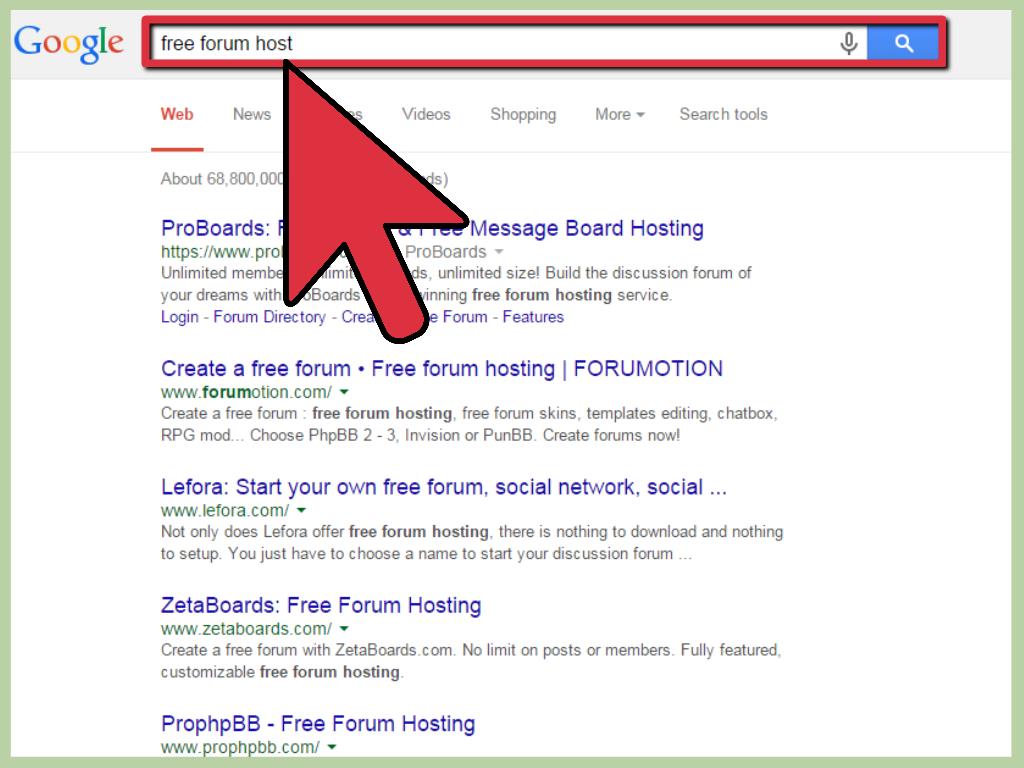
The best forum software depends on your budget, technical comfort, website setup, and community goals. Beginners usually choose between hosted platforms, WordPress forum plugins, or self-hosted forum software.
Option 1: WordPress with bbPress
If you already run a WordPress website, bbPress is one of the simplest ways to add a discussion board. It integrates with WordPress users, themes, and plugins, which makes it beginner-friendly. It is a good choice for bloggers, small businesses, course creators, and content websites that want a lightweight community area.
Option 2: Discourse
Discourse is a modern community platform built for structured discussion, notifications, moderation, trust levels, and long-term knowledge sharing. It is powerful, clean, and scalable. It may require more setup if self-hosted, but managed hosting can make the process easier.
Option 3: phpBB
phpBB is a classic open-source forum platform. It is highly customizable and has been used by many communities for years. If you want traditional forum structure, permissions, subforums, extensions, and full control, phpBB is worth considering.
Option 4: Flarum
Flarum is a modern open-source forum framework with a clean interface and extension-based features. It can be a good fit for people who want a lightweight, stylish forum and are comfortable with a little technical setup.
Option 5: Premium Forum Software
Platforms such as XenForo and vBulletin offer commercial forum solutions with polished user experiences, support options, and community-management tools. These are often better for serious communities, established brands, or website owners who want professional-grade features without stitching everything together themselves.
Step 3: Get a Domain Name and Web Hosting
If your forum is part of an existing website, you can place it in a subfolder such as example.com/forum or a subdomain such as forum.example.com. A subfolder can be helpful when the forum supports your main website’s SEO strategy. A subdomain can be useful when the forum is large, separate, or technically easier to manage on different software.
For hosting, choose based on the forum platform. WordPress and bbPress can run on many standard web hosts. phpBB and Flarum usually need PHP and a database. Discourse often works best on a virtual private server or managed hosting. Do not buy the cheapest hosting available just because it costs less than a sandwich. Slow forums annoy users, and annoyed users do not create thoughtful posts. They leave, possibly while sighing dramatically.
Step 4: Install Your Forum Software
The installation process depends on your platform, but the basic flow is similar. You create a database, upload or install the software, connect your domain, create an administrator account, and configure your first settings.
Basic Installation Checklist
- Choose your forum platform.
- Set up hosting that meets the software requirements.
- Connect your domain or subdomain.
- Install SSL so your forum uses HTTPS.
- Create your admin account with a strong password.
- Configure email delivery for registrations and notifications.
- Test user registration, posting, replies, and password reset.
Email setup is easy to forget, but it matters. If confirmation emails, password resets, and notification emails do not arrive, your forum will feel broken before it even gets its first “hello” post.
Step 5: Create Smart Forum Categories
Forum categories are the rooms in your digital clubhouse. Too few categories make everything messy. Too many categories make your forum look abandoned because each section has only one lonely post waving from the corner.
Beginner-Friendly Category Structure
- Announcements: updates from administrators or moderators.
- Introductions: a place for new members to say hello.
- Questions and Help: the main support area.
- Tips and Resources: useful guides, links, and recommendations.
- General Discussion: casual but relevant conversations.
- Feedback: suggestions about the forum or website.
Start small. You can always add new categories later when members naturally create demand. A clean forum structure helps users post in the right place and helps search engines understand your content.
Step 6: Write Community Rules Before You Need Them
Community rules are not there to scare people. They are there to prevent chaos from arriving wearing sunglasses and eating chips on your carpet. Good rules make members feel safe, respected, and confident about participating.
Useful Rules to Include
- Be respectful, even when disagreeing.
- No spam, scams, or irrelevant promotions.
- Do not post private information about yourself or others.
- Use clear titles when asking questions.
- Search before posting duplicate questions.
- Follow copyright rules when sharing content.
- Report problems instead of starting public arguments.
Keep your rules short enough that people might actually read them. A 40-page rulebook belongs in a government office, not a beginner community forum.
Step 7: Set Up Moderation and Spam Protection
Every public forum attracts spam eventually. It is not personal. Spammers are like digital raccoons: if there is an opening, they will find it. Strong moderation protects your members and your search visibility.
Important Anti-Spam Settings
- Require email verification for new accounts.
- Use CAPTCHA or bot protection during registration.
- Manually approve first posts from new members.
- Limit links for brand-new accounts.
- Block repeated spam keywords when necessary.
- Give trusted members more posting privileges over time.
- Use nofollow or user-generated-content link attributes where appropriate.
Moderation should be firm but fair. Remove spam quickly, explain rule violations clearly, and avoid public moderator drama. Nothing ruins a community faster than moderators arguing like reality-show contestants.
Step 8: Design the Forum for Real Humans
Your forum design does not need fireworks, spinning logos, or a homepage that looks like a spaceship control panel. It needs clarity. Members should understand where to post, how to reply, how to search, and how to update their profiles.
Simple Design Tips
- Use a readable font size.
- Make buttons obvious.
- Keep navigation simple.
- Use mobile-friendly layouts.
- Make search easy to find.
- Add a welcoming message for new members.
- Avoid too many pop-ups, badges, or distractions.
Mobile experience is especially important. Many users will browse, reply, and read notifications from their phones. If posting from a phone feels like solving a puzzle in a moving car, members will not stick around.
Step 9: Optimize Your Forum for SEO
A forum can become an SEO asset because members naturally create long-tail content. People ask specific questions, other people answer them, and search engines may discover helpful discussions. However, forums also need careful SEO hygiene because user-generated content can become messy.
Forum SEO Best Practices
- Use descriptive category names.
- Encourage clear topic titles.
- Avoid thin, duplicate, or empty pages being indexed.
- Create helpful pinned posts and beginner guides.
- Use internal links from your main website to important forum discussions.
- Moderate spammy links and low-quality posts.
- Make sure your forum loads quickly.
- Submit an XML sitemap when your platform supports it.
Instead of titles like “Help please,” encourage users to write titles like “How do I fix a WordPress plugin conflict after updating?” The second title is better for members, moderators, and search engines. Specific beats mysterious every time, unless you are writing a detective novel.
Step 10: Create Your First Posts Before Launch
Never launch an empty forum. An empty forum feels like walking into a restaurant where the lights are on, but nobody is there and one chair is upside down. Add starter content before inviting people.
Starter Posts to Publish
- A welcome post explaining the purpose of the forum.
- A “Start Here” guide for new members.
- A rules and guidelines post.
- Five to ten useful questions with detailed answers.
- A resource list related to your niche.
- An introduction thread from the founder or team.
Seed conversations that match the behavior you want. If you want thoughtful questions, publish thoughtful questions. If you want helpful replies, model helpful replies. A community often copies the tone set by its earliest posts.
Step 11: Invite Your First Members
Your first members matter more than your first thousand. Early members shape the culture. Invite people who are curious, respectful, and likely to contribute. Do not start by begging random strangers to “join my forum please.” That approach has the charm of a flyer stuck under a windshield wiper.
Good Places to Find Early Members
- Your email newsletter.
- Your blog readers.
- Your customers or students.
- Your YouTube, Facebook, LinkedIn, or X audience.
- People who already ask you questions by email.
- Small partner communities where promotion is allowed.
Give early members a reason to join. Offer direct access to expert answers, exclusive resources, beta feedback, private discussions, or recognition as founding members. People join communities when they see value, not because another login screen improves their day.
Step 12: Keep the Community Active
Launching the forum is the easy part. Keeping it alive requires rhythm. You need regular prompts, useful replies, and visible leadership. A forum does not grow because software exists. It grows because people feel noticed.
Simple Engagement Ideas
- Post a weekly question.
- Feature the best answer of the week.
- Create monthly challenges.
- Ask members to share wins and lessons learned.
- Turn common questions into pinned guides.
- Thank helpful members publicly.
- Invite experts for scheduled Q&A threads.
Reply quickly in the beginning. If a new member posts and hears crickets, they may never return. A fast, helpful first response teaches people that the forum is alive and worth visiting again.
Step 13: Track What Works
You do not need a giant analytics dashboard worthy of mission control. Start with a few simple metrics. Track new registrations, active members, new topics, replies, unanswered questions, search traffic, and popular discussions.
Pay special attention to unanswered posts. A forum with many unanswered questions feels neglected. Create a routine where moderators or trusted members review new questions daily or weekly. If the same question keeps appearing, turn it into a pinned guide or FAQ page.
Common Beginner Mistakes to Avoid
Many new forum owners make the same mistakes. They create too many categories, launch without starter content, ignore spam settings, forget mobile users, and expect members to magically appear because the forum technically exists. Sadly, “build it and they will come” is not a marketing strategy. It is a movie line with excellent confidence.
Avoid These Forum-Killers
- Opening 30 categories on day one.
- Allowing anonymous spam posts.
- Using unclear topic titles.
- Ignoring new member introductions.
- Letting toxic behavior slide.
- Choosing software that is too complex for your skill level.
- Forgetting backups and security updates.
Start lean, stay consistent, and improve as your community grows. A small active forum is much more valuable than a huge empty one with tumbleweeds and three spam posts about sunglasses.
Security, Privacy, and Legal Basics
When you create a forum online, you are handling user accounts, email addresses, posts, and sometimes private messages. Take privacy seriously from the beginning. Use HTTPS, require strong passwords, update your software, limit administrator access, and create regular backups.
Publish a privacy policy and terms of use. If your community may attract children or collect information from users under 13 in the United States, review children’s privacy requirements carefully and consider professional legal advice. For most beginner forums, the safest approach is to avoid collecting unnecessary personal information and to keep registration simple.
Security is not exciting until something breaks. Then it becomes extremely exciting in the worst possible way. Backups, updates, and account protection are boring in the same way seat belts are boring: boring is the point.
Beginner Forum Launch Checklist
- Define your audience and purpose.
- Choose the right forum software.
- Set up reliable hosting and HTTPS.
- Create essential categories only.
- Write clear community rules.
- Enable spam protection and moderation tools.
- Customize the design for readability.
- Publish starter posts before launch.
- Invite a small group of quality first members.
- Reply quickly and encourage helpful discussions.
- Track activity and improve based on real behavior.
Real-World Experience: What Creating a Forum Actually Feels Like
Creating a forum online is not just a technical project. It is a people project wearing a technical hat. The installation may take an afternoon, but the community-building part takes patience, consistency, and a surprisingly high tolerance for questions that have already been answered twice.
One practical lesson is that your first forum structure will probably not be perfect. That is normal. Many beginners spend days planning categories, permissions, badges, and colors before anyone has posted a single message. A better approach is to build a simple version, invite a small group, and watch how people actually use it. Real users will show you what matters. They will post in the wrong category, ask unexpected questions, ignore features you loved, and use one tiny corner of the forum more than everything else combined. This is valuable information, not failure.
Another experience worth knowing: early momentum depends heavily on your personal involvement. In the beginning, you may need to answer most questions, welcome every new member, and start discussions yourself. That can feel awkward, but it works. A new forum is like a campfire. You cannot toss one match at a pile of logs and walk away proudly. You need to tend it until the fire catches.
It also helps to create repeatable rituals. A weekly “Ask Anything” thread, monthly resource roundup, or member spotlight gives people a reason to return. Communities grow through habits. When members know something interesting happens every Friday, they are more likely to check in. Without rhythm, the forum becomes “that site I joined once and forgot about,” which is not exactly the dream.
Moderation is another area where experience teaches quickly. You do not need to be harsh, but you do need to be present. If spam sits for days, members assume nobody is watching. If rude replies are ignored, polite members leave quietly. The loudest people are not always the most valuable people. Protect the helpful majority, even if the troublesome minority complains dramatically.
Finally, remember that forums grow slowly at first. That is not a problem. A forum with 50 engaged members can be more useful than a social page with 10,000 passive followers. The goal is not just traffic. The goal is trust, useful discussion, and a growing archive of answers that helps people long after the original conversation ends.
Conclusion
Learning how to create a forum online is easier than most beginners expect, but building a successful forum requires more than installing software. You need a clear purpose, the right platform, simple categories, strong moderation, smart SEO, useful starter content, and consistent community care. Start small, keep the experience friendly, and focus on helping real people have useful conversations. If you do that, your forum can become more than a message board. It can become a living knowledge base, a support hub, and a place people actually want to visit again.












