Finding a great housekeeper can feel a little like dating, except instead of asking, “Do you like long walks on the beach?” you are asking, “How do you feel about baseboards, laundry, and the mysterious sticky spot under the dining table?” The right housekeeper can make your home calmer, cleaner, and easier to manage. The wrong fit can leave you frustrated, overpaying, or silently wondering whether dust bunnies are legally considered pets.
The good news is that learning how to find a housekeeper is not complicated when you approach it like a smart hiring decision. You need a clear job description, a realistic budget, a safe screening process, and a written agreement that explains what will be done, when it will be done, and how everyone will communicate. Whether you want weekly housekeeping services, a part-time household helper, or a professional cleaning service for deep cleans, the goal is the same: find someone reliable, trustworthy, skilled, and compatible with your home’s rhythm.
This guide walks you through the process step by step, from deciding what you actually need to interviewing candidates, checking references, setting expectations, and building a long-term working relationship that does not require awkward kitchen-counter negotiations every Friday.
What Does a Housekeeper Actually Do?
Before you hire a housekeeper, define the role carefully. A housekeeper is not always the same as a house cleaner. A house cleaner usually focuses on cleaning tasks such as vacuuming, mopping, dusting, scrubbing bathrooms, and wiping down kitchen surfaces. A housekeeper may provide broader, ongoing household support, including laundry, changing linens, light organizing, dishwashing, errands, restocking supplies, and keeping the home running smoothly.
Think of it this way: a cleaner attacks grime; a housekeeper helps maintain order. Both are valuable. Your job is to decide which one you need before you start searching. If you only need someone to clean bathrooms and floors twice a month, a cleaning company or independent cleaner may be perfect. If you need laundry folded, beds changed, pantry items organized, and the house reset every week, you are probably looking for a housekeeper.
Step 1: Make a Clear Housekeeping Task List
The fastest way to hire the wrong person is to start with the sentence, “I just need help around the house.” That phrase is a fog machine. It sounds simple, but it can mean anything from “please vacuum” to “please restore this home after three children, two dogs, and one glitter project.”
Create a room-by-room housekeeping checklist before contacting candidates. Divide tasks into categories such as kitchen, bathrooms, bedrooms, living areas, laundry, floors, and special projects. For example, your kitchen list might include wiping counters, cleaning appliance exteriors, loading or unloading the dishwasher, taking out trash, and mopping. Your bathroom list might include sinks, mirrors, toilets, showers, tubs, floors, and trash removal.
Separate Routine Tasks From Deep Cleaning
Routine housekeeping may include dusting, vacuuming, wiping surfaces, changing sheets, and light tidying. Deep cleaning often includes inside ovens, interior windows, baseboards, grout, ceiling fans, cabinet fronts, and move-in or move-out cleaning. Do not assume deep cleaning is included in a normal visit. That is how innocent people end up arguing about oven racks.
Write down what matters most. If you care deeply about streak-free mirrors but do not care if decorative pillows are karate-chopped into hotel shapes, say so. A good housekeeper is not a mind reader, although the best ones sometimes seem suspiciously close.
Step 2: Decide Whether to Hire an Independent Housekeeper or a Cleaning Company
One of the biggest decisions is whether to hire an independent housekeeper or use a professional cleaning service. Both options can work beautifully, but they come with different responsibilities.
Independent Housekeeper
An independent housekeeper may offer more flexibility, a more personal relationship, and lower hourly rates in some areas. You can often customize the work more easily, especially if you need laundry, organizing, or household upkeep beyond standard cleaning. However, you may also be responsible for more screening, scheduling, backup coverage, insurance questions, and possible household employment tax obligations if the person qualifies as your employee.
Professional Cleaning Service
A cleaning company may cost more, but it often provides trained teams, scheduling systems, insurance coverage, replacement cleaners when someone is unavailable, and a standard cleaning checklist. This can be helpful if you want reliability and less administrative responsibility. The tradeoff is that companies may have less flexibility about non-cleaning tasks such as laundry, errands, dishes, or organizing.
If your home needs regular cleaning only, a company may be the easiest choice. If your home needs ongoing household help, an individual housekeeper may be a better fit. The right answer depends on your schedule, comfort level, budget, and how customized the work needs to be.
Step 3: Set a Realistic Budget
Housekeeping costs vary widely across the United States. Location, home size, cleaning frequency, level of clutter, number of bathrooms, pets, supplies, and whether you hire an independent worker or company all affect the price. A small apartment with biweekly cleaning will cost far less than a large home needing deep cleaning, laundry, and weekly maintenance.
Many residential cleaning services price by the hour, by the visit, or by square footage. Recurring cleanings are often cheaper per visit than one-time deep cleans because the home becomes easier to maintain. Deep cleaning, move-out cleaning, post-renovation cleaning, and homes with heavy pet hair usually cost more. That pet hair is not cleaning; it is archaeology.
Questions That Affect Price
Before requesting estimates, know your home’s approximate square footage, number of bedrooms and bathrooms, preferred frequency, and special needs. Mention pets, allergies, delicate surfaces, stairs, parking issues, and whether supplies are provided. If you need eco-friendly products, fragrance-free cleaning, or special care for stone countertops or hardwood floors, say so early.
Get at least three estimates when possible. Do not automatically choose the cheapest option. A suspiciously low price may mean rushed work, no insurance, poor communication, or surprise fees later. A fair price should reflect skill, time, reliability, and the real work required.
Step 4: Search in the Right Places
Start with trusted referrals. Ask neighbors, family members, local parent groups, community forums, coworkers, and building managers. A personal recommendation is powerful because it comes with real-world context: punctuality, consistency, attitude, and whether the person remembers to clean behind the coffee maker, where crumbs apparently hold secret meetings.
You can also search through housekeeper platforms, local cleaning companies, neighborhood apps, business directories, and review sites. Look for consistent reviews, clear service descriptions, professional communication, and transparent policies. A few negative reviews are not always a dealbreaker, but repeated complaints about missed appointments, broken items, billing confusion, or poor customer service should raise eyebrows.
Watch for Green Flags
Strong candidates usually communicate clearly, ask detailed questions, provide references, explain their process, and show interest in your priorities. They can describe what is included in a standard visit and what costs extra. They are also honest about availability and limits. A professional who says, “I do not clean chandeliers or lift heavy furniture,” is not being difficult. They are helping you avoid confusion.
Watch for Red Flags
Be careful with candidates who refuse references, avoid basic questions, demand large upfront cash payments, have no clear pricing, or promise unrealistically fast work. Also be cautious if someone dismisses safety concerns, refuses to discuss supplies, or cannot explain what happens if something breaks. Trust your instincts, but support those instincts with proper screening.
Step 5: Interview Housekeeper Candidates Carefully
A housekeeper may work inside your private home, sometimes when you are not there. That makes the interview important. Keep the conversation friendly, respectful, and job-focused. Ask the same core questions to each candidate so you can compare fairly.
Smart Housekeeper Interview Questions
Ask about experience with homes similar to yours, preferred cleaning products, availability, typical routine, deep cleaning rates, laundry services, pet comfort, cancellation policies, and how they handle feedback. You can also ask what tasks they do not perform. This question is underrated. It is much better to learn upfront that they do not clean interior ovens than to discover it after you have mentally scheduled a lasagna renaissance.
Good questions include: “What is included in a standard visit?” “Do you bring supplies and equipment?” “How do you protect delicate surfaces?” “Can you provide references?” “Are you insured or bonded?” “How do you handle keys or entry codes?” “What happens if you are sick or unavailable?” “How do you prefer to receive instructions?”
Questions to Avoid
Keep questions related to the job. Avoid asking about protected personal characteristics such as religion, race, national origin, age, disability, marital status, or family plans. Instead of asking personal questions, focus on availability, ability to perform the tasks, work experience, and schedule requirements.
Step 6: Check References and Background Information
References matter. Ask for at least two or three recent clients or employers, then actually contact them. Many people ask for references and then never call, which is like buying a smoke alarm and leaving it in the box.
Ask references whether the housekeeper was punctual, thorough, trustworthy, respectful, and consistent. Ask how long they worked together, what tasks were performed, whether communication was easy, and whether they would hire the person again. Listen for specifics. “She is great” is nice. “She cleaned our home weekly for two years, handled laundry, was always on time, and texted if supplies were low” is much more useful.
If you use a background check service, follow applicable rules. In many hiring situations, background reports are considered consumer reports, and employers may need proper disclosure and permission. Rules can vary, so when in doubt, use a reputable service or ask a qualified professional for guidance.
Step 7: Discuss Insurance, Supplies, and Safety
Insurance is not the most glamorous part of hiring a housekeeper, but neither is discovering that a broken antique lamp has become a legal and emotional group project. If you hire a cleaning company, ask whether it carries general liability insurance and workers’ compensation where required. If you hire an independent housekeeper, ask whether they carry liability coverage and whether your homeowner’s or renter’s policy offers any protection for household workers.
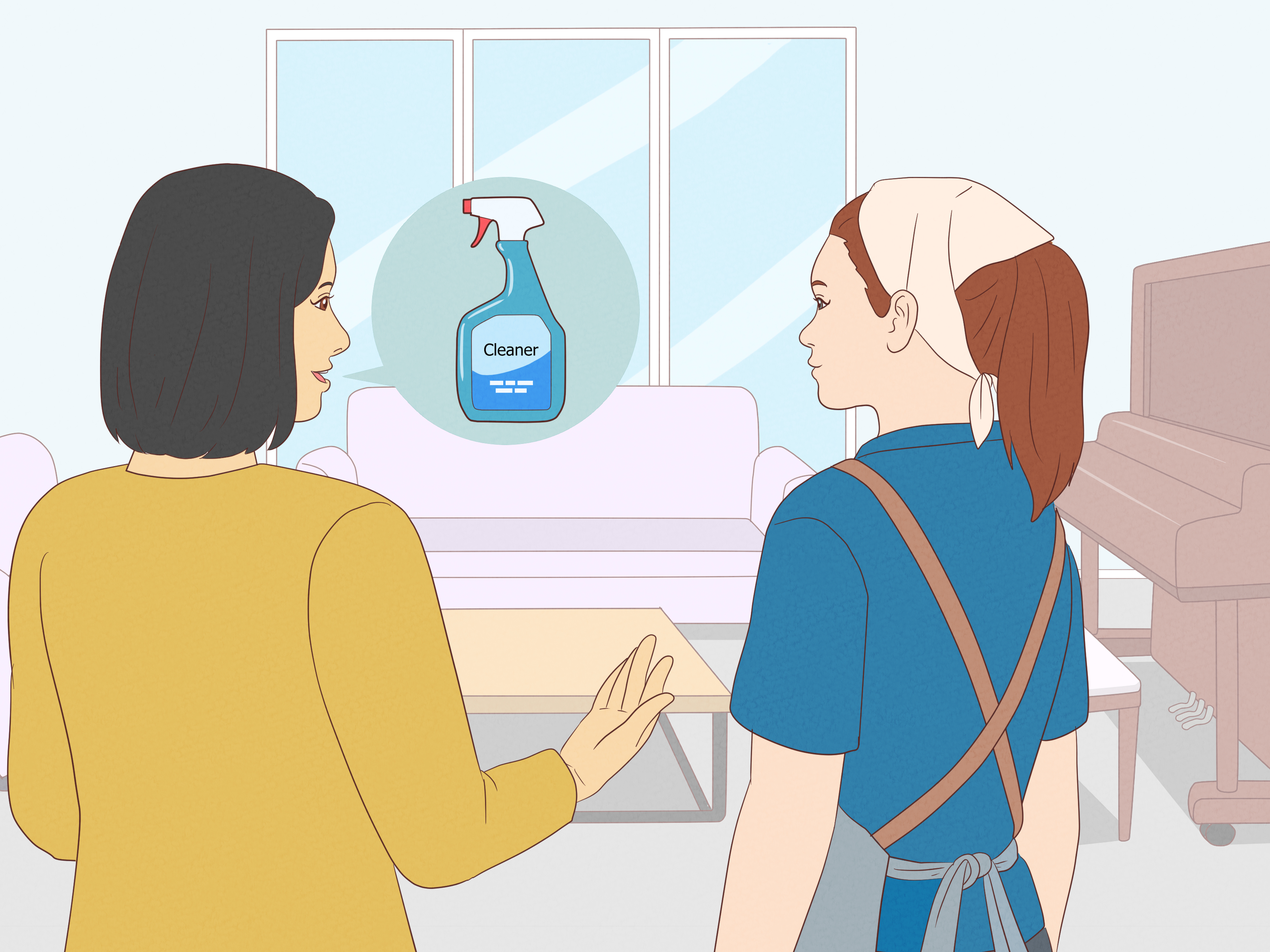
Clarify who provides supplies. Some housekeepers bring their own products and equipment. Others use what you provide. If you have allergies, pets, children, sensitive flooring, natural stone, or strong preferences about scents, write that down. Never assume one all-purpose spray is safe for every surface. Marble, wood, stainless steel, and glass all have opinions, and some of those opinions are expensive.
Step 8: Understand Household Employee Responsibilities
If you hire a person directly and control not only what work is done but also how it is done, that worker may be considered a household employee under federal tax rules. This can apply whether the work is full-time or part-time and whether the person was found through an agency or referral list. Household employment may involve payroll taxes, wage rules, overtime rules, and state requirements.
This does not mean you should panic and start reading tax forms by candlelight. It simply means you should understand the difference between hiring a company, hiring an independent contractor, and employing a household worker directly. If you plan to hire someone regularly for ongoing work, especially for many hours per week, it is smart to review IRS and Department of Labor guidance or speak with a payroll or tax professional.
Step 9: Put the Agreement in Writing
A written agreement protects both you and the housekeeper. It does not need to sound like it was drafted by a wizard in a courthouse basement. It just needs to be clear.
Include the work schedule, hourly or flat rate, payment method, cancellation policy, supplies, entry instructions, parking information, pet instructions, task list, tasks not included, trial period, holiday expectations, confidentiality, and how feedback will be handled. If laundry is included, specify whether that means washing and drying only, folding, ironing, putting clothes away, changing linens, or handling delicate garments.
Also note how special requests will be priced. For example, cleaning the refrigerator interior, organizing closets, washing interior windows, or cleaning after a party may require extra time and extra pay. Clear terms prevent the classic household drama known as “I thought that was included.”
Step 10: Start With a Paid Trial Clean
A trial clean is one of the smartest ways to evaluate fit. Pay the housekeeper fairly for the trial and treat it like a real working visit. Before they arrive, provide your checklist, priorities, parking instructions, entry details, and any product restrictions. After the visit, inspect the results respectfully and promptly.
Look beyond whether the house is clean. Was communication smooth? Did they arrive on time? Did they ask good questions? Were they careful with belongings? Did they follow instructions? Did the work match the time spent? A slightly imperfect first clean is not always a problem, especially if your home needed extra attention. What matters is whether the person responds well to feedback and improves.
How to Keep a Great Housekeeper Once You Find One
Finding a reliable housekeeper is only half the victory. Keeping one requires respect, consistency, and communication. Pay on time. Give reasonable notice for schedule changes. Do not add surprise tasks without asking and adjusting pay. Provide working supplies if that is part of your agreement. Keep pets controlled if needed. Make the home reasonably accessible before cleaning day.
Good housekeepers are professionals, not magical cleaning sprites who thrive on chaos and vague instructions. If you want the bed linens changed, leave clean sheets where they can be found. If you want the kitchen counters cleaned, try not to bury them under mail, lunch boxes, and one lonely banana that has seen better centuries.
Offer feedback kindly and specifically. Instead of saying, “The bathroom was not good,” say, “Could you spend extra time on the shower glass next visit?” Positive feedback matters too. If something looks great, say so. A respectful working relationship makes people more motivated, more loyal, and more likely to care about the details of your home.
Common Mistakes to Avoid When Hiring a Housekeeper
Hiring Without a Task List
If you do not define the job, every visit becomes a guessing game. Create a checklist before the first estimate.
Choosing Based Only on Price
A low rate is tempting, but reliability, trust, experience, and insurance matter. Cheap can become expensive if work is careless or inconsistent.
Skipping Reference Checks
References are one of the easiest ways to confirm trustworthiness and performance. Call them.
Expecting Deep Cleaning at Standard Cleaning Prices
Deep cleaning takes more time and effort. If you want baseboards, blinds, ovens, and grout cleaned, ask for a deep-clean quote.
Not Discussing Pets
Pets can affect cleaning time, safety, and supplies. Tell candidates about animals in the home before hiring.
Giving Vague Feedback
Housekeepers can fix specific issues. They cannot fix “something feels off” unless you explain what you mean.
Experience-Based Tips: What Real Housekeeper Searches Teach You
After looking at how people actually hire housekeepers, one lesson stands out: the search gets easier when you stop thinking of it as “finding cleaning help” and start thinking of it as “designing a household system.” A successful hire is rarely about luck. It is about clarity.
For example, many homeowners begin by saying they need “weekly cleaning.” After a few visits, they realize what they truly need is kitchen reset, laundry folding, bathroom cleaning, floor care, and occasional refrigerator organization. Those are different services. A weekly cleaner may not expect to handle laundry. A housekeeper might. When the job is unclear, both sides can feel disappointed even if nobody did anything wrong.
Another common experience is underestimating the first visit. If a home has not been professionally cleaned in months, the first appointment often takes longer than expected. That does not mean the housekeeper is slow. It means the home needs a reset before maintenance cleaning becomes efficient. Many experienced homeowners schedule a deep clean first, then move to weekly or biweekly upkeep. This approach usually produces better results and fewer surprises.
People also learn quickly that personality fit matters. A housekeeper may be excellent but not right for your communication style. Some clients want a highly independent professional who arrives, follows the checklist, and works quietly. Others prefer someone who checks in, asks questions, and helps prioritize. Neither style is wrong. The key is matching expectations.
One practical tip is to create a “house notes” document. This can include Wi-Fi information if needed, alarm instructions, preferred products, trash pickup details, pet names, rooms to skip, delicate items, and priority tasks. Keep it short. Nobody wants to read a novel titled “The Chronicles of the Linen Closet.” But a simple note can prevent repeat explanations and make visits smoother.
Another lesson: do not wait until you are annoyed to give feedback. Small corrections early are easier than big frustration later. If the floors need more attention or the laundry should be folded a certain way, explain it after the first or second visit. Most professionals appreciate clear direction when it is respectful.
Finally, treat reliability as a two-way street. If your housekeeper arrives consistently, does careful work, and communicates well, value that. Pay promptly. Avoid last-minute cancellations. Give holiday appreciation if appropriate. Recommend them only if they are accepting new clients. Great housekeepers are often booked because people hold onto them like secret family recipes.
Conclusion
Learning how to find a housekeeper is really about learning how to hire well. Start with a clear list of duties, decide whether you need a cleaner, housekeeper, independent professional, or company, then compare candidates carefully. Interview with job-focused questions, verify references, discuss insurance and supplies, understand tax and labor responsibilities, and put expectations in writing.
The best housekeeper is not just the person who makes your home sparkle. It is the person whose skills, schedule, communication style, and services fit your household. When you take the time to hire thoughtfully, you get more than clean floors. You get time back, stress reduced, and the quiet joy of walking into a home that no longer looks like it lost a wrestling match with daily life.