High oil pressure sounds like one of those “good problems,” right? More pressure must mean more protection, like putting extra cheese on pizza. Sadly, engines do not work that way. When engine oil pressure climbs too high and stays there, it can stress seals, damage gaskets, strain the oil pump, restrict proper lubrication, or turn a simple maintenance issue into a wallet-shaped crater.
The good news: high oil pressure is often caused by fixable problems such as the wrong oil viscosity, a clogged oil filter, a faulty oil pressure sensor, old dirty oil, blocked oil passages, or a pressure relief valve that has decided to retire without giving notice. The key is not to guess. The key is to diagnose the problem in the right order, starting with simple checks before blaming the entire engine.
This guide explains what high oil pressure means, the most common causes, symptoms to watch for, and practical repair steps. Whether your gauge suddenly pegs high after an oil change or your dashboard warning light is acting like it drank three espressos, here is how to approach the issue calmly and correctly.
What Is High Oil Pressure?
Oil pressure is the force that moves engine oil through passages, bearings, lifters, camshafts, timing components, and other moving parts. Your engine needs enough pressure to keep oil flowing where it belongs. Too little pressure is dangerous because parts may not get lubricated. Too much pressure is also dangerous because oil may not flow properly through narrow passages, and the lubrication system may become overloaded.
Normal oil pressure varies by vehicle, engine temperature, oil type, mileage, and RPM. Many engines show higher pressure when cold because cold oil is thicker. Pressure also often rises when RPM increases. That is normal within limits. The problem begins when the oil pressure gauge stays unusually high after the engine warms up, suddenly spikes, pegs at the top, or triggers a warning message.
Common Symptoms of High Oil Pressure
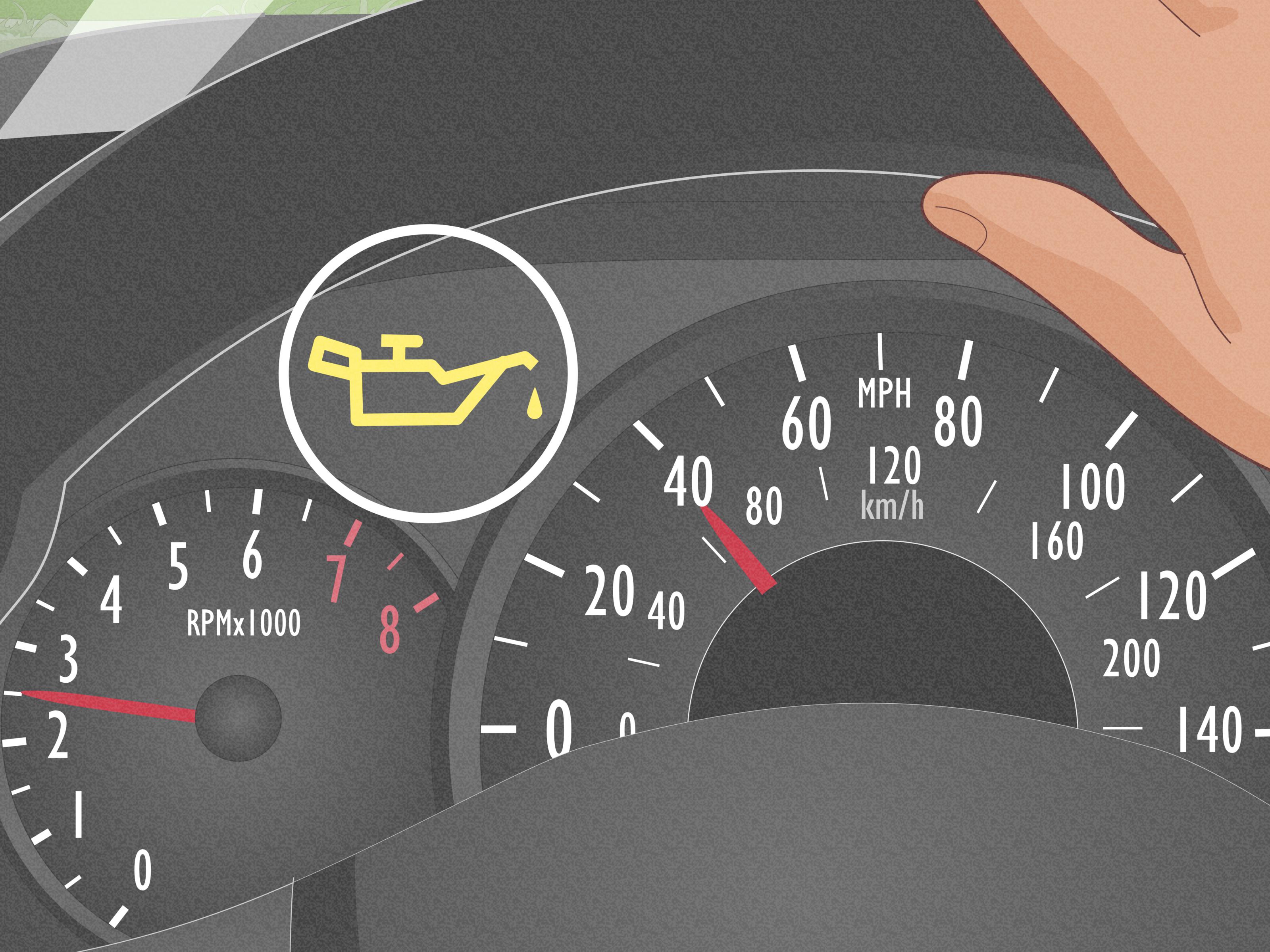
High oil pressure does not always announce itself with dramatic smoke and movie-trailer music. Sometimes it shows up quietly. Common signs include a dashboard oil pressure gauge reading higher than normal, an oil pressure warning light, a check engine light, sluggish engine performance, ticking or knocking noises, oil leaks, oil around the filter, or rough running during cold starts.
A gauge that jumps to maximum immediately after turning the key may point to an electrical issue, such as a bad oil pressure sensor or faulty gauge circuit. A pressure reading that rises with RPM and remains high after warm-up may suggest a real flow restriction or pressure regulation problem. Either way, do not ignore it. Engines are expensive, and they hold grudges.
Top Causes of High Oil Pressure
1. Wrong Oil Viscosity
Using oil that is thicker than the manufacturer recommends is one of the most common causes of high oil pressure. For example, if an engine is designed for 5W-30 and someone fills it with 20W-50, the thicker oil may resist flow, especially during cold starts. The oil pump has to push harder, pressure rises, and the engine may not receive oil as smoothly as intended.
Always check the owner’s manual or oil filler cap for the correct viscosity and specification. Do not choose oil based on vibes, rumors, or your uncle’s favorite truck from 1987. Modern engines often have tight internal clearances and variable valve timing systems that depend on the correct oil flow.
2. Clogged Oil Filter
An old or low-quality oil filter can become restricted by sludge, soot, metal particles, and general engine gunk. When oil cannot pass through the filter easily, pressure can build upstream. Many filters include a bypass valve that allows oil to keep flowing if the filter becomes clogged, but if that valve sticks or fails, pressure problems can get worse.
If high oil pressure appears shortly after an oil change, suspect the filter first. The filter may be incorrect, defective, over-tightened, poorly installed, or simply not suitable for the engine. A fresh, quality filter that matches the vehicle specification is a cheap repair compared with engine damage.
3. Faulty Oil Pressure Sensor or Sending Unit
Sometimes the engine is fine, and the messenger is the problem. The oil pressure sensor, also called a sending unit, reports pressure data to the gauge, warning light, or engine computer. If it fails, the gauge may read high even when actual oil pressure is normal.
This is why confirming pressure with a mechanical test gauge is so important. Replacing a sensor without testing may solve the problem, but it can also become parts-store roulette. If the gauge reads maximum with the engine off or behaves strangely, a sensor, wiring, or instrument cluster issue becomes more likely.
4. Stuck Oil Pump Pressure Relief Valve
The oil pump usually includes a pressure relief valve designed to prevent pressure from climbing too high. When pressure exceeds a set limit, the valve opens and routes excess oil back to the pan or pump inlet. If that valve sticks closed because of sludge, debris, varnish, or wear, the pump may continue forcing oil through the system at excessive pressure.
This is a more serious repair. Depending on the engine design, the oil pump may be accessible only after removing the oil pan or other components. If a manual gauge confirms very high pressure and simple fixes do not help, the oil pump and relief valve need professional inspection.
5. Blocked Oil Passages
Oil passages are like tiny highways inside the engine. When sludge, carbon, old oil deposits, or debris block those passages, oil flow can become restricted. Pressure may rise before the blockage while certain components receive less lubrication. That is a terrible trade: the gauge looks energetic, but the engine may still be starving in key areas.
Blocked passages are more likely in engines with neglected oil changes, overheating history, coolant contamination, poor maintenance, or heavy sludge buildup. A proper diagnosis may require oil pressure testing, inspection under the valve cover, oil pan removal, or internal cleaning.
6. Overfilled Engine Oil
Too much oil can create aeration, foaming, crankcase pressure problems, leaks, and poor lubrication. While overfilling does not always cause high oil pressure directly, it can contribute to abnormal oil system behavior and should be corrected immediately.
Check the dipstick on level ground after the engine has been off long enough for oil to drain back into the pan. If the level is above the full mark, drain the excess or have a shop correct it. “A little extra for safety” is not how engines prefer to be loved.
7. Oil Cooler or PCV System Problems
Some vehicles use an engine oil cooler. If the cooler or its passages become restricted, pressure may rise. A clogged or malfunctioning PCV system can also create crankcase ventilation problems that contribute to oil leaks and strange pressure-related symptoms.
These issues are less common than wrong oil, bad sensors, and clogged filters, but they matter. If your vehicle has an oil cooler and high pressure appeared along with leaks, overheating, or oil contamination, include the cooler in the inspection.
How to Fix High Oil Pressure Step by Step
Step 1: Stop Driving if the Gauge Is Pegged High
If the oil pressure gauge suddenly maxes out, the warning light comes on, or you hear knocking, ticking, or unusual engine noise, pull over safely and shut off the engine. Continuing to drive may turn a repairable problem into engine failure. Let the engine cool before opening the hood. Hot oil and hot engine parts are not friendly.
Step 2: Check the Oil Level
Start with the dipstick. Park on level ground, wait a few minutes after shutdown, remove the dipstick, wipe it clean, reinsert it fully, and check again. If the oil is too high, correct the level. If the oil is very dirty, thick, gritty, or smells burnt, plan for an oil and filter change.
Step 3: Confirm the Correct Oil Viscosity
Look at the owner’s manual, oil filler cap, or manufacturer service information. Confirm that the oil in the engine matches the recommended viscosity and specification. If high pressure started right after an oil change, this step is especially important. The wrong oil grade is a classic “oops” that can create big symptoms.
Step 4: Replace the Oil and Filter
If the oil is old, contaminated, too thick, or unknown, change it using the correct oil and a high-quality filter. This is one of the most affordable first repairs. Use the correct amount of oil, install the correct filter, lubricate the filter gasket when required, and avoid over-tightening.
After the oil change, start the engine and watch the gauge. Some pressure rise during cold start is normal. What you want to see is pressure settling into a normal range as the engine warms up.
Step 5: Test the Oil Pressure Sensor
If the gauge still reads high, test the sensor and circuit. A technician can compare the dashboard reading with actual pressure using a mechanical oil pressure gauge. If actual pressure is normal but the dashboard reading is high, the likely suspects are the oil pressure sensor, wiring, connector, or gauge.
Replacing a bad sensor is usually simpler and cheaper than internal engine work. That is why proper testing is worth it. Nobody wants to replace an oil pump only to discover the real villain was a sensor the size of a walnut.
Step 6: Inspect for Oil Leaks and Filter Damage
Look around the oil filter, oil cooler lines, valve cover area, oil pan, and front or rear engine seals. High oil pressure may force oil past weak seals or gaskets. If the oil filter looks swollen, distorted, or wet around the gasket, shut the engine off and investigate immediately.
Step 7: Diagnose the Oil Pump and Relief Valve
If actual oil pressure remains too high after correcting oil type, oil level, filter quality, and sensor accuracy, the oil pump pressure relief valve may be stuck closed. This repair is usually best handled by a professional because it may require oil pan removal, pump inspection, pressure regulator cleaning, or pump replacement.
Step 8: Check for Internal Sludge or Blocked Passages
If the engine has a history of missed oil changes, sludge may be restricting flow. A mechanic may inspect under the valve cover, remove the oil pan, check pickup screens, or examine oil passages. In some cases, cleaning may help. In severe cases, internal engine repair may be required.
Can You Drive With High Oil Pressure?
You should not keep driving with confirmed high oil pressure. A brief high reading during a cold start can be normal, but a gauge that stays high after warm-up is a warning sign. Excess pressure can strain the pump, damage seals, rupture or deform the filter, cause leaks, and interfere with proper lubrication.
If the gauge is slightly above normal but the engine sounds fine, drive only as far as needed to reach a safe place or repair shop. If the gauge is pegged, the warning light is on, or the engine sounds abnormal, stop driving and arrange a tow.
Repair Cost Expectations
Repair costs depend on the cause. An oil and filter change is usually the least expensive fix. A sensor replacement is often moderate. Oil cooler repairs, PCV repairs, and diagnostic labor can vary widely by vehicle. Oil pump replacement or internal engine cleaning can become expensive because of labor time and engine access.
The smartest move is to begin with low-cost verification: oil level, oil type, filter condition, and mechanical pressure testing. Throwing parts at the problem without diagnosis is like trying to fix a phone by yelling at the charger. Sometimes it works emotionally, but not mechanically.
How to Prevent High Oil Pressure
Preventing high oil pressure is mostly about boring maintenance, which is unfortunate because boring maintenance is also what keeps engines alive. Use the correct oil viscosity, choose a quality filter, follow the manufacturer’s oil change interval, avoid overfilling, repair coolant leaks quickly, and do not ignore dashboard warnings.
If you drive in severe conditions such as short trips, extreme heat, dusty roads, towing, or stop-and-go traffic, your oil may degrade faster. In that case, follow the severe-service maintenance schedule listed by the vehicle manufacturer. Your engine does not care that you were “almost due” for an oil change. It only cares about clean oil flowing properly.
Real-World Experiences: Lessons From High Oil Pressure Problems
One of the most common real-world stories starts right after an oil change. The driver notices the oil pressure gauge sitting higher than usual and assumes the new oil is “doing a great job.” Then the engine warms up, the gauge stays high, and anxiety begins tapping on the window. In many cases, the cause is simple: the wrong oil viscosity or an incorrect filter. A shop may have installed a thicker oil than specified, or a DIY oil change may have used a filter that technically screwed on but did not match the bypass valve requirements. The fix can be as simple as draining the oil, installing the correct grade, replacing the filter, and verifying pressure again.
Another common experience involves a faulty oil pressure sending unit. A driver sees the gauge slam to maximum as soon as the key turns on. The engine sounds normal, there are no leaks, and performance feels fine. A mechanical gauge test shows actual pressure is normal. In that situation, the high reading is not an oil flow problem; it is a reporting problem. Replacing the sensor or repairing the connector solves the issue. This is a reminder that dashboards are helpful, but they are not sacred texts carved into stone.
Older engines tell a different story. A high-mileage vehicle with a long history of delayed oil changes may develop sludge inside the engine. The owner may notice high pressure during cold starts, then rough running, ticking, or small leaks. When the valve cover or oil pan comes off, the inside may look like someone spread dark peanut butter where clean metal should be. Cleaning, frequent oil changes, and careful inspection may help, but severe sludge can block passages and damage components. Prevention would have been cheaper, as prevention usually is.
Performance engines and modified vehicles add another wrinkle. Some owners install high-volume or high-pressure oil pumps thinking more pressure equals more protection. In certain builds, upgrades are appropriate, but in a normal street engine, excessive pressure can create new problems. Oil filters, seals, distributor gears, pump drives, and gaskets all have limits. A balanced lubrication system matters more than a heroic gauge reading.
The best lesson from all these experiences is simple: diagnose before panic, but do not ignore the warning. Check the basics first. Confirm the oil level. Confirm the oil type. Confirm the filter. Test actual pressure. Then move deeper into sensors, wiring, oil pump relief valves, oil coolers, and internal restrictions. High oil pressure is not always catastrophic, but it is always worth respecting. Your engine is basically a metal orchestra performing thousands of explosions per minute. Clean oil at the right pressure is what keeps the music from becoming an expensive drum solo.
Final Thoughts
Fixing high oil pressure starts with understanding that pressure is not the same as healthy lubrication. The goal is not maximum pressure; the goal is correct oil flow at the pressure range the engine was designed to use. High oil pressure can come from simple maintenance mistakes or deeper mechanical failures, so the best repair strategy is methodical: check the oil level, verify viscosity, replace questionable oil and filters, test the sensor, confirm pressure with a mechanical gauge, and inspect the pump or internal passages if needed.
If you catch the issue early, the fix may be inexpensive. If you ignore it, the engine may respond with leaks, damaged seals, filter failure, poor lubrication, or internal wear. In other words, treat high oil pressure like a smoke alarm. Maybe it is a sensor problem. Maybe dinner is burning. Either way, you should check before the kitchen becomes a documentary.