
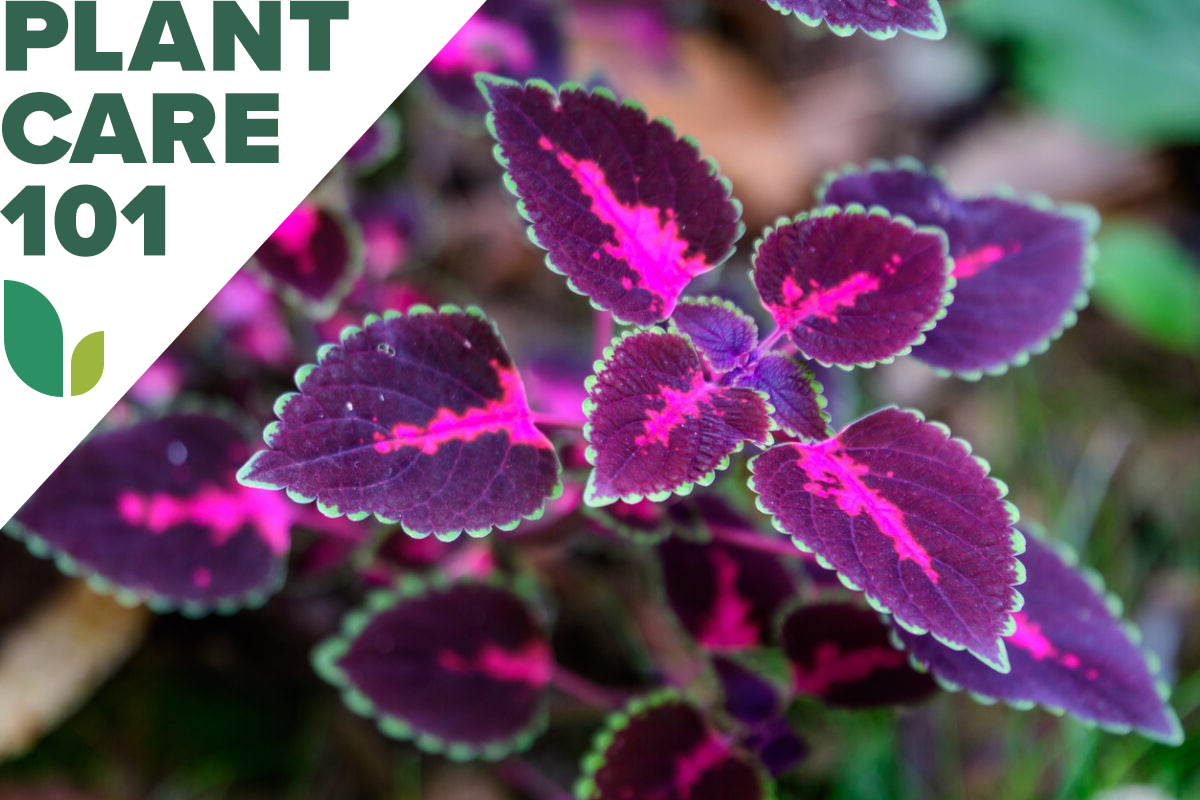
Coleus is the plant world’s answer to wearing a velvet blazer to the grocery store: a little dramatic, impossible to ignore, and somehow completely justified. If you want color that lasts longer than most flowers and doesn’t rely on petals doing all the heavy lifting, coleus is your plant. Its leaves come splashed, striped, speckled, edged, and marbled in shades of burgundy, lime, copper, pink, chartreuse, near-black, and combinations that look like they were designed by someone who had access to both a paintbox and a very strong cup of coffee.
The best part is that coleus is not just pretty; it is also refreshingly cooperative. Modern varieties are easier to grow than many gardeners expect, and they work beautifully in containers, borders, window boxes, porch pots, and even as houseplants. Some types thrive in shade, others tolerate more sun, and nearly all of them reward a little attention with a lot of foliage. If your goal is to grow a plant that makes visitors ask, “Wait, is that real?” this guide will show you exactly how to grow coleus for unforgettable color and texture.
Why Coleus Deserves a Spot in Your Garden
Unlike bloom-focused annuals, coleus earns its keep with foliage from planting time until frost. That means you do not have to wait for a flower show. The show starts immediately. Leaves can be broad, ruffled, serrated, frilly, or slender. Some cultivars grow in tidy mounds, some trail over the edge of containers, and some rise into bold, upright accents. In other words, coleus is not one plant style. It is a whole wardrobe.
Gardeners also love coleus because it is flexible. It grows well in beds and containers, plays nicely with shade companions like impatiens and begonias, and can also be paired with sun-tolerant annuals if you choose one of the newer sun-loving varieties. In warm climates, coleus can behave like a tender perennial. In most of the United States, it is grown as an annual outdoors and treated like summer royalty until cool weather sends it packing.
Choosing the Right Coleus Variety
If older gardening books told you that coleus is strictly a shade plant, that advice now needs a polite update. Many classic coleus varieties still prefer part shade, especially morning sun and afternoon protection. But modern breeding has produced cultivars that can handle more direct light without fading or scorching. The trick is simple: read the plant tag like it contains the Wi-Fi password. It matters.
Shade coleus
Shade-loving types are excellent for porches, under trees, north- or east-facing beds, and spots that look gloomy around noon. Their colors often stay richer when protected from intense afternoon sun.
Sun-tolerant coleus
Sun-tolerant varieties can take several hours of direct sun, especially in milder climates. They are a great choice for brighter patios and mixed containers, but they still appreciate consistent moisture because hot, dry conditions can make them sulk fast.
Growth habit matters too
Choose upright coleus for bold centerpieces, mounding types for edging and mass planting, and trailing forms for hanging baskets or spilling over decorative pots. Mix leaf size, shape, and color if you want a display that looks curated instead of accidental.
Where and When to Plant Coleus
Coleus hates cold with impressive sincerity. Do not rush it outdoors in spring. Wait until all danger of frost has passed and nighttime temperatures stay comfortably warm, ideally above 50 to 55 degrees Fahrenheit. If the forecast still has “surprise chill” energy, hold off. Coleus is one of the first warm-season plants to complain when temperatures dip.
Outdoors, plant coleus in a protected area where strong winds will not shred its soft leaves. In garden beds, space plants roughly 12 inches apart, or more if the variety is known to get large. In containers, give roots room to spread and choose a pot with drainage holes. A glamorous pot without drainage is basically a decorative hostage situation.
Soil, Water, and Fertilizer: The Basics That Make the Colors Pop
Soil
Coleus prefers rich, loose, well-drained soil with plenty of organic matter. In garden beds, work in compost before planting. In containers, use a quality potting mix rather than scooping up backyard soil. Good drainage is especially important in pots, where soggy roots can quickly lead to trouble.
Water
If there is one secret to good coleus care, it is even moisture. The soil should stay lightly and consistently moist, not swampy and not bone dry. Drought stress causes wilting, faded color, crispy edges, and dramatic behavior worthy of a reality show reunion. Plants in containers dry out faster than those in the ground, so check them often in summer. During hot weather, potted coleus may need water daily.
Fertilizer
Coleus is not outrageously demanding, but it does appreciate food. A slow-release balanced fertilizer at planting time works well, especially in containers. You can also use a balanced water-soluble fertilizer every few weeks during active growth. Do not go overboard with heavy feeding, though. Too much fertilizer can lead to lush but softer growth and may dull some leaf color.
How to Keep Coleus Bushy Instead of Leggy
Pinching is the not-so-secret trick behind full, handsome coleus plants. When the stems are young, pinch out the growing tips to encourage branching. This simple step tells the plant to stop acting like a lanky teenager and start filling out like a proper garden star.
Flower spikes should usually be removed as they appear, especially on older or more traditional varieties. The flowers are small and not the main event. Once the plant starts putting energy into blooming and seed production, foliage can become less dense and less vibrant. Since leaves are the entire reason coleus gets invited to the party, pinch those flower spikes and move on.
Growing Coleus in Containers
Coleus might be at its absolute best in containers, where you can appreciate the foliage up close and move the plants around to chase better light. One dramatic coleus in a pot can look expensive. Three mixed together can look like you hired a designer who says things like “texture story” and “seasonal movement.”
Use a container with drainage holes and a loose, well-draining potting mix. Pair upright coleus with trailing companions, or let a single statement variety take center stage. Keep an eye on watering because containers heat up quickly. If the leaves wilt in the afternoon but perk back up after watering, the plant is telling you exactly what it needs. Listen to it. It is one of the more straightforward residents in your garden.
How to Propagate Coleus
One of the joys of coleus is how easy it is to multiply. That rare, wonderful plant you bought once can become many plants with very little fuss.
From cuttings
Take a healthy cutting about 4 to 6 inches long just below a leaf node. Remove the lower leaves and place the stem in water or moist potting mix. In bright, indirect light, roots usually form quickly. Water propagation is especially satisfying because you get to watch the roots develop like a tiny gardening magic trick in a glass.
From seed
Coleus can also be started from seed indoors about 8 to 10 weeks before your last frost date. Sow seeds on the surface of a sterile seed-starting mix or cover them only very lightly, because they need light to germinate well. Keep the medium warm and evenly moist. Once seedlings are large enough to handle, transplant them into individual pots and grow them on until the weather warms outdoors.
Overwintering Coleus Indoors
If you cannot bear to lose your favorite variety at the end of the season, good news: you do not have to. Coleus is easy to overwinter as a whole plant or as cuttings. Before the first frost, bring healthy plants indoors or take cuttings from your best performers.
Indoors, coleus does best in bright light, such as an east-facing window or another spot with strong indirect light. Avoid blasting it with harsh midday sun through hot glass, and keep it away from drafts. Indoor air can be dry in winter, so the plant may appreciate a little humidity. Expect some adjustment after moving it inside; a few dropped leaves are not unusual. What matters is steady light, careful watering, and checking for pests before the plant joins your indoor collection like an unannounced houseguest.
Common Coleus Problems and How to Fix Them
Wilting
Wilting usually means the plant is too dry, especially in containers. Water thoroughly and check the soil more often during hot weather. If the soil is wet and the plant still wilts, poor drainage or root trouble may be involved.
Faded or scorched leaves
Too much harsh sun can bleach the colors or burn the leaves, especially on shade-loving varieties. Move the plant to a spot with morning sun and afternoon shade, or choose a more sun-tolerant type next time.
Leggy growth
Plants become leggy when they are not pinched regularly, when they are too shaded, or when flower spikes are left in place. Pinch, trim, and give them better light.
Pests
Aphids, whiteflies, mealybugs, and spider mites can show up, especially on indoor plants or stressed outdoor specimens. Catch them early. A strong spray of water, insecticidal soap, or neem-based treatment is often enough for light infestations.
Downy mildew
This disease is more serious than ordinary garden grumbling. Watch for irregular brown or angular leaf lesions, leaf drop, distortion, and sometimes grayish or purplish growth on the undersides of leaves in humid conditions. Remove affected plants promptly and avoid crowding and overwatering overhead if disease has been a problem in your area.
Design Ideas for Maximum Foliage Drama
If your goal is “one-of-a-kind foliage,” do not plant coleus like you are apologizing for it. Use it boldly. Pair lime-and-burgundy varieties with chartreuse sweet potato vine. Set deep plum cultivars against silver foliage. Use bright pink types to echo flowering annuals without depending on blooms alone. In shady spaces, coleus can do the visual work that flowers often cannot.
For a polished look, repeat one color through several containers around a porch. For a more eclectic garden, combine multiple coleus varieties with different leaf sizes and habits. The result can be lush, layered, and painterly. Basically, coleus lets you garden like an artist without needing to clean brushes afterward.
Final Thoughts on Growing Coleus
Coleus proves that foliage plants do not need flowers to steal the show. With the right light, steady moisture, occasional feeding, and a little pinching, these plants deliver months of saturated color and unforgettable texture. Whether you tuck them into a shady border, fill a patio pot with them, or root cuttings on a windowsill for next year, coleus offers one of the easiest ways to make a garden look richer, more layered, and far more intentional.
If you have ever wanted a plant that looks custom-made, grows fast, and gives you a lot of visual payoff for a modest amount of work, coleus is it. It is bold, forgiving, endlessly variable, and just dramatic enough to keep things interesting. In other words, it is the perfect foliage plant for gardeners who want their containers and beds to have personality instead of just polite manners.
Experience and Practical Lessons From Growing Coleus
After growing coleus in borders, porch pots, and random “I had one empty container and questionable impulse control” planters, one lesson becomes clear: coleus rewards attention, but it does not demand perfection. That is part of its charm. You can fuss over variety pairings and build a sophisticated foliage display, or you can stick one healthy plant into a decent pot and still end up with something that looks wildly impressive by midsummer.
One of the most useful real-world observations is how much the right location changes the leaf color. A variety that looks electric in bright morning light can appear muddy in deep shade. Another that glows in shade may look slightly washed out in hot afternoon sun. This is why experienced gardeners often move container-grown coleus around during the season. It is not indecisiveness. It is design refinement with a watering can.
Another thing you learn quickly is that coleus talks. Loudly. When it needs water, it wilts fast and without subtlety. At first, that can be alarming. The good news is that healthy plants usually recover quickly once watered. That said, repeated dry spells do affect appearance. The leaves may lose some crispness, the edges may brown, and the overall plant can look less luxurious. Consistent moisture is what separates a merely surviving coleus from a coleus that looks like it belongs in a magazine spread.
Pinching back also feels counterintuitive until you see the results. New gardeners sometimes hesitate to remove growth tips or flower spikes because the plant looks fine already. Then, a few weeks later, the pinched plant is fuller, bushier, and dramatically better shaped than the one left alone. Coleus is one of those plants that genuinely improves when you interrupt it. Not every plant forgives that kind of management. Coleus practically sends a thank-you note.
Growing coleus from cuttings is another experience that tends to convert casual gardeners into enthusiastic propagators. Snip a stem, place it in water, and roots appear with very little drama. It is deeply satisfying. It also makes coleus feel economical. A single favorite variety can become enough plants for window boxes, patio containers, gifts for friends, and a backup or two for the gardener who has learned that squirrels, weather, and human error are always part of the growing season.
Overwintering teaches patience. Plants brought indoors almost always need an adjustment period. Some drop leaves. Some look offended for two weeks. Some attract a pest you swear was not there yesterday. But once they settle into bright light and a regular routine, many recover well. In fact, overwintering cuttings is often easier than bringing in large, mature plants. Smaller starts adapt faster, take up less space, and head into spring ready to bulk up as soon as the weather warms.
Perhaps the biggest practical lesson is that coleus shines brightest when treated as a foliage feature, not filler. It is tempting to tuck it behind flowering annuals and think of it as support material. In reality, it often deserves top billing. A well-grown coleus can anchor an entryway planter, carry a shade bed through the entire season, and provide more visual complexity than many flowering combinations. Once you start using it intentionally, you notice how much structure and color it brings to a garden.
That is the real joy of coleus: it makes ordinary spaces feel designed. A dull corner becomes layered. A simple porch pot becomes memorable. A gardener gets to experiment with color, texture, and form without wrestling with a finicky plant. And for anyone who likes bold foliage, quick results, and the occasional excuse to say, “Yes, that is just one plant,” coleus is very hard to beat.
Conclusion
Coleus is one of the easiest and most rewarding ways to add custom-looking color to a garden, patio, or indoor space. Give it warm weather, good soil, consistent moisture, and the occasional pinch, and it will return the favor with months of unforgettable foliage. For gardeners who want a plant that performs hard without acting precious, coleus is a clear winner.














