
Note: This article is for educational purposes and does not replace medical advice. Anyone with high blood pressure, very high readings, pregnancy-related blood pressure concerns, symptoms, or medication questions should speak with a qualified healthcare professional.
Blood pressure is one of those health numbers that can quietly boss people around without sending a calendar invite. You may feel perfectly fine, eat a sandwich the size of a steering wheel, skip sleep like it is optional software, and then discover your blood pressure has been climbing in the background like it is training for a mountain race.
The good news? Learning how to lower blood pressure is not about living on plain lettuce, running ultramarathons, or becoming the kind of person who says “I forgot to eat cake.” For many people, blood pressure improves through a steady mix of smart eating, regular movement, better sleep, lower sodium, stress control, and medical care when needed. Small changes can stack up like tiny health deposits in a very practical bank account.
High blood pressure, also called hypertension, increases the risk of heart disease, stroke, kidney disease, and other serious health problems. Because it often has no obvious symptoms, it is sometimes called a “silent” condition. That sounds dramatic, but it is also useful: it reminds us that guessing is not a plan. Measuring, tracking, and making consistent lifestyle changes are the real power moves.
What Blood Pressure Numbers Mean
Blood pressure is written as two numbers. The top number, systolic blood pressure, measures the pressure in your arteries when your heart beats. The bottom number, diastolic blood pressure, measures the pressure when your heart rests between beats. Both matter.
A single high reading does not always mean someone has hypertension. Stress, caffeine, exercise, pain, poor sleep, illness, and even rushing into the doctor’s office like you are late for a movie can raise a reading temporarily. However, repeated high readings deserve attention. A healthcare professional can confirm whether your blood pressure is consistently elevated and help you build a safe plan.
Start With the DASH Diet
If there were a greatest-hits album for blood pressure-friendly eating, the DASH diet would be track one. DASH stands for Dietary Approaches to Stop Hypertension. It focuses on vegetables, fruits, whole grains, beans, nuts, seeds, low-fat dairy, fish, poultry, and lean proteins while limiting sodium, added sugars, saturated fat, and heavily processed foods.
What to Eat More Often
A heart-healthy plate does not need to be complicated. Think of it as building a meal with color, fiber, minerals, and protein. A simple dinner might include grilled salmon, roasted sweet potatoes, a spinach salad, and low-sodium beans. A breakfast could be oatmeal with berries, walnuts, and a spoonful of yogurt. Lunch could be a turkey and avocado sandwich on whole-grain bread with fruit instead of chips.
Potassium, magnesium, calcium, and fiber are important parts of a blood pressure-friendly eating pattern. You can find them in foods such as bananas, oranges, potatoes, spinach, lentils, yogurt, oats, beans, almonds, and whole grains. Food is not magic, but the right pattern helps your blood vessels, heart, and kidneys do their jobs with less drama.
What to Reduce
Try to cut back on processed meats, salty snacks, fast food, sugary drinks, packaged meals, and foods high in saturated fat. That does not mean your kitchen must become a joyless museum of steamed broccoli. It means making better choices most of the time. A homemade burrito bowl with brown rice, beans, salsa, avocado, and grilled chicken can be delicious and much kinder to your blood pressure than a salty drive-through meal.
Lower Sodium Without Making Food Taste Like Cardboard
Sodium is one of the biggest diet-related factors in high blood pressure. Many adults are advised to keep sodium under 2,300 milligrams per day, and some people may benefit from a lower target such as 1,500 milligrams per day, depending on their health needs and medical advice.
The tricky part is that most sodium does not come from a salt shaker. It hides in packaged foods, restaurant meals, canned soups, deli meats, frozen dinners, sauces, breads, and snacks. Basically, sodium has a talent for showing up uninvited.
Easy Sodium Swaps
- Choose “low sodium” or “no salt added” canned beans, tomatoes, and broths.
- Rinse canned beans and vegetables before eating them.
- Use lemon juice, vinegar, garlic, herbs, pepper, paprika, cumin, or chili flakes instead of extra salt.
- Compare nutrition labels and pick the lower-sodium version of foods you already buy.
- Order sauces and dressings on the side when eating out.
Your taste buds can adjust gradually. If you reduce sodium slowly over several weeks, food will not suddenly taste like a cardboard envelope. In fact, you may start noticing flavors that salt used to shout over.
Move More: Exercise That Actually Fits Real Life
Regular physical activity is one of the most reliable lifestyle tools for lowering blood pressure. Adults are commonly encouraged to aim for at least 150 minutes of moderate-intensity aerobic activity per week, plus muscle-strengthening activities at least two days per week.
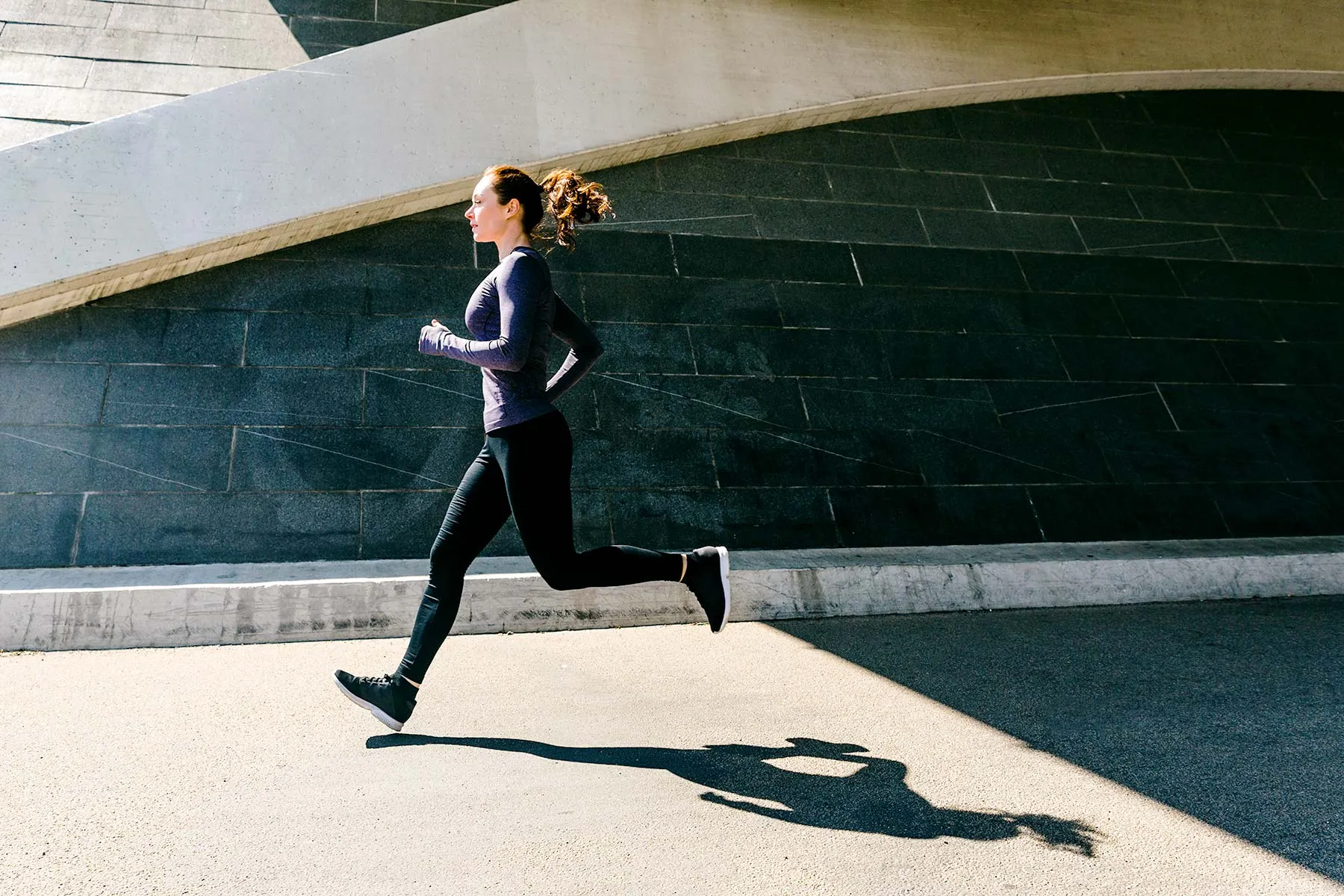
Moderate activity does not require a superhero costume. Brisk walking, cycling, swimming, dancing, hiking, doubles tennis, and even energetic yard work can count. If you can talk but not sing during the activity, you are probably in the moderate zone.
A Simple Weekly Movement Plan
Start with a plan so easy it feels almost suspicious. Walk for 20 to 30 minutes five days a week. Add two short strength sessions using bodyweight exercises, resistance bands, or light weights. Include squats, wall pushups, step-ups, rows, and gentle core work. If you are new to exercise or have health concerns, ask a healthcare professional what level is safe for you.
Consistency beats intensity. A daily walk you actually do is better than a perfect gym routine you only perform in your imagination.
Reach a Healthy Weight Without Crash Dieting
For people who have excess body weight, even modest weight loss can help lower blood pressure. The goal is not to chase a certain look or punish your body. The goal is to support your heart, blood vessels, joints, sleep, and energy.
A healthy approach includes balanced meals, regular movement, enough sleep, and realistic habits. Crash diets, extreme restriction, and “detox” plans are not necessary and can be harmful. Instead, focus on repeatable changes: cooking more meals at home, drinking water instead of sugary drinks, eating more fiber-rich foods, and stopping when comfortably full.
Limit Alcohol and Avoid Nicotine
Alcohol can raise blood pressure, especially when intake is heavy or frequent. If you do not drink, there is no health reason to start. If you do drink, moderation matters, and some people with high blood pressure may be advised to avoid alcohol completely.
Nicotine from cigarettes, vaping, and other tobacco products can temporarily raise blood pressure and damage blood vessels over time. Quitting is one of the strongest steps a person can take for heart health. It is not always easy, but support from healthcare professionals, counseling, and approved quit-smoking tools can make it more manageable.
Sleep Like Your Arteries Depend on It
Poor sleep is more than a crankiness factory. Short or low-quality sleep is linked with higher blood pressure. Many adults need seven to nine hours of sleep per night, though quality matters as much as quantity.
Try a consistent bedtime, a cool dark room, less screen time before bed, and a regular wake-up schedule. If you snore loudly, wake up gasping, feel exhausted after a full night in bed, or have morning headaches, ask a doctor about sleep apnea. Sleep apnea can raise blood pressure and often goes undiagnosed.
Manage Stress Without Pretending Life Is a Spa Commercial
Stress is not always avoidable. Bills, work, school, family responsibilities, traffic, and mysterious printer errors exist. The goal is not to eliminate stress completely; the goal is to prevent stress from running the entire control panel.
Try slow breathing, walking outside, journaling, prayer, meditation, yoga, stretching, relaxing music, or talking with someone you trust. Even five minutes of slow breathing can help your nervous system shift out of emergency mode. Over time, stress-management habits can support healthier blood pressure and better decision-making.
Monitor Blood Pressure at Home
Home blood pressure monitoring can help you understand patterns. Some people have higher readings at the doctor’s office because they feel nervous. Others may have normal office readings but higher numbers at home. A home monitor can provide useful information, especially when shared with a healthcare professional.
Tips for Better Readings
- Use a validated upper-arm blood pressure monitor.
- Sit quietly for five minutes before measuring.
- Keep your feet flat on the floor and your back supported.
- Place the cuff on bare skin, not over clothing.
- Measure at the same times each day when tracking trends.
- Write down readings or save them in an app.
Do not panic over one unusual reading. Rest, recheck correctly, and look for patterns. If readings are very high or come with symptoms such as chest pain, shortness of breath, weakness, confusion, severe headache, or vision changes, seek urgent medical help.
Medication Is Not a Failure
Many people can improve blood pressure through lifestyle changes, but some need medication too. That is not a personal failure. It is healthcare. Blood pressure is influenced by genetics, age, kidney function, hormones, sleep, stress, and other medical conditions. Sometimes the smartest plan is lifestyle plus medication.
If your doctor prescribes blood pressure medicine, take it as directed. Do not stop suddenly without medical guidance. If side effects happen, tell your healthcare professional. There are different types of blood pressure medications, and adjustments are common.
A Practical 7-Day Plan to Lower Blood Pressure
Day 1: Measure and Learn
Take your blood pressure correctly and write it down. Check your pantry for high-sodium foods. No judgment. The pantry has been through a lot.
Day 2: Upgrade Breakfast
Try oatmeal with berries, Greek yogurt, or eggs with vegetables. Skip salty processed meats and sugary drinks.
Day 3: Walk for 20 Minutes
Take a brisk walk after dinner or during lunch. If 20 minutes is too much, start with 10 minutes and build slowly.
Day 4: Reduce Sodium at One Meal
Make one low-sodium meal at home. Use herbs, citrus, vinegar, garlic, or spices for flavor.
Day 5: Add Strength Training
Try two rounds of simple moves: chair squats, wall pushups, calf raises, and resistance-band rows.
Day 6: Protect Sleep
Set a bedtime alarm, dim screens, and avoid heavy late-night meals. Sleep is not laziness; it is maintenance.
Day 7: Review and Repeat
Look at what worked. Keep the easiest habits and build from there. Blood pressure improves through repetition, not perfection.
Common Mistakes That Keep Blood Pressure High
One common mistake is focusing only on salt while ignoring sleep, exercise, stress, alcohol, and medication adherence. Another is trying to change everything at once, getting overwhelmed, and quitting by Thursday. A third is assuming that “natural” products are always safe. Some supplements and over-the-counter medicines can affect blood pressure or interact with prescriptions.
Another mistake is checking blood pressure repeatedly when anxious. That can turn the monitor into a tiny stress machine. Take readings as recommended, track trends, and talk with your healthcare team about what your numbers mean.
Everyday Experiences: What Lowering Blood Pressure Looks Like in Real Life
In real life, lowering blood pressure usually does not feel like a movie montage. There is no dramatic soundtrack, no slow-motion vegetable chopping, and no magical moment when broccoli gives you a thumbs-up. It is more ordinary than that, which is actually encouraging. Ordinary habits are easier to keep.
Many people start with one uncomfortable discovery: the first few changes feel small. A 15-minute walk may seem too simple. Choosing low-sodium soup may not feel heroic. Going to bed 30 minutes earlier may feel less exciting than scrolling through videos until midnight. But after a few weeks, those small changes can create a noticeable rhythm. Energy may improve. Meals may feel less heavy. Exercise may become less of a negotiation and more of a normal part of the day.
A common experience is learning that restaurant food can be a sodium surprise party. Someone may eat a “healthy” salad and later realize the dressing, cheese, croutons, and grilled protein were loaded with salt. The lesson is not to avoid restaurants forever. It is to ask for dressing on the side, choose grilled instead of fried, split large portions, and drink water. Small restaurant strategies can help without turning dinner into a research project.
Another real-world lesson is that home cooking does not need to be fancy. A blood pressure-friendly meal can be as simple as rotisserie-style chicken without the salty skin, microwave brown rice, steamed frozen vegetables, and a quick yogurt-based sauce with lemon and herbs. Frozen vegetables are not a failure. They are vegetables with a better storage plan.
People also discover that stress habits matter. A person might eat well all day, then answer emails at 11:30 p.m., sleep poorly, wake up tired, skip exercise, and grab salty convenience food. Blood pressure habits connect like dominoes. Improving one habit often protects another. Better sleep makes morning walks easier. Walking helps stress. Lower stress makes food choices calmer. Calmer choices make consistency easier.
Home monitoring can be motivating, but it works best when treated as information, not a daily report card. A reading may be higher after poor sleep, a salty meal, or a stressful day. That does not mean the plan failed. It means the body is responding to life. The goal is to lower the overall pattern over time.
The most encouraging experience is realizing that a blood pressure plan can still include pleasure. Food can taste good. Movement can be enjoyable. Rest can feel like a reward instead of a chore. The plan does not need to be perfect; it needs to be repeatable. Blood pressure responds best to habits that fit into actual life, not fantasy life where everyone meal-preps in matching glass containers and never loses a lid.
Conclusion
Learning how to lower blood pressure is really about building a heart-friendly lifestyle one practical step at a time. Eat more DASH-style meals, reduce sodium, move regularly, sleep better, manage stress, avoid nicotine, limit alcohol, track your numbers, and work with a healthcare professional when medication or extra support is needed.
The best plan is not the strictest plan. It is the one you can repeat on busy Mondays, tired Wednesdays, and weekends when pizza starts whispering your name. Blood pressure control is a long game, and every smart choice helps your heart play it better.














