
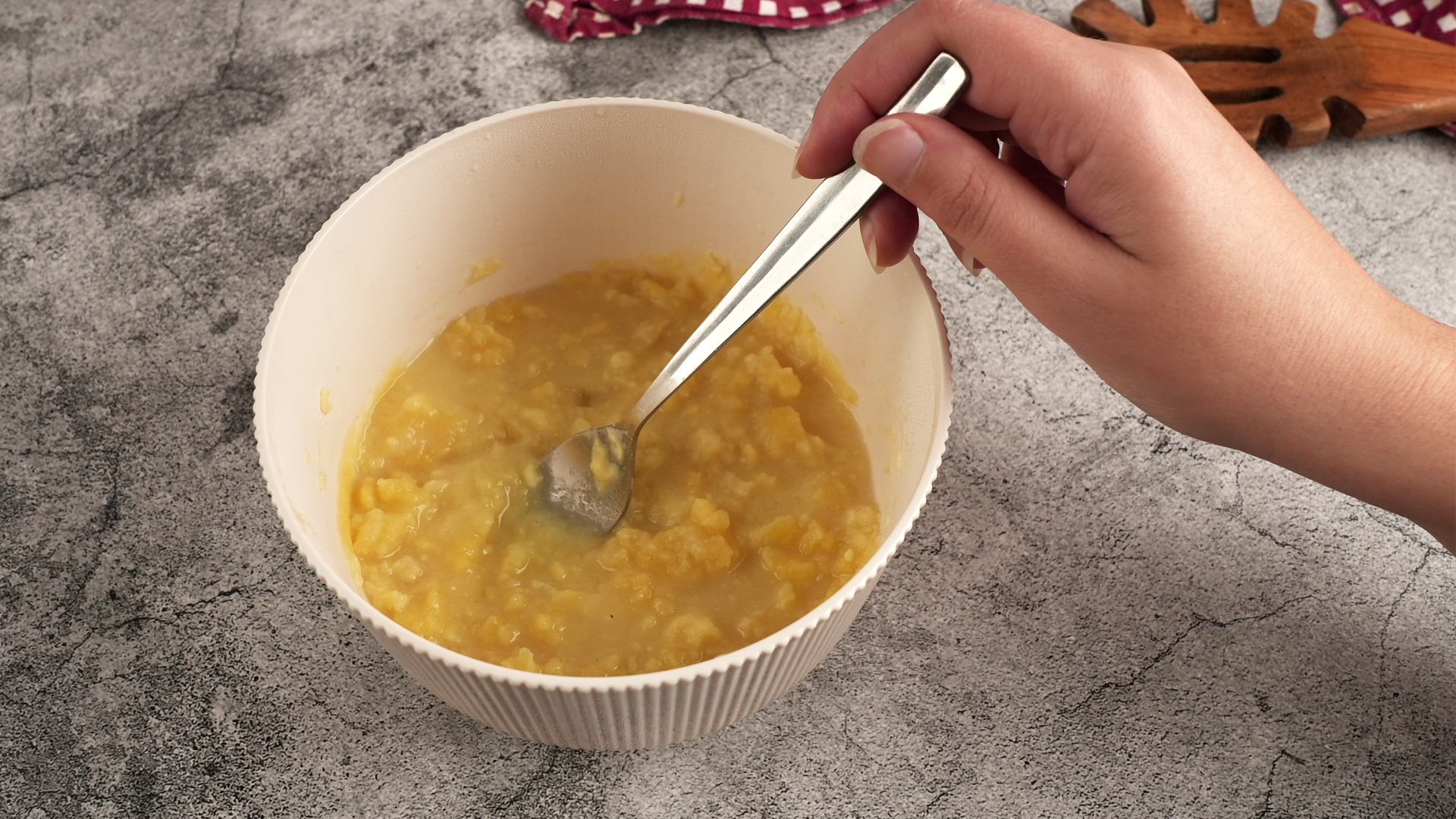
Pap is one of those humble comfort foods that proves a bowl of maize meal can do more emotional heavy lifting than a motivational poster. Known in South Africa as mieliepap, pap is a warm maize porridge made from finely ground white cornmeal or maize meal. It can be soft and creamy for breakfast, firm enough to scoop with stew, or somewhere in the middle when your spoon and appetite cannot agree.
Traditionally, pap is cooked on the stovetop with plenty of stirring, patience, and the occasional dramatic battle against lumps. But the microwave version is fast, beginner-friendly, and perfect for anyone who wants a cozy bowl without standing guard over a pot like a kitchen security officer. This guide explains how to make pap in the microwave in 8 clear steps, with tips for texture, flavor, reheating, and fixing common mistakes.
What Is Pap?
Pap is a maize meal porridge popular in Southern African cooking. It is made by cooking maize meal with water, milk, or a mix of both until the grains absorb the liquid and thicken. The texture depends on the liquid ratio and cooking time. Soft pap is smooth and spoonable, breakfast-style. Stiff pap is thicker, drier, and often served with meat, gravy, vegetables, beans, or tomato relish.
If you are in the United States and cannot find South African maize meal, look for fine white cornmeal, finely ground mealie meal, or quick-cooking white grits. Polenta and yellow cornmeal can also work, although the flavor and color will be slightly different. Think of them as cousins at the same family reunion: similar, but someone definitely brought a different casserole.
Ingredients for Microwave Pap
This recipe makes 1 generous serving or 2 smaller breakfast servings. For a bigger batch, double the ingredients, but use a much larger bowl because pap expands, bubbles, and has no respect for tiny containers.
- 1/2 cup fine white maize meal or fine white cornmeal
- 2 cups water, plus 1/4 to 1/2 cup extra hot water if needed
- 1/4 teaspoon salt
- 1 tablespoon butter, optional
- 1/4 cup milk, optional for creamy breakfast pap
- Sugar, honey, cinnamon, or syrup for sweet pap, optional
- Tomato relish, stew, beans, cheese, or gravy for savory pap, optional
Best Bowl and Microwave Setup
The most important tool is not a fancy spoon or a heritage maize grinder. It is a large microwave-safe bowl. Use a bowl that holds at least 4 times the volume of your uncooked mixture. Pap bubbles up as it cooks, and a shallow bowl may create a maize meal volcano. Delicious? Maybe. Fun to clean? Absolutely not.
A glass or ceramic microwave-safe bowl works well. Avoid metal, foil, and plastic containers that are not labeled microwave-safe. Use a loose-fitting microwave-safe lid, a plate set slightly off-center, or microwave-safe vented cover. The goal is to trap some steam while allowing pressure to escape.
How to Make Pap in the Microwave: 8 Steps
Step 1: Choose the Right Maize Meal
For smooth microwave pap, choose fine maize meal. Fine meal hydrates faster and creates a creamier texture. Coarse cornmeal, stone-ground grits, or polenta can still be used, but they may need more liquid, longer cooking, and extra stirring. If your maize meal looks sandy or grainy, plan for a longer rest after cooking so the grains can soften.
For breakfast pap, fine white maize meal gives the closest traditional texture. For a savory side dish, medium-ground cornmeal can create a pleasant rustic bite. In either case, do not skip the salt. Even sweet pap needs a tiny bit of salt to keep it from tasting flat.
Step 2: Mix the Maize Meal with Cold Water First
Add 1/2 cup maize meal and 1 cup cold water to your microwave-safe bowl. Stir very well with a fork or whisk until the mixture looks smooth. This step is the secret handshake of lump-free pap. If dry maize meal hits boiling water too quickly, it can clump together like it is forming a tiny cornmeal committee.
Once the first cup of water is fully mixed in, add another 1 cup of water and the salt. Stir again. The mixture will look thin at first, but do not panic. Maize meal thickens as it heats and rests.
Step 3: Microwave for the First 3 Minutes
Place the bowl in the microwave and cook on high for 3 minutes. Use a loose cover to reduce splattering while allowing steam to escape. If your microwave is especially powerful, start with 2 minutes and 30 seconds. Cooking times vary because microwaves differ in wattage, bowl shape, and how cold the water is when you start.
When the first cooking round is finished, carefully remove the bowl with oven mitts. The bowl may be hot, and steam can burn your fingers faster than you can say, “I was just checking the texture.”
Step 4: Stir Aggressively to Prevent Lumps
Stir the pap thoroughly, scraping the sides and bottom of the bowl. This is where the microwave method earns its keep. Instead of stirring nonstop for 15 minutes, you stir in short bursts between cooking rounds. Break up any thick spots with the back of a spoon or a whisk.
If the pap already looks very thick, add 2 to 4 tablespoons of hot water and stir until smooth. If it still looks watery, that is fine. It will continue to thicken in the next round.
Step 5: Microwave Again in Short Bursts
Return the bowl to the microwave and cook for another 2 minutes. Remove and stir again. Continue cooking in 1- to 2-minute bursts, stirring after each round, until the pap is thick, smooth, and no longer tastes raw or gritty.
For soft breakfast pap, the total microwave time is usually 6 to 8 minutes. For thicker pap, cook closer to 10 to 12 minutes, adding small splashes of hot water only if the mixture becomes too dry before the grains soften.
Step 6: Adjust the Texture
Pap texture is personal. Some people like it silky and loose, while others prefer it thick enough to stand up to a hearty stew. Here is how to adjust it:
- For soft pap: Stir in warm milk, hot water, or a little cream until it becomes spoonable and smooth.
- For medium pap: Let it rest for a few minutes after cooking so it firms slightly without becoming stiff.
- For stiff pap: Use less liquid next time, or cook in extra 1-minute bursts while stirring until it pulls away from the sides of the bowl.
If the pap tastes grainy, it probably needs more hydration. Add a splash of hot water, stir well, microwave for another minute, and let it rest. Resting is not laziness; it is culinary strategy.
Step 7: Let the Pap Rest
Once the pap is cooked, cover it loosely and let it stand for 3 to 5 minutes. This short resting time helps the maize meal finish absorbing liquid and improves the texture. It also gives you a moment to gather toppings, clean a spoon, or stare proudly at your microwave like it just graduated culinary school.
After resting, stir once more. Add butter for richness, milk for creaminess, or a little extra hot water if it has thickened too much.
Step 8: Serve Sweet or Savory
For sweet breakfast pap, serve it warm with milk, butter, cinnamon, brown sugar, honey, maple syrup, or fruit. Bananas, berries, apples, and raisins all work well. A pinch of nutmeg makes it taste like you tried harder than you did, which is one of life’s underrated kitchen victories.
For savory pap, serve it with tomato relish, beans, sautéed vegetables, beef stew, chicken stew, sausage, cheese, or gravy. Pap is excellent at soaking up sauces, making it a practical side dish when rice, mashed potatoes, or bread feel too predictable.
Microwave Pap Texture Guide
Soft Breakfast Pap
Use 1/2 cup maize meal to about 2 to 2 1/2 cups liquid. This creates a creamy porridge that can be eaten with a spoon. Milk can replace part of the water, but start with mostly water to prevent scorching. Stir in milk near the end for a smoother finish.
Medium Pap
Use 1/2 cup maize meal to about 1 3/4 to 2 cups liquid. This version is thicker but still soft enough to scoop easily. It works well for both breakfast and dinner.
Stiff Pap
Use 1/2 cup maize meal to about 1 1/2 cups liquid. Cook in shorter bursts and stir often. Stiff pap should be firm and scoopable, not dry and crumbly. If it becomes too stiff too soon, add hot water by the tablespoon and stir until it relaxes.
Common Mistakes When Making Pap in the Microwave
Using a Bowl That Is Too Small
Pap expands as it cooks. A small bowl may overflow, leaving a sticky mess around the microwave turntable. Always use a deep bowl with plenty of extra space.
Skipping the First Cold-Water Mix
Mixing maize meal with cold water before heating helps prevent lumps. If you dump dry maize meal directly into hot water, the outside can cook instantly while the inside stays dry.
Cooking Too Long Without Stirring
Microwaves heat unevenly, so pap needs stirring. Stirring spreads heat, breaks lumps, and keeps the bottom from becoming overly thick while the top stays watery.
Expecting Every Microwave to Behave the Same
A 700-watt microwave and a 1200-watt microwave live very different lives. Start with shorter cooking times if your microwave is powerful. You can always add another minute, but you cannot uncook pap that has turned into a rubbery maize brick.
Flavor Ideas for Microwave Pap
Classic Sweet Pap
Stir in butter, warm milk, brown sugar, and a pinch of cinnamon. This version is cozy, simple, and perfect for cold mornings or days when breakfast needs to feel like a blanket.
Peanut Butter Pap
Add 1 tablespoon peanut butter after cooking and stir until creamy. Add sliced banana for a filling breakfast. This variation is rich, nutty, and surprisingly satisfying.
Cheesy Savory Pap
Stir in shredded cheddar, black pepper, and a small pat of butter. Serve with eggs, beans, roasted vegetables, or leftover stew.
Tomato Relish Pap Bowl
Top medium or stiff pap with tomato and onion relish. Add beans or grilled chicken for a fuller meal. The mild maize flavor balances tangy, savory toppings beautifully.
How to Store and Reheat Pap
Let leftover pap cool slightly, then store it in an airtight container in the refrigerator. For best texture, eat it within 3 to 4 days. Pap thickens as it cools, so do not be surprised if yesterday’s soft porridge looks like it has been doing push-ups overnight.
To reheat soft pap, add a splash of water or milk, cover loosely, and microwave in 30- to 45-second bursts, stirring between each round. For stiff pap, sprinkle with a little water, cover, and heat until warm. You can also slice firm leftover pap and pan-fry it until crisp on the outside.
Experience Notes: What Actually Helps When Making Microwave Pap
The first time many people make pap in the microwave, they assume it will behave like instant oatmeal. Add water, press buttons, walk away, return to breakfast glory. Unfortunately, maize meal has a little more personality. It thickens unevenly if ignored, and once lumps appear, they can be stubborn. The biggest lesson is simple: stir early, stir well, and use a bowl big enough for pap’s ambitions.
A deep glass bowl makes the process much easier. A shallow cereal bowl may look innocent, but it gives the pap nowhere to bubble. When the mixture rises, it can spill over the sides and turn the microwave into a modern art installation titled “Regret in Yellow-White.” A larger bowl also gives you room to stir without splashing hot porridge onto your hands.
Another useful experience is to start thinner than you think you need. Pap thickens during cooking and again while resting. If you make it too thick too early, the maize meal may not hydrate fully, leaving a gritty texture. A slightly loose mixture is easier to fix because you can cook it longer. A too-dry mixture requires rescue work, extra hot water, and a firm conversation with your spoon.
The resting period is also more important than it sounds. When pap comes out of the microwave, it may look done on the surface but still need a few minutes for the grains to soften evenly. Covering it loosely and letting it sit for 3 to 5 minutes can turn a merely acceptable bowl into a creamy, comforting one. This is especially helpful when using cornmeal that is not as finely ground as traditional maize meal.
For breakfast, the best finishing trick is to add milk and butter after cooking instead of using all milk from the beginning. Milk can foam or scorch more easily in the microwave, especially if cooked too long. Water handles the heavy cooking, then milk arrives at the end like a smooth-talking guest who makes everything richer. A little cinnamon, brown sugar, or honey turns the bowl into something warm and nostalgic.
For savory meals, microwave pap is a practical shortcut. It pairs well with saucy dishes because the mild maize flavor absorbs gravy, tomato relish, beans, and stew. If dinner leftovers look lonely, pap can give them a second career. Even a simple topping of butter, cheese, and black pepper can turn a basic bowl into a quick lunch.
The final experience-based tip is to take notes the first time. Write down your microwave wattage, cooking time, and liquid ratio. Once you find your preferred texture, microwave pap becomes almost automatic. It is cheap, filling, flexible, and fast enough for busy mornings. Best of all, it proves that comfort food does not need to be complicated. Sometimes all you need is maize meal, water, salt, and a microwave that has not been recently defeated by overflow.
Conclusion
Learning how to make pap in the microwave is mostly about mastering three things: liquid ratio, stirring, and resting. Start with fine maize meal, mix it with cold water, microwave in short rounds, and stir between each round until the texture becomes smooth and cooked through. Then let it rest so the maize meal finishes absorbing moisture.
Whether you like soft breakfast pap with milk and cinnamon or thick savory pap with stew and tomato relish, the microwave method gives you a quick, reliable way to enjoy this classic maize meal dish without babysitting a pot. It may not replace grandma’s stovetop version, but it will absolutely save breakfast on a busy morning. And honestly, any recipe that feeds you well while creating fewer dishes deserves a standing ovation.
Note: Microwave strength, maize meal grind, and bowl shape can change cooking time. Start with shorter cooking bursts, stir often, and add hot water gradually until the pap reaches your preferred texture.














