
Note: This article is written for web publication and synthesizes practical cooking guidance from reputable U.S. recipe, food, nutrition, and culinary technique sources. No source links are included per request.
Introduction: The Fall Side Dish That Refuses to Be Boring
Butternut squash has a reputation for being dependable, cheerful, and slightly overqualified for every fall dinner table. It can become soup, mash, pasta filling, salad topper, or the golden side dish everyone politely “just tries” before going back for seconds. But spice-roasted butternut squash with cider vinaigrette is where this humble winter squash stops being background music and starts conducting the orchestra.
This recipe brings together three things that make fall food irresistible: caramelized roasted squash, warm spices, and a bright apple cider vinaigrette that cuts through the sweetness like a tiny, delicious marching band. The squash becomes tender inside and browned at the edges. The spice blend adds depth without turning the dish into dessert. Then the cider vinaigrette swoops in with tang, mustardy bite, and just enough sweetness to make the whole plate taste intentional rather than “I found this squash in the pantry and panicked.”
The best part? This dish looks elegant enough for Thanksgiving, Friendsgiving, Christmas dinner, or a dinner party where everyone pretends they did not eat cheese over the sink before arriving. Yet it is simple enough for a weeknight meal with roasted chicken, pork chops, grain bowls, lentils, or a big salad. Once you learn the method, you can adapt it endlessly with nuts, herbs, greens, cheese, dried fruit, or even crispy bacon if your table believes vegetables deserve accessories.
Why This Spice-Roasted Butternut Squash Recipe Works
A great roasted butternut squash recipe depends on balance. Butternut squash is naturally sweet and creamy, which is wonderful, but it needs contrast. Without salt, acid, spices, and texture, it can taste a little one-note. Pleasant? Yes. Memorable? Not quite. Like a sweater with no sleeves.
In this version, the squash is sliced or cubed and tossed with olive oil, brown sugar, coriander, nutmeg, thyme, salt, and pepper. The brown sugar helps encourage browning, but it is used lightly so the dish stays savory. Coriander gives the squash a citrusy, earthy warmth. Nutmeg adds cozy depth. Thyme brings a fresh herbal note that keeps everything from tasting like pie filling that took a wrong turn.
The cider vinaigrette is the secret weapon. Apple cider is reduced until its flavor becomes concentrated, then whisked with apple cider vinegar or red wine vinegar, Dijon or whole-grain mustard, olive oil, and shallot. This creates a dressing that is tangy, gently sweet, and bold enough to wake up the roasted squash. When the warm squash meets the vinaigrette, it absorbs flavor beautifully, turning each bite into a mix of sweet, savory, spicy, and bright.
Recipe Overview
- Prep time: 20 minutes
- Cook time: 30 to 35 minutes
- Total time: About 55 minutes
- Servings: 6
- Best for: Fall dinners, Thanksgiving sides, holiday menus, meal prep, vegetarian plates, and cozy weeknights
Ingredients for Spice-Roasted Butternut Squash with Cider Vinaigrette
For the Roasted Butternut Squash
- 2 medium butternut squash, peeled, seeded, and cut into 1-inch cubes or 1/2-inch slices
- 3 tablespoons extra-virgin olive oil
- 2 teaspoons light brown sugar
- 1 teaspoon kosher salt, plus more to taste
- 1/2 teaspoon freshly ground black pepper
- 1/2 teaspoon ground coriander
- 1/4 teaspoon freshly grated nutmeg or ground nutmeg
- 1/4 teaspoon smoked paprika, optional but excellent
- 8 to 10 fresh thyme sprigs, or 1 teaspoon dried thyme
For the Cider Vinaigrette
- 1 cup apple cider
- 1 tablespoon apple cider vinegar or red wine vinegar
- 1 tablespoon whole-grain mustard or Dijon mustard
- 1 small shallot, finely minced
- 3 tablespoons extra-virgin olive oil
- 1 teaspoon maple syrup or honey, optional
- Kosher salt and black pepper, to taste
- 1/4 cup chopped fresh flat-leaf parsley
Optional Finishing Additions
- Toasted pecans, walnuts, hazelnuts, or pumpkin seeds
- Crumbled goat cheese, feta, or shaved Parmesan
- Dried cranberries, chopped dates, or pomegranate arils
- Baby arugula, kale, spinach, or mixed greens
- Fresh sage, rosemary, or chives
How To Choose the Best Butternut Squash
For the best spice-roasted butternut squash, start with squash that feels heavy for its size. The skin should be matte, firm, and evenly beige, without green streaks, deep cuts, soft spots, mold, or wrinkling. A thick neck is especially useful because it gives you more solid flesh and fewer seeds. If the squash looks like it has been through an emotional roller coaster, choose another one.
Whole butternut squash stores well in a cool, dry, dark place with good airflow. Avoid refrigerating whole squash unless your kitchen is extremely warm, because cold storage can affect texture and flavor. Once the squash is peeled, cut, or cooked, refrigerate it in an airtight container and use it within a few days. Pre-cut squash is convenient and perfectly fine for this recipe, though freshly cut squash often browns more evenly because it has less surface moisture.
How To Cut Butternut Squash Safely
Butternut squash is delicious, but it does not surrender gracefully. It has a tough skin, a curvy shape, and the attitude of a vegetable that knows it is technically a fruit. To prep it safely, place it on a stable cutting board and use a sharp chef’s knife. First, trim off the top and bottom ends to create flat surfaces. Then separate the long neck from the round bulb. Peel each piece with a sturdy vegetable peeler, working from top to bottom.
Cut the bulb in half and scoop out the seeds with a spoon. From there, slice or cube the squash. For even roasting, keep the pieces similar in size. Cubes around 1 inch are ideal for crispy edges and creamy centers. Half-inch slices look beautiful on a platter and roast quickly. Avoid tiny pieces unless you enjoy accidentally making squash confetti.
Step-by-Step Instructions
Step 1: Preheat the Oven
Preheat your oven to 425°F. A hot oven is important because it helps the squash caramelize instead of steam. Line two large rimmed baking sheets with parchment paper for easier cleanup. If you only have one baking sheet, roast in batches. Crowding the pan is the fastest way to turn roasted squash into steamed squash, and nobody came here for orange mush.
Step 2: Season the Squash
In a large bowl, combine the olive oil, brown sugar, salt, pepper, coriander, nutmeg, and smoked paprika if using. Add the squash and toss until every piece is lightly coated. Spread the squash across the baking sheets in a single layer. Tuck thyme sprigs around the squash so their aroma perfumes the pan as everything roasts.
Step 3: Roast Until Golden and Tender
Roast the squash for 25 to 35 minutes, turning once halfway through. The exact timing depends on how large your pieces are and how strong your oven runs. The squash is ready when it is fork-tender and browned at the edges. You want caramelized spots, not charcoal tattoos, so keep an eye on the final few minutes.
Step 4: Reduce the Apple Cider
While the squash roasts, pour the apple cider into a small saucepan. Add the minced shallot and bring the mixture to a boil over medium-high heat. Reduce the heat and simmer until the cider reduces to about 1/4 cup. This usually takes 8 to 12 minutes. Reducing the cider concentrates its apple flavor and gives the vinaigrette a richer, more holiday-worthy personality.
Step 5: Make the Cider Vinaigrette
Remove the saucepan from the heat. Whisk in the vinegar, mustard, olive oil, and optional maple syrup or honey. Taste and season with salt and pepper. The vinaigrette should taste bright and slightly sharp on its own because the squash is naturally sweet. If it tastes too acidic, add a tiny drizzle of maple syrup. If it tastes flat, add a pinch more salt or another splash of vinegar.
Step 6: Toss, Garnish, and Serve
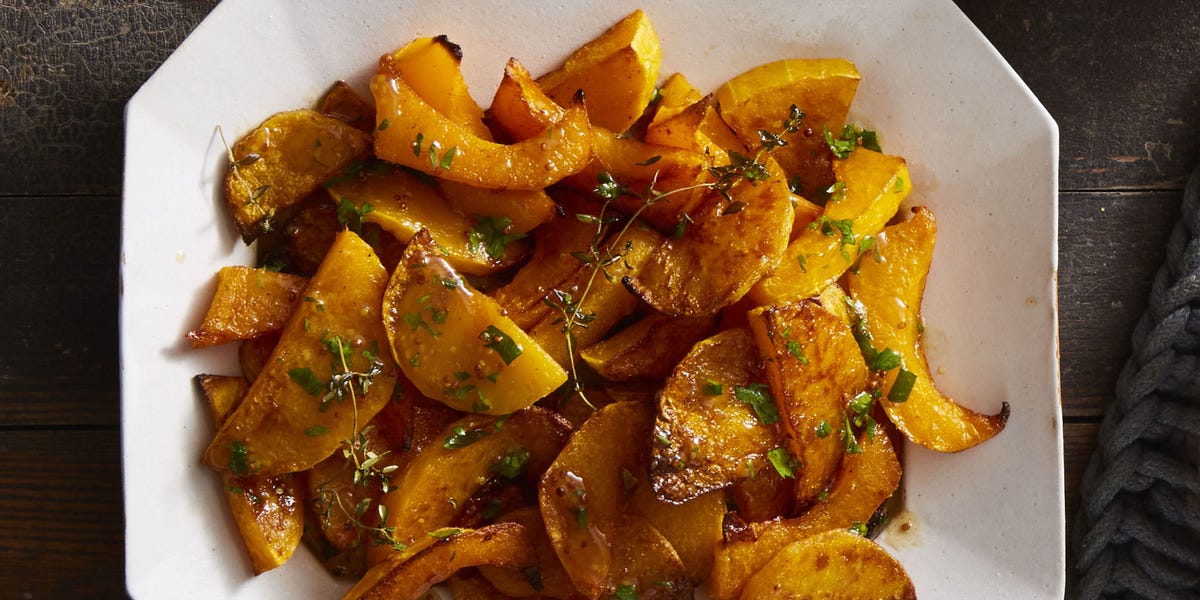
Transfer the roasted squash to a serving platter. Spoon the cider vinaigrette over the warm squash and gently toss. Sprinkle with chopped parsley and any optional toppings you love. Serve warm, room temperature, or tucked into a salad. This dish is flexible, forgiving, and unlikely to judge your serving spoon choices.
Chef-Style Tips for the Best Roasted Butternut Squash
Use Enough Oil, But Not Too Much
Olive oil helps the spices cling to the squash and encourages browning. Too little oil leads to dry, patchy pieces. Too much oil can make the squash greasy. Aim for a light, even coating. The squash should glisten, not look like it just returned from a spa treatment.
Give the Squash Space
Airflow matters. When squash pieces are crowded, they release moisture and steam each other. Spread them out so the edges can brown. Two baking sheets are better than one overpacked pan. This single decision can separate a restaurant-worthy side dish from a pile of soft orange cubes with commitment issues.
Balance Sweetness with Acid
Butternut squash is naturally sweet, and roasting makes it sweeter. The cider vinaigrette keeps the dish lively. Do not skip the vinegar or mustard. They prevent the recipe from becoming heavy and give each bite a clean finish.
Add Crunch at the End
Toasted nuts or seeds are optional, but they add a lot. Pecans and walnuts bring richness. Pumpkin seeds add a pleasant snap. Hazelnuts feel fancy without requiring a tuxedo. Add them just before serving so they stay crisp.
Flavor Variations
Thanksgiving-Ready Version
Add dried cranberries, toasted pecans, and shaved Parmesan. Serve the squash over baby arugula for a warm roasted squash salad that tastes like it belongs between turkey and stuffing.
Maple-Mustard Version
Add 1 tablespoon maple syrup to the vinaigrette and use Dijon mustard instead of whole-grain mustard. This version is slightly sweeter and pairs beautifully with pork tenderloin or glazed ham.
Spicy Version
Add 1/4 teaspoon cayenne pepper or chili powder to the spice blend. Finish with lime zest and cilantro instead of parsley. This variation is excellent with tacos, black beans, or roasted chicken thighs.
Mediterranean Version
Finish with crumbled feta, toasted pistachios, parsley, and a little lemon zest. The salty cheese and citrus make the squash taste brighter and more complex.
What To Serve with Spice-Roasted Butternut Squash
This best spice-roasted butternut squash with cider vinaigrette recipe works with almost any fall or winter main dish. Serve it with roast turkey, herb-roasted chicken, pork loin, baked salmon, lentil loaf, mushroom risotto, wild rice pilaf, or a simple green salad. It also makes an excellent grain bowl component with quinoa, farro, barley, or brown rice.
For a holiday table, pair it with mashed potatoes, green beans, cranberry sauce, stuffing, and roasted Brussels sprouts. For a weeknight dinner, serve it alongside rotisserie chicken and a crisp salad. For lunch, pile leftovers over greens with goat cheese and toasted nuts. That is not “leftovers.” That is meal prep wearing a nice jacket.
Make-Ahead and Storage Tips
You can peel and cut the squash up to two days ahead. Store it in an airtight container in the refrigerator. You can also make the cider vinaigrette up to three days ahead. Keep it chilled, then shake or whisk before using. If the olive oil firms up in the refrigerator, let the dressing sit at room temperature for a few minutes.
Cooked squash keeps well in an airtight container in the refrigerator for up to four days. Reheat it on a baking sheet at 375°F until warmed through. The microwave works too, but the edges will be softer. If you plan to serve this dish for guests, roast the squash shortly before serving and add the vinaigrette while the squash is warm for the best flavor.
Common Mistakes to Avoid
Cutting Uneven Pieces
If some pieces are huge and others are tiny, they will cook unevenly. The small pieces may burn before the large ones become tender. Keep the cuts consistent so the whole batch finishes together.
Skipping the Salt
Salt does not just make food salty; it makes flavor louder. Butternut squash needs salt to balance its sweetness and bring out the spices. Season before roasting and taste again after adding the vinaigrette.
Using Too Much Sugar
A little brown sugar encourages caramelization. Too much turns the recipe into dessert territory. The goal is savory-sweet, not “pumpkin pie’s cousin who got lost at dinner.”
Forgetting to Taste the Vinaigrette
Vinaigrette should always be adjusted. Apple cider varies in sweetness, vinegar varies in sharpness, and mustard varies in strength. Taste before serving and correct with salt, acid, oil, or sweetness as needed.
Nutrition and Ingredient Benefits
Butternut squash is a nutrient-dense winter squash known for its orange flesh, mild sweetness, and versatility. It provides fiber, complex carbohydrates, vitamin A from beta-carotene, vitamin C, potassium, and other helpful micronutrients. It is naturally low in fat, and when roasted with olive oil, herbs, and spices, it becomes a satisfying side dish without needing heavy cream or a mountain of butter.
Apple cider vinegar and mustard add brightness without many extra calories. Olive oil contributes richness and helps carry fat-soluble flavor compounds from the spices. Fresh herbs like thyme and parsley bring aroma and freshness. Together, these ingredients create a dish that feels indulgent while still being vegetable-forward.
Frequently Asked Questions
Can I use frozen butternut squash?
Yes. Roast frozen butternut squash directly from frozen at 425°F. Use a preheated baking sheet if possible, and avoid overcrowding. Frozen squash may be softer than fresh, but it still works well with the cider vinaigrette.
Can I make this recipe vegan?
Yes. Use maple syrup instead of honey in the vinaigrette and skip cheese toppings or use a plant-based alternative.
Can I use apple cider vinegar instead of apple cider?
You need apple cider for the reduced cider base and vinegar for tang. If you only have apple cider vinegar, do not use a full cup as a substitute. Instead, use 1/4 cup vinegar, 2 tablespoons maple syrup, 1 tablespoon mustard, and 1/3 cup olive oil for a sharper vinaigrette.
Can I roast the squash without peeling it?
Butternut squash skin is technically edible when cooked, but it can be tough. For this recipe, peeling gives the best texture and presentation.
Personal Kitchen Experience: Lessons from Making This Recipe Again and Again
The first time I made spice-roasted butternut squash with cider vinaigrette, I learned a valuable lesson: butternut squash does not appreciate hesitation. I stood there with a knife, staring at the squash as if it were a locked safe. Once I trimmed the ends and separated the neck from the bulb, everything became easier. That is still my number one tip for home cooks who feel intimidated by winter squash. Do not wrestle the whole thing at once. Break the job into smaller, flatter, safer pieces.
Another lesson came from pan crowding. I once tried to fit two squash onto one baking sheet because I did not want to wash a second pan. The squash steamed, softened, and emerged with almost no browning. It was edible, yes, but it lacked that roasted magic. The next time, I used two sheet pans and left space between the pieces. The difference was dramatic. The edges browned, the centers turned creamy, and the spices bloomed in the oil. It tasted like the oven had finally decided to participate.
The cider vinaigrette also taught me patience. If you whisk together cider and vinegar without reducing the cider first, the flavor is pleasant but thin. Reducing the cider concentrates its apple flavor and gives the dressing a more luxurious texture. The shallot softens as it simmers, losing its raw bite and blending into the vinaigrette. That little saucepan step may look optional when you are busy, but it is the move that makes people ask, “What is in this?” while reaching for another spoonful.
I also recommend serving the vinaigrette while the squash is still warm. Warm squash absorbs flavor better than cold squash, almost like a sponge with better manners. Spoon the dressing over the roasted pieces, let them sit for five minutes, then add parsley and toppings. If you add nuts too early, they can soften; if you add greens too early, they can wilt. Timing matters, but not in a stressful restaurant way. More like “let the food have its moment” way.
For holiday dinners, I like to arrange the squash on a wide platter instead of piling it into a deep bowl. A platter shows off the caramelized edges and lets the vinaigrette coat the pieces evenly. I usually finish with toasted pecans, pomegranate arils, and parsley. The colors look festive, and the flavors make sense together: sweet squash, tart dressing, crunchy nuts, juicy pops of pomegranate, and fresh herbs. It is the kind of dish that makes the table look more planned than it actually was, which is one of the great secrets of home cooking.
For weeknights, I keep it simpler. Roasted squash, vinaigrette, parsley, done. Leftovers go into lunch bowls with farro, arugula, goat cheese, and leftover chicken or chickpeas. Sometimes I mash the leftover squash slightly and spread it on toast with a fried egg. Is that traditional? Probably not. Is it delicious? Absolutely. Butternut squash is generous like that. It does not demand formality. It just asks for enough heat, enough salt, and a little acid to keep things interesting.
Conclusion
Spice-roasted butternut squash with cider vinaigrette is the kind of recipe that proves a side dish can be both simple and memorable. The squash brings natural sweetness and creamy texture. The spice blend adds warmth and aroma. The cider vinaigrette adds brightness, balance, and a little “hello, I am fancy now” energy. Whether you serve it at Thanksgiving, bring it to a potluck, or make it on a random Tuesday because your pantry contains one determined squash, this recipe delivers big fall flavor with minimal fuss.
Make it once as written, then start playing. Add nuts for crunch, cheese for richness, greens for freshness, or dried fruit for holiday drama. The basic method stays the same: roast hot, season well, reduce the cider, whisk the vinaigrette, and dress the squash while warm. That is how you turn a sturdy winter vegetable into a side dish people remember.












