
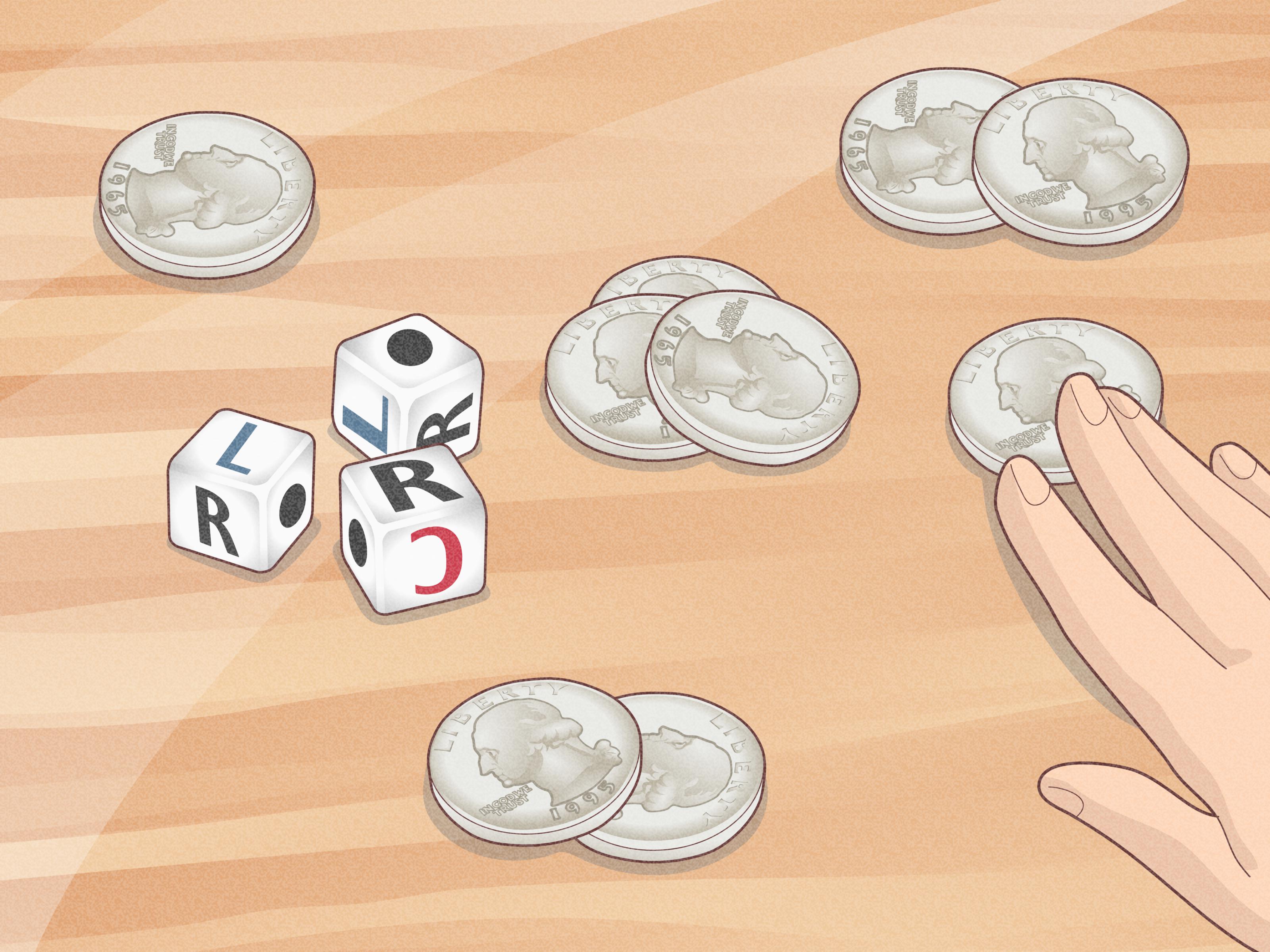
If you love games that require almost no setup, cause immediate laughter, and somehow turn three tiny dice into a full-table drama, LCR may become your new favorite party trick. LCR, short for Left Center Right, is a fast-paced dice game where players pass chips around the table based on what they roll. That is it. No complicated board, no twelve-page rulebook, no one asking, “Wait, whose turn is it again?” every thirty secondswell, maybe just once.
The beauty of LCR is its simplicity. Each player starts with three chips, rolls dice, and either passes chips left, sends them to the center, passes them right, or keeps them safely in front of them. The last player with chips wins the game and usually earns bragging rights that are far louder than the victory deserves. But that is part of the charm.
This guide explains exactly how to play LCR, including setup, dice meanings, examples, winning rules, common mistakes, strategy tips, and fun variations. Whether you are planning a family game night, holiday party, classroom activity, senior-center event, or casual get-together, Left Center Right is easy to learn and surprisingly exciting to watch unfold.
What Is LCR?
LCR is a simple dice game for three or more players. The name stands for Left Center Right, which describes the three main directions your chips may travel during the game. Players sit in a circle, take turns rolling special dice, and follow the instructions shown on the dice faces.
The goal is simple: be the last player who still has at least one chip. Chips that go to the center are usually out of play until the game ends, while chips passed left or right can keep moving around the table like tiny plastic tourists with no itinerary.
LCR is popular because almost anyone can play. Young players can learn the rules quickly, adults can enjoy it as a light party game, and large groups can join without turning the evening into a scheduling committee. It is also highly portable. A standard set usually includes three marked dice, playing chips, and instructions packed into a small tube or tin.
What You Need to Play LCR
To play a standard game of Left Center Right, you need only a few items:
- Three LCR dice with L, C, R, and dot symbols
- Three chips per player
- At least three players
- A flat playing surface such as a table
- A center area where chips are placed when a player rolls C
If you do not have official LCR chips, you can use coins, buttons, poker chips, candies, paper clips, or any small objects that are easy to pass. If you use snacks as chips, prepare for the ancient game-night problem: someone will eat the game pieces. Choose wisely.
LCR Dice Symbols and What They Mean
Official LCR dice are six-sided dice with special markings. Each die usually includes three dot sides and one each of L, C, and R.
| Dice Result | Meaning | Action |
|---|---|---|
| L | Left | Pass one chip to the player on your left. |
| C | Center | Place one chip in the center pot. |
| R | Right | Pass one chip to the player on your right. |
| Dot | Keep | Nothing happens. You keep one chip. |
The dots are your best friends. When you roll a dot, you do not lose or pass a chip for that die. In LCR, doing nothing can be a brilliant outcome. It is the rare game where laziness gets applause.
How to Set Up the LCR Game
Setting up LCR takes less time than deciding what snacks to put on the table. Follow these steps:
- Have all players sit in a circle or around a table.
- Give each player three chips.
- Place the remaining chips aside unless you need extras for more players.
- Choose who goes first. You can pick randomly, let the youngest player begin, roll dice to decide, or honor the person who actually read the rules.
- Play continues clockwise unless your group decides otherwise.
Once everyone has three chips, the first player rolls the dice. From there, the game moves quickly.
How to Play LCR Step by Step
Step 1: Roll the Correct Number of Dice
On your turn, the number of dice you roll depends on how many chips you currently have:
- If you have three or more chips, roll all three dice.
- If you have two chips, roll two dice.
- If you have one chip, roll one die.
- If you have zero chips, roll no dice and pass the dice to the next player.
This rule is important. You can never lose more chips than you currently have because you only roll as many dice as you have chips, up to three dice.
Step 2: Follow Each Dice Result
After rolling, resolve each die one at a time. If you roll an L, pass one chip left. If you roll an R, pass one chip right. If you roll a C, put one chip in the center. If you roll a dot, keep a chip.
For example, suppose you roll L, C, dot. You would pass one chip to the player on your left, place one chip in the center, and keep one chip because of the dot. Your turn ends, and the dice move to the next player.
Step 3: Keep Playing Around the Table
Players continue taking turns clockwise. Chips will move left, right, and into the center. A player with no chips is not eliminated permanently. They simply skip their turn until another player passes them a chip. This is one reason LCR stays exciting: a player can be completely chipless one minute and suddenly back in the game the next.
Step 4: Win as the Last Player With Chips
The game ends when only one player has chips remaining. That player is the winner. In many versions, the winner also takes the center pot, especially when players are using non-cash tokens or agreed-upon prizes.
If your group plays with money, candy, or prizes, set house rules before the game begins. LCR can be played casually with regular chips, and that is often the best option for family-friendly fun.
Example Round of LCR
Let us say four players are sitting in this order: Ava, Ben, Chloe, and Daniel. Each player starts with three chips.
Ava rolls first and gets L, R, dot. She gives one chip to Daniel on her left, one chip to Ben on her right, and keeps one chip. She now has one chip left.
Ben rolls next. He has four chips because Ava passed him one. Since he has three or more chips, he rolls all three dice. He gets C, C, R. He puts two chips in the center and passes one chip to Chloe. Ben now has one chip.
Chloe has four chips after receiving one from Ben. She rolls dot, dot, L. She keeps two chips and passes one chip to Ben. Chloe now has three chips.
Daniel has four chips because Ava passed him one. He rolls R, R, C. He passes two chips to Ava and puts one chip in the center. Now Ava is back in business with three chips.
This example shows why LCR is so unpredictable. You can be nearly out, then suddenly receive chips from both sides like the universe remembered your mailing address.
Can You Play LCR With Regular Dice?
Yes, you can play LCR with regular six-sided dice if you do not have the official dice. Assign each number a meaning:
- 1, 2, and 3: Dot, meaning keep your chip
- 4: L, pass one chip left
- 5: C, place one chip in the center
- 6: R, pass one chip right
This method works well for travel, classrooms, or last-minute game nights. You can even write the number meanings on a small card and place it in the middle of the table so nobody has to ask, “Was six left or right?” for the eighth time.
How Many People Can Play LCR?
LCR works best with three or more players. It can be played with small groups, but the game becomes more energetic with larger circles because chips move in more interesting ways. For a family game night, four to eight players is a comfortable range. For parties, you can include many more players as long as everyone has chips and can reach the dice.
If you have a large group, use extra coins or tokens. The core rule remains the same: each player starts with three chips. Large games may last longer, but they also create more dramatic comebacks and louder reactions when someone rolls three Cs and sends their entire fortune to the center.
How Long Does a Game of LCR Take?
Most LCR games are short. A typical round may take around 10 to 20 minutes depending on the number of players and how quickly turns move. Small groups may finish faster, while large groups can take longer because chips keep circulating.
The quick playtime makes LCR a strong choice for casual gatherings. You can play one round as an icebreaker or run several rounds throughout the evening. Since the rules are easy, new players can join between games without slowing everything down.
Is There Strategy in LCR?
LCR is mostly a game of luck. You roll the dice and follow the results. Unlike card games or board games that involve planning, negotiation, or tactical choices, LCR gives players very little control once the dice hit the table.
That does not mean the game is boring. The fun comes from suspense, randomness, and table interaction. You may not be able to control the dice, but you can control the energy you bring to the game. Cheer for unlikely comebacks, groan dramatically when chips vanish into the center, and pretend that rolling dots is a sophisticated long-term strategy. Nobody needs to know otherwise.
Practical Tips for Playing Better
- Pay attention to chip counts. Knowing who has chips keeps the game moving smoothly.
- Roll only the dice you are allowed to roll. If you have one chip, roll one die, not three.
- Resolve dice carefully. Handle each die result one at a time to avoid confusion.
- Stay engaged even with zero chips. You can receive chips again and rejoin the action.
- Set prize rules early. Decide before playing whether the winner gets the center pot or just the title.
Common LCR Mistakes to Avoid
Because LCR is easy, most mistakes are small. Still, a few errors can cause confusion:
Rolling Too Many Dice
The most common mistake is rolling three dice when you have only one or two chips. Always match your dice count to your chip count, up to a maximum of three dice.
Thinking Zero Chips Means You Are Out Forever
In LCR, having no chips does not mean you are eliminated. You skip your turn, but you may receive chips later from another player’s roll.
Forgetting That Center Chips Usually Stay There
In standard LCR, chips placed in the center are removed from active play until the game ends. Some variations bring them back, but classic rules keep the center pot locked away.
Starting Without House Rules
If you are playing with money, candy, or prizes, decide the rules before the first roll. Clear rules prevent awkward debates later, especially when the center pot suddenly looks very attractive.
Popular LCR Variations
Once your group understands the basic Left Center Right game rules, you can try variations to add flavor.
LCR Wild
Some versions include a wild symbol that changes the action. Depending on the edition, wild rolls may allow players to take chips from opponents or the center. Always read the instructions for your specific version because wild rules can differ.
Last Chip Wins
In this version, the final player with chips wins as usual, but the tension is higher because players may continue hoping for a last-second pass. This variation works well with enthusiastic groups who enjoy dramatic endings.
Prize Pot LCR
Players use wrapped candies, small party favors, or other harmless prizes instead of plastic chips. The winner gets the center pot. This is especially fun for holiday parties, classroom celebrations, or family reunions.
Team LCR
For large gatherings, split players into teams and track team chips. This variation adds light cooperation while keeping the easy dice-rolling format intact.
Why LCR Is Great for Parties and Family Game Night
LCR succeeds because it removes the usual barriers to playing a game. Nobody needs to memorize complex rules. Nobody needs to be “good” at it. Nobody has to spend forty minutes setting up plastic castles, miniature armies, or a board the size of a dining room rug.
The game is also naturally social. Players cheer, tease, gasp, and laugh as chips move around the table. Because turns are quick, the game rarely drags. Even players with no chips remain interested because they can jump back into the action if someone passes chips their way.
For kids, LCR can help reinforce left and right directions, counting, turn-taking, and following instructions. For adults, it is a low-pressure game that works well while chatting, snacking, or waiting for dinner. For grandparents, parents, cousins, neighbors, and friends, it is one of those rare games that does not require everyone to share the same gaming experience level.
Frequently Asked Questions About LCR
Do you need exactly three chips per player?
Three chips per player is the standard setup. You can use more for a longer game, but three keeps the game fast and familiar.
Can two people play LCR?
LCR is designed for at least three players because passing left and right works better in a circle. Two-player versions are possible, but they are less exciting and not the standard way to play.
What happens if everyone but one player has zero chips?
The player who still has chips is the winner. In many games, that player also wins the center pot.
Can a player with zero chips still win?
Yes. A player with zero chips can receive chips from another player and rejoin the game. Until the game ends, never count anyone out.
Is LCR a gambling game?
LCR can be played casually with chips, tokens, or candy. Some adults play with coins or bills, but that is optional and should only be done where appropriate. For family play, regular chips are best.
Personal Experience: What Playing LCR Feels Like in Real Life
The first thing you notice when playing LCR is how quickly everyone understands it. You explain the rules in under a minute, someone rolls the dice, and suddenly the table is emotionally invested in tiny chips moving left and right. It feels almost too simple at first. Then someone rolls three Cs, loses all their chips to the center, and the room reacts as if a championship trophy just fell into a volcano.
One of the funniest parts of LCR is that players create their own sense of strategy even though the dice are doing nearly all the work. Someone will shake the dice with great seriousness, whisper encouragement to them, blow on them like they are in a casino movie, and then roll L, C, R like destiny personally shrugged. Another player will roll three dots and act like they planned it from the beginning. LCR has a way of turning pure chance into theater.
The game is especially good for mixed-age groups. Children enjoy the simple actions: pass left, pass right, center, keep. Adults enjoy the pace and the silliness. Older relatives can join without needing to learn a complicated board game. It creates a shared activity where no one feels left behind, which is harder to find than it should be.
Another great experience is the comeback factor. In many games, when you lose your pieces, money, cards, or position, you are basically done. In LCR, having zero chips does not make you a spectator forever. You might sit there dramatically empty-handed, only to receive two chips from the players beside you and return to the game like a hero in the final act. This keeps everyone watching, laughing, and hoping.
LCR also works beautifully as a warm-up game. At parties, people sometimes hesitate to start a heavy game because they are still arriving, grabbing snacks, or catching up. LCR fills that gap perfectly. It does not demand silence or deep concentration. You can play while talking, eating, and joking. If someone joins late, they can jump into the next round easily.
The best LCR sessions usually come from groups that keep the mood light. Since the game is driven by luck, it is not worth getting too serious about winning. The fun is in the reactions: the groans, cheers, fake betrayal when your neighbor passes you nothing, and wild celebration when you survive with one lonely chip. In that sense, LCR is less about mastering rules and more about creating a small pocket of shared chaos.
If you want the game to feel even more memorable, choose fun tokens. Wrapped candies make the center pot exciting. Poker chips make it feel official. Holiday-themed tokens can turn it into a Christmas, Halloween, or birthday party game. Just avoid anything too tiny, messy, or edible before the final round unless your group has excellent snack discipline. Most groups do not.
Overall, the experience of playing Left Center Right is simple, social, and surprisingly dramatic. You are not building an empire or solving a mystery. You are passing chips because a die told you to, and somehow that is enough. Sometimes the best game-night moments come from the easiest gamesthe ones where everyone can play, everyone can laugh, and nobody needs to ask whether page seven of the rulebook overrides page twelve.
Conclusion
Learning how to play LCR is quick, but the fun can last all evening. Each player starts with three chips, rolls the number of dice matching their chip count, and follows the dice results: pass left, place in the center, pass right, or keep. The last player with chips wins.
Left Center Right is not complicated, and that is exactly why it works. It is portable, affordable, easy to teach, and suitable for a wide range of ages. Whether you use official LCR dice, regular dice, plastic chips, coins, or candy, the game creates instant suspense with almost no effort. It is the kind of game that proves you do not need complex rules to have a great timejust a few dice, a handful of chips, and people willing to cheer dramatically for dots.












