Marble countertops are the drama queens of the kitchenin the best possible way. They are elegant, cool to the touch, naturally patterned, and capable of making even a bowl of cereal look like it belongs in a magazine spread. But marble is also softer and more reactive than many other countertop materials, which means it needs a little more thought than “spray whatever is under the sink and hope for the best.”
The good news? Protecting a marble countertop is not complicated. You do not need a chemistry degree, a hazmat suit, or a daily ritual involving candles and chanting. You simply need the right habits: clean gently, wipe spills quickly, use the correct sealer, avoid acidic products, and treat your marble like a beautiful natural stone rather than an indestructible cutting board.
This guide explains how to protect a marble countertop in 12 practical steps, with clear examples, maintenance tips, and real-world advice for keeping marble looking bright, smooth, and expensiveinstead of sad, dull, and “what happened here?”
Why Marble Countertops Need Protection
Marble is a natural stone made largely of calcite, a mineral that reacts with acids. That is why lemon juice, vinegar, wine, tomato sauce, and many all-purpose cleaners can leave dull marks known as etches. An etch is not dirt sitting on top of the stone. It is a change in the surface finish. In other words, scrubbing harder usually makes the problem worse, not better. Marble can also absorb liquids through tiny pores, which is why sealing is important for reducing stains.
The key idea is simple: a marble sealer helps slow down staining, but it does not make marble invincible. Think of sealer like sunscreen. Helpful? Absolutely. A magical force field? Sadly, no. You still need coasters, cutting boards, trivets, and quick cleanup habits.
How to Protect a Marble Countertop: 12 Steps
1. Start by identifying your marble finish
Before you protect your marble countertop, look at the finish. Polished marble has a glossy, reflective shine. Honed marble has a softer, matte appearance. Both are beautiful, but they show damage differently. Polished marble tends to reveal etching more clearly because dull spots stand out against the shine. Honed marble may hide small etches better, but it can still stain and scratch.
Knowing your finish helps you choose the right cleaning products and expectations. If you want a countertop that develops a relaxed, lived-in look, honed marble may be more forgiving. If you want a glossy showpiece, you will need to be more careful with acids and abrasive tools.
2. Clean daily with a pH-neutral cleaner
The safest everyday cleaning routine for marble is warm water plus a pH-neutral stone cleaner or a small amount of mild dish soap. Use a soft microfiber cloth, wipe the surface gently, then rinse with clean water and dry with another cloth. Drying matters because water spots and mineral deposits can leave the countertop looking cloudy over time.
Avoid the temptation to use heavy-duty cleaners for ordinary crumbs and fingerprints. Marble is not a greasy garage floor. A gentle cleaner is usually enough. For daily kitchen messes, a simple wipe-down after cooking keeps residue from building up and reduces the chance of stains.
3. Avoid vinegar, lemon juice, and acidic cleaners
Vinegar is great for many household jobs, but marble is not one of them. The same goes for lemon juice, lime juice, citrus-based sprays, bathroom cleaners, descaling products, and many “natural” cleaning solutions. Natural does not always mean marble-safe. A lemon is natural, but it can still etch your countertop like a tiny yellow villain.
Acidic products can dull the finish, create cloudy spots, and weaken the look of the stone. If a cleaner does not clearly say it is safe for natural stone or marble, skip it. Your countertop does not need a surprise science experiment.
4. Wipe spills immediately, especially acidic ones
Fast cleanup is one of the easiest ways to protect a marble countertop. Spills from coffee, tea, wine, tomato sauce, fruit juice, vinegar-based salad dressing, and cooking oil should be blotted right away. Blotting is better than wiping because wiping can spread the spill over a larger area.
Keep a microfiber cloth nearby if your marble is in a busy kitchen. When a splash happens, blot it, clean the area with a marble-safe cleaner, rinse lightly, and dry. This small habit can prevent many stains and etch marks before they get comfortable.
5. Use cutting boards every single time
Marble may feel solid and luxurious, but it is not a cutting surface. Knives can scratch marble, and acidic foods can etch it while you chop. Cutting lemons, tomatoes, pickles, or onions directly on marble is basically inviting trouble over for dinner.
Use a cutting board for all food prep. Better yet, keep two boards handy: one for produce and one for meat or fish. This protects the marble and improves kitchen hygiene. If you bake often, marble is wonderful for rolling pastry because it stays cool, but even then, clean and dry the surface before and after use.
6. Place coasters under glasses and bottles
Coasters are not just for fancy living rooms where people whisper near beige furniture. They are practical marble protection tools. Drinks can leave rings, and acidic beverages such as wine, soda, lemonade, and cocktails can etch the surface if they sit too long.
Use coasters under glasses, mugs, bottles, oil dispensers, and soap containers. In bathrooms, place trays under perfumes, lotions, toothpaste, and skincare products. Many personal-care products contain ingredients that can stain or dull marble. A small tray can save a big repair bill.
7. Use trivets and mats under hot items
Marble handles heat better than some materials, but sudden temperature changes and prolonged heat exposure are still not ideal. Hot pans, slow cookers, air fryers, toaster ovens, and coffee machines can create stress, discoloration, or damage to sealers over time.
Use trivets under hot cookware and protective mats under appliances that stay warm. This is especially important for small appliances that sit in one spot every day. A toaster oven parked directly on marble for months can create a problem you do not notice until rearranging the counter.
8. Seal the marble when it needs it
Sealing is one of the most important steps in marble countertop protection. A penetrating or impregnating sealer absorbs into the stone and helps repel liquids. It does not sit on top like plastic wrap, and it does not stop etching, but it gives you more time to clean spills before they become stains.
How often should you seal marble? It depends on the stone, the finish, the type of sealer, and how much use the countertop gets. Some marble may need sealing every six to twelve months, while other surfaces may go longer. High-traffic kitchens usually need more attention than a guest bathroom vanity that sees one toothbrush and occasional dramatic lighting.
9. Do the water-drop test
The water-drop test is a simple way to check whether your marble may need resealing. Place a few drops of water on several areas of the countertop, especially near the sink, prep zone, and coffee station. Wait for a short period according to your sealer or stone-care guidance. If the water darkens the stone or absorbs quickly, it may be time to reseal.
Do not test only one corner that nobody uses. The area near the sink may wear differently from the island edge or the spot where you make coffee every morning. Marble protection should match real life, not showroom life.
10. Apply sealer correctly
When sealing marble, start with a clean, dry countertop. Remove crumbs, grease, soap residue, and old surface grime. Let the stone dry fully before applying the sealer because sealing damp marble can trap moisture and reduce performance.
Follow the product label carefully. Most marble sealers are spread evenly over the surface, allowed to penetrate for a set time, and then buffed off before the sealer dries on top. This last part is important. If excess sealer dries on the surface, it can leave streaks or haze. Work in manageable sections, ventilate the room, and use clean cloths.
11. Treat stains with a poultice, not panic
If you find a stain, do not attack it with bleach, vinegar, abrasive powder, or a mystery cleaner from the back of the cabinet. First, determine whether the mark is a stain or an etch. A stain usually looks darker because something has absorbed into the stone. An etch often looks dull, pale, or rough because the surface finish has been damaged.
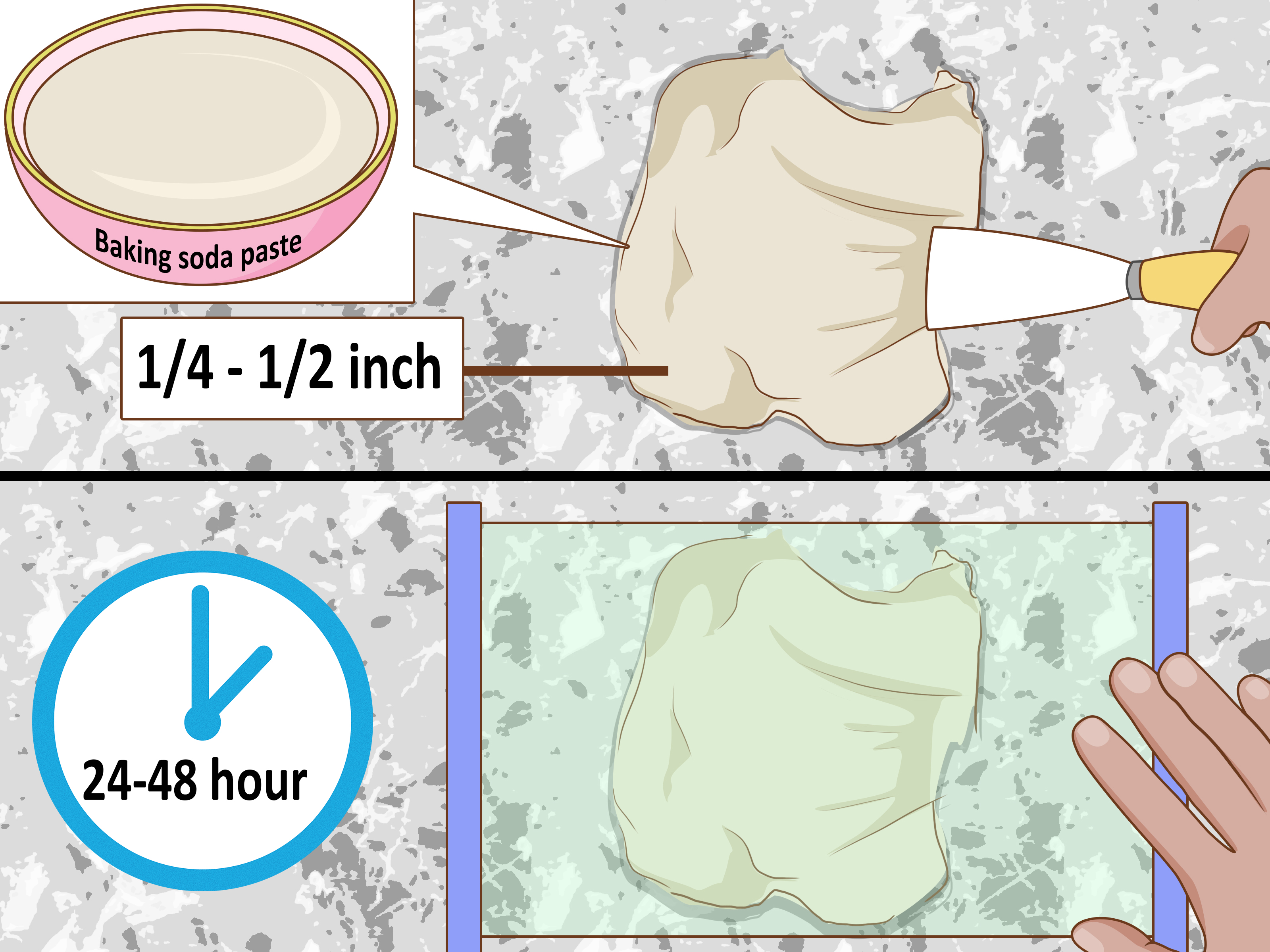
For true stains, a marble-safe poultice may help draw the discoloration out of the stone. A poultice is usually a paste made with an absorbent material and an appropriate cleaning agent. It is applied to the stain, covered, left to work, and then removed after it dries. For deep, old, or stubborn stains, calling a stone-care professional is often smarter than experimenting.
12. Schedule professional maintenance when needed
Even well-protected marble may eventually show scratches, etches, dull patches, or uneven shine. That does not mean you failed. It means the countertop is real marble living a real life. A professional stone restoration specialist can hone, polish, reseal, and restore the surface more evenly than most DIY methods.
If your countertop has widespread etching, deep scratches, or cloudy areas that do not improve with proper cleaning, professional refinishing may be the best solution. Think of it as a spa day for your countertopexcept instead of cucumber water, there is specialized equipment.
Common Mistakes That Damage Marble Countertops
Using all-purpose cleaner
Many all-purpose cleaners are too harsh or too acidic for marble. Even if they smell fresh and promise a sparkling kitchen, they may dull the stone. Choose products labeled safe for marble or natural stone.
Letting dish soap build up
Mild dish soap can be safe when diluted, but too much soap can leave a film. Use only a small amount, rinse with clean water, and dry the surface thoroughly.
Scrubbing with abrasive pads
Steel wool, rough scrubbers, scouring powders, and magic-style erasers can scratch or dull marble. Use microfiber cloths or soft sponges instead.
Assuming sealer prevents etching
This is one of the biggest marble myths. Sealer helps reduce staining, but acids can still etch marble. A sealed countertop can still be damaged by lemon juice, vinegar, wine, and tomato sauce if they sit on the surface.
Best Products and Tools for Marble Countertop Protection
You do not need a cabinet full of specialty products, but a few marble-safe tools make maintenance easier. Keep these items available:
- pH-neutral stone cleaner
- Soft microfiber cloths
- Non-abrasive sponge
- Marble-safe penetrating sealer
- Coasters and trays
- Cutting boards
- Trivets or heat-resistant mats
- Stone-safe poultice for stains
Label your marble cleaner clearly so nobody grabs the wrong bottle. If you hire a housecleaner, tell them exactly what products are safe for the countertop. Many marble disasters begin with someone trying to be helpful using vinegar. Good intentions, terrible finish.
Weekly and Monthly Marble Maintenance Routine
Weekly routine
Once a week, give your marble a more careful cleaning. Remove appliances and trays, wipe underneath them, clean with a pH-neutral product, rinse lightly, and dry. Look for early signs of staining around oil bottles, coffee makers, soap dispensers, and fruit bowls.
Monthly routine
Once a month, inspect the countertop in natural light. Check for dull spots, scratches, rings, or areas where water absorbs faster. This is also a good time to wash coasters, clean trays, and check whether appliance feet are leaving marks.
Seasonal routine
Every few months, consider doing a water-drop test in high-use areas. If the stone absorbs water quickly, plan to reseal. If your marble still repels water well, keep following your daily protection habits.
Experience-Based Tips for Protecting a Marble Countertop
After seeing how marble behaves in real kitchens and bathrooms, one lesson becomes very clear: marble rewards people who build small habits. It does not require constant worry, but it does respond well to consistency. The homeowners who stay happiest with marble are usually not the ones who treat it like a museum artifact. They are the ones who understand its personality.
For example, the coffee station is often the first place where marble starts showing trouble. Coffee itself can stain, but the bigger issue is the routine around it: drips, sugar, spoons, mugs, milk, and heat from the machine. A simple tray under the coffee maker can prevent rings and make cleanup easier. The same idea works near the sink. A tray under dish soap, hand soap, and scrub brushes keeps moisture and product residue from sitting directly on the stone.
Another useful habit is the “clean as you cook” method. When making pasta sauce, salad dressing, lemonade, salsa, or anything involving tomatoes or citrus, wipe splashes as they happen. Waiting until dinner is over gives acidic ingredients more time to mark the surface. It is not about being nervous; it is about being quick. Marble does not mind a busy kitchen. It just does not enjoy being marinated in vinaigrette.
Families with kids or frequent guests may want to create a visible system. Keep cutting boards easy to grab, place coasters in obvious spots, and store the stone cleaner where adults can find it quickly. If the only cutting board is buried under three baking pans and a waffle maker, someone will eventually slice a lime directly on the counter. Convenience protects marble better than lectures.
Bathrooms have their own marble challenges. Toothpaste, mouthwash, perfume, hair products, and skincare items can leave marks or residue. A decorative tray solves most of this. It also makes the vanity look organized, which is a nice bonus if your bathroom counter normally looks like a beauty aisle had a small earthquake.
One of the best mindset shifts is accepting that marble develops character. Tiny signs of use may appear over time, especially in active kitchens. Some people love this soft patina because it makes the stone feel warm and authentic. Others prefer a perfect polished look and should plan for more careful maintenance or occasional professional polishing. Neither approach is wrong. The mistake is expecting marble to behave like quartz or stainless steel.
If you are new to marble, start with a simple rule: nothing acidic, oily, hot, wet, or sharp should sit directly on the surface longer than necessary. That rule sounds dramatic, but in practice it just means using coasters, boards, trays, and trivets. Once those habits become automatic, marble care feels easy.
Finally, do not experiment with internet cleaning hacks unless they are specifically safe for marble. Baking soda, vinegar, lemon, abrasive powders, and bathroom cleaners appear in many cleaning tips, but marble is different. When in doubt, test a hidden area or ask a stone professional. Protecting marble is often less about doing fancy things and more about not doing the wrong things with enthusiasm.
Conclusion
Protecting a marble countertop comes down to smart prevention. Clean it with pH-neutral products, wipe spills quickly, use coasters and cutting boards, keep hot appliances on mats, and seal the stone when needed. Marble may be more sensitive than some countertop materials, but with the right routine, it can remain stunning for years.
The secret is not perfection. It is preparation. Give marble a little respect, and it will give your kitchen or bathroom that timeless, elegant look people pretend not to envy when they visit.