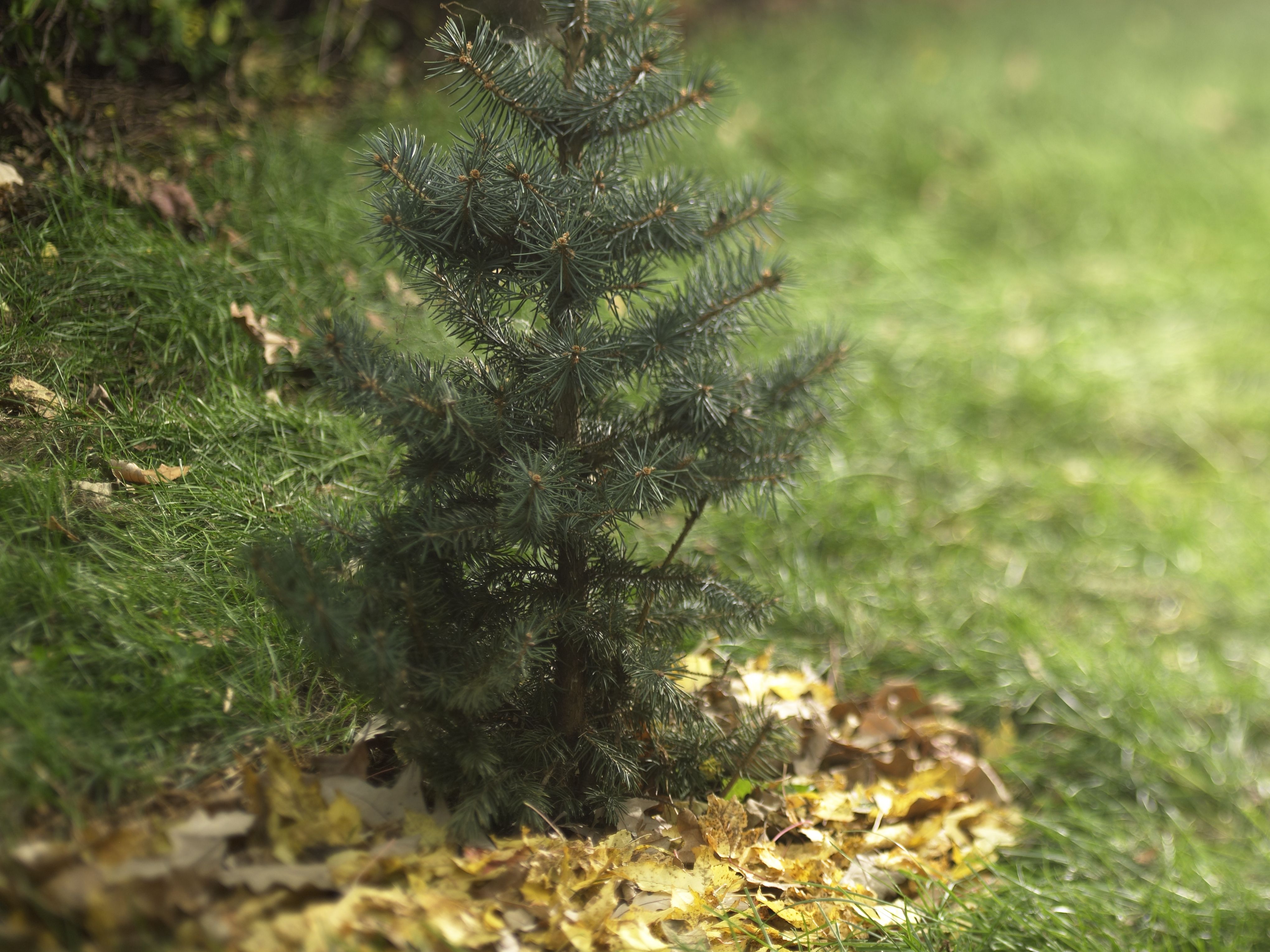
Newly planted trees and shrubs enter winter like freshmen on the first day of school: hopeful, slightly confused, and not nearly as prepared as they think. Their roots are still settling in, their energy reserves are limited, and their bark and foliage have not yet learned how to laugh in the face of freezing wind. That is why a plant that looked perfectly happy in October can look dramatically less thrilled by February.
The good news is that winter protection does not have to look like a botanical panic room. A few smart steps taken in late fall can make a huge difference. Proper watering, sensible mulching, wind protection, trunk guards, and a little restraint with pruning and fertilizer can help newly planted trees and shrubs survive their first cold season with far less stress.
In this guide, you will learn exactly how to protect newly planted trees and shrubs in winter, what mistakes to avoid, and how to match your protection strategy to the type of plant in your yard. Whether you planted a young maple, a row of arborvitae, or a few foundation shrubs you are already emotionally attached to, this article will help you get them through the cold months in one piece.
Why Newly Planted Trees and Shrubs Need Extra Winter Protection
Established trees and shrubs have large root systems that reach deeper into the soil and can better handle swings in temperature and moisture. Newly planted ones do not. Their roots are limited to the planting area and nearby soil, so they are more vulnerable to winter injury, drying winds, frost heaving, and temperature extremes.
Winter damage is not always about dramatic cold snaps, either. In many cases, the real trouble comes from desiccation, which is a fancy way of saying the plant loses more moisture than it can replace. Evergreens are especially prone to this because they continue to lose water through their needles or leaves even in winter. If the ground is frozen and roots cannot take up enough moisture, the foliage can dry out and burn.
Young trunks can also suffer from sunscald or frost cracking. This happens when winter sun warms the bark during the day and temperatures plunge again at night. Add hungry rabbits, voles, or deer to the mix, and your new landscape can go from “future showpiece” to “mystery stick collection” by spring.
Start With the Basics: Right Plant, Right Place
The first layer of winter protection actually begins before winter. A plant that is suited to your local climate has a much better chance of making it through the season. Before planting, check your USDA hardiness zone and choose trees and shrubs rated for your area. A plant that is only marginally hardy may survive in a sheltered spot, but it will need more protection and still may struggle in a rough winter.
Site choice matters, too. Plants growing in exposed areas, along open driveways, near reflective walls, or next to salted roads face extra stress. Broadleaf evergreens such as boxwood, rhododendron, and holly often suffer in places that combine bright winter sun with drying wind. If you are planting in one of those locations, plan ahead for windbreaks or other barriers before the weather turns nasty.
The Most Important Step: Water Before the Ground Freezes
If you remember only one thing from this article, let it be this: newly planted trees and shrubs need enough water going into winter. Dry roots are far more likely to suffer damage once the soil freezes. A dry fall often leads to a rough winter for new plantings, especially evergreens.
Give newly planted trees and shrubs a deep soaking in late fall, particularly if rainfall has been limited. The goal is to moisten the root zone thoroughly before the ground freezes. Deep watering encourages roots to keep growing into the surrounding soil for as long as conditions allow. That gives the plant a better shot at entering winter hydrated and stable.
Do not confuse deep watering with daily sprinkling. A shallow splash may make the soil surface look damp, but it does not help the deeper roots much. Slow, deep watering is better. Think “long drink,” not “dramatic misting.”
How to Water Smartly in Late Fall
Water at the base of the plant rather than spraying foliage. Focus on the area over and just beyond the root ball. If temperatures are still above freezing, continue checking soil moisture through fall. Once the ground begins to freeze consistently, you can stop regular watering.
Mulch Like a Pro, Not Like a Volcano
Mulch is one of the best winter tools for newly planted trees and shrubs because it helps regulate soil temperature, conserve moisture, reduce weed competition, and protect roots from extreme freeze-thaw cycles. But mulch only works when it is applied correctly.
The sweet spot is generally 2 to 4 inches of organic mulch, such as shredded bark or wood chips, spread over the root zone. Keep the mulch several inches away from the trunk or stems so the root flare remains visible. In other words, aim for a donut, not a volcano. If mulch touches the trunk, it can trap moisture, invite decay, and encourage pests. No tree dreams of being buried in a mulch turtleneck.
For newly planted shrubs, extend mulch out over the root area. For young trees, widen the mulch ring as much as practical. A broader mulched zone reduces turf competition and protects the root system far better than a tiny decorative circle that looks nice but does very little.
Should You Add Extra Mulch for Winter?
In cold climates, a slightly deeper winter mulch layer can help recently planted trees and shrubs by reducing frost penetration and buffering rapid temperature changes. Just remember to keep it off the trunk and avoid piling it high. In spring, check the mulch depth and pull back any excess if needed.
Protect the Trunk From Sunscald, Frost Cracks, and Hungry Critters
Young trees, especially those with thin bark, are vulnerable in winter. Bright winter sun can warm the bark during the day, and then nighttime cold can cause damaging temperature swings. This can lead to sunscald or bark splitting, particularly on the south or southwest side of the trunk.
A white tree guard or commercial white tree wrap can help reflect sunlight and moderate bark temperature. This is especially useful for newly planted deciduous trees and thin-barked species. Put guards on in fall and remove or loosen them in spring so they do not trap moisture or become a long-term problem.
Tree guards also help protect against rabbits, mice, and voles, which may chew bark when snow covers their usual food supply. If you live in an area with serious animal pressure, a physical barrier such as hardware cloth or wire fencing around the base of the trunk may be more effective than a simple wrap. Deer are a different challenge altogether. They browse buds and twigs and can rub antlers on young trunks, so taller fencing may be needed where deer are common.
Animal Damage Is Sneakier Than It Looks
Rodent damage often happens under snow cover, so the plant can look fine until spring reveals a nasty surprise. If the bark has been chewed all the way around the trunk, the plant may be girdled and unable to recover. Prevention is far easier than a springtime gardening crisis.
Shield Evergreens From Wind and Winter Burn
Evergreens deserve special attention because they continue losing moisture in winter. Newly planted arborvitae, boxwood, holly, and rhododendron are especially prone to winter burn, which can show up as browned foliage, scorched leaf edges, or dried-out branch tips in late winter or early spring.
The best protection is a combination of good fall watering and a physical barrier that reduces wind and direct winter sun. A burlap screen works well for this. Notice the word screen. In many cases, it is better to create a windbreak around the plant than to wrap it tightly like a leftover sandwich.
For a single exposed shrub, drive stakes into the ground and attach burlap to the windward side, or around the plant while leaving space between the burlap and foliage. For a row of shrubs, build a simple barrier along the side facing prevailing winds. The goal is to reduce stress, not smother the plant.
Avoid black plastic or airtight coverings. They can cause temperature swings, trap moisture, and create more trouble than they prevent. If you use burlap, keep the top open unless you are using a specific structure designed for severe exposure.
What About Anti-Desiccant Sprays?
Some gardeners use anti-desiccant sprays on broadleaf evergreens to reduce moisture loss. These products can help in some situations, but results vary with timing, species, and weather. They should not replace proper watering, mulching, or wind protection. Think of them as a supporting actor, not the star of the winter protection show.
Do Not Accidentally Encourage Tender New Growth
One of the most common cold-weather mistakes is babying a plant at exactly the wrong time. Late summer or fall fertilizing, heavy watering right up until freeze-up, or late pruning can all stimulate fresh growth that does not have time to harden off before winter. That tender new growth is much more likely to be damaged.
If your tree or shrub is newly planted, skip fertilizer unless a soil test or local expert specifically recommends it. Most new woody plants need time to establish roots more than they need a nitrogen pep talk. Likewise, avoid late-season pruning unless you are removing dead, damaged, or hazardous branches.
Do Newly Planted Trees Need Staking in Winter?
Not always. Many newly planted trees do just fine without staking, and unnecessary staking can actually slow proper trunk development. Trees need some natural movement to build strength. However, staking may be helpful on very windy sites, for top-heavy trees, or where the root ball needs extra stability.
If you stake a tree, do it correctly and treat it as temporary support. The ties should be flexible, not tight, and the staking system should usually be removed after one growing season or about a year. Leaving stakes on too long can damage the bark, restrict movement, and create weak structure.
How to Protect Different Types of New Plantings
Newly Planted Deciduous Trees
Focus on deep fall watering, a wide mulch ring, and trunk protection. Thin-barked trees such as maples, fruit trees, and some ornamentals often benefit from white guards or wrap to reduce sunscald.
Newly Planted Evergreen Trees
These need careful watering before freeze-up and may need burlap windbreaks if planted in exposed sites. Arborvitae, spruce, and fir can also suffer branch damage from heavy snow or ice, so brush off snow gently if it piles up.
Broadleaf Evergreens
Plants such as boxwood, holly, and rhododendron are especially sensitive to winter sun and wind. Use mulch, water well in fall, and consider burlap screens where exposure is high.
Newly Planted Shrubs in Foundation Beds
Watch for reflected heat from walls during sunny winter days, salt spray from driveways or sidewalks, and snow piled from plows. Even a hardy shrub can struggle if it is getting blasted from three directions at once.
Common Winter Problems and What They Look Like
Winter burn: Brown, dry foliage on evergreens, often on the side facing wind or sun.
Sunscald: Cracked or discolored bark on young trunks, often on the south or southwest side.
Frost heaving: Small shrubs or perennials lifting out of the soil after repeated freeze-thaw cycles.
Animal browsing: Missing twigs, chewed bark, clipped branch tips, or rubbed trunks.
Salt injury: Browning along leaf edges or dieback on plants near roads, sidewalks, or driveways where de-icing salts are used.
What Not to Do
Do not mound mulch against trunks. Do not wrap plants in black plastic. Do not fertilize late in the season just because the plant looks “sad.” Do not assume snow is always protective; deep snow can also hide rodent feeding. And do not forget to remove or adjust wraps, guards, and stakes in spring. Winter protection should be seasonal, not permanent décor.
A Simple Winter Protection Checklist
- Check that the plant is suited to your hardiness zone and exposure.
- Water deeply in late fall before the ground freezes.
- Apply 2 to 4 inches of mulch over the root zone, keeping it off the trunk.
- Install white trunk guards or wraps on vulnerable young trees.
- Add fencing or hardware cloth if rabbits, voles, or deer are a problem.
- Build burlap windbreaks for exposed evergreens and broadleaf evergreens.
- Avoid late pruning and unnecessary fall fertilizing.
- Remove, loosen, or reassess seasonal protections in spring.
Final Thoughts
If you want to know how to protect newly planted trees and shrubs in winter, the answer is not one miracle product or one dramatic wrapping ritual. It is a series of simple, smart actions that help the plant stay hydrated, stable, and protected from the most common winter threats.
Start with deep watering before the ground freezes. Add mulch the right way. Guard trunks from sunscald and chewing pests. Shield exposed evergreens from wind. And resist the urge to “help” with late fertilizer or pruning that only creates more tender growth before cold weather.
Done well, winter protection is mostly quiet work. There is no confetti, no standing ovation, and no award for “Best Use of Burlap in a Supporting Role.” But when spring arrives and your young trees and shrubs leaf out strong, healthy, and very much alive, that is a pretty satisfying trophy.
Experience-Based Notes From Real Winter Gardens
One of the most common experiences gardeners talk about after planting trees and shrubs in fall is how healthy everything looked going into winter. The leaves were glossy, the branches were upright, and the whole yard had that satisfying “I absolutely know what I am doing” energy. Then late winter arrived, and suddenly a boxwood looked toasted, an arborvitae was bronzing, and a young tree had chew marks near the base. That is usually the moment winter protection stops sounding optional.
A practical lesson many people learn the hard way is that watering matters longer than expected. Once the air turns cool, it is easy to assume nature has taken over. But newly planted roots are still settling in, and a dry fall can quietly set them up for stress months later. Gardeners who make a habit of giving new plants a final deep soak before freeze-up often notice better spring recovery than those who rely on a few random autumn rains and wishful thinking.
Mulch is another area where experience teaches fast. Many people start with good intentions and end up creating a mulch volcano because it looks tidy and dramatic. Unfortunately, trees are not impressed by drama. A broad, shallow mulch ring consistently works better than a tall pile against the trunk. Gardeners who switch to the “donut” method often find that their plants show less trunk stress, fewer weeds, and steadier soil moisture.
Evergreens provide some of the clearest winter lessons. A newly planted arborvitae in a windy side yard may look perfectly fine until a stretch of cold, sunny weather leaves the outer foliage dry and brown. After that, burlap screens suddenly become much more appealing. Gardeners who try wind protection often notice that exposed sides hold color better, especially on young plants that have not had time to establish a strong root system.
Animal damage also has a way of turning people into winter-prep believers. A rabbit can do surprising damage in a short amount of time, and voles are even sneakier because they may feed under snow where no one notices until spring. Homeowners who once thought trunk guards looked unnecessary often become lifelong fans after losing a favorite young tree to bark chewing.
Another shared experience is learning that protection should match the plant and the site. A young crabapple in an open lawn may need trunk wrap and rodent protection. A row of new hollies near a driveway may need shielding from both wind and salt spray. A newly planted shrub in a sheltered courtyard may need little more than mulch and water. The more closely the strategy fits the plant’s real risks, the better the outcome tends to be.
Perhaps the biggest takeaway from real winter gardens is that small preventive steps are much easier than spring repairs. Most gardeners who have gone through one rough winter with new plantings come away saying the same thing: a little preparation in late fall saves a lot of disappointment later. And that may be the most valuable winter gardening experience of all.