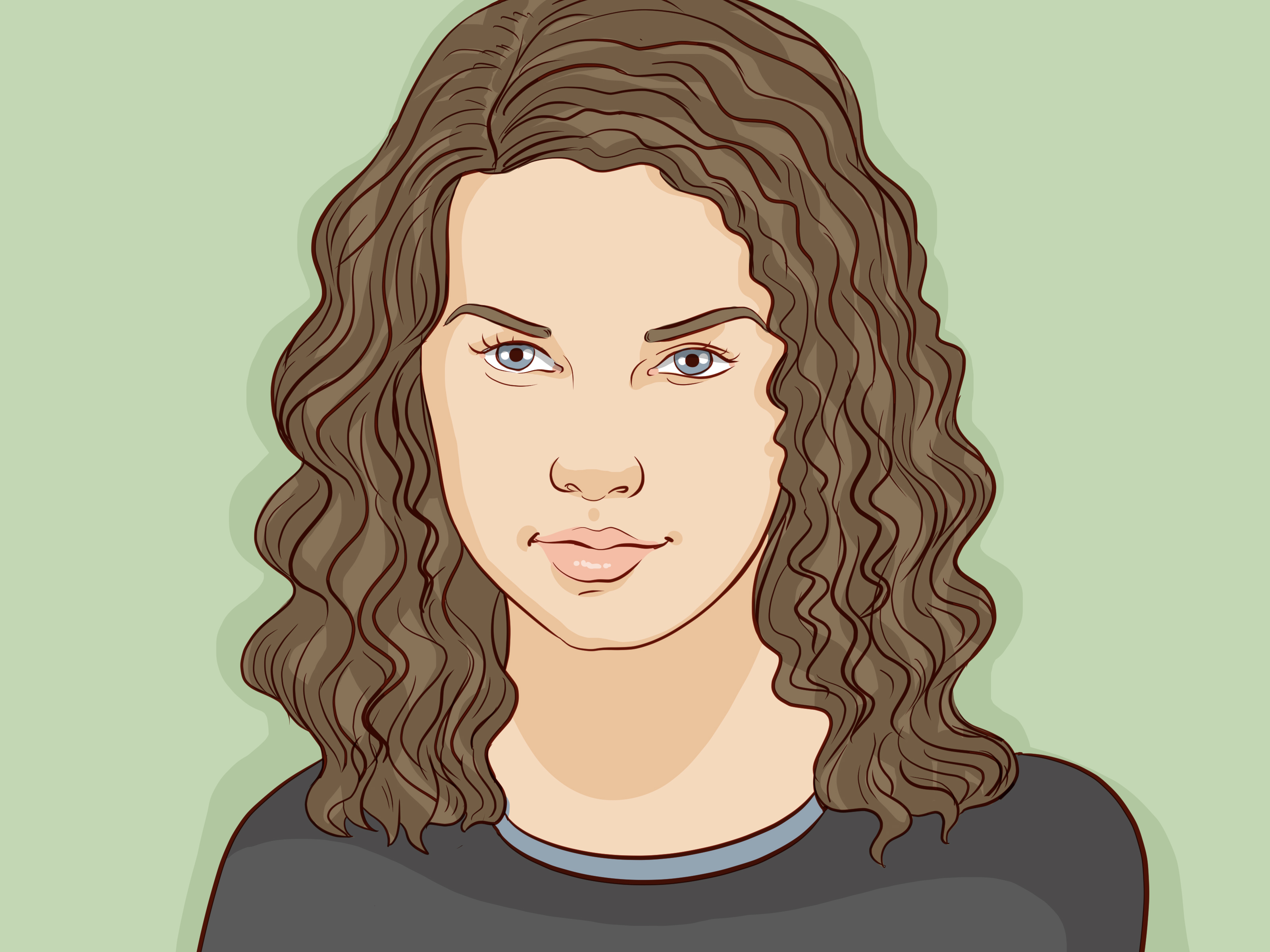
Short permed hair is a tiny architectural miracle. One day your hair is behaving like a polite sheet of paper, and the next it has opinions, bounce, texture, and the occasional desire to form a committee on top of your head. The good news? A short perm can be one of the easiest, most personality-packed hairstyles to wear. The less-good news? The first 48 hours after a perm are not the time to freestyle like you are in a shampoo commercial.
Whether you have a cropped bob, curly pixie, short shag, tapered cut, or soft wavy perm, the secret is simple: protect the curl pattern early, then style with moisture, patience, and lightweight products. Short permed hair does not need a 17-step routine. It needs the right routine, used consistently.
This guide explains how to style short permed hair during the first 48 hours, how to wash and shape it afterward, which products actually help, and how to keep curls defined without turning your head into a crunchy helmet. Let us rescue the perm from old-school stereotypes and give it the modern, bouncy life it deserves.
The First 48 Hours: Let the Curl Pattern Set
The first two days after a perm are all about restraint. Your stylist has chemically reshaped your hair, and although the salon finish may look ready for a magazine cover, the curl pattern still benefits from being treated gently. Think of your new curls like fresh frosting on a cake: technically finished, but please do not poke it.
Do Not Wash Your Hair Yet
The classic rule is to avoid washing your perm for about 48 hours unless your stylist gives you different instructions. Shampooing too soon may disturb the shape, increase frizz, or soften the result before the curl has settled. This does not mean your hair will collapse instantly if one raindrop looks at it, but it does mean you should keep it as dry and undisturbed as possible.
Use a shower cap when bathing. Avoid steam-heavy showers if your bathroom turns into a tropical greenhouse. If your scalp feels oily, resist the urge to attack it with dry shampoo immediately. In the first 48 hours, “less” is usually the winning strategy.
Avoid Brushing, Tight Clips, and Ponytails
Short permed hair can develop dents from tight accessories, especially while the curl pattern is fresh. Skip tight headbands, elastic bands, hard clips, beanies, and anything that presses your hair into a new shape. If your bangs are falling into your eyes, gently nudge them with your fingers instead of pinning them down like they owe you rent.
Do not brush your hair dry. In fact, brushing short permed hair dry is one of the fastest ways to turn defined curls into a fuzzy cloud. Once you are past the first 48 hours, detangling should happen with fingers or a wide-tooth comb, preferably when the hair is damp and conditioned.
Sleep Like Your Curls Have Feelings
Nighttime matters. Cotton pillowcases can create friction, which encourages frizz and flattened sections. A satin or silk pillowcase is a small upgrade that can make short permed hair look noticeably better in the morning. If your hair is long enough, you can loosely protect it with a satin bonnet, but avoid anything tight around the hairline.
For very short permed pixies, sleep on the least-crushed side when possible. Will this make you feel slightly dramatic? Absolutely. Will your curls appreciate it? Also yes.
After 48 Hours: Your First Wash Routine
Once the waiting period is over, your first wash should be gentle, moisturizing, and calm. This is not the moment for a clarifying shampoo, a scalp scrub, and a boiling-hot rinse. Short permed hair has already been through a chemical service, so your goal is to cleanse without stripping and condition without flattening.
Use a Gentle, Moisturizing Shampoo
Choose a sulfate-free or gentle shampoo designed for curls, waves, chemically treated hair, or dry hair. You only need a small amount, especially on short hair. Focus shampoo on the scalp, then let the suds move through the ends as you rinse. Scrubbing the lengths can rough up the cuticle and cause frizz.
If your scalp is oily but your curls are dry, try shampooing only the roots. Short permed hair often needs scalp freshness and curl moisture at the same time, which is rude but manageable.
Condition Like You Mean It
Conditioner is not optional after a perm. Permed hair can feel drier because chemical processing changes the hair structure, and curls naturally make it harder for scalp oils to travel from root to end. Apply conditioner from mid-lengths to ends, then use your fingers or a wide-tooth comb to gently detangle. Start at the ends and work upward.
For short permed hair, avoid using heavy conditioner directly on the roots unless your hair is coarse or very dry. Too much richness at the scalp can make a pixie or short bob look flat by lunchtime.
Dry With a T-Shirt or Microfiber Towel
Regular towels can rough up curls. Instead, squeeze out water with a soft cotton T-shirt or microfiber towel. Do not rub. Scrunch upward from the ends toward the scalp to encourage shape. This simple move helps short curls spring into place without creating a halo of frizz.
How to Style Short Permed Hair by Haircut
Short permed hair is not one hairstyle. A curly pixie needs different styling than a chin-length bob or cropped shag. The best routine depends on length, density, curl size, and the final shape you want.
Short Permed Pixie
A permed pixie looks best when it has definition without stiffness. Apply a pea-size amount of curl cream or lightweight leave-in conditioner to damp hair. Scrunch gently with your fingertips, then let it air dry or diffuse on low heat. Once dry, use a tiny amount of styling paste or pomade to separate pieces around the crown, fringe, or sideburns.
The biggest mistake with a short permed pixie is using too much product. Pixie-length hair reaches product overload quickly. Start small. You can always add more, but removing excess product usually requires a wash and a small emotional recovery period.
Short Permed Bob
A short permed bob benefits from balance: enough hold to keep curls defined, enough softness to avoid triangle hair. Apply a leave-in conditioner first, then layer mousse or a light gel over it. Flip your head slightly to the side and scrunch upward. For more volume, diffuse at the roots on low airflow. For smoother definition, air dry without touching.
If the ends look too round or bulky, ask your stylist about subtle shaping at your next trim. A great short perm depends as much on the haircut as it does on the curl.
Short Curly Shag or Wolf Cut
A permed shag loves texture. Use mousse at the roots for lift and a small amount of curl cream through the mid-lengths and ends. Diffuse with your head tilted forward to encourage volume. Once dry, shake out the roots gently with your fingertips. Avoid combing through the curls unless you are intentionally going for a soft, fluffy finish.
Bangs can be styled by finger-coiling a few face-framing pieces while damp. This takes less than a minute and makes the whole cut look more intentional.
Short Tapered or Masculine Permed Cuts
For short tapered perms, focus on definition at the top and neatness at the sides. A curl sponge, curl cream, or light styling foam can enhance texture, depending on hair type. If the sides are faded or cropped close, keep product mainly on the longer permed section. Too much product near the scalp can make the style look greasy instead of fresh.
The Best Products for Short Permed Hair
You do not need every product on the shelf. In fact, your curls may rebel if you treat them like a science fair project. Build a simple styling kit with a few reliable basics.
Leave-In Conditioner
A leave-in conditioner adds moisture, slip, and softness. It is especially useful if your perm feels dry, your ends look fuzzy, or your curls lose shape between wash days. For fine short hair, use a spray leave-in. For thicker hair, use a creamier formula.
Curl Cream
Curl cream helps shape and soften curls. It works well for short bobs, shags, and pixies that need definition without a hard finish. Apply it to damp hair, not dry hair, for the most even result.
Mousse or Foam
Mousse is excellent for short permed hair because it adds volume without too much weight. It is especially helpful at the roots and crown. If your curls fall flat, mousse may become your new best friend, minus the drama of an actual group chat.
Gel
Gel gives stronger hold and frizz control. Use a light or medium-hold gel if you want curl definition that lasts. Apply to wet or damp hair, scrunch, let it dry completely, then gently scrunch again to soften any cast.
Pomade or Texture Paste
For very short permed styles, a small amount of pomade can define individual pieces after the hair is dry. Choose a lightweight, flexible formula. Heavy waxes can make curls look separated in the wrong way, like tiny noodles with commitment issues.
Air Drying vs. Diffusing
Air drying gives short permed hair a softer, more natural finish. It is the easiest option and the least likely to cause heat damage. The catch is that curls can dry flatter at the roots if your hair is dense or your cut lacks layers.
Diffusing adds volume and speeds things up. Use low heat and low airflow to avoid blasting the curls apart. Hold the diffuser near the scalp without aggressively moving it around. Let each section dry before moving to the next. Touching curls constantly while drying is basically inviting frizz to dinner.
If you are in a hurry, diffuse the roots first, then let the ends air dry. This gives lift without over-drying the most fragile parts of your hair.
How to Refresh Short Permed Hair in the Morning
Morning refreshes are where short permed hair earns its reputation as low-maintenance. You usually do not need to fully rewash. Instead, lightly mist your hair with water or a curl-refreshing spray after the first 48 hours have passed. Add a tiny amount of leave-in conditioner or curl cream to your palms, rub your hands together, and scrunch the curls back into shape.
If one side is flattened from sleep, mist only that area. Finger-coil a few pieces around your face, then let them dry. For root volume, gently lift the hair with your fingertips or use a diffuser for 30 to 60 seconds on low airflow.
Common Mistakes to Avoid
First, do not overwash. Many short permed styles look better when washed two or three times a week instead of daily, though your ideal schedule depends on scalp oil, workouts, climate, and product use.
Second, avoid high heat. Flat irons, curling irons, and hot blow-dryer settings can weaken hair and disturb the curl pattern. If you use heat, apply heat protectant and keep the temperature moderate.
Third, do not pile on heavy oils. A drop of lightweight oil can add shine to dry ends, but too much oil can make short curls collapse. Finally, do not skip trims. Short permed hair loses shape quickly when the cut grows out. A trim every six to eight weeks helps maintain bounce, volume, and clean edges.
Personal Experience: What Short Permed Hair Teaches You After the Salon Glow Fades
The first thing you learn after getting short permed hair is that confidence arrives before skill. You leave the salon feeling like the main character in a stylish indie film. The curls are sitting perfectly, the volume is charming, and you briefly believe you have become the kind of person who owns linen shirts and never loses lip balm. Then you wake up the next morning with one side fluffy, one side flat, and a mysterious curl pointing toward the ceiling like it has breaking news.
That is when the real relationship begins. Short permed hair is not difficult, but it does ask you to pay attention. During the first 48 hours, the hardest part is doing nothing. No washing, no dramatic restyling, no “just one little brush.” It feels strange because most of us are used to fixing hair by controlling it. A new perm teaches the opposite: leave it alone first, then guide it gently later.
After the first wash, the routine becomes easier. The best experience usually comes from applying product while the hair is still damp. A small amount of leave-in conditioner softens the curls, mousse gives them lift, and a little curl cream can make the ends look polished. The trick is to stop before the hair feels coated. With short hair, product mistakes show up fast. Too much cream near the roots can turn a cute curly pixie into a sleepy mushroom. Too much gel can make a bob look like it has been laminated.
Another lesson is that morning hair is not failure. Short permed hair often needs a refresh, not a rescue mission. A light water mist, a few scrunches, and two finger-coiled front pieces can make the whole style look intentional again. Some days the curls will be neat and defined. Other days they will be bigger, softer, and slightly rebellious. That variety is part of the charm.
The biggest surprise is how much the haircut matters. A perm can create curl, wave, and body, but the shape comes from the cut. Layers, tapering, fringe, and weight removal determine whether short permed hair looks modern or bulky. If the style feels too wide, too heavy, or hard to manage, the answer is not always more product. Sometimes it is a better trim.
Living with short permed hair also changes how you think about beauty routines. You stop chasing perfect sameness every day and start working with texture. You learn where your curls spring up, where they flatten, where they need moisture, and where they need absolutely nothing. That is the fun of it. A short perm is not just a hairstyle; it is a tiny daily collaboration between chemistry, haircutting, weather, and your willingness not to panic before coffee.
Conclusion
Styling short permed hair is easiest when you divide the routine into two phases. During the first 48 hours, keep your hair dry, avoid brushing, skip tight accessories, and let the new curl pattern settle. After that, focus on moisture, gentle detangling, lightweight styling products, and low-heat drying methods.
The best short permed styles are not stiff or overly controlled. They move, bounce, and look a little effortless, even when you secretly used three careful scrunches and a satin pillowcase to get there. With the right routine, short permed hair can be playful, polished, and surprisingly easy to maintain. Treat your curls kindly, listen to your stylist, and remember: frizz is not a personality flaw. It is just a styling note.