
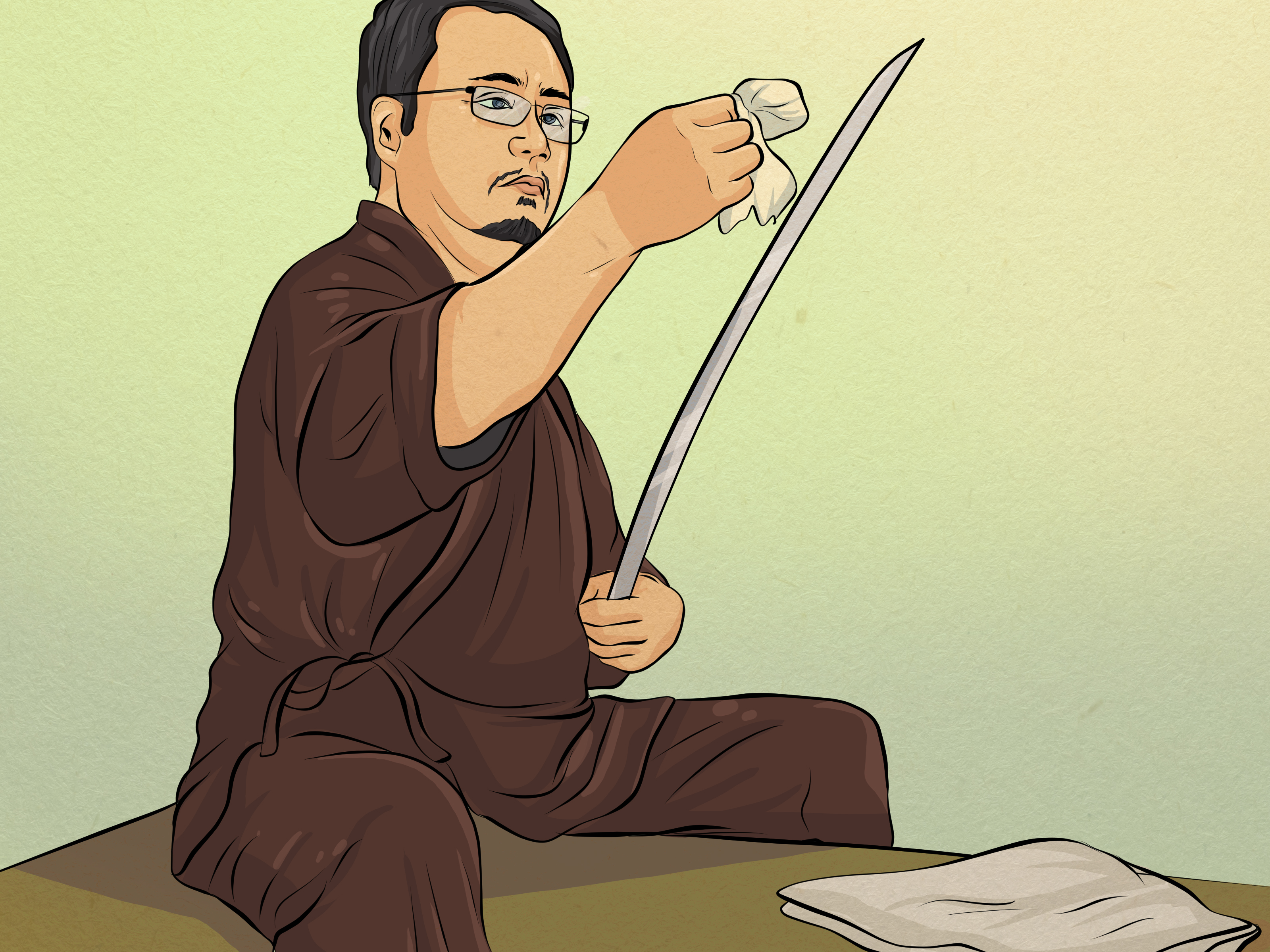
If you own a sword, here is the first truth nobody puts on the dramatic movie poster: swords are surprisingly needy. They look bold, stoic, and ready to glare heroically from a wall mount, but in real life they are part steel, part chemistry experiment, and part dust magnet. Add leather, wood, rayskin, lacquer, brass, glue, or wire wrap into the mix, and suddenly your “simple collectible” becomes a full-blown mixed-material artifact with opinions.
That is why smart sword care is less about making a sword look shiny at all costs and more about preserving it without causing accidental damage. Whether you own an antique saber, a Japanese-style display sword, a family heirloom, or a modern reproduction you keep for collection and display, the goal is the same: keep the metal stable, protect the organic parts, avoid bad storage habits, and resist the urge to “improve” it into trouble.
This guide focuses on safe, preservation-minded care for collectible swords. In plain English, that means fewer cowboy fixes, more museum-style common sense, and zero romance about humidity. Because humidity, frankly, is the villain in this story.
Why Sword Care Matters More Than Most Owners Think
A sword is rarely just steel. Even a straightforward piece may include a blade, guard, grip core, leather wrap, wood scabbard, glue, paint, lacquer, brass, bronze, or decorative inlays. Each material ages differently. Metal wants protection from moisture and fingerprints. Leather hates bad conditioning and bad climate. Wood reacts to swings in moisture by shrinking, warping, or cracking. And when all those materials are attached to each other, one problem can quickly invite three more.
That is why careless “maintenance” often causes more harm than honest neglect. Over-polishing can remove original finish. Harsh cleaners can stain or strip surfaces. Random oils and dressings can darken leather, trap grime, or create waxy bloom. In other words, the fastest way to damage a sword is to treat it like a garage tool instead of a collectible object.
If the sword has age, history, maker marks, original grip wrapping, patina, or sentimental value, think preservation first. The mission is not to make it look brand-new. The mission is to help it age gracefully without turning it into a sad cautionary tale.
Step One: Know What Kind of Sword You Actually Have
Before you clean, display, or store anything, identify what you are dealing with. This one step saves owners from half the mistakes on the planet.
Antique or historical sword
If your sword is genuinely old, has maker stamps, military markings, period construction, or family provenance, do not assume a cosmetic cleanup is a good idea. What looks like “tarnish” may be a stable historical surface. What looks like “old ugly leather” may be original. What looks like “I can fix that in five minutes” may be exactly how collectors lose value in five minutes.
Modern display or reproduction sword
Modern pieces are often easier to care for, but they still vary. Some are carbon steel and more reactive to moisture. Some are stainless and less fussy. Some have leather-covered scabbards, wood cores, wire wraps, or decorative coatings that should not be treated with generic metal products. Read the maker’s care guidance before applying anything.
Mixed-material sword
This is the category most swords fall into. The blade may be metal, but the grip and scabbard may be organic materials that respond badly to wild temperature swings, direct sun, or overenthusiastic polishing. If the sword has multiple materials, always choose the gentlest care plan that respects the most fragile part.
Handle It Like a Collectible, Not a Movie Prop
The quickest damage most owners cause is not dramatic rust. It is fingerprints. Skin oils, salts, sweat, and leftover lotion can mark metal surfaces over time, especially polished ones. That is why good handling habits matter.
For swords with exposed metal surfaces, clean, snug nitrile gloves are the safest general choice. They give better grip than loose cotton gloves, and they are less likely to snag on delicate details. If gloves feel clumsy, stop and reset rather than gripping harder like you are negotiating with a lawn mower.
When lifting a sword, support it carefully and deliberately. Do not grab projecting details, decorative mounts, loose fittings, or fragile scabbard elements. If the object is heavy or awkward, clear your path first and handle it over a stable surface. Antique swords, especially ones with corrosion, repaired fittings, or older organic materials, can be more fragile than they look.
One more unglamorous rule: do not test surfaces with your thumb, and do not “just see how it feels” with bare hands. That tiny moment of curiosity can leave lasting marks. Sword care is not exciting in the same way a duel scene is exciting, but it is dramatically cheaper.
Create the Right Storage Environment
If you remember only one section from this article, make it this one. Most sword preservation problems begin with the room, not the sword.
The best home for a collectible sword is a climate-controlled indoor space with steady temperature and steady humidity. Think boring, consistent, comfortable. That is exactly what you want. Museum guidance for mixed-material arms and armor generally lands around normal conditioned indoor temperatures and roughly mid-range humidity, with stability being just as important as the target number. Sudden swings are what cause leather to dry, wood to move, and corrosion to wake up and choose violence.
Here is where not to store a sword long-term: attics, basements, garages, sheds, closets on exterior walls, near radiators, near heating vents, near open windows, or in direct sun. In short, if the room feels swampy in summer, crispy in winter, or like a sauna above a heater, your sword should not live there.
Use storage and display materials that are as inert as possible. Some woods, plywoods, paints, glues, and coatings can release acids or other harmful vapors that encourage tarnish or corrosion. For collectors, this means cheap display cases can sometimes be worse than no case at all. Soft supports, archival barriers, and well-made mounts are better than mystery foam and bargain-bin adhesives.
If you keep a sword inside a sealed display cabinet, humidity control matters even more. Silica gel can help buffer moisture inside a properly sealed case, but only if you monitor it and use it correctly. A sealed case with unmanaged moisture is basically a fancy little weather system, which is not the vibe you want.
Display Swords Without Quietly Wrecking Them
Wall display looks impressive, but preservation-minded display is less about drama and more about restraint. Keep swords out of direct sunlight. Even if the metal itself seems tough, the grip, lacquer, leather, paint, adhesives, and any decorative materials may not be. Light, heat, and ultraviolet exposure can fade finishes, dry out organic parts, and create slow-motion damage that you only notice after it is too late.
Mount the sword so it is fully supported and not under tension. A mount should hold the object securely without pinching delicate areas. If the sword shifts, leans, or rattles, the mount is not doing its job. If the mount requires force to fit, it is auditioning to become your next problem.
Glass-front cabinets are often better than open wall racks because they reduce dust and accidental contact. They also make routine inspections easier. Just remember that a cabinet near a sunny window or heat source is still a bad cabinet, no matter how elegant it looks on social media.
Leather Scabbards, Grips, and Tassels Need Their Own Rules
This is where many collectors go wrong, because old-school advice still floats around like it pays rent. Routine leather dressings, heavy oils, saddle products, and miracle conditioners are not automatically helpful. In conservation settings, they are often avoided because they can darken leather, weaken it over time, leave sticky residue, attract dust, and create a white waxy bloom sometimes mistaken for mold.
If your sword has a leather scabbard, grip wrap, or tassel, the safest mindset is simple: do less, and do it gently. Keep leather clean, dry, and out of hot, bright, or damp environments. Avoid experimenting with conditioners unless the maker specifically recommends one for a modern piece and you are certain it is appropriate.
For long-term storage, be cautious about prolonged metal-to-leather contact. Leather and metal can affect each other, especially in poor climate conditions. Many collectors prefer not to leave a sword sheathed for extended periods without monitoring conditions. If the scabbard is historically important, treat it as part of the object, not as an accessory you can casually “fix up.”
If you notice white bloom, cracking, stiffness, darkened patches, residue in creases, or a musty smell, do not go into rescue mode with random products from the hardware store. That is the moment to pause, document the condition with clear photos, and consult a conservator or qualified specialist.
How to Do Routine Care Without Overdoing It
Routine care should be light, boring, and repeatable. That is good news, because boring is usually cheaper than restoration.
Monthly sword checkup
- Look for fingerprints, haze, dust buildup, or new spots on metal surfaces.
- Check the grip and scabbard for cracking, dryness, looseness, or white bloom.
- Inspect fittings for movement, wobble, or fresh discoloration.
- Make sure the display area is still dry, clean, and away from direct heat or sun.
- Take updated photos if anything looks different.
Light cleaning only
Dust should be removed gently with a soft, clean, lint-free cloth or a very soft brush, depending on the surface. Avoid aggressive rubbing. Avoid household cleaners. Avoid abrasive pads. Avoid power tools. Avoid “one weird trick” videos from the internet. If the sword is antique or has fragile finishes, less is more.
For modern swords, follow maker instructions before applying any protectant to metal surfaces. For antiques, stop well before you feel tempted to “polish it up.” Original finishes, patina, and old surfaces are part of the object’s story.
Common Sword Care Mistakes to Avoid
- Storing swords in damp spaces: Basements, attics, and garages are classic troublemakers.
- Using bare hands on polished metal: Fingerprints can become permanent guests.
- Over-polishing: Shine is not the same thing as preservation.
- Treating old leather like a pair of boots: Historical leather is not begging for conditioner.
- Ignoring reactive display materials: Cheap wood, glues, and coatings can quietly damage metal.
- Leaving problems too long: Tiny rust spots, looseness, and white bloom rarely get better out of politeness.
When to Call a Conservator
Not every sword needs professional treatment, but some absolutely do. Bring in a conservator or knowledgeable specialist if you see active rust, flaking surface finishes, loose hilts, shrinking scabbards, deep cracking in grips, heavy discoloration, sticky residues, or anything that seems to be changing quickly. Also seek help if the sword is antique, rare, historically significant, or emotionally important.
The best conservation work often starts with restraint. If you think something is wrong, the smartest move is usually to stop touching it, take photos, note the storage conditions, and ask questions before trying a fix. Preservation loves patience. Impulse, not so much.
Experience Section: What Living With Swords Teaches You Over Time
There is also a practical side to sword ownership that people only learn after months or years of living with a collection. At first, most owners focus on appearance. They want the sword to look impressive, clean, dramatic, and maybe just a little intimidating on the wall. Then real experience sets in. The impressive part is easy. The stable part is the challenge.
One of the first lessons people learn is that the room matters more than the object. A sword hanging in a cool, conditioned office can look unchanged for ages. The same sword in a hot upstairs room near a sunny window can begin to look tired, dusty, or suspiciously blotchy much faster than expected. Owners often blame the sword, the steel, or the maker when the real culprit is the environment. A beautiful display does not mean a healthy display.
Another common experience is discovering that “clean” and “over-clean” are separated by a very thin line. New collectors often feel compelled to do something every time they notice age, darkening, or texture. Experienced collectors usually go the other direction. They become calmer. They inspect more, intervene less, and understand that not every old surface is a problem waiting to be solved. Sometimes the smartest thing you can do is dust lightly, improve the room, and leave the object alone.
Collectors also learn that leather is a drama queen. A scabbard can look perfectly fine one month and suddenly seem dry, stiff, dusty, or marked the next. White bloom can appear and make everyone panic. A grip wrap can loosen just enough to be annoying but not enough to be catastrophic. These are the moments when experience pays off. Instead of grabbing a random conditioner and hoping for the best, experienced owners document the change, isolate the cause, and move slowly. Patience is not glamorous, but it saves objects.
There is also the emotional side of sword care. Family pieces, military heirlooms, and inherited swords often come with stories attached. That changes how people care for them. A collector might shrug at a fingerprint on a modern reproduction, then go full detective mode over a tiny change in Great-Granddad’s saber. That emotional weight is not a weakness. It is a reminder that preservation is not just about objects. It is about memory, history, and continuity.
And then there is the final lesson almost everyone learns eventually: the best sword care routine is the one you will actually keep doing. Not the dramatic one. Not the expensive one. Not the one that requires a laboratory, a chant, and moonlight over a hilltop. Just a clean room, stable climate, gentle handling, regular inspections, and enough discipline to avoid “quick fixes.” Over time, that humble routine beats panic maintenance every single time.
Conclusion
Taking care of swords is really about respecting materials, not chasing perfection. A well-cared-for sword is not necessarily the brightest, glossiest, or most aggressively “restored” one in the room. It is the one that has been stored wisely, handled gently, protected from moisture and bad climate, and left alone when alone was the better choice.
So if you want the shortest version, here it is: keep swords in a stable indoor environment, handle metal carefully, protect them from dust, heat, and dampness, treat leather cautiously, and call a conservator when a problem moves beyond basic housekeeping. That approach may not sound flashy, but it is exactly how collections survive long enough to become somebody else’s treasured heirloom instead of somebody else’s expensive mistake.














