
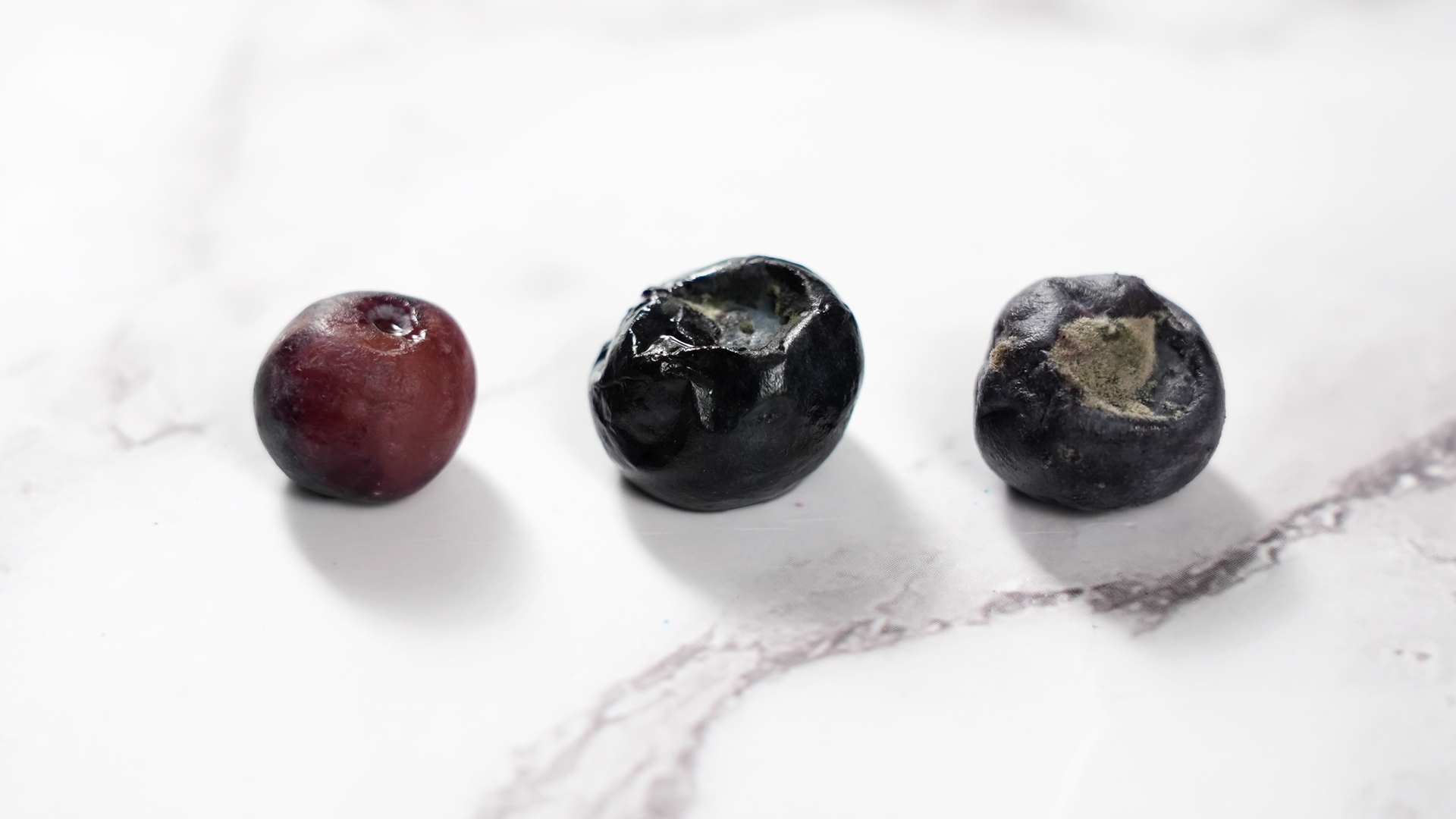
Blueberries are tiny, sweet, and suspiciously easy to eat by the handful. One minute you buy a fresh pint with visions of smoothies, muffins, and yogurt bowls. Three days later, you open the fridge and wonder: “Are these still good, or am I about to star in a very avoidable food-safety drama?”
The good news is that learning how to tell if blueberries are bad is simple once you know what to look for. Fresh blueberries should be plump, firm, dry, and deep blue with a pale, dusty coating called “bloom.” Bad blueberries may turn mushy, leak juice, smell sour or fermented, develop fuzzy mold, or look shriveled beyond saving.
So, how long are blueberries good? In general, fresh blueberries last about 5 to 10 days in the refrigerator, and very fresh, properly stored berries may last close to two weeks. At room temperature, they are best eaten the same day. In the freezer, blueberries keep their best quality for about 6 to 10 months, though they remain safe longer if continuously frozen.
Quick Answer: How Do You Know Blueberries Have Gone Bad?
Blueberries are probably bad if they show one or more of these signs:
- Fuzzy white, green, blue, or gray mold
- Mushy, collapsed, or leaking berries
- A sour, alcoholic, or fermented smell
- Sticky or slimy texture
- Severe shriveling or wrinkling
- Brown, dull, or unusually discolored spots
- Excess liquid pooling in the container
A few soft berries do not always mean the entire container is ruined. Remove any damaged berries, check the rest carefully, and use the good ones quickly. But if mold is widespread, the container smells unpleasant, or many berries are wet and collapsing, it is safer to toss the batch.
How Long Are Blueberries Good?
The shelf life of blueberries depends on how fresh they were when you bought them, how they were handled during transport, and whether they stayed dry and cold. Blueberries are delicate little overachievers; they look sturdy, but they do not appreciate moisture, heat, or being crushed under a watermelon in your grocery bag.
Blueberry Shelf Life by Storage Method
| Storage Method | How Long Blueberries Usually Last | Best Practice |
|---|---|---|
| Room temperature | Same day, sometimes up to 1 day | Use only for berries you plan to eat soon |
| Refrigerator | 5 to 10 days; up to 2 weeks if very fresh | Store dry, unwashed, and ventilated |
| Washed blueberries in fridge | 1 to 3 days | Dry completely before storing |
| Cut, mashed, or cooked blueberries | 3 to 5 days | Keep in an airtight container |
| Frozen blueberries | Best quality 6 to 10 months | Freeze in a single layer first, then bag |
The most important rule is simple: cold and dry beats warm and damp. Refrigeration slows spoilage, while excess moisture gives mold a free buffet ticket.
What Fresh Blueberries Should Look, Feel, and Smell Like
Before judging whether blueberries are bad, it helps to know what good blueberries are supposed to be. A fresh blueberry should look deep blue to purple-blue, feel firm but not rock-hard, and smell mild, sweet, and fruity.
That dusty coating on the skin is not dirt. It is called bloom, a natural waxy layer that helps protect the berry. Many shoppers mistake it for residue, but bloom is usually a sign that the blueberries have not been overhandled. Think of it as the blueberry’s little protective raincoat.
Fresh Blueberries Usually Have:
- A deep blue or blue-purple color
- A dry surface
- A firm, plump shape
- A light silvery-white bloom
- A mild, sweet aroma
- No visible mold or leaking juice
If the berries are red or green, they may be underripe. Blueberries do not continue ripening much after harvest, so pale or reddish berries may taste tart rather than sweet. They are not necessarily bad, but they may not deliver that juicy summer flavor you were hoping for.
7 Clear Signs Blueberries Are Bad
1. Mold Appears on the Berries
Mold is the loudest warning sign. It may look fuzzy, powdery, or cottony and can appear white, gray, green, or bluish. Because blueberries are soft and high in moisture, mold can spread quickly from one berry to another.
If you see one moldy blueberry, remove it immediately along with any berries touching it. Then inspect the rest. If the container has widespread mold or smells musty, throw it away. No smoothie is worth gambling with fuzzy fruit.
2. The Berries Are Mushy or Collapsed
A slightly soft blueberry may still be fine, especially if it smells normal and has no mold. But berries that are very mushy, flattened, or collapsing are past their prime. Mushiness often means the fruit’s cells have broken down, making it easier for microbes to grow.
Use slightly soft but clean berries in cooked recipes, such as pancakes, muffins, sauces, or compotes. Toss berries that are slimy, leaking heavily, or unpleasantly soft.
3. They Smell Sour, Boozy, or Fermented
Fresh blueberries should smell light and fruity. If they smell sour, alcoholic, yeasty, or like a forgotten science experiment, fermentation may have started. That smell is your cue to let them go.
Trust your nose. Blueberries should not smell like fruit wine unless you intentionally made fruit wine, which is a very different afternoon.
4. The Texture Is Slimy or Sticky
Blueberries should feel dry or only slightly moist after washing. A slimy coating is a sign of breakdown and possible microbial growth. Sticky juice in the container can also mean berries have been crushed or are starting to spoil.
If only a few berries are leaking, remove them and use the rest soon. If the whole container feels wet, sticky, and soft, toss it.
5. There Is Too Much Liquid in the Container
A little condensation is common, especially if berries moved from a cold store to a warm car. But visible puddles of purple juice or water in the container are not ideal. Moisture speeds up spoilage and encourages mold.
When you get home, open the container and check for wet spots. If the berries are still firm, transfer them to a dry, breathable container lined with a paper towel.
6. The Berries Are Severely Shriveled
Wrinkled blueberries are not automatically unsafe. They may simply be dehydrated. However, if they are extremely shriveled, tough, sour-smelling, or moldy, they are no longer good.
Slightly wrinkled berries can still be cooked into oatmeal, jam, muffins, or sauces. When in doubt, inspect, smell, and use common sense.
7. The Flavor Tastes Off
If blueberries look acceptable but taste sour in a strange way, bitter, fizzy, or fermented, stop eating them. A tart blueberry is normal. A blueberry that tastes like it has been plotting revenge in the back of the fridge is not.
Can You Eat Blueberries If One Is Moldy?
If you find one moldy blueberry, you do not always have to throw away the entire container immediately. Remove the moldy berry and any berries that were touching it. Then examine the rest carefully. If the remaining berries are firm, dry, mold-free, and smell normal, they may be okay to rinse and eat soon.
However, if mold appears in several places, the berries are wet, or the container smells musty, discard the whole batch. Mold spreads easily through soft fruit, and visible mold may be only part of the problem.
How to Store Blueberries So They Last Longer
Proper storage is the difference between “fresh berries for breakfast” and “tiny blue heartbreak.” Here is the best way to keep blueberries fresh as long as possible.
1. Sort Them First
Before putting blueberries in the fridge, check the container. Remove berries that are moldy, crushed, leaking, or badly wrinkled. One spoiled berry can shorten the life of the entire batch.
2. Do Not Wash Before Storing
Blueberries should usually be stored unwashed. Washing adds moisture, and moisture is mold’s favorite party invitation. Rinse only the amount you plan to eat right before eating.
If you already washed them, do not panic. Spread them on a clean towel and dry them thoroughly before refrigerating. The goal is dry skins, not “close enough.”
3. Use a Breathable Container
The original clamshell container often works well because it allows airflow. You can also use a shallow container lined with paper towels. Avoid sealing damp berries in an airtight container unless they are completely dry.
4. Keep Them Cold
Store blueberries in a refrigerator at 40°F or below. Many food-safety experts recommend keeping the fridge around 36°F to 38°F so foods stay safely cold without freezing delicate produce.
5. Avoid Crushing Them
Blueberries do not enjoy pressure. Store them where heavier foods will not press down on them. A crushed blueberry leaks juice, and leaking juice can make neighboring berries spoil faster.
Should You Wash Blueberries with Vinegar?
A vinegar rinse is popular because it may help reduce surface microbes and mold spores. Some people use a mixture of one part white vinegar to three or four parts water, soak briefly, rinse with cool water, and dry very well.
However, for everyday food safety, plain running water is enough for washing produce before eating. Do not use soap, detergent, or household cleaners on blueberries. These products are not meant to be eaten and can leave residue.
If you use a vinegar rinse, the drying step matters most. Wet blueberries stored in the fridge can spoil faster, even if vinegar was involved. Vinegar is not magic; it is more like a helpful assistant who still needs you to do the paperwork.
Can You Freeze Blueberries Before They Go Bad?
Yes. Freezing is one of the best ways to save blueberries before they turn bad. Freeze them while they are still firm and fresh, not after they have become moldy or slimy.
How to Freeze Blueberries
- Sort the berries and remove damaged ones.
- Rinse only if desired, then dry completely.
- Spread berries in a single layer on a baking sheet.
- Freeze until solid.
- Transfer to a freezer-safe bag or container.
- Label with the date.
Flash-freezing first keeps blueberries from turning into one giant frozen berry brick. Frozen blueberries are excellent for smoothies, pancakes, muffins, sauces, oatmeal, yogurt, and quick breads.
What to Do with Blueberries That Are Almost Bad
If your blueberries are soft but not moldy, slimy, or sour-smelling, use them quickly. Cooking is a great way to rescue berries that are no longer pretty enough for a fruit salad but still perfectly useful.
Smart Ways to Use Soft Blueberries
- Blueberry pancakes
- Homemade blueberry sauce
- Smoothies
- Blueberry muffins
- Overnight oats
- Chia jam
- Compote for yogurt or waffles
- Frozen smoothie packs
Do not use berries with mold, slime, or a fermented smell. Cooking improves flavor and texture, but it is not a reset button for spoiled food.
Common Mistakes That Make Blueberries Spoil Faster
Many blueberry disasters begin with good intentions. Here are the most common mistakes:
- Washing the whole container too early: Moisture encourages mold.
- Leaving berries on the counter: Warm temperatures speed spoilage.
- Ignoring one moldy berry: Spoilage spreads quickly.
- Using sealed containers with wet berries: Trapped moisture creates problems.
- Storing them under heavy groceries: Bruising shortens shelf life.
- Buying wet berries: Condensation in the package is a red flag.
FAQ: How to Tell If Blueberries Are Bad
Are wrinkled blueberries safe to eat?
Wrinkled blueberries may be safe if they smell normal, show no mold, and are not slimy. They may be dry or past peak freshness, so they are better for cooking than snacking.
Are sour blueberries bad?
Not always. Some blueberries are naturally tart, especially if picked early. But if the sourness comes with a fermented smell, fizzing sensation, slime, or mold, throw them away.
Can bad blueberries make you sick?
Yes, spoiled fruit can carry microbes that may cause stomach upset or foodborne illness. People with weaker immune systems, young children, older adults, and pregnant people should be especially careful with moldy or questionable produce.
Should blueberries be stored in the crisper drawer?
They can be stored in the refrigerator, but the best location depends on humidity. Blueberries need cold air and some airflow. If your crisper is very humid, a middle shelf in a breathable container may work better.
Should you throw away blueberries after the “best by” date?
Use the date as a guide, not a final verdict. Inspect the berries. If they are firm, dry, mold-free, and smell fresh, they may still be good. If they show spoilage signs, toss them.
Personal Experience: What Blueberries Teach You After a Few Fridge Failures
If you buy blueberries often, you eventually learn that they have personalities. Some batches are heroic and last more than a week. Others seem to develop a dramatic farewell speech within 48 hours. After years of buying, storing, freezing, and occasionally forgetting blueberries behind a tub of hummus, the biggest lesson is this: blueberries reward attention.
The first habit that makes a real difference is checking the container before it goes into the refrigerator. It takes less than one minute. Open the package, look underneath, and remove any berry that is crushed, wet, or suspiciously fuzzy. This tiny step can save the rest of the batch. One leaking berry at the bottom of the clamshell can create a damp spot that turns into mold city by Tuesday.
The second lesson is to resist the urge to wash everything right away. A clean fridge full of washed produce feels organized and responsible, like something a person with matching food containers would do. But blueberries are not lettuce. They do better when they stay dry until serving time. Washing only what you plan to eat keeps the rest fresher longer.
A paper towel can also be surprisingly useful. If the original container has moisture inside, transfer the berries to a dry container with a paper towel on the bottom. The towel absorbs extra moisture without sealing the berries in a damp environment. Do not pack them tightly. Blueberries like a little breathing room. Honestly, same.
Another practical trick is dividing a big container. If you buy a large box, separate it into two or three smaller portions. Keep one portion ready for snacking and freeze another portion immediately. This prevents the classic situation where you eat half the box enthusiastically, forget the rest, and then discover a fuzzy blue-and-white ecosystem later.
Soft blueberries are not always a loss. If they are clean, mold-free, and smell fine, they can still become something delicious. Slightly tired blueberries work beautifully in pancakes, muffins, compote, or oatmeal. Heat softens them anyway, so their lack of fresh-snack crunch does not matter. In fact, very ripe blueberries often make sauces taste sweeter and more flavorful.
But there is a line. If blueberries smell fermented, feel slimy, or have visible mold, do not try to rescue them. A muffin should not require courage. Food waste feels frustrating, but eating spoiled berries is not the solution. The better strategy is to catch them earlier, freeze extras, and store them correctly from the start.
The best blueberry routine is simple: buy dry, firm berries; refrigerate them quickly; keep them unwashed; sort out the troublemakers; rinse right before eating; and freeze what you cannot use in time. Once this becomes a habit, blueberries last longer, taste better, and stop turning into expensive compost with a clamshell lid.
Conclusion
Knowing how to tell if blueberries are bad comes down to sight, smell, texture, and common sense. Good blueberries are firm, dry, plump, and mildly sweet-smelling. Bad blueberries may be moldy, mushy, slimy, sour-smelling, leaking, or severely shriveled.
For the longest shelf life, store blueberries unwashed in the refrigerator, keep them dry, remove damaged berries quickly, and wash only what you plan to eat. Fresh blueberries usually last 5 to 10 days in the fridge, sometimes longer when handled carefully. If you cannot use them in time, freeze them while they are still fresh.
Blueberries may be small, but they are not mysterious. Treat them gently, keep them cold, and do not ignore mold. Your breakfast bowl will thank you.














